Acimax
In brief
- In our pharmacy you can buy acimax (omeprazole) without a prescription; 20 mg short‑course OTC packs are commonly available in Australian pharmacies and online with discreet, anonymous packaging and delivery across Australia.
- Acimax is used to treat heartburn/GERD, erosive oesophagitis, peptic/duodenal ulcers, and as part of H. pylori eradication regimens; it is a proton pump inhibitor that irreversibly blocks the gastric H+/K+ ATPase in parietal cells to reduce stomach acid production.
- Usual dosage: OTC heartburn 20 mg once daily for 14 days (maximum one course every 4 months); prescription doses commonly 20–40 mg once daily for 4–8 weeks for erosive oesophagitis; H. pylori regimens typically use 20 mg twice daily plus antibiotics for 10–14 days; paediatric dosing is weight‑based (typically 10–20 mg).
- Form of administration: delayed‑release tablets or capsules (10, 20, 40 mg), dispersible/dry powder formulations, oral suspension packets (2.5 mg, 10 mg), and limited IV formulation (40 mg vial).
- Onset time: begins to reduce gastric acid within about 1 hour; many people notice symptom improvement within 24 hours but full symptomatic relief can take 1–4 days.
- Duration of action: acid suppression typically lasts around 24 hours after a dose (supporting once‑daily dosing), with maximal antisecretory effect developing over several days.
- Alcohol warning: avoid excessive alcohol while using acimax as alcohol can worsen reflux and irritate the stomach; there is no specific prohibition but limit alcohol intake during treatment of reflux or ulcers.
- Most common side effect is headache.
- Would you like to try acimax without a prescription?
Availability & Price Landscape
Basic Acimax Information
- INN (International Nonproprietary Name): Omeprazole
- Brand Names Available In Australia: not specified
- ATC Code: A02BC01
- Forms & Dosages: Delayed-release capsule/tablet 10mg, 20mg, 40mg; oral suspension powder packets 2.5mg, 10mg per packet; dispersible/dry powder 10mg, 20mg, 40mg; IV 40mg per vial
- Manufacturers In Australia: not specified
- Registration Status In Australia: not specified
- OTC / Rx Classification: 20mg short-term low-count packs commonly sold OTC in some markets; 10mg, 20mg, 40mg chronic or higher-dose formulations usually prescription
National Pharmacy Chains
Which stores are people most likely to spot acimax or omeprazole on the shelf?
Chemist Warehouse, Priceline and TerryWhite Chemmart are the big names Australians visit for acid reflux relief.
These chains typically stock a mix of major brands and private-label generics in familiar pack sizes like 14ct and 28ct blisters or bottles.
Discount chains influence choice by running frequent price promotions and private-label generics that reduce per-dose cost.
Major brands coexist with generics on the same shelf, so shoppers often compare packaging and price at the point of sale.
Click-and-collect is common, with many customers reserving packs online and collecting in-store the same day in metro areas.
Pharmacy staff counselling is common at these counters, especially when customers ask about OTC 14‑day courses or interactions with other medicines.
Online Pharmacy Trends In Australia
Are people ordering omeprazole online rather than coming into the shop?
Telehealth prescriptions and online fulfilment have grown, letting patients get a TGA‑approved prescription filled quickly by pharmacy partners.
Metro same‑day delivery is increasingly available through chain and independent online pharmacies for urgent needs.
Rural customers still face limitations, with delivery windows often longer than metro areas and same‑day service rarely offered.
Buying from overseas e‑channels is risky because packaging, formulation and regulatory status may differ from Australian requirements.
Some global e‑channels list Prilosec OTC, but local TGA labelling and supply conditions should be verified before purchase.
Price Ranges By Package Size (PBS Vs Private)
How much does a typical pack cost in Australia if you buy acimax or an omeprazole product privately?
PBS listing status affects subsidy; see the regulatory section for PBS details.
Private purchase prices vary by chain and location, with 20mg 14–28 count packs commonly cheaper at discount chains than independents.
Bulk generic packs reduce the per‑dose cost, making larger blisters or bottles more economical for long courses prescribed by a GP.
Typical packaging for the INN omeprazole is 20mg or 40mg delayed‑release capsules in 14ct or 28ct packs.
Below is a typical price comparison band (indicative ranges only based on common market patterns).
| Strength (mg) | Pack Size | PBS (If Subsidised) | Private Discount Chains (Metro) | Private Independents / Rural |
|---|---|---|---|---|
| 10 | 14ct | Not specified | $8–$12 | $10–$16 |
| 20 | 14ct / 28ct | Not specified | $10–$18 (14ct) | $12–$25 (14–28ct) |
| 40 | 14ct | Not specified | $18–$30 | $20–$40 |
INN Omeprazole labels commonly read 20mg or 40mg delayed‑release capsules, and 14ct/28ct blister and bottle formats are typical on shelves.
Patient Insights & Satisfaction Levels
Forum Reviews (ProductReview, Aussie Health Forums)
What do Australian users say when they post about omeprazole or acimax online?
Common themes are fast symptomatic relief for heartburn and improved sleep because nocturnal reflux eases.
Responses vary for erosive disease, with some patients reporting slower healing and the need for prescription doses.
Price sensitivity features heavily in reviews, with many users highlighting cheaper generic options at discount chains.
Trust in pharmacist recommendations is frequent, and many users report choosing a product after a short in‑pharmacy consult.
Typical time‑to‑relief expectations reported are within a few days, with OTC 14‑day courses commonly used for symptomatic relief.
Reported Benefits And Issues From Australian Patients
Which benefits do people notice, and what complaints turn up most often?
- Pros: Reduced nocturnal reflux and heartburn, less need for antacids, improved sleep, convenient OTC short course.
- Cons: Rebound acid when stopping, persistent bloating, headaches, and confusion about long‑term safety from online sources.
Common OTC regimen is 20mg once daily for 14 days, with the product information advising a maximum of one course every four months.
Common side effects reported include headache, nausea and diarrhoea.
Patients frequently contact pharmacists to ask about long‑term risks and whether they should see a GP for ongoing symptoms.
When symptoms persist beyond an OTC trial or alarm features appear, escalation to a GP is recommended for assessment and possible prescription therapy.
Product Overview & Brand Variants
INN And Brand Names In Australia
What names might acimax appear under on a pharmacy shelf?
The INN is omeprazole and the international brands include Prilosec and Losec, with many generics supplied by Sandoz, Teva and Mylan.
Local Australian brand availability is not specified in the raw data, so pharmacists should verify brand names and ARTG entries at point of purchase.
Retail forms commonly sold in markets are delayed‑release capsules or tablets in 10mg, 20mg and 40mg strengths and oral suspension packets for children.
Legal Classification (TGA‑Approved)
Is omeprazole classified the same way everywhere?
TGA scheduling and PBS listing determine whether a pack is available OTC or as prescription in Australia, and these rules vary by strength and pack size.
Customers should always verify packaging and claims at the point of sale to ensure the product matches TGA‑approved labelling.
Internationally, 20mg short‑term low‑count packs are often OTC, while higher dose or larger packs are prescription only.
Formulations And Strengths
- Delayed‑release Capsules/Tablets: 10mg, 20mg, 40mg.
- Oral Suspension Powder Packets: 2.5mg, 10mg per packet for paediatric use.
- Dispersible/Dry Powder: 10mg, 20mg, 40mg.
- IV Formulation: 40mg per vial (limited hospital use).
| Brand | Typical Pack Sizes |
|---|---|
| Prilosec / Losec (AstraZeneca) | 14ct, 28ct delayed‑release capsules (20mg / 40mg) |
| Sandoz / Teva / Mylan Generics | 14ct, 28ct blisters and bottles; paediatric packets |
Indications In Local Medical Practice
Approved Uses By TGA
When should omeprazole be used according to product indications and standard practice?
Core uses align with symptomatic heartburn and short OTC courses, with prescription therapy for erosive oesophagitis, peptic ulcers and H. pylori eradication adjuncts.
Zollinger‑Ellison is a specialised indication managed under specialist care with higher titrated doses.
Age‑specific licensed formulations exist for children and dosing should follow weight‑based guidance.
Off‑Label Patterns In Australian Clinics
Do clinicians use omeprazole for things beyond the licence?
Common off‑label patterns include managing chronic dyspepsia, preventing NSAID‑induced ulcers in high‑risk patients and empiric trials for suspected functional reflux.
Long‑term therapy decisions should always involve a GP or gastroenterologist for review and monitoring.
| Indication | Typical Adult Dose |
|---|---|
| GERD / Symptomatic Heartburn (OTC) | 20mg once daily for 14 days |
| Erosive Oesophagitis (Rx) | 20–40mg once daily for 4–8 weeks |
| H. pylori Eradication | 20mg twice daily with antibiotics for 10–14 days |
Simple checklist: consider a 14‑day OTC trial for uncomplicated heartburn and refer to a GP if symptoms persist or alarm signs appear.
How It Works In The Body
Layman’s Explanation
How does omeprazole calm heartburn?
Omeprazole is a proton pump inhibitor that reduces stomach acid production at source, giving longer relief than antacids or H2 blockers.
Onset is typically within days, with full effect often taking a few days of consecutive dosing.
Clinical Detail
What should clinicians and pharmacists remember about mechanism and timing?
Omeprazole is a prodrug activated in the acidic canaliculi of parietal cells and it binds covalently to the H+/K+ ATPase pump.
Because of this mechanism, it is most effective when taken before the morning meal to block pumps as they become active.
Metabolism involves CYP2C19 which contributes to variability in response between patients.
Competitors include esomeprazole, pantoprazole and lansoprazole, which have similar mechanisms but different pharmacokinetic profiles.
Dosage & Administration
Standard Regimens
What doses should patients expect for common conditions?
| Indication | Adult Dose | Duration |
|---|---|---|
| OTC Heartburn | 20mg once daily | 14 days (max 1 course per 4 months) |
| Erosive Oesophagitis | 20–40mg once daily | 4–8 weeks |
| H. pylori Eradication | 20mg twice daily + antibiotics | 10–14 days |
Missed dose advice: take as soon as remembered unless it is nearly time for the next dose; do not double up.
Overdose is unlikely to be life‑threatening but medical attention is advised for significant symptoms.
Adjustments By Patient Type
How do doses change for children, elderly or those with liver disease?
- Children 1–16 years: 10mg once daily for 10–20kg; 20mg/day for >20kg, tailored for indication.
- Elderly: no routine dose reduction required but monitor for sensitivity.
- Hepatic impairment: limit dose to 10–20mg/day and use the lowest effective dose.
- Renal impairment: no routine adjustment required but use caution in severe cases.
Do not crush delayed‑release forms and advise patients to take before breakfast for best effect.
Contraindications & Side Effects
Common
What should patients expect in terms of common side effects?
Common mild adverse effects include headache, stomach pain, nausea, diarrhoea, constipation, flatulence and dizziness.
Most mild effects resolve within days of starting therapy but persistent or severe symptoms should prompt review.
Rare But Serious (Australian Safety Data)
Which rare risks and monitoring needs should pharmacists flag?
Absolute contraindications include known hypersensitivity to omeprazole and concurrent use with drugs like nelfinavir.
Relative risks for prolonged use include hepatic dysfunction, hypomagnesaemia, osteoporosis and an association with C. difficile infection history.
Serious but rare events include acute interstitial nephritis and severe cutaneous reactions which require immediate medical attention.
| Common Effects | Serious Effects / Action |
|---|---|
| Headache, nausea, diarrhoea | Hypomagnesaemia — check magnesium on long‑term therapy |
| Abdominal discomfort, flatulence | Clostridium difficile risk — review history of GI infections |
| Dizziness | Acute interstitial nephritis — stop and refer urgently |
For long‑term users, consider monitoring magnesium and vitamin B12 levels and review fracture risk periodically.
Comparable Medicines
Alternatives Table (PBS And Non‑PBS)
| Drug | Brand | PBS Status | Typical Dose |
|---|---|---|---|
| Omeprazole | Prilosec, Losec, Generics | Prescription commonly; OTC short packs in some markets | 20mg once daily (OTC); 20–40mg (Rx) |
| Esomeprazole | Nexium | Often Rx | 20–40mg once daily |
| Pantoprazole | Controloc, Protonix | Often Rx | 40mg once daily |
| Lansoprazole | Prevacid | Often Rx | 15–30mg once daily |
Pros And Cons List
- Omeprazole pros: widely available generics, typically lower cost, familiar dosing.
- Omeprazole cons: CYP2C19 interactions and variable response in some patients.
- Esomeprazole pros: marketed for longer acid control in some studies.
- Esomeprazole cons: usually higher cost and similar clinical endpoints for many indications.
Current Research & Trends
Major Studies 2022–2025 (Australia + International)
What recent evidence should pharmacists be aware of?
Recent research has focused on PPI deprescribing strategies and the balance of long‑term safety risks like fracture and renal outcomes.
Studies have highlighted rebound acid hypersecretion after abrupt stopping and trials comparing omeprazole with esomeprazole or pantoprazole for acid control.
Practice Implications
How should this evidence change day‑to‑day pharmacy practice?
Recommend short OTC trials for uncomplicated heartburn and use deprescribing steps for long‑term users, involving gradual dose reduction under GP supervision where appropriate.
Monitor long‑term patients for hypomagnesaemia and vitamin B12 deficiency and refer persistent or alarm‑symptom cases to a GP or gastroenterologist.
Common Patient Questions
FAQs From Australian Pharmacy Consultations
Can I buy it over the counter?
Availability depends on pack size and local TGA decisions, with short 20mg low‑count packs commonly sold OTC in some markets while larger or chronic packs remain prescription only.
How long before it works?
Many patients feel improvement within a few days but full effect can take several days of continuous dosing.
Can I stop suddenly?
Stopping abruptly can trigger rebound symptoms; tapering or consulting a GP is sensible for frequent or long‑term users.
Is it safe in pregnancy?
Discuss with a GP; treatment in pregnancy should be guided by prescriber advice.
Quick Pharmacist Scripts
“Confirming your symptoms — is this heartburn predominately after meals or at night?”
“For uncomplicated heartburn I recommend a 20mg once‑daily 14‑day trial and to return to your GP if it doesn’t settle.”
“Please tell me all other medicines you take so I can check interactions with clopidogrel or antivirals.”
“Stop and seek urgent care for vomiting blood, black stools, unexplained weight loss or difficulty swallowing.”
Regulatory Status
TGA Approval
How does TGA oversight affect what patients can buy?
Omeprazole is approved in many jurisdictions globally, but TGA processes determine OTC versus prescription availability for specific pack sizes and strengths in Australia.
Always check ARTG entries and local labelling to confirm approved claims and indications for the specific product on sale.
PBS Subsidy Details
When might omeprazole be subsidised under the PBS?
PBS subsidies typically apply to prescription indications such as peptic ulcer disease and maintenance therapy for erosive oesophagitis.
Short‑course 20mg OTC packs are unlikely to be PBS subsidised, which affects out‑of‑pocket cost for private purchase.
| Regulatory Action | PBS Subsidised Indications | Practical Cost Example |
|---|---|---|
| OTC 20mg short pack | Typically not PBS subsidised | Private purchase price applies |
| Prescription 20–40mg | Peptic ulcer, erosive oesophagitis, H. pylori adjunct | May be PBS subsidised with GP prescription |
Visual Recommendations
Which visuals help customers make a quick decision online?
1 large pricing table comparing Chemist Warehouse, independents and PBS costs is useful.
A dosing flowchart showing an OTC 14‑day trial and GP escalation is helpful for self‑care decisions.
A mechanism infographic that highlights activation in the parietal cell and timing before breakfast aids adherence.
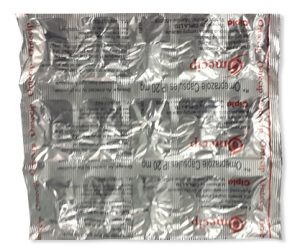
A small pill identifier image showing typical 20mg/40mg capsule packs and blister counts assists recognition at point of receipt.
Provide alt text like “Omeprazole 20mg delayed‑release capsule 14 count blister” and use SVG for charts plus PNG for product photos for accessibility.
Buying & Storage Advice
In‑Store Vs Online Purchase Tips In Australia
How should Australians choose where to buy acimax or omeprazole?
Verify the active ingredient reads omeprazole and confirm pack size and expiry before purchase.
Prefer suppliers listed with the TGA and use pharmacy‑run telehealth prescriptions for safe fulfilment.
Avoid unknown overseas sellers, and be cautious with private labels that do not show clear manufacturer or ARTG details.
In our online pharmacy, acimax is available without a prescription, with discreet delivery to Australia in 9–21 days.
Storage In Australian Household Conditions
What’s best practice for storing omeprazole at home?
Store at room temperature between 20–25°C, protect from moisture and light and keep in the original packaging.
Do not refrigerate suspension packets and avoid opening delayed‑release capsules unless instructions permit.
In tropical or humid zones, keep packs in sealed containers away from bathroom steam and direct sunlight.
Guidelines For Proper Use
Pharmacist Guidance In Australia
How should pharmacists counsel customers requesting acimax or omeprazole?
Confirm the indication and recommend a 20mg 14‑day OTC trial for uncomplicated heartburn when appropriate.
Counsel on timing (take before breakfast), interactions with clopidogrel and antivirals, and advise when to refer to a GP.
Document advice for repeat requests and review long‑term use carefully with the patient’s GP.
Patient Safety Recommendations
What safety steps reduce risk for patients on PPIs?
Advise patients not to repeat OTC courses more often than allowed and to discuss deprescribing with their GP if therapy has been long‑term.
Monitor magnesium and B12 where long‑term therapy is required and discuss fracture risk if other risk factors exist.
Provide a short patient handout that covers dosing limits (14 days OTC, one course per 4 months), contraindications and common adverse effects.
Delivery Across Australia
| City | Region | Delivery Time |
|---|---|---|
| Sydney | New South Wales | 9–14 days |
| Melbourne | Victoria | 9–14 days |
| Brisbane | Queensland | 9–14 days |
| Perth | Western Australia | 9–14 days |
| Adelaide | South Australia | 9–14 days |
| Canberra | Australian Capital Territory | 9–14 days |
| Hobart | Tasmania | 9–14 days |
| Darwin | Northern Territory | 9–14 days |
| Gold Coast | Queensland | 9–14 days |
| Newcastle | New South Wales | 9–14 days |
| Wollongong | New South Wales | 9–14 days |
| Geelong | Victoria | 9–14 days |
| Sunshine Coast | Queensland | 14–21 days |
| Townsville | Queensland | 14–21 days |