
Arthritis

Feldene
from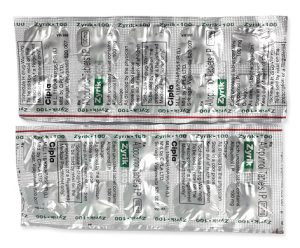
Zyloprim
from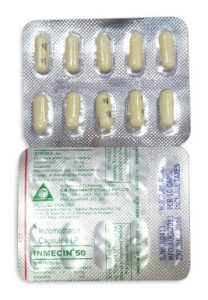
Indocid
from
Mobic
from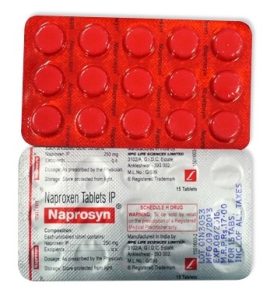
Naprosyn
from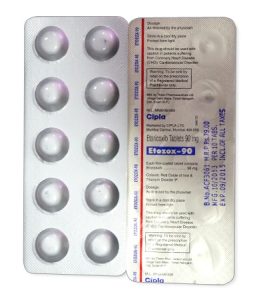
Arcoxia
from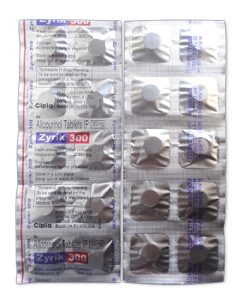
Allopurinol
from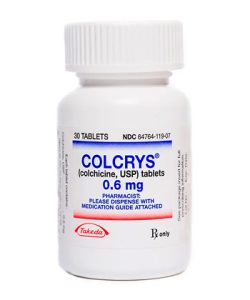
Lengout
from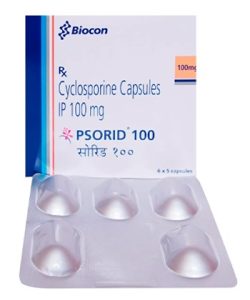
Neoral
from
Colchicine
fromUnderstanding Arthritis: Types and Causes
Arthritis is a common condition affecting millions of Australians, characterised by inflammation of the joints that causes pain, stiffness, and reduced mobility. There are over 100 different types of arthritis, but the most prevalent forms are osteoarthritis and rheumatoid arthritis.
Osteoarthritis develops when the protective cartilage in joints wears down over time, typically affecting older adults and those with repetitive joint stress. Rheumatoid arthritis is an autoimmune condition where the body’s immune system attacks joint linings, causing inflammation and damage. Other notable types include gout, lupus-related arthritis, and ankylosing spondylitis.
Understanding your specific type of arthritis is crucial for effective treatment and management. Risk factors include age, family history, previous injuries, obesity, and certain lifestyle factors. Your pharmacist or doctor can help identify which type you may have and recommend appropriate management strategies.
Pain Relief and Anti-Inflammatory Medications
Pain relief is often the first step in managing arthritis symptoms. Non-prescription options available in Australian pharmacies include paracetamol, which helps reduce pain without addressing inflammation directly. Ibuprofen and naproxen are non-steroidal anti-inflammatory drugs (NSAIDs) that reduce both pain and swelling.
Popular NSAID brands available over the counter include Nurofen, Advil, and various generic ibuprofen options. These medications work by blocking prostaglandins, which are chemicals in the body that cause inflammation and pain. For stronger pain management, prescription NSAIDs like meloxicam and indomethacin may be recommended by your doctor.
Topical creams and gels containing NSAIDs, such as diclofenac gels, provide localised relief directly to affected joints. These can be particularly useful for arthritis in the hands, knees, and other easily accessible areas. Always follow dosage instructions carefully and discuss any existing health conditions with your pharmacist before starting pain relief medication.
Disease-Modifying Antirheumatic Drugs (DMARDs)
For rheumatoid arthritis and other inflammatory types, disease-modifying antirheumatic drugs can slow disease progression and prevent joint damage. These prescription medications work by suppressing the immune system’s inflammatory response and are essential for long-term management.
Common DMARDs available in Australia include methotrexate, which is often considered a first-line treatment for rheumatoid arthritis. Sulfasalazine and leflunomide are alternative options that may be prescribed depending on individual circumstances and tolerability. Biologic DMARDs represent a newer class of medications that target specific parts of the immune system, including:
- TNF inhibitors such as adalimumab (Humira), etanercept (Enbrel), and infliximab (Remicade)
- Other biologics including rituximab and abatacept
- Janus kinase inhibitors such as baricitinib and tofacitinib, which offer an oral alternative to injectable therapies
Biologic medications are typically reserved for moderate to severe cases or when conventional DMARDs prove insufficient. All DMARD treatments require regular monitoring through blood tests to ensure safety and effectiveness. Your rheumatologist will determine the most appropriate DMARD based on your condition severity, overall health, and previous treatment responses.
Corticosteroids and Adjunctive Treatments
Corticosteroids like prednisone and prednisolone are frequently prescribed to manage inflammation and provide short-term relief during arthritis flare-ups. These powerful anti-inflammatory medications work by suppressing the immune system’s response. Corticosteroids can be taken orally or injected directly into affected joints for targeted relief. Intra-articular injections using corticosteroids are particularly effective for localised joint inflammation. However, long-term corticosteroid use carries risks of side effects, so they’re typically used at the lowest effective dose for the shortest duration necessary.
Hyaluronic acid injections, also available in Australia, provide joint lubrication and may reduce pain in osteoarthritis, particularly in the knee. These injections work by restoring the viscosity of synovial fluid within the joint. Platelet-rich plasma therapy is an emerging treatment gaining popularity amongst Australian patients seeking alternative approaches.
Vitamin supplements, particularly glucosamine and chondroitin, are commonly purchased over the counter. Whilst evidence for their effectiveness is mixed, many Australians report subjective improvement in joint comfort and mobility. Fish oil supplements containing omega-3 fatty acids may also help reduce inflammation and are widely available throughout Australian pharmacies.
Lifestyle Management and Complementary Approaches
Effective arthritis management extends beyond medication to include lifestyle modifications that significantly impact symptom severity and quality of life. Regular physical activity, tailored to individual capabilities, helps maintain joint flexibility and strengthens supporting muscles. Low-impact exercises such as swimming, water aerobics, and walking are particularly beneficial for arthritis sufferers, as these activities build strength without placing excessive stress on affected joints.
Physiotherapy and occupational therapy can provide personalised exercise programs and strategies for managing daily activities with reduced joint stress. Weight management is crucial, as excess body weight increases stress on weight-bearing joints and intensifies inflammation. A balanced diet rich in anti-inflammatory foods, including fatty fish, berries, leafy greens, and nuts, may help reduce arthritis symptoms.
Heat and cold therapy provide temporary relief—heat relaxes muscles and improves flexibility, whilst cold reduces swelling and numbs pain. Many Australians find benefit in complementary therapies such as acupuncture, massage, and herbal remedies. Turmeric and ginger supplements are popular natural anti-inflammatory options. However, always inform your pharmacist or doctor about any complementary treatments you’re considering, as some may interact with prescribed medications.
When to See Your Pharmacist or Doctor
Your local pharmacy is an excellent first point of contact for arthritis management advice and medication selection. Pharmacists can recommend appropriate over-the-counter pain relief options and advise on proper usage, interactions with other medications, and potential side effects. Seek medical attention if you experience joint pain lasting more than six weeks, as this may indicate a condition requiring specific treatment.
Sudden onset of swelling in multiple joints, persistent morning stiffness exceeding thirty minutes, or systemic symptoms like fever warrant professional evaluation. If over-the-counter pain relief proves insufficient, your GP can refer you to a rheumatologist for comprehensive assessment and prescription medication options. Regular follow-up appointments ensure your treatment plan remains effective and adjusted as needed.
Keeping detailed records of your symptoms, what triggers flare-ups, and which treatments provide relief helps healthcare professionals tailor your management. Australian pharmacists can also discuss practical considerations such as medication storage, reminder systems for taking regular medications, and how to access subsidised medications through the Pharmaceutical Benefits Scheme (PBS) for eligible conditions and treatments.