
Antifungals

Vfend
from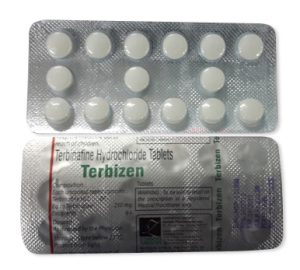
Terbinafine
from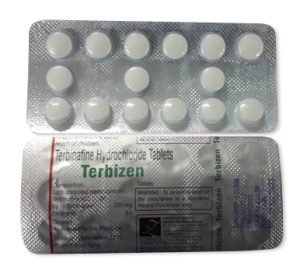
Tamsil
from
Diflucan
from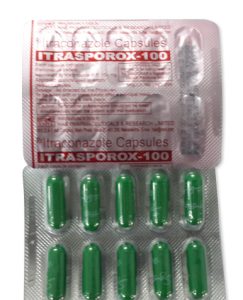
Itraconazole
from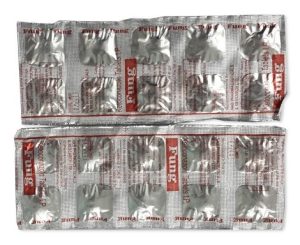
Nizoral
from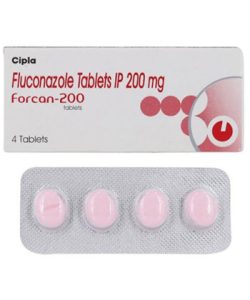
Fluconazole
from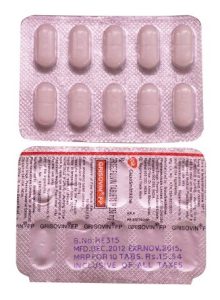
Grifulvin
from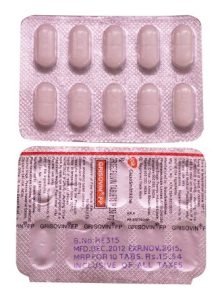
Griseofulvin
from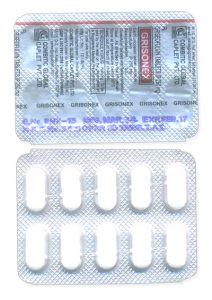
Grifulvin V
from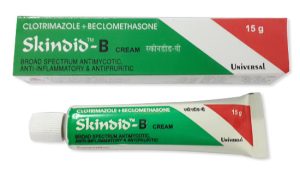
Lotrisone
from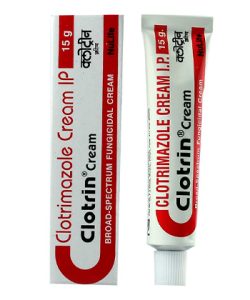
Clotrimazole
fromUnderstanding Fungal Infections
Fungal infections affect millions of Australians each year, ranging from minor skin conditions to more serious systemic infections. These infections occur when fungi enter the body through the skin, lungs, or other entry points and begin to multiply. The warm and often humid Australian climate creates ideal conditions for fungal growth, making these infections particularly common in our country.
Fungal infections can affect different parts of the body including the skin, nails, mouth, and internal organs. Common types include athlete’s foot, candidiasis (thrush), ringworm, and nail fungus. Some people are more susceptible to fungal infections due to weakened immune systems, diabetes, or prolonged antibiotic use. Understanding what causes these infections is the first step towards effective treatment and prevention.
Antifungal medications work by either killing the fungus or stopping its growth. They function by disrupting the fungal cell wall or interfering with essential fungal processes. Different antifungals work in different ways, which is why your healthcare provider may recommend specific medications based on the type and severity of your infection.
Topical Antifungals for Skin and Nail Infections
Topical antifungals are creams, lotions, powders, and ointments applied directly to affected skin areas. These are often the first line of treatment for superficial fungal infections and are widely available in Australian pharmacies. Topical treatments are generally safe with minimal side effects since they work locally on the affected area rather than throughout the entire body.
Common topical antifungals available in Australia include:
- Clotrimazole cream – particularly popular for treating athlete’s foot and other skin infections, typically applied two to three times daily
- Miconazole – an effective option suitable for various fungal skin conditions and available as both cream and powder formulations
- Terbinafine cream – commonly used for skin infections and nail conditions
- Tolnaftate – another reliable option for superficial fungal infections
For nail infections, topical treatments may take several months to show results as the medication must penetrate the nail bed. Terbinafine cream and amorolfine nail lacquer are commonly prescribed options in Australia. Amorolfine is applied as a weekly treatment directly to the affected nail, gradually replacing the infected nail with healthy growth. These topical nail treatments require patience and consistency, often taking six to twelve months for complete resolution.
Most topical antifungals should be applied thinly to clean, dry skin and continued for one to two weeks after symptoms disappear to prevent recurrence. It’s important to follow the instructions provided with each product, as application frequency and duration vary. If topical treatment doesn’t improve your symptoms within two weeks, or if the infection worsens, consult your healthcare provider for alternative options.
Oral Antifungals for Systemic Infections
Oral antifungal medications are systemic treatments taken by mouth to treat infections throughout the body or more severe superficial infections that haven’t responded to topical treatments. These medications are absorbed into the bloodstream and circulate throughout your system, making them effective for widespread or deep fungal infections. Oral antifungals require a prescription in Australia and should only be used under medical supervision.
Fluconazole is one of the most commonly prescribed oral antifungals in Australia, particularly for treating candidiasis and other yeast infections. It’s available in tablet form and is often prescribed as a single dose for uncomplicated thrush infections. Itraconazole is another popular option, used for treating various fungal infections including nail fungus, typically taken as a pulse therapy over several weeks or months.
Terbinafine tablets are frequently prescribed for fungal nail infections and are taken daily for six to twelve weeks depending on which nails are affected. Ketoconazole is an older oral antifungal still used in Australia for specific fungal infections, though it’s used less frequently now due to potential side effects. Voriconazole is a more recent antifungal reserved for serious systemic infections and is typically administered in hospital settings.
Oral antifungals can take several weeks or months to completely eliminate an infection, and it’s crucial to complete the full course as prescribed even if symptoms improve. Some oral antifungals can interact with other medications or cause side effects, so always inform your doctor about any other medicines you’re taking. Regular monitoring may be necessary during treatment with certain oral antifungals to ensure they’re working effectively and not causing harm.
Antifungal Treatments for Thrush and Candidiasis
Thrush is a common fungal infection caused by Candida albicans, affecting the mouth, throat, or genital areas. Oral thrush is particularly common in people taking antibiotics, those with weakened immunity, or those wearing dentures. Genital thrush is very common in Australian women and can be treated effectively with appropriate antifungal medications available from pharmacies.
For oral thrush, topical antifungals like miconazole oral gel are applied directly to affected areas inside the mouth. Nystatin suspension is another popular choice, particularly for mouth thrush, swished around the mouth before swallowing. These topical treatments work directly on the affected areas and are generally very effective for mild to moderate oral thrush.
Vaginal candidiasis can be treated with various topical options available without prescription in Australian pharmacies. Clotrimazole vaginal cream and pessaries are widely used, with most treatments requiring application for three to seven days. Miconazole vaginal cream and pessaries are similarly effective alternatives. These products are specifically formulated for vaginal use and provide rapid relief from itching and discomfort.
For more severe or recurrent thrush, oral fluconazole is prescribed by doctors as a single dose or short course. This is particularly helpful for thrush that doesn’t respond to topical treatments or for people with recurrent infections. Men with genital candidiasis may be prescribed topical clotrimazole cream or oral fluconazole depending on severity. Preventive measures like wearing cotton underwear, avoiding irritants, and maintaining good hygiene can help reduce thrush recurrence in Australian women and men.
Prevention and Management of Fungal Infections
Preventing fungal infections is often easier than treating them, particularly in Australia’s warm climate. Keep skin clean and dry, especially in areas prone to sweating such as between toes, under arms, and skin folds. Wearing breathable clothing and choosing natural fabrics helps reduce moisture and creates a less hospitable environment for fungal growth. In communal areas like pools and gyms, wearing appropriate footwear prevents direct contact with contaminated surfaces.
People with diabetes should be especially vigilant about fungal infection prevention, as high blood sugar levels create ideal conditions for fungal growth. Regular skin inspection for early signs of infection allows for prompt treatment before infections become severe. Maintaining good nail hygiene by keeping nails trimmed short and clean also helps prevent fungal nail infections.
If you’re prone to recurrent thrush, avoiding tight clothing, scented products, and excessive douching helps maintain the natural balance of your body’s flora. For athletes and sports enthusiasts in Australia, changing out of damp clothing quickly and keeping sports equipment clean reduces fungal infection risk. Those taking antibiotics should be aware that these can disrupt protective bacteria, increasing thrush risk.
Early treatment of any suspected fungal infection prevents spread and reduces treatment duration. Most fungal infections respond well to available Australian treatments when caught early. If infections recur frequently despite appropriate treatment, consult your healthcare provider to investigate underlying causes such as immune system issues or diabetes that may require additional management alongside antifungal therapy.
When to See Your Doctor About Fungal Infections
While many mild fungal infections can be managed with over-the-counter topical treatments, certain situations warrant professional medical advice. If symptoms don’t improve within two weeks of starting treatment, or if the infection spreads or worsens, contact your doctor. Severe infections, infections affecting large areas of skin, or those involving nails typically benefit from professional assessment and prescription treatments.
People with compromised immune systems, whether from HIV, cancer treatment, or immunosuppressive medications, should always consult their doctor for fungal infections. Pregnant women should discuss antifungal treatment options with their healthcare provider, as some medications are safer than others during pregnancy. Elderly people and those with multiple health conditions should seek professional advice to ensure antifungal treatments don’t interact with their existing medications.
Recurrent fungal infections, particularly thrush occurring more than four times yearly, suggest an underlying issue requiring investigation. Your doctor may recommend blood tests or other investigations to identify causes like diabetes or immune system disorders. Nail infections lasting longer than three months or affecting multiple nails often benefit from professional treatment and monitoring to ensure the medication is working effectively.
Australian pharmacists are excellent resources for antifungal advice, able to recommend appropriate over-the-counter treatments for mild infections and advising when medical consultation is necessary. They can also provide guidance on proper application techniques for topical medications and discuss potential interactions with your other medicines. Don’t hesitate to ask your healthcare provider or pharmacist questions about your antifungal treatment to ensure you’re using it correctly and safely for the best possible outcome.