Clotrimazole
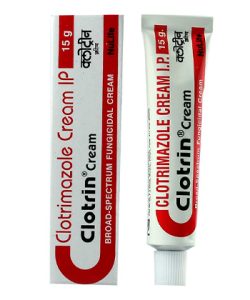
In brief
- In our pharmacy, you can buy clotrimazole without a prescription (OTC) with delivery across Australia; discreet and anonymous packaging is available.
- Clotrimazole is an antifungal (an imidazole derivative) used to treat skin and mucosal fungal infections such as athlete’s foot, ringworm, jock itch and vulvovaginal candidiasis; it works by inhibiting fungal 14α‑demethylase, disrupting ergosterol synthesis and damaging the fungal cell membrane.
- Usual dosages: topical 1% cream applied 2–3 times daily for 2–4 weeks (continue at least 2 weeks after symptoms resolve); vulvovaginal options include 100 mg vaginal tablet nightly for 6 nights or a single 500 mg tablet; oropharyngeal lozenge (where available) 10 mg to dissolve 5 times daily for about 14 days.
- Forms of administration include topical (cream, lotion, solution, powder), vaginal (tablets/ovules), and oral lozenges for oropharyngeal use.
- Onset time: symptom relief is often noticed within a few days for topical/vaginal use, with some improvement in 24–72 hours for vaginal preparations; full clearance may take longer depending on infection severity.
- Duration of action: treatment courses typically run 2–4 weeks for skin infections (continue after symptoms resolve), 1–6 days for vaginal single-dose or short-course regimens, and up to 14 days for oral lozenges; the antifungal effect persists while the medicine is used as directed.
- Alcohol warning: there is no specific interaction with alcohol for topical or vaginal clotrimazole, but avoid excessive alcohol if unwell or if taking systemic antifungals; consult your healthcare provider if a systemic form is prescribed.
- The most common side effect is local irritation (burning, itching, redness), with vaginal use sometimes causing pelvic cramps or vaginal discomfort.
- Would you like to try clotrimazole without a prescription?
Availability & Price Landscape
- INN (International Nonproprietary Name): Clotrimazole
- Brand Names Available In Australia: not specified
- ATC Code: D01AC01 (topical), G01AF02 (vaginal)
- Forms & Dosages: Cream 1%–2%; Vaginal tablet/pessary 100 mg and 500 mg; Solution 1%; Lotion 1%; Powder 1%
- Manufacturers In Australia: not specified
- Registration Status In Australia: not specified
- OTC / Rx Classification: 1% topical creams, solutions and dusting powders are generally OTC; vaginal tablets or higher‑strength/combination products may be Rx depending on formulation and regulation
National Pharmacy Chains (Chemist Warehouse, Priceline, TerryWhite)
Are you wondering which shop will have the tube or pessary you need on the shelf tonight?
Chemist Warehouse, Priceline and TerryWhite Chemmart commonly stock topical clotrimazole products such as 1% cream, powders and lotions.
These chains also frequently sell vaginal clotrimazole options including single‑use pessaries and branded packs like Canesten where available internationally.
Discount chains often carry private‑label generics and multi‑pack offers that make clotrimazole cream and clotrimazole 1% choices cheaper for cost‑sensitive shoppers.
Pharmacists at regional TerryWhite stores regularly advise on applicator types and formulation differences when customers ask about Canesten cream or a clotrimazole pessary.
Online Pharmacy Trends In Australia
Is it safe and quick to buy clotrimazole online?
There has been strong growth in e‑pharmacy purchases and click‑and‑collect services across Australia.
Telehealth visits with e‑prescriptions feed directly into online pharmacy checkouts for prescription‑only antifungal products when needed.
Many online sellers list both branded Canesten items and generic clotrimazole cream or 100 mg pessaries for straightforward comparison shopping.
Customers value fast delivery, clear product images and price comparisons when choosing between Canesten antifungal cream and generic clotrimazole cream.
Price Ranges By Package Size (PBS Vs Private)
How much should you expect to pay out of pocket for common OTC clotrimazole items?
| Product Type | Typical Package | Usual Price Range (AUD) |
|---|---|---|
| Topical Clotrimazole Cream 1% | 15–30 g tube | AU$5–20 |
| Clotrimazole Powder / Lotion 1% | 50 g / 50 mL | AU$6–18 |
| Vaginal Pessary 100 mg (6 nights) | Multi‑pack | AU$8–25 |
| Vaginal Tablet/Pessary 500 mg (single dose) | Single dose | AU$10–25 |
Most topical 1% creams and 100 mg pessaries are sold OTC and are not standard PBS items, so prices vary by retailer and brand.
Patient Insights & Satisfaction Levels
Forum Reviews (ProductReview, Aussie Health Forums)
What do real Australians say about clotrimazole products online?
- Rapid Itch Relief: Many report itch and redness easing within 48–72 hours after starting clotrimazole cream.
- Vaginal Effectiveness: Canesten pessaries and single‑dose 500 mg tablets get positive mentions for uncomplicated thrush.
- Recurrence: Threads frequently note recurrence after initial improvement, especially for fungal skin infections.
- Course Length Confusion: Users sometimes stop early and later post that symptoms returned.
- Brand Variability: Some patients report subtle differences between branded Canesten and generic clotrimazole cream in texture or applicator convenience.
Reported Benefits And Issues From Australian Patients
Which benefits and issues come up most often in reviews?
- Benefits: Affordable OTC access, clear application instructions, fast itch reduction with clotrimazole cream.
- Issues: Local irritation such as burning or stinging reported in a minority of users.
- Comparative Effectiveness: Some patients feel terbinafine products cleared athlete’s foot faster than clotrimazole.
- Rural Access: Rural patients rely on pharmacist advice and telehealth for choice of clotrimazole pessary or cream.
- Price Sensitivity: Generic clotrimazole cream is often chosen over Canesten cream to save money.
Average user experience on public review sites tends to be 3–4 stars for clotrimazole products depending on the indication and product format.
Product Overview & Brand Variants
INN And Brand Names In Australia
Which names will you find on the shelf for the same active ingredient?
| INN | Brand Examples | Common Strengths |
|---|---|---|
| Clotrimazole | Canesten, Lotrimin, Clotrimaderm (examples from international listings) | 1% cream; 100 mg and 500 mg vaginal tablets |
The International Nonproprietary Name remains clotrimazole across brands, so a Canesten cream and a generic clotrimazole cream share the same active drug.
Legal Classification (TGA‑Approved)
Is clotrimazole approved and where does it sit legally?
- ATC Codes: D01AC01 for topical use and G01AF02 for vaginal use.
- Classification: Antifungal, imidazole derivative; many 1% topical formulations and common vaginal products are TGA‑approved and typically sold OTC.
- Prescription Caveats: Some higher‑strength or combination formulations may be prescription‑only depending on formulation.
Indications In Local Medical Practice
Approved Uses By TGA
What conditions is clotrimazole routinely used to treat?
Clotrimazole is commonly used for superficial dermatophyte infections such as tinea pedis (athlete’s foot), tinea corporis (ringworm) and tinea cruris (jock itch).
Cutaneous candidiasis and uncomplicated vulvovaginal candidiasis are also established indications for topical or vaginal clotrimazole preparations.
Off‑Label Patterns In Australian Clinics
Do clinicians ever use clotrimazole outside the usual indications?
- Adjunctive use in minor mixed infections when a fungal component is suspected, under clinical supervision.
- Combination therapy with topical corticosteroid for inflamed fungal lesions in short courses under guidance.
- Limited use of lozenge formulations for oropharyngeal candidiasis where available, although this is less common in Australian practice.
Typical durations follow standard dosing: 2–4 weeks for topical tinea, and single 500 mg or 6‑night 100 mg regimens for vulvovaginal candidiasis depending on product choice.
How It Works In The Body
Layman’s Explanation
How does clotrimazole stop the itch and redness?
Clotrimazole is an imidazole antifungal that works locally to weaken fungal cell membranes.
It stops fungi making ergosterol, an essential membrane component, which leaves the fungal cell unstable and unable to survive.
Topical and vaginal use delivers high local drug levels with minimal absorption into the bloodstream.
Clinical Detail
What is the precise mechanism at molecular level?
Clotrimazole inhibits the fungal cytochrome P450 enzyme lanosterol 14‑α‑demethylase, disrupting ergosterol synthesis and damaging membrane integrity.
Its ATC classification is D01AC01 for dermatological use and G01AF02 for gynecological use, reflecting its pharmacological group.
Dosage & Administration
Standard Regimens
| Indication | Formulation | Regimen / Duration |
|---|---|---|
| Tinea (athlete’s foot, ringworm, jock itch) | Topical 1% cream | Apply 2–3 times daily for 2–4 weeks; continue at least 2 weeks after symptoms resolve |
| Vulvovaginal Candidiasis | Vaginal tablet/pessary 100 mg or 500 mg | 100 mg nightly for 6 nights or single 500 mg dose depending on product |
| Oropharyngeal Candidiasis | Lozenge 10 mg (where available) | Dissolve 5 times daily for 14 days or at least 48 hours after symptoms resolve |
Adjustments By Patient Type (Elderly, Chronic Conditions)
Do doses need adjusting for age or liver disease?
- Children: topical use under supervision; vaginal or oral forms generally avoided in young children unless specifically prescribed.
- Elderly: no routine dose adjustments; monitor for skin sensitivity.
- Liver Disease: avoid systemic oral clotrimazole in severe hepatic impairment; topical and vaginal routes require no standard adjustment.
Contraindications & Side Effects
Common
Who should not use clotrimazole?
Absolute contraindication is known hypersensitivity to clotrimazole or other imidazole antifungals.
Never use clotrimazole in the eyes or for ophthalmic purposes.
Common adverse effects include local skin irritation, burning, redness, itching, peeling or rash with topical use.
Vaginal products can cause transient pelvic cramps, local burning or vaginal discharge in some users.
Rare But Serious (Australian Safety Data)
When should someone stop treatment and see a clinician?
- Stop and seek medical review for severe hypersensitivity signs such as widespread rash, blistering or breathing difficulty.
- Seek review if severe dermatitis develops or infection worsens despite appropriate use.
- Report adverse events to the Therapeutic Goods Administration (TGA) as advised by your pharmacist or GP.
Comparable Medicines
Alternatives Table (PBS And Non‑PBS)
| Active | Typical Indication | PBS Status | Pros/Cons |
|---|---|---|---|
| Miconazole | Vaginal thrush; topical skin fungus | Generally OTC for topical forms | Good for yeast infections; similar local side effects to clotrimazole |
| Terbinafine | Dermatophyte infections (athlete’s foot, ringworm) | Topical OTC; some oral forms Rx | Often more rapid cure for dermatophytes but may be prescription for systemic use |
| Econazole / Ketoconazole | Superficial fungal infections | Varies by formulation | Alternative imidazoles with similar profiles; ketoconazole systemic use limited by safety |
Pros And Cons List
How does clotrimazole compare in practice?
- Pros: Broad antifungal activity against yeasts and some dermatophytes, multiple over‑the‑counter formulations such as cream, powder and pessary, widely available.
- Cons: May be less potent than terbinafine for some dermatophyte skin infections and recurrence is possible; choice depends on pathogen, site and patient preference.
Current Research & Trends
Major Studies 2022–2025 (Australia + International)
What are recent research focuses for antifungal care?
Recent trials and reviews look at recurrence management for vulvovaginal candidiasis and the role of topical versus systemic therapy.
Antifungal resistance surveillance for Candida species has been an active research area internationally.
Combination therapies pairing antifungal agents with short courses of corticosteroid have been studied for inflamed fungal infections under dermatological guidance.
Australian work has examined community prescribing patterns and the effect of OTC antifungal availability on antimicrobial stewardship.
Practice Trends
How is clinical practice evolving in Australia?
Sustained OTC demand continues for clotrimazole products, with telehealth bridging access gaps for recurrent or complex infections.
There is growing interest in rapid, point‑of‑care diagnostics to distinguish bacterial, viral and fungal causes of vaginal symptoms and reduce inappropriate antifungal use.
Common Patient Questions
Q: How long until symptoms improve?
A: Many patients see itch relief within 48–72 hours; full clearance varies by indication and can take 1–4 weeks for skin infections.
Q: Can I use clotrimazole in pregnancy?
A: Topical and vaginal clotrimazole products are generally considered safe in pregnancy, but patients should check with their GP or pharmacist before use.
Q: Is one brand better?
A: The active ingredient is the same — clotrimazole — but formulation, applicator and excipients differ; price and availability often guide brand choice.
Q: When should I see a doctor?
A: See a GP if there is no improvement after the recommended course, if you get severe reactions, if infections recur frequently, or if symptoms are unusual.
Regulatory Status
TGA Approval
Is clotrimazole approved in Australia?
Topical 1% clotrimazole and many vaginal formulations are TGA‑approved for their specified indications and are commonly available OTC.
Major manufacturers listed internationally include Bayer (Canesten) and multiple generic suppliers, though specific Australian manufacturers were not specified in the data provided.
PBS Subsidy Details
Will clotrimazole be subsidised under the PBS?
Standard topical clotrimazole creams and single‑use pessaries are generally not PBS‑subsidised for uncomplicated infections.
Patients should check current PBS schedules and ask a pharmacist about lower‑cost generics or multi‑buy promotions to reduce out‑of‑pocket costs.
Visual Recommendations
What visuals help customers choose the right product on a product page?
Include a PBS/pricing comparison chart showing branded Canesten versus generic clotrimazole cream prices for quick reference.
Use a dosing flowchart mapping symptom → product choice → duration → “see GP” decision box to guide users.
Display ingredient and warning icons including ATC code, contraindications and simple storage advice (store below 25°C).
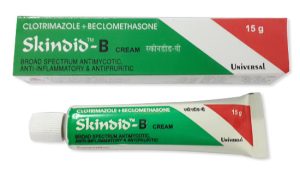
Add clear packaging photos, an applicator diagram for pessaries and symptom‑to‑product matching tiles to speed decision making.
Buying & Storage Advice
In‑Store Vs Online Purchase Tips In Australia
Should I buy in store or online?
- In‑store: Ask pharmacists at Chemist Warehouse, Priceline or TerryWhite Chemmart about brand differences, applicator types and whether a 100 mg or 500 mg pessary suits your needs.
- Online: Prefer sites that show clear product images and ingredient lists, publish pharmacist contact details and have transparent return policies.
- Telehealth: Use telehealth e‑prescriptions for any prescription‑only antifungal products and choose a reputable e‑pharmacy for fulfillment.
- Purchase Note: In our online pharmacy, clotrimazole is available without a prescription, with discreet delivery to Australia in 9‑21 days.
Storage In Australian Household Conditions (Heat/Humidity)
How should clotrimazole be stored at home?
Store clotrimazole products below 25°C, away from moisture and direct sunlight, and keep containers tightly closed in original packaging.
Do not freeze creams or lotions and avoid leaving tubes in hot cars during summer as heat can affect consistency and applicator performance.
Guidelines For Proper Use
Pharmacist Guidance In Australia
What will a pharmacist advise when you buy clotrimazole?
- Confirm the indication to ensure clotrimazole is appropriate for athlete’s foot, ringworm or vaginal thrush.
- Recommend formulation (cream vs pessary) based on symptoms and site.
- Explain correct application technique and emphasise completing the recommended course, especially for tinea where continuation two weeks after symptom resolution reduces recurrence.
- Advise when to refer to a GP for recurrent, severe or atypical infections.
Patient Safety Recommendations
How can patients use clotrimazole safely?
Do not apply to the eyes; stop treatment and seek medical help if severe hypersensitivity occurs.
Pregnant or breastfeeding patients should check with their clinician before use despite general topical safety.
Report adverse events to the TGA and seek review if there is no improvement within the expected timeframe or frequent recurrences occur.
Reinforce hygiene: keep feet dry, change socks often, avoid tight synthetic clothing and wash bedding during treatment to reduce reinfection risk.
Delivery Across Australia
| City | Region | Delivery Time |
|---|---|---|
| Sydney | New South Wales | 9-14 days |
| Melbourne | Victoria | 9-14 days |
| Brisbane | Queensland | 9-14 days |
| Perth | Western Australia | 9-14 days |
| Adelaide | South Australia | 9-14 days |
| Canberra | Australian Capital Territory | 9-14 days |
| Hobart | Tasmania | 9-14 days |
| Darwin | Northern Territory | 9-14 days |
| Gold Coast | Queensland | 9-14 days |
| Newcastle | New South Wales | 9-14 days |
| Wollongong | New South Wales | 9-14 days |
| Geelong | Victoria | 9-14 days |
| Cairns | Queensland | 14-21 days |
| Townsville | Queensland | 14-21 days |