
Mental Disorders

Topiramate
from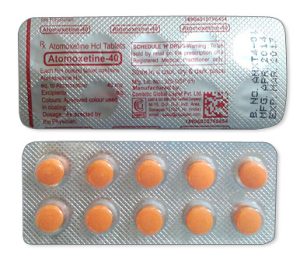
Strattera
from
Clopine
from
Anafranil
from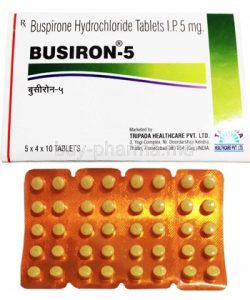
Buspirone
from
Buspar
from
Lithicarb
from
Lithium
from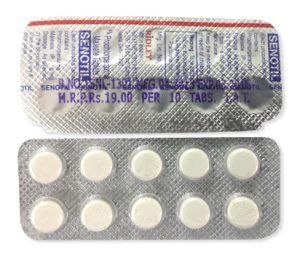
Compazine
from
Largactil
from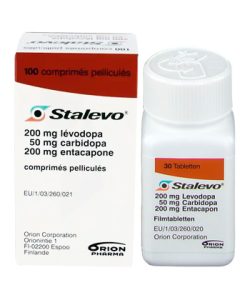
Stalevo
fromDepression
Depression is a common mental health condition characterised by persistent feelings of sadness, hopelessness, and loss of interest in activities. It affects millions of Australians and can significantly impact daily functioning, work performance, and relationships. Understanding depression and seeking appropriate treatment is essential for recovery and improving quality of life.
What Depression Is Used For
Treatment addresses symptoms including low mood, fatigue, difficulty concentrating, and sleep disturbances. Antidepressant medications work by balancing neurotransmitters in the brain that regulate mood and emotion. When these chemical messengers function properly, individuals experience improved mood stability and emotional resilience.
Available Medications in Australia
Popular antidepressants include sertraline (Zoloft), citalopram (Cipramil), paroxetine (Aropax), and fluoxetine (Prozac). Other options include venlafaxine (Efexor), mirtazapine (Remeron), and tricyclic antidepressants like amitriptyline. These medications typically take 2-4 weeks to show effectiveness, and your GP may need to adjust doses or try different medications to find the best fit for your individual needs.
Additional Information
Depression often requires a combination approach for best results. Treatment typically includes:
- Antidepressant medication prescribed by your GP or psychiatrist
- Psychotherapy or counselling sessions
- Regular exercise and physical activity
- Adequate sleep and consistent sleep routines
- Maintaining social connections with friends and family
Consulting a GP or psychiatrist is essential for proper diagnosis and treatment planning. Regular exercise, adequate sleep, and maintaining social connections enhance treatment outcomes significantly.
Anxiety Disorders
Anxiety disorders encompass various conditions including generalised anxiety disorder, panic disorder, social anxiety, and specific phobias. These conditions cause excessive worry, fear, and physical symptoms that interfere with daily life and relationships. Anxiety disorders are highly treatable with appropriate medication and psychological support.
What Anxiety Disorders Are Used For
Medications help reduce excessive worry, panic attacks, racing thoughts, and physical symptoms like trembling and sweating. Treatment aims to restore normal functioning and improve quality of life by reducing the intensity and frequency of anxious episodes.
Available Medications in Australia
Selective serotonin reuptake inhibitors like sertraline and paroxetine are first-line treatments for anxiety disorders. Benzodiazepines including diazepam (Valium) and alprazolam (Xanax) provide short-term relief but carry dependency risks and are typically used for brief periods. Buspirone (Buspar) offers an alternative for generalised anxiety without dependency concerns. Beta-blockers like propranolol help manage physical symptoms such as racing heart and trembling.
Additional Information
Cognitive behavioural therapy complements medication effectively and helps individuals develop coping strategies. Relaxation techniques, mindfulness, and gradual exposure to feared situations support recovery. Lifestyle modifications including limiting caffeine and alcohol improve symptoms considerably. Healthcare providers recommend regular monitoring to adjust treatment as needed and ensure optimal outcomes.
Bipolar Disorder
Bipolar disorder involves alternating episodes of depression and mania or hypomania. During manic phases, individuals experience elevated mood, increased energy, and risky behaviour. Depressive episodes mirror major depression symptoms, creating a challenging cycle that requires specialist management.
What Bipolar Disorder Is Used For
Mood stabilising medications prevent extreme mood swings, reduce hospitalisation risk, and maintain stability. Treatment manages both depressive and manic symptoms to enable productive, stable living and protect individuals from making harmful decisions during episodes.
Available Medications in Australia
Lithium remains the gold standard mood stabiliser, requiring regular blood tests to monitor levels and ensure safety. Valproate (Depakote) and lamotrigine (Lamictal) are effective alternatives with different benefit profiles. Antipsychotics like olanzapine (Zyprexa), quetiapine (Seroquel), and aripiprazole (Abilify) manage acute symptoms. Combination therapy is often necessary to achieve optimal stability.
Additional Information
Bipolar disorder requires specialist psychiatrist care and ongoing monitoring for best outcomes. Key management strategies include:
- Regular mood monitoring and symptom tracking
- Consistent sleep routines and sleep regulation
- Avoiding alcohol and recreational drugs
- Maintaining regular medication compliance
- Psychoeducation to recognise early warning signs
- Attendance at support groups for peer understanding
Support groups provide valuable peer understanding and coping strategies for long-term management.
Attention-Deficit/Hyperactivity Disorder (ADHD)
ADHD is a neurodevelopmental disorder affecting attention, impulse control, and executive function in children and adults. Symptoms include difficulty concentrating, restlessness, impulsivity, and organisational challenges that impact academic and work performance. Early recognition and treatment can significantly improve life outcomes.
What ADHD Is Used For
Medications improve focus, attention span, impulse control, and task completion. Treatment helps individuals function more effectively at school, work, and in social situations, enabling them to reach their potential.
Available Medications in Australia
Methylphenidate (Ritalin) and dexamphetamine (Dexedrine) are stimulant medications providing rapid symptom relief. Extended-release formulations like Concerta offer all-day coverage without multiple daily doses. Atomoxetine (Strattera) is a non-stimulant alternative suitable for some individuals. Guanfacine (Intuniv) helps particularly with hyperactivity and impulsivity symptoms.
Additional Information
Comprehensive ADHD management includes behavioural strategies, structured environments, and organisational skills training. Regular GP reviews monitor medication effectiveness and side effects. Educational support and workplace adjustments enhance success. Family understanding and consistent routines support better outcomes for long-term management.
Obsessive-Compulsive Disorder (OCD)
OCD involves intrusive thoughts (obsessions) and repetitive behaviours (compulsions) that cause significant distress. Individuals recognise the irrationality but feel unable to resist, consuming considerable time and energy. OCD significantly impacts functioning and quality of life but responds well to treatment.
What OCD Is Used For
Medications reduce obsessive thoughts and compulsive urges, allowing individuals to function more normally. Treatment aims to decrease anxiety and restore control over thoughts and behaviours, reducing the time spent on compulsions.
Available Medications in Australia
SSRIs including fluoxetine, sertraline, and paroxetine are first-line treatments for OCD. Higher doses than depression treatment often prove necessary for effectiveness. Clomipramine (Anafranil), a tricyclic antidepressant, is particularly effective for OCD symptoms. Response typically requires 8-12 weeks of treatment before significant improvement occurs.
Additional Information
Cognitive behavioural therapy, particularly exposure and response prevention, forms essential treatment components. Mindfulness and acceptance techniques help manage intrusive thoughts. Support networks reduce isolation and shame associated with OCD. Specialist OCD psychologists provide specialised expertise and tailored treatment. Combining medication with therapy yields superior outcomes compared to either treatment alone.
Schizophrenia and Psychotic Disorders
Schizophrenia involves disrupted thinking processes, hallucinations, delusions, and reduced emotional expression. Psychotic disorders affect perception of reality, causing significant functional impairment and requiring professional support. Modern treatments have greatly improved outcomes and quality of life for individuals with these conditions.
What Schizophrenia Is Used For
Antipsychotic medications reduce hallucinations, delusions, disorganised thinking, and negative symptoms. Treatment enables better reality contact, improved functioning, and reduced hospitalisation risk, allowing individuals to maintain employment and relationships.
Available Medications in Australia
Typical antipsychotics like haloperidol (Haldol) have longer history but more side effects. Atypical antipsychotics including olanzapine, risperidone (Risperdal), quetiapine, and aripiprazole offer improved tolerability. Paliperidone (Invega) and lurasidone (Latuda) represent newer options. Long-acting depot injections improve medication adherence for individuals who struggle with daily tablet regimens.
Additional Information
Schizophrenia requires specialist psychiatric care and ongoing monitoring for optimal management. Psychosocial interventions, family therapy, and rehabilitation support recovery and integration into community life. Managing side effects improves medication compliance. Regular physical health monitoring is essential as antipsychotics affect metabolic health. Recovery-oriented approaches emphasise hope, goals, and community integration. Strong family and social support significantly improves outcomes for long-term success.