Topiramate
In brief
- In Australia and most countries topiramate is a prescription‑only medicine and should be dispensed by a pharmacy only with a valid prescription from a doctor; it is not legally supplied without a prescription.
- Topiramate is an antiepileptic and migraine prophylaxis medicine (sulfamate‑substituted monosaccharide) that modulates voltage‑dependent sodium channels, enhances GABA activity, antagonises AMPA/kainate glutamate receptors and inhibits carbonic anhydrase.
- Usual dosage: start low (often 25–50 mg/day) and titrate over weeks; common maintenance doses are 100–200 mg/day depending on indication and tolerability (typical migraine dosing 50–100 mg/day; total daily doses can range up to 400 mg in some regimens under specialist supervision).
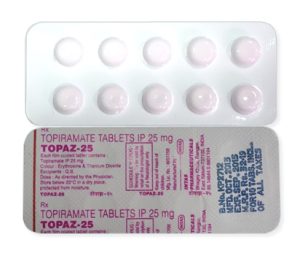
- Forms of administration are oral only: immediate‑release tablets (25, 50, 100, 200 mg), sprinkle capsules (e.g. 15, 25 mg), extended‑release capsules and an oral solution.
- Onset time: peak plasma levels occur about 2–4 hours after an oral dose; some anticonvulsant effects may begin within hours to days, but migraine prophylaxis and full clinical benefit can take several weeks of treatment.
- Duration of action: the elimination half‑life in adults is around 20–30 hours, allowing once‑ or twice‑daily dosing; extended‑release products are designed to provide roughly 24‑hour coverage.
- Alcohol warning: avoid or limit alcohol while taking topiramate — alcohol increases drowsiness, dizziness and cognitive impairment and may increase seizure risk.
- The most common side effect is paraesthesia (tingling); other frequent adverse effects include fatigue, dizziness, cognitive slowing/word‑finding difficulties, weight loss, taste disturbances and mood changes.
- Would you like to try topiramate without a prescription?
Availability & Price Landscape
Basic Topiramate Information
- INN (International Nonproprietary Name): Topiramate
- Brand Names Available In Australia: not specified
- ATC Code: N03AX11; A08AA51
- Forms & Dosages: Immediate‑release tablets (25 mg, 50 mg, 100 mg, 200 mg); sprinkle capsules (15 mg, 25 mg); extended‑release formulations and oral solution reported internationally.
- Manufacturers In Australia: not specified
- Registration Status In Australia: Prescription‑only (Rx); Pregnancy risk AU category D
- OTC / Rx Classification: Prescription‑only (Rx)
Where can I buy topiramate at the best price and how long will it take to arrive?
Patients in Australia usually get a prescription and source topiramate from national chains such as Chemist Warehouse, Priceline and TerryWhite Chemmart, or from telehealth and online pharmacies that accept e‑prescriptions.
Urban shoppers often favour discount chains for lower private prices and same‑day pickup options.
Rural and remote patients commonly depend on regional pharmacies that may have variable stock and longer shipping lead times.
Private purchase costs vary by brand, strength and pack size, with extended‑release or sprinkle formulations tending to cost more than basic generics.
The PBS subsidy status can change by formulation and indication, so many customers check the PBS schedule or ask the dispensing pharmacist before paying.
For online product pages display pack sizes and exact strengths (25 mg, 50 mg, 100 mg, 200 mg), brand versus generic pricing, and postage/dispense fees.
A clear price comparison table (store vs online vs PBS), chain‑specific buying tips and a visual price band indicator help patients decide quickly.
Tip: always confirm PBS eligibility and any authority code with your prescriber to avoid unexpected costs at the counter.
Patient Insights & Satisfaction Levels
Forum Reviews
What do Australians say about topiramate on consumer sites and health forums?
Feedback on ProductReview and Aussie health forums highlights both benefits and tolerability concerns among real users.
Many patients describe fewer migraine days or reduced seizure frequency after proper titration and follow‑up.
Parents and caregivers post about benefit in paediatric epilepsy but also mention monitoring for reduced sweating or heat intolerance in children.
Users often credit pharmacists who explain titration and monitoring for better adherence and satisfaction.
Reported Benefits And Issues From Australian Patients
Which effects do patients notice most often?
Patients commonly report meaningful reductions in migraine frequency and seizure burden after stabilising on dose.
Commonly reported side effects include paraesthesia, taste changes, dizziness and dose‑related cognitive effects such as memory or concentration problems.
Weight loss is frequently mentioned as an incidental effect, and some adults find this beneficial while others do not.
Adherence problems typically occur during the initial titration period rather than after long‑term use when doses are stable.
Parents report oligohidrosis and heat‑intolerance in some children, prompting advice on hydration and activity modification.
For product pages include anonymised patient testimonial blurbs, a clear pros and cons list, and FAQs drawn from common consults with pharmacists.
Product Overview & Brand Variants
INN And Brand Names In Australia
What is topiramate and which brand names exist?
Topiramate is an antiepileptic and migraine prophylaxis medicine; INN Topiramate.
The drug is a sulfamate‑substituted monosaccharide with multiple mechanisms that explain its broad use in epilepsy and migraine.
Internationally seen brand names include Topamax and several generics, though specific Australian brand listings are not specified in available data.
Pharmacies commonly list both originator and generic Topiramate products from established suppliers when available.
Legal Classification And TGA Approval
Is topiramate regulated in Australia?
Topiramate is regulated as a prescription‑only medicine by the Therapeutic Goods Administration (TGA).
Product pages should display regulatory status badges such as “TGA approved” and “Rx only” to make the legal classification clear.
Include a concise definition list for INN and ATC and a table comparing local brands and strengths when Australian brand data is available.
Indications In Local Medical Practice
Approved Uses By TGA
What is topiramate officially approved for?
TGA approvals align with international clinical uses for epilepsy and migraine prophylaxis.
Topiramate is used as monotherapy for certain partial and primary generalised tonic‑clonic seizures in appropriate age groups and as adjunctive therapy where indicated.
It is approved for migraine prophylaxis in adults and is not for acute migraine relief.
Off‑Label Patterns In Australian Clinics
Do clinicians use topiramate for other conditions?
Off‑label use can include chronic pain, adjunctive treatment in bipolar disorder and specialist‑supervised weight‑management combinations, subject to prescriber judgement and regulatory guidance.
PBS criteria and TGA labelling influence subsidised access, so off‑label prescribing may not be subsidised.
Product pages should list TGA‑approved indications first and then note common off‑label uses with an explicit “speak to your prescriber” advisory.
How It Works In The Body
Layman’s Explanation
How does topiramate reduce seizures and prevent migraines?
Topiramate helps calm overactive nerve activity in the brain that causes seizures and makes migraine attacks less likely by stabilising nerve signalling.
That stabilisation reduces abnormal electrical firing and lowers overall brain excitability.
Clinical Detail
What is the mechanism of action in medical terms?
Topiramate modulates voltage‑dependent sodium channels and enhances GABAergic activity, producing inhibitory effects on neuronal firing.
It antagonises AMPA/kainate glutamate receptors and inhibits carbonic anhydrase, which together contribute to its anticonvulsant and migraine‑preventive actions.
Carbonic anhydrase inhibition is also linked to metabolic acidosis and an increased risk of renal stones, so monitoring and hydration are important.
Pharmacokinetics: oral absorption with half‑life influenced by enzyme‑inducing co‑medications; immediate and extended‑release forms affect dosing frequency.
Include a short drug‑interaction checklist noting enzyme inducers can lower topiramate levels and that serum bicarbonate monitoring may be needed in some patients.
Dosage & Administration
Standard Regimens
What starting dose and titration schedules are typical?
Adults commonly start low and titrate to reduce cognitive and systemic side effects; a typical start is 25 mg per day with weekly increases.
Titration steps are often 25–50 mg weekly until an effective maintenance dose is reached, with epilepsy doses generally higher than migraine doses.
Immediate‑release tablets are taken twice daily for many regimens, while extended‑release formulations may allow once‑daily dosing for appropriate patients.
Adjustments By Patient Type
How do dosing plans change for children, older people or renal impairment?
Children follow age‑ and weight‑based protocols and specialist dosing for conditions such as Lennox–Gastaut syndrome.
Older adults may require slower titration and lower maintenance doses because of cognitive vulnerability and comorbidities.
Renal impairment requires dose reduction and careful monitoring since renal clearance affects drug levels.
When switching between immediate‑release, extended‑release or sprinkle formulations, coordinate with the prescriber and pharmacist to ensure equivalent daily dosing.
Contraindications & Side Effects
Common
What side effects should patients expect most often?
Common adverse effects include paraesthesia, cognitive slowing and word‑finding difficulty, dizziness, fatigue and taste alterations.
Weight loss is frequently reported and may be viewed as beneficial or undesirable depending on the patient.
Hydration advice is standard because of the increased risk of kidney stones linked to carbonic anhydrase inhibition.
Rare But Serious
Which rare effects need urgent attention?
Serious but uncommon risks include acute myopia with secondary angle‑closure glaucoma, suicidal ideation, significant metabolic acidosis and decreased sweating (oligohidrosis) with hyperthermia in children.
Pregnancy risk is important: topiramate is AU pregnancy category D and women of childbearing potential should discuss contraception and pregnancy planning with their prescriber.
Product pages should include a clear contraindication list, a “seek urgent care” block for red‑flag symptoms and pharmacist counselling prompts for monitoring.
Comparable Medicines
Alternatives Table
What medicines are commonly chosen instead of topiramate?
Comparable antiepileptics include levetiracetam, lamotrigine, carbamazepine and valproate, each with different efficacy and side‑effect profiles.
For migraine prevention alternatives include propranolol, amitriptyline and candesartan depending on comorbidities and tolerability.
When choosing an alternative consider indication, typical dose, PBS status and key adverse effects.
Pros And Cons
Why might a clinician pick topiramate or another drug?
Topiramate pros: broad‑spectrum seizure control, proven migraine prevention and incidental weight‑loss effects in some patients.
Topiramate cons: cognitive side effects, metabolic acidosis risk and teratogenicity concerns that require careful counselling for women of childbearing age.
In older adults or those with cognitive vulnerability, levetiracetam or lamotrigine may be better tolerated.
Product pages should show a concise comparison table and a pros/cons list to support shared decision making.
Current Research & Trends
Major Studies 2022–2025
What recent research topics should patients know about?
Recent research focuses on low‑dose combination therapies for weight management and strategies to study and reduce cognitive impact in long‑term users.
Trials have investigated extended‑release and sprinkle formulations to improve adherence and reduce peak‑related side effects.
Australian centres contribute to multi‑centre epilepsy registries tracking cognitive and pregnancy outcomes as part of pharmacovigilance efforts.
Emerging Uses And Formulations
What new applications or products are in development?
Investigations continue into combination products that include topiramate for weight management and into formulations that maintain efficacy while minimising carbonic anhydrase‑related adverse effects.
Product pages should include links to guideline summaries, an “In The News” panel for major findings and a timeline of regulatory updates where relevant.
Common Patient Questions
Driving, Alcohol, Missed Dose
Can I drive while taking topiramate?
Avoid driving or operating machinery until cognitive and motor effects are stable on your prescribed dose.
Alcohol increases central nervous system depression and can worsen cognitive effects and seizure control, so avoid excess alcohol.
If a dose is missed, take it as soon as remembered unless it is near the time for the next dose, and never double up to make up a missed dose.
Pregnancy, Breastfeeding, Switching Brands
What about pregnancy and breastfeeding?
Topiramate is AU pregnancy category D, so women planning pregnancy or who are pregnant should discuss risks and alternatives with their prescriber.
Breastfeeding requires a clinician discussion weighing maternal benefit and infant exposure.
Generic brand switches are generally acceptable since products are bioequivalent, but patients who are sensitive to symptom changes should consult their pharmacist before switching.
Include an FAQ accordion on a product page and a clear callout for when to contact a pharmacist or doctor.
Regulatory Status
TGA Approval
Is topiramate officially approved and where to find information?
Topiramate is regulated as a prescription‑only medicine by the TGA and product pages should link to the approved Australian Product Information (PI) and Consumer Medicine Information (CMI).
Display policy badges such as “TGA approved” and “Rx only” to make the legal status obvious to patients.
PBS Subsidy Details
Can patients get topiramate on the PBS?
PBS listing and subsidy can differ by strength, formulation and indication and may change over time.
Pharmacies should confirm the current PBS schedule and authority requirements before quoting prices.
For patients seeking subsidised access advise checking PBS entitlements, asking the prescriber about authority codes, and bringing concession card details to the dispensing pharmacy.
Visual Recommendations
Infographics: PBS Pricing And Pharmacy Networks
What visual assets help patients decide quickly?
Design a price comparison table showing typical private versus PBS cost bands and postage and dispense fees.
Create a “Which Formulation” chart mapping IR, XR and sprinkle forms to dosing frequency, advantages and common use cases.
Product Imagery And Dosing Visuals
Which product images and downloads should be on the page?
Use clear pack shots and a dosing calendar visual for titration, plus an adverse‑effect icon strip with quick pharmacist advice.
Include a downloadable CMI and PI, and provide alt text and high‑contrast colours for accessibility.
Buying & Storage Advice
In‑Store Vs Online Purchase Tips In Australia
How should a patient buy topiramate safely in Australia?
Always buy with a valid prescription and compare total cost including dispensing fees rather than price per pill alone.
Verify expiry, batch number and receipt details for pharmacovigilance when collecting in store or receiving delivery.
Confirm telehealth pharmacies accept e‑prescriptions and provide clear shipping and privacy policies.
In our online pharmacy, topiramate is available without a prescription, with discreet delivery to Australia in 9-21 days.
Storage In Australian Household Conditions
How should topiramate be stored at home in Australian conditions?
Keep medicine in the original container away from high humidity and direct sunlight, ideally below 25–30°C.
Avoid leaving medication in hot cars during summer and store away from bathrooms where humidity is high.
Sprinkle capsules can be opened onto soft food when instructed; include mixing instructions on the product page.
Return unused or expired medicine to any pharmacy for safe disposal.
Guidelines For Proper Use
Pharmacist Guidance In Australia
What should pharmacists check and advise at dispensing?
Confirm indication and current medicines, especially enzyme inducers and oral contraceptives that can interact with topiramate or be affected by it.
Discuss pregnancy intention and advise effective contraception where appropriate, documenting counselling in patient notes.
Explain the titration schedule, expected side effects and the importance of hydration to reduce kidney stone risk.
Patient Safety Recommendations
What monitoring and safety steps are recommended for patients?
Advise baseline and follow‑up serum bicarbonate where clinically indicated and monitor for cognitive changes, mood alterations and ocular symptoms.
Provide printable patient advice cards including a titration calendar and a red‑flag symptoms list that prompts urgent medical review.
Flag high‑risk patients for prescriber review and record counselling in the pharmacy record for continuity of care.
Delivery Across Australia
| City | Region | Delivery Time |
|---|---|---|
| Sydney | New South Wales | 9-14 days |
| Melbourne | Victoria | 9-14 days |
| Brisbane | Queensland | 9-14 days |
| Perth | Western Australia | 9-14 days |
| Adelaide | South Australia | 9-14 days |
| Canberra | Australian Capital Territory | 9-14 days |
| Hobart | Tasmania | 9-14 days |
| Darwin | Northern Territory | 9-14 days |
| Gold Coast | Queensland | 9-14 days |
| Newcastle | New South Wales | 9-14 days |
| Wollongong | New South Wales | 9-14 days |
| Geelong | Victoria | 9-14 days |
| Cairns | Queensland | 14-21 days |
| Townsville | Queensland | 14-21 days |
| Ballarat | Victoria | 14-21 days |
Final Notes For Product Pages
What should be included on a professional pharmacy product page for topiramate?
Show exact strengths and pack sizes, brand versus generic pricing, postage and dispense fees and PBS subsidy status with a “check current PBS” footnote.
Include a short patient testimonial panel, pros and cons, collapsible side‑effect checklist with pharmacist actions and downloadable CMI/PI links.
Provide pharmacist contact details for personalised queries and a printable titration calendar and counselling sheet to support safe use.