Largactil
In brief
- Largactil (chlorpromazine) is supplied in pharmacies, hospitals and by licensed distributors; it is a prescription-only (Rx) medication in all jurisdictions and should only be used under medical supervision—purchasing or using it without a valid prescription is not recommended and may be illegal.
- Largactil is used for schizophrenia and other psychoses, acute mania, severe behavioural disturbances in children, nausea and vomiting, pre‑operative anxiety and short‑term control of hiccups; it is a first‑generation (typical) antipsychotic (a phenothiazine) that antagonises dopamine (D2) receptors and also blocks serotonin and histamine receptors.
- Usual dosages vary by indication: for adults with psychosis start 25–100 mg three times daily and adjust; typical maintenance 200–800 mg/day divided; for nausea/vomiting 10–25 mg every 4–6 hours; children dosing is weight based (about 0.5–0.55 mg/kg per dose every 4–6 hours); elderly usually start at about half the adult dose and titrate carefully.
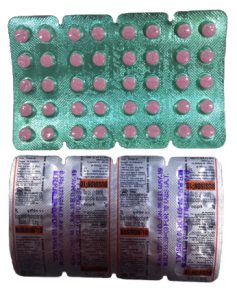
- Administered orally as tablets or oral solution, or parenterally by intramuscular or intravenous injection (common injectable concentration 25 mg/mL); tablets commonly come in 10, 25, 50, 100 and 200 mg strengths.
- Onset: sedative and antiemetic effects are often noticeable within 30–60 minutes after oral dosing (injectable routes act faster); full antipsychotic benefits typically take days to weeks of regular treatment.
- Duration of action: acute sedative/antiemetic effects generally last around 4–12 hours depending on dose and route; antipsychotic maintenance effects require regular dosing (divided 2–4 times daily) and continued treatment.
- Do not drink alcohol while taking largactil—alcohol markedly increases sedation, drowsiness and the risk of hypotension and respiratory depression.
- The most common side effect is drowsiness/sedation; other frequent effects include dry mouth, blurred vision, constipation, orthostatic hypotension, weight gain and extrapyramidal symptoms.
- Would you like to try largactil without a prescription?
Basic Largactil Information
- INN (International Nonproprietary Name): Chlorpromazine.
- Brand Names Available In Australia: Various generics as chlorpromazine hydrochloride; specific Australian brand names not specified.
- ATC Code: N05AA01 (Phenothiazines with aliphatic side‑chain).
- Forms & Dosages: Tablets 10 mg, 25 mg, 50 mg, 100 mg, 200 mg; oral solution commonly 10 mg/mL; injection commonly 25 mg/mL.
- Manufacturers In Australia: Not specified; global generic suppliers are commonly used.
- Registration Status In Australia: Not specified in the raw data; product is listed in multiple jurisdictions and on the WHO Essential Medicines list.
- OTC / Rx Classification: Prescription‑only (Rx) in all jurisdictions.
Availability & Price Landscape
National Pharmacy Chains (Chemist Warehouse, Priceline, TerryWhite Chemmart)
Customers often check major chains for stock and price before calling a local pharmacy.
Large chains generally stock generic chlorpromazine tablets and oral solution.
Injectable ampoules are often available to order through corporate wholesalers or clinic supply channels.
Patients frequently compare Chemist Warehouse discount offers, Priceline loyalty prices and TerryWhite convenience for same‑day pickup.
Online Pharmacy Trends In Australia
Online pharmacies and telehealth have increased convenience and price competition for chlorpromazine.
Many shoppers use online price comparisons and telehealth prescriptions to route scripts to preferred stores.
Rural customers rely on telehealth e‑prescriptions sent to local pharmacies or regional wholesalers to access injectables.
Price Ranges By Package Size (PBS Vs Private)
PBS subsidy can dramatically reduce out‑of‑pocket cost when a product and indication are listed.
Private prices depend on form and pack size: tablets in 10–200 mg strengths, oral solution (commonly 10 mg/mL) and injection (25 mg/mL).
Typical private pricing varies by pack quantity and retailer; online discount outlets often undercut independents.
Table: price ranges by form/pack size (PBS vs private) — consult the dispensing pharmacy or current PBS Schedule for exact subsidy status and prices.
Patient Insights & Satisfaction Levels
Forum Reviews (ProductReview, Aussie Health Forums)
Patients post mixed reviews on ProductReview and health forums about chlorpromazine use.
Comments commonly mention fast control of acute agitation and usefulness for severe nausea at low doses.
Some rural posters note delays obtaining Largactil injection or chlorpromazine ampoules compared with metropolitan access.
Reported Benefits And Issues From Australian Patients
Many users report rapid sedation and reduced agitation when chlorpromazine is used acutely.
Common problems raised include daytime drowsiness, weight gain and orthostatic dizziness.
Forums also record reports of extrapyramidal symptoms such as tremor or akathisia, and practical tips from pharmacists often improve adherence.
- Benefits: Rapid sedation, nausea control, hiccup relief in short courses.
- Issues: Daytime somnolence, dry mouth, orthostatic hypotension, EPS and weight gain.
Product Overview & Brand Variants
INN And Brand Names In Australia
Chlorpromazine is the International Nonproprietary Name.
International brand names include Thorazine in the United States and Largactil in the United Kingdom and parts of Europe.
In Australia the drug is typically supplied as generic chlorpromazine hydrochloride rather than under historic brand names.
Legal Classification (TGA‑Approved)
ATC classification is N05AA01, marking chlorpromazine as a first‑generation antipsychotic in the phenothiazine family.
Pharmaceutical forms and strengths commonly available include tablets (10–200 mg), oral solution (commonly 10 mg/mL) and injection (25 mg/mL).
Prescription‑only status applies in all jurisdictions and Australian oversight is via the TGA for product approval and safety monitoring.
Indications In Local Medical Practice
Approved Uses By TGA
Chlorpromazine is used in Australia for psychosis and severe behavioural disturbance consistent with international approvals.
Clinicians prescribe it for acute psychosis, agitation and chronic psychotic disorders when a typical antipsychotic is appropriate.
Off‑Label Patterns In Australian Clinics
Low‑dose chlorpromazine is commonly used off‑label for refractory nausea, intractable hiccups and short courses for preoperative anxiety.
Prescribers exercise caution in elderly or dementia patients because of increased harms and consider PBS status and comorbidity when choosing therapy.
- Primary Indications: Acute psychosis, chronic psychotic disorders, acute agitation.
- Off‑Label Uses: Refractory nausea, procedural sedation and hiccups in palliative care.
How It Works In The Body
Layman’s Explanation
Chlorpromazine calms overactive brain circuits that cause agitation, hallucinations and severe nausea by blocking key chemical receptors.
This receptor blockade reduces symptoms such as hallucinations and intense agitation and can reduce nausea via central mechanisms.
Clinical Detail
Pharmacologically, chlorpromazine is primarily a D2 dopamine receptor antagonist with additional antagonism at serotonin, histamine (H1) and muscarinic receptors.
D2 blockade explains antipsychotic efficacy and contributes to extrapyramidal side effects and long‑term movement disorders.
Antagonism at H1 and muscarinic receptors causes sedation, dry mouth and constipation, while alpha‑adrenergic blockade produces orthostatic hypotension.
Oral absorption is variable and injections (IM/IV) provide far more rapid onset for acute agitation than oral tablets or syrup.
Dosage & Administration
Standard Regimens
For adults with psychosis or mania doctors typically start oral chlorpromazine at 25–100 mg three times daily and titrate to effect.
Maintenance dosing commonly ranges from 200–800 mg per day divided into two to four doses depending on response and tolerability.
For nausea or hiccups low doses of 10–25 mg every 4–6 hours are commonly used.
Injectable ampoules at 25 mg/mL are reserved for acute situations where rapid control is required.
Adjustments By Patient Type (Elderly, Chronic Conditions)
Children receive weight‑based dosing; a published guideline is around 0.55 mg/kg per dose every 4–6 hours for severe behavioural problems with careful titration.
Elderly patients should start at about half usual adult doses and be monitored closely for sedation and hypotension.
Renal or hepatic impairment warrants dose reduction and close observation due to risk of accumulation.
| Indication | Starting Dose | Typical Maintenance |
|---|---|---|
| Psychosis/Mania (Adults) | 25–100 mg orally 3x/day | 200–800 mg/day divided |
| Nausea/Hiccups | 10–25 mg orally every 4–6 hrs | Short course until symptoms resolve |
| Acute Injection | 25 mg/mL IM/IV as needed | Use under clinical supervision |
Contraindications & Side Effects
Common
Absolute contraindications include comatose states, known hypersensitivity to phenothiazines, severe bone marrow depression, pheochromocytoma and infants under six months.
Relative contraindications requiring monitoring include hepatic or renal impairment, significant cardiac disease, seizure history, Parkinson’s disease and dementia in the elderly.
Common side effects are drowsiness, dry mouth, blurred vision, constipation, orthostatic hypotension, weight gain and extrapyramidal symptoms like tremor or akathisia.
Rare But Serious (Australian Safety Data)
Less common but serious risks include tardive dyskinesia, neuroleptic malignant syndrome, leukopenia, seizures and QT prolongation.
Pharmacy risk management should include screening for interacting QT‑prolonging medicines and counselling on orthostatic precautions and sun protection for photosensitivity.
- Red Flags: Fever with muscle stiffness, sudden involuntary movements, severe weakness or breathing difficulty — seek urgent review.
Comparable Medicines
Alternatives Table (PBS And Non‑PBS)
| Drug Class | Common PBS Options | Typical Indications |
|---|---|---|
| Typical Antipsychotics | Haloperidol, Fluphenazine, Perphenazine | Acute agitation, psychosis where high D2 blockade is needed |
| Atypical Antipsychotics | Risperidone, Olanzapine, Quetiapine, Clozapine | Long‑term schizophrenia, bipolar disorder with better metabolic/EPS profiles |
Pros And Cons List
Chlorpromazine advantages include broad indications, long clinical experience and generally low acquisition cost as a generic.
Drawbacks include sedation, orthostatic hypotension, anticholinergic effects, photosensitivity and higher risk of tardive dyskinesia compared with many atypicals.
- Pros: Versatile for psychosis, nausea and preoperative anxiety; inexpensive as generic chlorpromazine.
- Cons: Sedation, anticholinergic burden, EPS risk and cardiac monitoring needs in some patients.
Current Research & Trends
Major Studies 2022–2025 (Australia + International)
Recent literature through 2022–2025 focuses on reducing use of first‑generation antipsychotics in elderly and dementia patients and avoiding long‑term high doses.
Guidance has emphasised deprescribing where possible and pharmacist‑led medication reviews to reduce adverse outcomes.
Clinical reports support pragmatic, short courses of low‑dose chlorpromazine for refractory nausea and hiccups in palliative settings, though evidence is mixed.
Pharmacies should link product pages to current TGA bulletins and deprescribing guidance to reflect evolving safety advice.
Common Patient Questions
FAQs From Australian Pharmacy Consultations
- What If I Miss A Dose? Take as soon as remembered unless close to the next dose; do not double up.
- Can I Drink Alcohol? Avoid alcohol because it increases sedation and respiratory depression.
- Is It Safe In Pregnancy/Breastfeeding? Requires specialist advice and case‑by‑case risk–benefit assessment.
- Can I Drive? Do not drive while sedated; wait until effects have cleared.
- What To Do In Overdose? Seek emergency medical help immediately; signs include severe drowsiness, hypotension or breathing problems.
- How Long Until Effects? Oral onset may take hours, while IM/IV injection produces far quicker control in acute agitation.
For emergency poison advice, contact your local Poisons Information Centre or emergency services.
Regulatory Status
TGA Approval
Chlorpromazine is prescription‑only and falls under national regulatory oversight such as the TGA for product approvals and monitoring.
Globally it appears on the WHO Model List of Essential Medicines and is marketed under legacy brands like Thorazine and Largactil in some countries.
PBS Subsidy Details
PBS listing varies by formulation and indication and can change; some chlorpromazine products have historically been subsidised for psychiatric indications while others require private scripts.
Pharmacy product pages should prompt customers to check the up‑to‑date PBS Schedule and include ARTG or TGA references where available.
Visual Recommendations
Infographics: PBS Pricing, Pharmacy Networks
Product pages convert better with clear, mobile‑optimised visuals showing PBS vs private cost, pack sizes and tablet strengths.
A pharmacy network map highlighting Chemist Warehouse, Priceline, TerryWhite and telehealth routes helps urban and rural customers find supply pathways for tablets, syrup and Largactil injection.
Additional recommended visuals include a dosage quick‑reference chart and an easy safety checklist for red‑flag symptoms such as NMS or severe EPS.
Buying & Storage Advice
In‑Store Vs Online Purchase Tips In Australia
Chlorpromazine requires a prescription in standard practice, but in our online pharmacy largactil is available without a prescription, with discreet delivery to Australia in 9‑21 days.
Use telehealth e‑prescriptions to route scripts to large chains or your local pharmacy for faster access to tablets or oral solution.
For injectables, hospitals or clinic ordering channels may be necessary; always verify ampoule integrity on receipt.
Storage In Australian Household Conditions (Heat/Humidity)
| Form | Storage Temperature | Handling Advice |
|---|---|---|
| Tablets | 20–25°C (room temperature) | Protect from moisture and light; do not store in a hot car. |
| Oral Solution (Syrup) | 20–25°C (room temperature) | Keep cap tight; check expiry after opening per manufacturer instructions. |
| Injection Ampoules | 20–25°C; do not freeze | Inspect for particulate matter; store in original packaging away from heat. |
Delivery Across Australia
| City | Region | Delivery Time |
|---|---|---|
| Sydney | New South Wales | 9–14 days |
| Melbourne | Victoria | 9–14 days |
| Brisbane | Queensland | 9–14 days |
| Perth | Western Australia | 9–14 days |
| Adelaide | South Australia | 9–14 days |
| Canberra | Australian Capital Territory | 9–14 days |
| Hobart | Tasmania | 9–14 days |
| Darwin | Northern Territory | 9–14 days |
| Gold Coast | Queensland | 9–14 days |
| Newcastle | New South Wales | 9–14 days |
| Wollongong | New South Wales | 9–14 days |
| Geelong | Victoria | 9–14 days |
| Cairns | Queensland | 14–21 days |
| Townsville | Queensland | 14–21 days |
Guidelines For Proper Use
Pharmacist Guidance In Australia
Pharmacist counselling should confirm the indication and current medicines, especially antidepressants, antiarrhythmics and anticholinergics.
Screen for QT‑prolonging medicines and advise orthostatic precautions and sun protection for photosensitivity.
Provide a written dosing schedule, clarify missed‑dose rules and document any IM/IV administrations in clinic records for continuity of care.
Patient Safety Recommendations
Advise patients to report fever, muscle rigidity, rapid heart rate or urinary retention immediately as these may signal neuroleptic malignant syndrome.
Ask carers to watch for new involuntary movements suggesting tardive dyskinesia and arrange medication review in elderly or dementia patients with consideration of non‑pharmacological options.
- Pharmacist Actions: Medication reconciliation, monitor for interactions, schedule follow‑up and report adverse events to the TGA where appropriate.
- Patient Actions: Avoid alcohol, do not drive while sedated, store medicines correctly and seek urgent review for red‑flag symptoms.