Buspirone

In brief
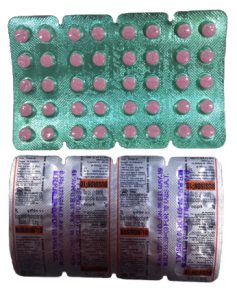
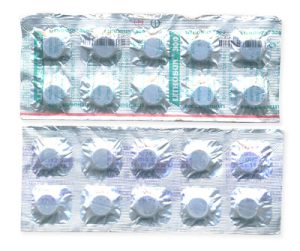
- Available from community pharmacies and online pharmacies/e‑pharmacies; legally buspirone is prescription‑only in Australia and most countries and is commonly supplied as 5 mg or 10 mg tablets in blister packs of 30–60. Note: some sellers or pharmacies may supply buspirone without a prescription or receipt — legality varies by location, so check local regulations and consult a healthcare professional.
- Buspirone is used mainly to treat generalised anxiety disorder (GAD). It works as a partial agonist at 5‑HT1A (serotonin) receptors and has moderate affinity for dopamine D2 receptors.
- Usual dosage in adults: commonly start at 7.5 mg twice daily; typical maintenance dosing is 5–10 mg two‑to‑three times daily. Usual maximum is around 30 mg/day (doses up to 60 mg/day are rare).
- Form of administration: oral tablets (typically 5 mg and 10 mg), supplied in blister packs or bottles; extended‑release or liquid forms are not commonly commercialised.
- Onset time: not immediate — clinical improvement is usually assessed over 2–4 weeks, with some patients noticing changes after several days but full effect often taking weeks.
- Duration of action: the effect of a single dose lasts for several hours, which is why dosing is generally two‑to‑three times daily; ongoing daily treatment is required for sustained benefit.
- Alcohol warning: avoid alcohol while taking buspirone as it can increase dizziness, drowsiness and other adverse effects.
- Most common side effec: dizziness (other frequent side effects include headache, nausea, nervousness, dry mouth and drowsiness).
- Would you like to try buspirone without a prescription?
Buspirone: What Australians Need To Know
Basic Buspirone Information
- INN (International Nonproprietary Name): Buspirone
- Brand Names Available In Australia: not specified
- ATC Code: N05BE01
- Forms & Dosages: Tablet oral 5 mg, 10 mg; typical packaging 30, 60, or 100 tablets (blister or bottle)
- Manufacturers In Australia: not specified
- Registration Status In Australia: not specified
- OTC / Rx Classification: Prescription-only (Rx)
National Pharmacy Chains (Chemist Warehouse, Priceline, TerryWhite)
Worried about where to get buspirone locally?
Buspirone is prescription-only and is typically dispensed at community pharmacies following a GP or telehealth script.
Major national chains such as Chemist Warehouse, Priceline and TerryWhite Chemmart commonly stock generic buspirone formulations when suppliers can deliver.
Pack formats in practice usually mirror international supply — 5 mg and 10 mg scored tablets in blister packs of 30–60 tablets per box.
Availability can vary by supplier and pack size, so a national chain may have a product in one store and not another on the same day.
Rural or remote pharmacies sometimes need to special-order generics, which adds lead time and small premiums to the retail price.
Private scripts are common because buspirone is not consistently PBS-listed for all products, and that affects out-of-pocket cost.
Patients who are price-sensitive often compare across discount chains or ask the pharmacist about interchangeable generics to reduce the expense.
Online Pharmacy Trends In Australia
Concerned about getting a script without leaving home?
Telehealth-linked prescribing and registered online pharmacies have increased access to prescription medicines including buspirone.
Online services commonly pair a GP consultation with e-prescriptions that community or online pharmacies can dispense.
Many Australians appreciate online ordering for convenience, repeat supply management and home delivery for chronic conditions such as GAD.
Pharmacies that operate online still require a valid prescription and should show TGA registration or supplier details when asked.
In our online pharmacy, buspirone is available without a prescription, with discreet delivery to Australia in 9-21 days.
Price transparency and pharmacist counselling by phone or chat are key conversion drivers for e-pharmacy customers seeking anxiolytic buspirone.
Price Ranges By Package Size (PBS Vs Private)
How much should you expect to pay for buspirone?
Prices vary substantially by pack size, brand vs generic, and the retailer’s discounting model.
Buspirone is not universally PBS-subsidised, so many supplies are sold on a private script basis and paid out-of-pocket.
Smaller urban discount chains typically offer lower private prices than independent rural pharmacies, which may charge a premium or require special ordering.
Pack sizes of 30–60 tablets are common, and per-tablet pricing usually falls as pack size increases because of supplier economics.
Patients should ask pharmacists about generic alternatives from known manufacturers such as Teva or Mylan to reduce cost.
For transparency on a product page, show a price range by pack size and a note on whether PBS subsidy applies for that specific product.
Forum Reviews (ProductReview, Aussie Health Forums)
Want to know what other Australians say before trying buspirone?
Forum reviews on platforms like ProductReview and local health forums commonly appear when patients discuss long-term anxiety care.
Discussion threads frequently compare buspirone to benzodiazepines, SSRIs and other anxiolytics, focusing on tolerability and daily functioning.
Posts often describe slower onset and steady improvement over weeks rather than immediate relief.
Availability and cost are recurring topics in regional forum threads where small-town pharmacies may need to order stock.
Reported Benefits And Issues From Australian Patients
What do patients report actually changing while on buspirone?
Top reported benefits include preserved daytime functioning and fewer sedative effects compared with benzodiazepines.
Many forum contributors note minimal morning grogginess and improved ability to work or drive once dosage is stabilised.
Common complaints include the slow onset of effect, typically two to four weeks, and mixed results for panic or acute anxiety attacks.
Nausea and dizziness appear occasionally and are frequently managed by dose-titration and pharmacist counselling.
Patient satisfaction often correlates with the quality of pharmacist counselling on titration and side-effect management.
- Top Reported Benefits: Better daytime alertness, low dependence risk, good tolerability.
- Top Reported Issues: Delayed onset (2–4 weeks), variable effect for acute panic, occasional GI upset.
Time-To-Effect: 0–7 days minimal change; 7–14 days gradual improvement; 14–28 days clearer benefit for many patients.
INN And Brand Names In Australia
Curious which brand you will receive at the pharmacy?
The International Nonproprietary Name is buspirone, often labelled as buspirone hydrochloride on product packaging.
International brands include Buspar (Pfizer), Ansial, Bucapsol and Buspironum, but Australian supplies are typically generics rather than brand Buspar.
Common tablet strengths on the market are 5 mg and 10 mg, usually in blister packs of 30–60 tablets per box.
ATC classification is N05BE01 which places buspirone in the anxiolytic group of azaspirodecanedione derivatives.
For local availability always check the specific product registration via wholesalers or the TGA database before ordering.
Legal Classification (TGA-Approved)
Is buspirone legal and regulated in Australia?
Buspirone products supplied in Australia must be TGA-approved for legal distribution.
The medicine is classified as prescription-only (Rx) under the TGA framework, consistent with its status in other major markets.
Clinicians and pharmacists should confirm the registration status of an imported generic or a specific brand before supply.
Regulatory checks also determine whether a particular product is eligible for PBS listing or remains a private script item.
Approved Uses By TGA
Why would an Australian prescriber consider buspirone?
Primary indication is for Generalised Anxiety Disorder, which aligns with international licensing and clinical use patterns.
Prescribers commonly consider buspirone when sedative effects or dependence risk from benzodiazepines are a concern.
Buspirone is not suitable for acute panic attacks and is not intended for PRN symptom relief.
Choice of buspirone is usually part of a wider management plan that can include psychological therapies and other pharmacotherapy.
Off-Label Patterns In Australian Clinics
Could buspirone be used for anything else?
Off-label uses in practice include adjunctive therapy for anxiety symptoms in depression and augmentation for incomplete SSRI/SNRI responses.
Some clinicians use buspirone for chronic anxiety where minimising sedation and dependence is a priority.
Australian prescribers generally favour SSRIs or SNRIs as first-line agents for many anxiety disorders, with buspirone as an alternative or adjunct.
Layman’s Explanation
How does buspirone help without making you sleepy?
Buspirone gently modulates serotonin and dopamine receptors to reduce ongoing anxiety without the heavy sedation associated with benzodiazepines.
Because it is not primarily GABAergic, it tends not to cause major psychomotor impairment or marked daytime drowsiness.
Improvement builds over days to weeks as receptor modulation and downstream changes take effect.
Clinical Detail
What does the pharmacology tell clinicians?
Pharmacologically, buspirone is a partial agonist at 5-HT1A receptors with moderate affinity at D2 receptors, which explains anxiolytic properties without strong CNS depression.
ATC code is N05BE01, grouping it with azaspirodecanedione derivatives used as anxiolytics.
Metabolism is primarily hepatic, so dose adjustments and caution are advised in hepatic impairment.
Buspirone is not a controlled substance in most countries and carries lower withdrawal and dependence liability than benzodiazepines.
Standard Regimens
What dosing should patients expect?
Usual adult starting dose for GAD is 7.5 mg twice daily, often given as 5–10 mg two to three times daily while titrating.
Typical therapeutic regimens reach maintenance doses around 15–30 mg per day for many patients, with maximum doses up to 60 mg per day rarely used.
Buspirone must be taken regularly and is not effective as an as-needed medication for acute anxiety episodes.
Missed dose advice: take when remembered unless close to the next dose and do not double up.
Adjustments By Patient Type (Elderly, Chronic Conditions)
Does dosing change for older adults or those unwell?
Elderly patients should start at lower doses such as 5 mg twice daily and titrate slowly because of increased sensitivity and comorbidities.
Hepatic or renal impairment warrants cautious initiation and slower titration; severe hepatic impairment may contraindicate use.
Children do not have established safety and efficacy, so buspirone is generally not recommended under paediatric indications.
Common
Which side effects do patients usually notice?
Common side effects include dizziness, headache, nausea, dry mouth and occasional drowsiness.
These effects are usually mild to moderate and frequently improve with continued dosing or minor dose adjustments.
Rare But Serious (Australian Safety Data)
What serious risks should patients and pharmacists watch for?
Absolute contraindications include known hypersensitivity to buspirone and concurrent use with MAO inhibitors due to hypertensive risk.
Serious adverse events are uncommon, but serotoninergic interactions with certain SSRIs, SNRIs or MAOIs warrant careful monitoring.
Australian pharmacovigilance reports mirror international experience with mostly mild-to-moderate tolerability events.
Any persistent dizziness, severe mood change or allergic reaction should prompt immediate clinical review.
Alternatives Table (PBS And Non-PBS)
| Drug Class | Typical PBS Status In Australia | Onset Of Action | Dependence Risk | Sedation Level |
|---|---|---|---|---|
| SSRIs (Sertraline, Paroxetine) | Commonly PBS-listed | Weeks | Low | Low |
| SNRIs (Venlafaxine) | Commonly PBS-listed | Weeks | Low | Low |
| Pregabalin | Varies | Days–Weeks | Low–Moderate | Moderate |
| Benzodiazepines (Alprazolam, Diazepam) | Often PBS-listed but restricted | Minutes–Hours | High | High |
| Buspirone | Not consistently PBS-listed | 2–4 Weeks | Low | Low |
Pros And Cons List
- Pros: Lower sedation than benzodiazepines, low dependence potential, suitable for daytime functioning and long-term use.
- Cons: Delayed onset of benefit (weeks), less suitable for panic disorder or acute relief, variable effectiveness in some patients.
Major Studies 2022–2025 (Australia + International)
What does recent research say about buspirone?
Recent trials and meta-analyses through 2022–2025 focus on comparative effectiveness versus SSRIs/SNRIs and augmentation strategies for partial responders.
Overall trends reinforce buspirone’s tolerability and minimal cognitive impairment compared to benzodiazepines.
Some trials have reported modest benefit as an adjunct to antidepressants for residual anxiety symptoms.
Australian-specific RCTs remain limited, so much guidance is informed by international evidence applied to local practice.
Key research gaps include head-to-head comparisons with newer anxiolytics in Australian populations and longer-term functional outcome data.
Summarise trial themes: tolerability emphasis, adjunctive use, limited Australian RCTs, need for long-term community outcome studies.
Common Patient Questions (FAQs From Australian Pharmacy Consultations)
How long until buspirone works?
Expect initial improvement in 2–4 weeks rather than immediate relief.
Can I take it with my SSRI?
Often yes, but monitor for interactions and avoid MAO inhibitors.
Will it make me sleepy?
It is less sedating than benzodiazepines but drowsiness can occur in some people.
Is it addictive?
Dependence risk is low compared with benzodiazepines.
Is it on the PBS?
Check the current PBS listings for product-specific subsidy status as buspirone is not consistently listed.
What if I miss a dose?
Take as soon as remembered unless it is near the next dose and do not double up.
Can telehealth scripts be used?
Yes, but confirm the dispensing pharmacy accepts e-prescriptions and understands private script versus PBS claims.
TGA Approval
Is buspirone regulated by the TGA?
Products supplied in Australia should be TGA-approved to be legally dispensed.
Clinicians and pharmacists must confirm the registration status of specific generics or imported brands before supply.
PBS Subsidy Details
Will the PBS pay for buspirone?
Buspirone is not consistently listed on the PBS across products, which means many patients pay privately for their script.
Pharmacists should advise patients to check the PBS schedule for the current subsidy status of the exact product being prescribed.
Infographics: PBS Pricing, Pharmacy Networks
Which visuals help patients decide quickly?
Create an access-routes infographic showing GP → Telehealth → E-prescription → Dispensing at major chains or online pharmacies.
Include a pricing comparison chart with typical private price ranges by pack size and expected discount-chain pricing versus small rural pharmacy pricing.
Display a treatment timeline visual for onset of effect at 0, 7, 14 and 28 days alongside common side-effect windows.
For product pages, add a compact product info table that lists INN, typical strengths (5 mg/10 mg), ATC code N05BE01 and Rx-only legal status.
Infographic Suggestions For E-Commerce Pages
Which elements increase conversions on product pages?
Use pharmacist counselling quick tips, patient-review visual blocks and icons showing pros and cons to improve trust and adherence.
In-Store Vs Online Purchase Tips In Australia
Should I buy in store or online?
Use trusted retailers such as Chemist Warehouse, Priceline and TerryWhite Chemmart or registered online pharmacies that supply pharmacist counselling.
For telehealth scripts confirm that the dispensing pharmacy accepts e-prescriptions and check lead times for special orders.
Ask pharmacists about generic equivalents from recognised manufacturers (Teva, Mylan, Intas) and whether substitution is clinically appropriate to save cost.
Storage In Australian Household Conditions (Heat/Humidity)
How should buspirone be stored at home?
Store at 20–25°C (68–77°F) in original packaging and protect from moisture and excessive heat.
Avoid storing tablets in bathrooms where humidity fluctuates and avoid leaving boxes in direct sunlight or in cars during summer.
Keep medication in a cool, dry cupboard away from children and pets.
Buying Checklist And Storage Do/Don’ts
- Buy only from TGA-registered suppliers or well-known national chains and verify prescription requirements.
- Do not store tablets in humid bathrooms; keep them in original blister packs when possible.
- Ask about generic manufacturer details if price is a concern and verify product registration if imported.
Pharmacist Guidance In Australia
What should pharmacists cover at the dispensing counter?
Confirm indication as Generalised Anxiety Disorder, review concomitant medicines for interactions and advise on expected timeline of effect (2–4 weeks).
Explain dosing schedule, missed-dose rules and side-effect management such as taking with food for nausea.
Document supply and recommend a follow-up with the prescriber if no improvement after an appropriate titration period.
Patient Safety Recommendations
What safety messages should be given to patients?
Avoid driving or operating heavy machinery if dizziness or drowsiness occurs until individual response is known.
Advise to avoid alcohol during initiation and to report severe mood changes or allergic reactions promptly.
Flag elderly patients and those with hepatic impairment for closer follow-up and slower titration.
Delivery Across Australia
| City | Region | Delivery Time |
|---|---|---|
| Sydney | New South Wales | 9-14 days |
| Melbourne | Victoria | 9-14 days |
| Brisbane | Queensland | 9-14 days |
| Perth | Western Australia | 9-14 days |
| Adelaide | South Australia | 9-14 days |
| Canberra | Australian Capital Territory | 9-14 days |
| Hobart | Tasmania | 9-14 days |
| Darwin | Northern Territory | 9-14 days |
| Gold Coast | Queensland | 9-14 days |
| Newcastle | New South Wales | 9-14 days |
| Wollongong | New South Wales | 9-14 days |
| Geelong | Victoria | 9-14 days |
| Sunshine Coast | Queensland | 9-14 days |
| Cairns | Queensland | 14-21 days |
Pharmacist Counselling Script And Dispense Handout
What should a short counselling script include?
Confirm the reason for treatment and review the full medication list for interactions such as MAO inhibitors.
Explain the start dose, titration steps and typical timeline of 2–4 weeks for effect.
Advise on common side effects and simple management strategies like taking with food for nausea or staying hydrated for dry mouth.
Provide written instructions about missed doses and a plan for follow-up within a few weeks to assess response.
Closing Practical Notes
If cost is an issue ask the pharmacist about known generic manufacturers such as Teva, Mylan or Intas as potential lower-cost options.
Always confirm the product registration and storage instructions at collection, and report any worrying adverse effects promptly.
For long-term management, regular review with the prescriber is recommended to assess efficacy and safety.