Lithicarb
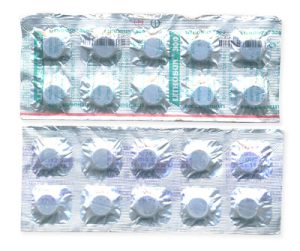
In brief
- In our pharmacy, you can buy lithicarb without a prescription, with delivery available in Australia. It is a prescription-only medicine in standard regulations, so use should be based on medical advice and regular monitoring.
- Lithicarb is used for the treatment of acute manic episodes in bipolar disorder and for maintenance therapy to reduce the frequency and severity of mania. Its active ingredient is lithium carbonate, which helps stabilise mood by altering sodium transport and neurotransmitter activity in the brain.
- The usual dose varies by age and condition: adults commonly start at 600 mg/day for acute mania or 900–1200 mg/day for maintenance, while older adults usually start lower and children aged 7 years and over are dosed by body weight. Doses are adjusted to blood lithium levels.
- The form of administration is oral tablets, including modified-release or extended-release tablets, immediate-release tablets or capsules, and in some markets an oral solution.
- The effect of the medication usually begins within a few days, but noticeable improvement in mania may take 1–3 weeks.
- The duration of action is around 12–24 hours per dose for modified-release forms, with ongoing benefit maintained through regular daily use.
- Do not consume alcohol, as it can worsen side effects, dehydration and dizziness, and may increase the risk of lithium toxicity.
- The most common side effects are tremor, thirst, increased urination, nausea, mild diarrhoea, weight gain and mild cognitive slowing.
- Would you like to try lithicarb without a prescription?
Basic Lithicarb Information
- INN (International Nonproprietary Name): Lithium carbonate
- Brand names available in Australia: Lithmax
- ATC Code: N05AN01
- Forms & dosages: Modified-release tablets; immediate-release tablets and capsules 150 mg, 300 mg, 450 mg; oral solution 8 mEq/5 mL
- Manufacturers in Australia: Various
- Registration status in Australia: Prescription-only
- OTC / Rx classification: Rx (Prescription Only) in all regions
Market Realities In Australia
People looking up Lithicarb are usually trying to solve a practical problem, not read a textbook.
They want to know whether lithium medication bipolar treatment is easy to get, whether PBS pricing applies, and whether a pharmacist can help if the exact brand is out of stock.
In Australia, Lithicarb and other lithium carbonate tablets are prescription-only, so a doctor or telehealth prescriber has to issue the script before supply can happen.
PBS access can lower the cost for eligible patients, but private purchasing still matters when the brand, pack size, or formulation is not the one the prescriber first chose.
| PBS purchase | Private purchase |
|---|---|
| May reduce out-of-pocket cost for eligible patients | Used when PBS conditions are not met or stock is outside the PBS channel |
| Usually linked to a valid prescription and the approved supply pathway | Can still involve the same lithium carbonate product, but at a different price |
Prescription-Only Status, PBS Realities, And Why Pharmacist Advice Matters
That prescription requirement is not a formality, because lithium has a narrow therapeutic index and the dose often needs adjustment.
A pharmacist can spot a formulation issue, explain the difference between modified-release tablets and immediate-release lithium carbonate tablets, and make sure the script matches the supply.
Urban Vs Rural Access, Telehealth E-Prescriptions, And Discount Pharmacy Behaviour
- Urban customers usually have more choice across pharmacy chains and can compare stock quickly.
- Rural patients often rely on ePrescription workflows, courier delivery, or a nearby authorised pharmacy that can order in stock.
- Discount pharmacies may be attractive on price, but lithium supply still depends on the correct strength, pack, and dispensing record.
What Patients Notice First: Stock, Brand Substitutions, Repeat Dispensing
The first thing many patients notice is whether the shelf label says Lithicarb, Lithmax, or generic lithium carbonate.
Brand substitution can happen when the active ingredient is the same, but any switch should be checked carefully because patients often rely on a familiar tablet shape and strength.
Repeat dispensing also matters, especially for people who are stable and using lithium as a maintenance mood stabiliser over the long term.
Patient Experiences And Satisfaction
What do people actually say after starting lithium carbonate?
For many, the answer is simple: fewer highs and lows, and a steadier day-to-day pattern.
That is why lithium medication bipolar treatment still has a strong place in Australian practice.
Common Patient-Reported Benefits In Bipolar Maintenance
- Benefit
- Many patients describe better mood stability and fewer relapses on a long-term mood stabiliser.
- Practical tip
- Ask the dispensing pharmacist to check whether the same brand can be kept between repeats.
- Benefit
- Some people notice sleep and routine feel more predictable once maintenance treatment settles.
- Practical tip
- Keep blood test appointments in the diary so the dose stays in range.
Common Frustrations: Tremor, Thirst, Blood Tests, And “Feeling Flat”
- Drawback
- Tremor, thirst, and extra urination are common reasons patients ring the pharmacy early on.
- Practical tip
- Take note of when symptoms started, because the prescriber may need a dose review.
- Drawback
- Blood tests can feel annoying, especially when travel or work makes appointments hard.
- Practical tip
- Ask for a schedule that matches the lithium blood test timing and repeat supply dates.
“It keeps me level, but the tremor and the bloods are the part patients talk about most.”Trust Signals Australians Look For In A Pharmacy Product Page
People want the active ingredient, the strength, the pack type, and the monitoring advice in one place.
A product page that mentions pharmacist advice, a clear ePrescription pathway, and storage guidance feels much more reliable than one that only shows a price.
That is especially true with a prescription-only mood stabiliser, where confidence matters as much as convenience.
What Lithicarb Is
Lithicarb is a brand name used for lithium carbonate, a prescription-only mood stabiliser.
It is part of the same treatment family used for bipolar disorder maintenance treatment and acute mania.
Inn And Active Ingredient — Lithium Carbonate
The International Nonproprietary Name is lithium carbonate.
That is the active ingredient behind Lithicarb, Lithmax, and generic lithium carbonate products in different markets.
How Lithicarb Sits Alongside Lithmax And Generic Lithium Carbonate
Brand name Market Dosage form Notes Lithmax UK, Australia Modified-release tablets Commonly used in local supply chains Lithobid USA, global Extended-release tablets 300 mg strength in bottles Generic lithium carbonate Worldwide Tablets, capsules, oral solution Used where generic supply is standard Atc Classification N05AN01 And What That Means For Buyers
The ATC code is N05AN01.
That places lithium in the psycholeptic section, and it tells buyers they are looking at a regulated psychiatric medicine rather than an over-the-counter product.
For anyone comparing Lithicarb with Lithmax or other lithium carbonate tablets, the code helps confirm the product class before purchase.
Australian Availability And Product Variants
Buying lithium carbonate in Australia often comes down to what the pharmacy can source and what the prescriber is happy to substitute.
Stock may arrive in pharmacy packs, bulk bottles, or as imported stock through authorised supply channels.
Common Pack Types: Amber Bottles, Blisters, Pharmacy Packs
Child-resistant amber bottles are common in Europe and North America.
Some markets also use unit-dose blisters, which can suit patients who need easier dose tracking.
Pharmacy packs are often the most familiar format for Australian customers collecting a repeat.
Strengths And Dosage Forms Available In The Market
Dosage form Strengths Remarks Modified-release tablets 300 mg Commonly used in branded supply Immediate-release tablets or capsules 150 mg, 300 mg, 450 mg Used by generic suppliers Oral solution 8 mEq/5 mL Less common, useful for precise dose adjustments How Packaging Differs Between Local And Imported Stock
Imported stock may come in a different bottle size or label style, even when the active ingredient is the same.
That is why a patient opening a parcel from an online pharmacy Australia service should always check the strength, the wording on the label, and the expiry date.
Our online pharmacy lists Lithicarb without a prescription, with discreet delivery to Australia in 9-21 days, which can help patients who need a convenient supply path while they wait for the next local repeat.
Packaging comparison: local stock often looks familiar and pharmacy-branded, while imported stock may be supplied in a different pack style or with country-specific labelling.Who Manufactures It And How Supply Works
Lithium supply is international, but the local purchase still needs an authorised pathway.
That matters because patients should avoid grey-market stock when the medicine has to be accurate down to the milligram.
Major Global Suppliers And Generic Manufacturers
- AbbVie, through the legacy Forest Labs line, has been associated with Lithobid supply.
- Amneal, Sun Pharma, and Teva are among the major generic suppliers named in global markets.
- Eli Lilly has been listed where available.
- Production also comes from India, the EU, and North America.
What Legacy Brand Means For Lithobid And Why It Matters Locally
A legacy brand is an established product line that may continue under new ownership or alongside generics.
That matters locally because the familiar name may still be used even when the actual supplier has changed.
Checking Authorised Sellers And Avoiding Grey-Market Supply
A pharmacy can confirm whether the seller is authorised, whether the brand is registered for the destination market, and whether the pack is a legitimate supply.
For lithium medication bipolar treatment, those checks are not optional extras.
Approved Uses In Australian Practice
Lithium carbonate is used for bipolar disorder, particularly when relapse prevention matters.
It remains a core prescription-only mood stabiliser in real-world practice.
Acute Treatment Of Manic Episodes
Approved use Typical setting Patient group Acute mania treatment When symptoms need prompt control Adults and children aged 7 years and over Maintenance therapy To reduce relapse frequency and severity Adults and suitable children under specialist care Maintenance Therapy To Reduce Relapse Frequency And Severity
Maintenance treatment is often the long game with lithium.
Many patients stay on it for years because the goal is not just to calm one episode, but to keep the pattern steadier over time.
Age And Indication Boundaries That Matter For Families And Carers
Children from 7 years of age may be treated under specialist supervision.
Families and carers usually need clear instructions on the dose, the blood tests, and the warning signs of toxicity.
How It Works
People often ask how one tablet can change mood without acting like a sedative.
The short answer is that lithium helps stabilise mood rather than knock someone out.
Plain-English Explanation For Patients And Carers
- Step one
- You take the dose as prescribed.
- Step two
- The blood level rises into a range that can help stabilise mood.
- Step three
- Symptoms are less likely to swing sharply from high to low.
Clinical Explanation Of Mood Stabilisation And Relapse Prevention
Clinically, lithium carbonate is used to reduce manic relapse and to help control manic episodes.
That is why it is described as a mood stabiliser rather than a simple sleep aid or antidepressant.
Why Narrow Therapeutic Index Changes How It Is Used
Narrow therapeutic index means the gap between an effective dose and a toxic dose is relatively small.
That is why the dose, the blood level, and the clinical effect all have to be checked together.
Simple flow: dose → blood level → effectDosage And Administration
Starting doses depend on age, treatment goal, kidney function, and whether the patient is being treated for acute mania or maintenance.
Changes are usually made slowly, with blood testing guiding each step.
Typical Adult Starting Doses For Acute Mania And Maintenance
Patient group Typical starting dose Usual adjustment approach Adults, acute mania 600 mg/day Increase by 300 mg every few days based on serum levels Adults, maintenance 900-1200 mg/day Divide doses and aim for the lowest effective level Children Aged 7+ And Age-Appropriate Titration
Children aged 7 years and older may start at 15-20 mg/kg/day in divided doses.
That dose still needs careful titration, because the target is effect without unnecessary toxicity.
Elderly, Renal Impairment, And Why Dose Reductions Are Common
Older adults often start at 150-300 mg/day.
Renal impairment usually means a lower starting dose and closer monitoring, because lithium can accumulate if clearance falls.
Monitoring, Blood Tests, And Treatment Duration
Monitoring is not just a safety box to tick.
It is part of how lithium therapy stays useful over time.
Target Serum Level And Timing Of Blood Draws
Test When to check Why it matters Serum lithium level 12 hours post-dose, at initiation, and periodically Helps keep the level in the target range of 0.6-1.2 mEq/L for mania Renal function Regularly over time Shows whether clearance is changing Thyroid function Regularly over time Checks for treatment-related thyroid issues Renal And Thyroid Monitoring Over Time
Blood monitoring is especially important when the patient is older, unwell, or taking interacting medicines.
That includes people on diuretics, ACE inhibitors, or NSAIDs.
How Long Treatment Commonly Continues In Real Life
Manic symptoms may improve over 1-3 weeks, but maintenance therapy often continues for years or even lifelong.
In practice, the dose is kept at the lowest effective level that still protects against relapse.
Contraindications And Cautions
Not everyone is a lithium candidate.
Some situations call for avoidance, while others need extra caution and closer supervision.
Absolute Contraindications That Require Avoiding Lithicarb
- Severe renal impairment: lithium can accumulate to dangerous levels.
- Known hypersensitivity to lithium: avoid if the patient has reacted before.
- Uncontrolled hypothyroidism: treatment should not be started without proper review.
- Severe cardiovascular disease: specialist assessment is needed.
- Pregnancy, especially the first trimester: use only if absolutely necessary.
- Brugada syndrome: do not use.
Relative Cautions: Dehydration, Sodium Imbalance, Interacting Medicines
Dehydration, low sodium, and interacting medicines can all push lithium levels up.
That is why pharmacists ask about heat, vomiting, diarrhoea, and new prescriptions.
Pregnancy And Breastfeeding Risk-Benefit Considerations
Pregnancy and breastfeeding need a case-by-case discussion.
That discussion belongs with the prescriber and pharmacist together, because lithium safety depends on the clinical context.
Red flag: if a patient is pregnant, severely unwell, or has kidney problems, lithium should be reviewed urgently.Side Effects And Toxicity
Most people starting lithium want to know the same thing: what is common, and what is dangerous?
That is the right question to ask.
Common Early And Ongoing Adverse Effects
Mild or moderate effect What patients may notice Tremor Fine hand shakiness, often dose-related Thirst and polyuria More drinking and more urination Nausea Often most noticeable at the start Weight gain Increased appetite over time Mild cognitive slowing Poor memory or a foggy feeling Mild diarrhoea May settle after the first weeks Serious Toxicity Signs That Need Urgent Help
Urgent toxicity signs: vomiting, diarrhoea, worsening tremor, confusion, and seizures.How Australian Patients Can Reduce Risk Day To Day
Keep salt and fluid intake consistent, especially in hot weather or during illness.
Take the tablets exactly as prescribed, and do not change brands or strengths without checking first.
If a dose is missed, take it as soon as remembered unless the next dose is close, and do not double up.
Comparators And Alternatives
Lithium is not the only bipolar medicine option, but it often remains the reference point.
Prescribers may choose another mood stabiliser if monitoring burden, side effects, or co-existing conditions make that smarter.
Comparison With Valproate, Carbamazepine, And Lamotrigine
Medicine Common use case Monitoring burden PBS / private context Valproic acid Mania and maintenance in selected patients Monitoring required May be PBS or private depending on supply Carbamazepine Alternative mood stabiliser Monitoring required Availability varies by formulation Lamotrigine Maintenance and depressive relapse prevention Careful titration needed Often chosen for a different symptom pattern When Quetiapine Or Olanzapine May Be Used Instead Or Alongside
Quetiapine and olanzapine may be used in acute mania, as adjuncts or alternatives, depending on the presentation.
That is common when symptoms need quicker behavioural control or when lithium is not suitable.
Practical Reasons Prescribers Switch Or Stay With Lithium
Doctors may stay with lithium because it works well for relapse prevention.
They may switch because of renal issues, poor tolerance, or the need to simplify monitoring.
Buying Lithicarb In Australia
Buying in-store is straightforward when the brand is on the shelf and the prescription is current.
Telehealth-linked ePrescriptions can make the process easier when a patient lives far from a city pharmacy or is due for repeat supply.
Buying In Store Vs Telehealth-Linked E-Prescriptions
- Bring the script or ePrescription token to an authorised pharmacy.
- Check the brand, strength, and release type before paying.
- Ask whether a pharmacist-led substitution is appropriate if stock is short.
- Keep the dispensing label for future repeat checks.
What To Check At Chemist Warehouse, Priceline, And TerryWhite Chemmart
Chain pharmacies can help with stock ordering, repeats, and brand substitution advice.
The important checks are still the same: the right active ingredient, the right release type, and the right strength.
Storage In Hot Australian Homes And Travel Conditions
Storage do Storage don’t Keep at room temperature, 20-25°C Do not leave in a hot car Protect from moisture and humidity Do not store in the bathroom Keep in the original container Do not repack loose tablets without advice Common Questions, Pharmacist Guidance, And Safe-Use Reminders
Patients usually ask the same handful of questions at the counter or during follow-up calls.
That is a good sign, because the practical issues are often the ones that keep treatment safe.
FAQs Patients Ask At The Counter Or In Telehealth Follow-Ups
Can lithium carbonate be taken with food?
Yes, taking it with food may help reduce nausea.
What if a dose is missed?
Take it as soon as remembered unless it is almost time for the next dose, and do not double up.
Does salt intake matter?
Yes, keep salt intake steady because big changes can shift lithium levels.
Can alcohol or dehydration cause trouble?
They can, especially if they lead to reduced fluid intake or vomiting.
Missed Doses, Taking With Food, Hydration, And Salt Consistency
A patient on lithium should aim for regular meals, regular fluids, and a routine that supports repeat blood tests.
That is simple advice, but it prevents a lot of avoidable problems.
What To Do In Overdose Or Suspected Toxicity
- Stop taking the next dose until medical advice is given.
- Seek immediate hospital assessment or urgent medical help.
- Bring the pack, the dose details, and any other medicines taken.
- Tell staff about vomiting, diarrhoea, tremor, confusion, or seizures.
Overdose is a medical emergency, and supportive care, hydration, and sometimes dialysis may be needed.
Delivery Across Australia
City Region Delivery time Sydney New South Wales 9-14 days Melbourne Victoria 9-14 days Brisbane Queensland 9-14 days Perth Western Australia 9-14 days Adelaide South Australia 9-14 days Canberra Australian Capital Territory 9-14 days Hobart Tasmania 9-14 days Darwin Northern Territory 9-14 days Gold Coast Queensland 9-14 days Newcastle New South Wales 9-14 days Wollongong New South Wales 9-14 days Geelong Victoria 9-14 days Townsville Queensland 14-21 days Ballarat Victoria 14-21 days Bendigo Victoria 14-21 days