Lithium
In brief
- Lithium can be purchased from pharmacies in Australia, but it is a prescription-only medicine and should be supplied only with a valid prescription. It is also available under various brand names and as generics, depending on the pharmacy and stock.
- Lithium is used to treat bipolar disorder, especially acute mania and for long-term mood stabilisation, and may also be used as an augmenting treatment in resistant depression. It works by stabilising mood through effects on neurotransmitter signalling and brain cell messaging, helping to reduce manic symptoms and prevent relapse.
- The usual adult dose for acute mania is often 600–900 mg per day in divided doses, with maintenance doses commonly 900–1200 mg per day, adjusted to blood levels and response. Dosing must be individualised and monitored with serum lithium levels.
- Lithium is most commonly taken as tablets or capsules, including standard-release and modified-release forms. It may also be available as an oral solution in some markets.
- Lithium does not work immediately; some calming of acute symptoms may begin within days, but full mood-stabilising benefits often take 1–3 weeks or longer. Blood levels are used to guide treatment rather than relying on symptom timing alone.
- The duration of action depends on the formulation, but it is usually taken once or several times daily for ongoing control. For recurrent bipolar disorder, treatment may be long term or even lifelong.
- Avoid or limit alcohol, as it can worsen side effects, impair judgement, and increase the risk of dehydration, which may raise lithium levels and toxicity risk.
- The most common side effects include nausea, diarrhoea, tremor, increased thirst, increased urination, weight gain, fatigue, and mild hand tremor. Long-term use can also affect thyroid and kidney function, so regular monitoring is essential.
- Would you like to try lithium without a prescription?
Basic Lithium Information
- INN (International Nonproprietary Name): Lithium
- Brand Names Available In Australia: Camcolit, Lithicarb, Quilonum SR, and other brand or generic lithium carbonate products depending on supply
- ATC Code: N05AN01
- Forms & Dosages: Tablets, capsules, controlled-release tablets, sustained-release tablets, and oral solutions; common strengths include 150 mg, 200 mg, 250 mg, 300 mg, 400 mg, and 450 mg
- Manufacturers In Australia: Not specified
- Registration Status In Australia: Prescription medicine
- OTC / Rx Classification: Prescription (Rx) only
Lithium In Australia: What Patients Need To Know Before Buying
Availability And Price Landscape
Looking for lithium in Australia usually means comparing brand, strength, and release type rather than just the name on the box.
Across Chemist Warehouse, Priceline, TerryWhite Chemmart, and independent community pharmacies, stock can differ from day to day because lithium is a prescription medicine and many patients need a specific brand or formulation.
Immediate-release and modified-release products are not interchangeable without checking the prescription and the prescriber’s intent.
Common tablet strengths seen in lithium medication Australia include 150 mg, 200 mg, 250 mg, 300 mg, 400 mg, and 450 mg, with lithium carbonate tablets being the form most people search for.
In rural and regional Australia, a pharmacy may need to transfer stock from another branch or place a special order, especially if the patient needs a particular Lithicarb tablet or Quilonum SR product.
Online ordering has also become common, with telehealth-linked e-prescriptions, online repeats, and pharmacist verification now part of the usual buying journey.
Many patients compare price and stock online first, then collect in store if the medicine is needed quickly.
Metro buyers tend to use digital ordering more often, while rural towns still rely heavily on phone calls to confirm supply.
Our online pharmacy is available without a prescription, with discreet delivery to Australia in 9-21 days.
| Supply Type | Typical Price Position | Typical Pack Size | Usual Channel |
|---|---|---|---|
| PBS supply | Lower patient out-of-pocket cost when criteria are met | Varies by brand and strength | Community pharmacy with PBS claim |
| Private supply | Higher and brand dependent | Smaller and larger packs available | Discount pharmacies and independents |
| Special order | May include transfer or ordering fees | Specific brand or release form | Regional and remote pharmacies |
Price sensitivity is real in Australia, and discount pharmacy behaviour often centres on whichever lithium carbonate 300 mg tablet or equivalent is in stock at the best price.
Patient Insights And Satisfaction Levels
What do people actually say after starting lithium?
Public forums and review sites often describe a long stabilisation period, a few dose changes, and side effects that shape whether the medicine feels worth it.
Comments like “feels steadier”, “blood tests are annoying”, “thirst and tremor”, and “worth it for mood control” are common themes rather than rare exceptions.
For many Australians, the biggest difference is not instant calm, but fewer high-risk mood swings over time.
That said, satisfaction can drop if follow-up is unclear or if the medicine is explained in dense clinical language instead of plain English.
- Benefit
- Better mood control, fewer manic episodes, and more predictable sleep-wake patterns.
- Common issue
- Polyuria, polydipsia, weight gain, fine hand tremor, nausea, diarrhoea, and dry mouth.
- When To Call The Pharmacist
- When side effects are getting worse, a new medicine has been added, or blood tests are overdue.
Australian patients often appreciate clear pharmacist explanations more than technical detail, especially when lithium is being used as a mood stabiliser for long-term relapse prevention.
Product Overview And Brand Variants
Lithium is the INN, and in practice it usually refers to lithium carbonate or lithium citrate.
Searches for Camcolit, Quilonum SR, and Lithicarb all sit under the same broad treatment category, even though brand substitutions may happen depending on supply.
International equivalents include Camcolit, Quilonorm, and Lithicarb, and generic versions are common in many markets.
The ATC classification is N05AN01, which places lithium in the nervous system medicines group used for mood stabilisation.
In Australia, it is prescription-only and not available over the counter.
At A Glance
Medicine Class: Mood stabiliser
Formulation Type: Tablets, capsules, controlled-release tablets, sustained-release tablets, and oral solutions
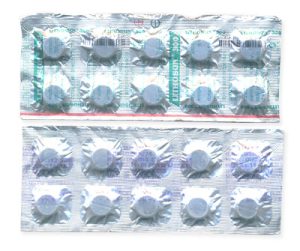
Common Pack Styles: Blister packs, strip packs, HDPE bottles, and glass ampoules in some markets
Patients often search for lithium tablets, lithium carbonate 300 mg tablet, or Quilonum SR 450 mg when checking exactly what is on their script.
Indications In Local Medical Practice
Why is lithium prescribed so often in psychiatry?
In Australian practice, the main use is mood stabilisation, especially for bipolar disorder, acute mania, and maintenance therapy.
It is prescribed under ongoing monitoring because response, dose, and safety all depend on blood levels and kidney function.
Prescribers commonly choose lithium when relapse prevention is a priority and the patient has previously responded well.
It is also used in selected off-label situations, including augmentation in treatment-resistant depression when clinically appropriate.
That decision depends on the diagnosis, the person’s response history, and whether blood monitoring can be done reliably.
| Condition | Typical Purpose | Monitoring Focus |
|---|---|---|
| Bipolar disorder | Maintenance and relapse prevention | Serum lithium, kidney, and thyroid tests |
| Acute mania | Control of elevated mood and agitation | Early serum level checks |
| Resistant depression | Augmentation when appropriate | Response, dose, and blood levels |
Acute episodes may last weeks to months, while maintenance treatment can be potentially lifelong in recurrent mood disorders.
How It Works In The Body
In plain terms, lithium helps take the edge off extreme mood swings.
It reduces the intensity and frequency of manic episodes, which is why lithium bipolar Australia searches are usually about long-term steadier mood rather than a quick fix.
A helpful way to picture it is like turning down the volume on a speaker that keeps spiking too loudly.
The clinical picture is broader than that simple explanation, because lithium affects neurotransmission, neuronal signalling, and mood regulation.
The exact mechanism is not fully understood, which is common in real-world medicine.
What matters most for patients is that the benefit is delayed and monitoring is essential because the therapeutic window is narrow.
It is not a medicine that should be expected to make someone feel better today in the same way a pain reliever might.
How It Works
Start treatment.
Check blood levels.
Adjust the dose carefully.
Keep monitoring mood, kidney, and thyroid function.
Dosage And Administration
What dose is usually started first?
For adults with acute mania or bipolar disorder, treatment often starts at 600 to 900 mg a day in divided doses.
Maintenance doses are commonly 900 to 1200 mg a day, adjusted to serum lithium levels.
The usual therapeutic range for most patients is 0.6 to 1.2 mmol/L.
Available forms include 150 mg, 200 mg, 250 mg, 300 mg, 400 mg, and 450 mg strengths, plus oral solutions in some markets.
Immediate-release tablets are taken in smaller divided doses, while modified-release products release the medicine more slowly through the day.
That difference matters because the dose, timing, and brand can change the blood level quite a bit.
| Age Group | Starting Approach | Monitoring Note |
|---|---|---|
| Adults | Typical start 600 to 900 mg/day | Check serum levels after changes |
| Elderly | Start at 50 to 75% of adult dose | Watch renal clearance closely |
| Children | Not first-line; specialist guidance needed | Weight-based dosing and close review |
| Kidney impairment | Reduce dose or avoid if significant | Renal function is critical |
Missed dose callout: take it as soon as remembered unless the next dose is close, and do not double up.
Contraindications And Side Effects
Most people notice thirst, frequent urination, tremor, nausea, or tiredness before anything else.
Those effects can be annoying, but many are mild and may settle once the dose is stabilised.
Common issues include GI upset, fine hand tremor, polyuria, polydipsia, weight gain, acne or rash, and memory disturbances.
Long-term use can also affect the thyroid and parathyroid glands, so hypothyroidism and hyperparathyroidism are part of routine safety checking.
- Mild Side Effect
- A symptom that is unpleasant but not immediately dangerous, such as mild nausea or fine tremor.
- Toxicity
- A dangerous rise in lithium levels that may cause vomiting, confusion, drowsiness, unsteady walking, slurred speech, or worsening tremor.
- Seek Urgent Help
- If there is confusion, severe diarrhoea, severe tremor, collapse, or signs of overdose.
Absolute contraindications include severe renal impairment or failure, sodium depletion, dehydration, allergy to lithium salts, Addison’s disease, and Brugada syndrome.
Hot weather, strenuous exercise, and gastro illness can quickly increase toxicity risk in Australia because dehydration changes lithium levels.
Comparable Medicines
What if lithium is not the right fit?
For bipolar disorder, alternatives include valproate, lamotrigine, carbamazepine, quetiapine, and olanzapine.
The best option depends on diagnosis, past response, comorbidities, and how well blood tests or follow-up can be maintained.
| Medicine | Main Use | Key Advantage | Common Drawback | PBS / Monitoring Note |
|---|---|---|---|---|
| Lithium | Bipolar disorder, relapse prevention | Strong long-term efficacy | Blood tests and interaction risk | Monitoring is mandatory |
| Valproate | Mania and maintenance | Useful for acute control | Weight and other safety issues | Monitoring required |
| Lamotrigine | Maintenance and depression prevention | Often well tolerated | Slow titration | Watch for rash |
| Carbamazepine | Mania and mood stabilisation | Alternative when needed | Interactions | Requires checks |
| Quetiapine | Bipolar symptoms | Flexible use | Sedation and weight gain | Clinical review needed |
| Olanzapine | Mania and maintenance | Effective for some patients | Metabolic effects | Ongoing review needed |
Lithium carbonate tablets remain a mainstay because the evidence base is long and the relapse-prevention effect is well established.
Current Research And Trends
From 2022 to 2025, the big theme has been the same: lithium still matters, but safety monitoring and long-term optimisation matter just as much.
International research continues to focus on better relapse prevention, better monitoring, and using the medicine safely over time.
In Australian clinical practice, telehealth prescribing and repeat management have become more common, and patients are more aware of blood tests before and after dose changes.
Supply sensitivity is still relevant, so brand substitution can happen if a specific product such as Lithicarb or Quilonum SR is not readily available.
Trend Snapshot
More telehealth.
More repeat coordination.
More awareness of monitoring.
More brand switching when supply changes.
Common Patient Questions
What is lithium used for?
It is mainly used for bipolar disorder, especially for mood stabilisation and relapse prevention.
How long does it take to work?
Effects are delayed, and acute episodes may take weeks to months to settle.
Can I drink alcohol?
Alcohol is a conversation worth having with the prescriber, because safety and mood stability can both be affected.
What if I miss a dose?
Take it when remembered unless the next dose is close, and do not double doses.
Why do I need blood tests?
Because blood monitoring is mandatory and helps keep the level in the therapeutic range.
Is lithium safe in hot weather?
Extra caution is needed because dehydration can increase toxicity risk.
Can I get PBS cover, use an eScript, or switch brands?
Those are common Australia-specific questions, and the answer depends on the script, the PBS criteria, and current stock.
- PBS Access
- Can reduce patient cost when eligibility criteria are met.
- eScript
- Useful for repeats and telehealth-linked care.
- Stock Shortage
- Ask the pharmacist before the script runs out.
- Brand Substitution
- Confirm with the pharmacist before collecting.
Regulatory Status
Lithium is a prescription medicine in Australia.
That aligns with its international status as a prescription-only mood stabiliser.
PBS access can lower patient cost when criteria are met, but the final price still depends on pack size, brand, and whether the supply is private or subsidised.
| Supply Type | Repeat Supply | Pharmacist Action Point |
|---|---|---|
| PBS | Subject to script rules and eligibility | Check patient entitlement and brand |
| Private | Priced by the pharmacy | Confirm stock and substitution |
| Repeat dispense | Depends on prescriber direction | Coordinate timing with monitoring |
Pharmacists often help patients understand substitutions and repeat timing so there are fewer surprises at the counter.
Visual Recommendations
A clear PBS pricing infographic helps patients compare subsidised and private supply at a glance.
A pharmacy network map makes it easier to see where stock is likely to be available across Australia.
A dose-strength chart is useful for 300 mg, 400 mg, and 450 mg modified-release products, especially when comparing pack types and brand examples.
Suggested Icons
Tablet.
Blood test.
Hydration.
Storage.
A monitoring timeline visual should show baseline testing, checks after dose changes, and periodic follow-up.
Buying And Storage Advice
Buying lithium in Australia can happen in store, by eScript, or through online repeat services.
Before checkout, it is worth checking the brand, strength, release type, and whether substitution is acceptable.
That matters for lithium tablets because a 300 mg immediate-release product is not the same thing as a 450 mg modified-release one.
Rural buyers often need to call ahead, while price-sensitive shoppers in metro areas may compare discount pharmacy options first.
Brands such as Camcolit, Lithicarb, and Quilonum SR may be available depending on market supply.
- Store at 25°C when possible.
- Avoid moisture, heat, and direct sun.
- Keep out of cars, bathrooms, and windowsills.
- Leave it in the original labelled pack for travel.
- Check medicine rules before interstate or overseas trips.
Australian household conditions can be harsh on medicines, so good storage matters more than people think.
Guidelines For Proper Use
What keeps lithium use safe over time?
The pharmacist plays a big role in counselling, interaction checks, and repeat coordination, especially when telehealth is part of the prescribing process.
Common interacting medicines include NSAIDs, ACE inhibitors, and diuretics, so a new script should always be checked carefully.
Hydration and salt consistency matter because sudden fluid loss can change blood levels quickly.
Patients should not stop suddenly without advice, and they should never double a missed dose.
Red flags include vomiting, severe diarrhoea, confusion, severe tremor, poor coordination, and excessive sleepiness.
- Safe Use
- Take the medicine exactly as prescribed, with regular blood tests and pharmacy review.
- Urgent Review
- Needed if side effects worsen, interacting medicines are started, or dehydration occurs.
- Emergency
- Needed for overdose concerns, marked confusion, severe tremor, or collapse; supportive care and sometimes dialysis may be required because there is no specific antidote.
Safety Box: Keep hydration steady, avoid dose changes without advice, and contact the pharmacist or prescriber promptly if anything about the lithium carbonate 300 mg tablet or any other strength does not look right.
Delivery Across Australia
| City | Region | Delivery Time |
|---|---|---|
| Sydney | New South Wales | 9-14 days |
| Melbourne | Victoria | 9-14 days |
| Brisbane | Queensland | 9-14 days |
| Perth | Western Australia | 9-14 days |
| Adelaide | South Australia | 9-14 days |
| Canberra | Australian Capital Territory | 9-14 days |
| Hobart | Tasmania | 9-14 days |
| Darwin | Northern Territory | 9-14 days |
| Gold Coast | Queensland | 9-14 days |
| Newcastle | New South Wales | 9-14 days |
| Wollongong | New South Wales | 9-14 days |
| Geelong | Victoria | 9-14 days |
| Townsville | Queensland | 14-21 days |
| Bundaberg | Queensland | 14-21 days |