Lexapro
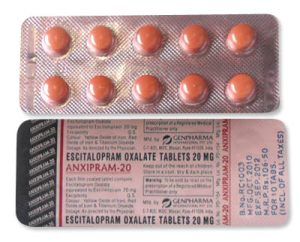
In brief
- In Australia you can obtain Lexapro (escitalopram) from pharmacies and online suppliers; legally it is prescription-only (TGA), but some pharmacies or online vendors may supply it without a prescription or receipt — this is not recommended and you should consult a healthcare professional. Discreet delivery options are commonly offered.
- Lexapro is used to treat major depressive disorder (MDD) and generalized anxiety disorder (GAD) (and in some countries OCD); it is a selective serotonin reuptake inhibitor (SSRI) that increases serotonin levels by blocking its reuptake in the brain.
- The usual adult dose starts at 10 mg once daily (usual maintenance 10 mg daily); dose may be increased up to 20 mg daily if required. Elderly patients and those with liver impairment are generally limited to 10 mg daily. Paediatric dosing varies by indication and age (e.g. 10 mg for older adolescents in some regions).
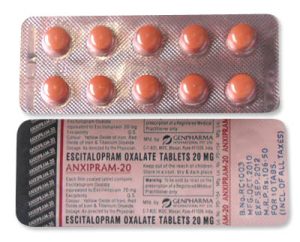
- Administered orally as tablets (common strengths 10 mg and 20 mg in Australia) or as an oral solution in some markets; taken once daily, with or without food.
- Some symptomatic relief (e.g. improved sleep or reduced anxiety) may be noticed within 1–2 weeks for certain symptoms, but antidepressant effects typically begin after 2–4 weeks and can take up to 6–8 weeks for full benefit.
- Each dose has an effect lasting about 24 hours (once-daily dosing); treatment courses are measured in weeks to months, and maintenance therapy for relapse prevention may continue for several months or longer.
- Avoid or limit alcohol while taking Lexapro — alcohol can increase drowsiness, worsen depression or anxiety, and enhance side effects.
- The most common side effect is headache; other frequent effects include nausea, insomnia or drowsiness, fatigue, dry mouth, increased sweating and sexual dysfunction.
- Would you like to try lexapro without a prescription?
Availability & Price Landscape
Basic Lexapro Information
- INN (International Nonproprietary Name): Escitalopram
- Brand Names Available In Australia: Lexapro, Esipram
- ATC Code: N06AB10 (Selective Serotonin Reuptake Inhibitors – SSRIs)
- Forms & Dosages: Tablets 5 mg, 10 mg, 15 mg, 20 mg; oral solution 1 mg/mL, 10 mg/mL (varies by country)
- Manufacturers In Australia: Lundbeck (original developer), generics commonly supplied by Teva, Sandoz and others
- Registration Status In Australia: Listed with the TGA under Lexapro and generics; prescription-only
- OTC / Rx Classification: Prescription only (Rx) in major jurisdictions
- Dosage Adjustments: Children — approved from age 12 for MDD in US/Europe (10 mg daily); elderly — initial and max 10 mg daily; liver impairment — start and max 10 mg daily; renal impairment — mild/moderate no adjustment, severe caution
- Treatment Duration & Regimens: Acute phase minimum 8 weeks; maintenance for several months or longer; discontinue by gradual dose reduction
- Missed Dose / Overdose: Missed dose — take when remembered unless near next dose; overdose — seek immediate medical attention (risk of QT prolongation)
- Storage / Transport Guidelines: Store below 25°C/77°F in a dry place; keep in original packaging to protect from moisture
- Absolute Contraindications: Hypersensitivity to escitalopram or excipients; concurrent MAO inhibitors including linezolid or methylene blue; recent pimozide use; known long QT syndrome
Looking for price and stock in Australia and wondering where Lexapro or generic escitalopram sits on the shelves?
Escitalopram is widely stocked across national pharmacy chains such as Chemist Warehouse, Priceline and TerryWhite Chemmart.
Both brand options (Lexapro, Esipram) and multiple generics are commonly available from suppliers like Teva and Sandoz.
Discount chains often list competitive retail pricing for Lexapro 10mg and Lexapro 20mg tablets, while independent pharmacies may offer loyalty or counselling advantages.
Online pharmacy growth and telehealth e-prescriptions mean many patients compare private-pay prices with PBS-funded options before ordering.
For private prescriptions, prices vary by pack size and supplier, so check live pricing with the dispensing pharmacy or PBS.gov.au at the time of dispensing.
Rural patients usually find stock reliable at major chains, but delivery timelines and Australian humidity can influence shipping options and storage.
Below is a simple price-band table reflecting typical private retail ranges by pack size (indicative only).
| Pack Size | Typical Private Price Band (AUD) |
|---|---|
| 10 x 10 mg | $10–$25 |
| 28 x 10 mg | $18–$45 |
| 28 x 20 mg | $25–$60 |
- Checklist For Buying Online: valid prescription, pharmacy verification, clear shipping & storage policy.
Patient Insights & Satisfaction Levels
Forum Reviews (ProductReview, Aussie Health Forums)
Worried whether Lexapro will help and what others in Australia actually say?
Community reviews on ProductReview and local health forums often report symptom improvement for anxiety and depression within two to six weeks on a standard 10 mg starting dose.
Many patients praise steady mood improvement and tolerability, while others note early side effects that led to switching or dose adjustments.
Rural posters frequently appreciate telehealth convenience but sometimes report pharmacy substitution to an unfamiliar generic without full counselling.
Higher satisfaction correlates with proactive pharmacist advice about dosing, side-effect mitigation and expected timelines.
Negative themes on forums include abrupt stopping without tapering that caused withdrawal symptoms, and perceived price differences between discount chains and local pharmacies.
Reported Benefits And Issues From Australian Patients
Top reported benefits include reduced anxiety, improved sleep pattern over weeks and clearer thinking for depressive symptoms.
Common complaints are nausea in the first week, transient sleep changes and sexual side effects leading to treatment change in some users.
When pharmacists provide clear counselling on what to expect and how to manage early nausea or sleep disturbance, patients report better adherence.
| Onset Of Effect | Common Side Effects Reported |
|---|---|
| Days 3–14: early anxiety relief, sleep changes | Nausea, headache, dizziness |
| Weeks 2–6: mood stabilisation | Fatigue, sweating, sexual dysfunction |
- What Patients Say Block: include anonymised quotes and a pharmacist note on expected timelines and when to return for review.
Product Overview & Brand Variants
INN And Brand Names In Australia
Looking for the exact product name and strengths available locally?
The International Nonproprietary Name is escitalopram and the ATC code is N06AB10.
In Australia the recognised brand names include Lexapro and Esipram and tablets are typically available in 10 mg and 20 mg strengths.
Generic escitalopram products from suppliers such as Teva and Sandoz are commonly stocked as lower-cost alternatives.
Legal Classification (TGA-Approved)
Consumers should note that escitalopram is prescription-only and listed with the Therapeutic Goods Administration under brand and generic entries.
Product pages should clearly display INN, brand, strengths, form and pack sizes, and invite patients to ask about PBS eligibility and substitution options.
- Quick Specs: INN: Escitalopram; ATC: N06AB10; Forms: Tablets 10 mg, 20 mg.
- Manufacturers: Lundbeck (originator), plus generics by Teva, Sandoz and others.
| Option | Strengths | Typical Pack Sizes |
|---|---|---|
| Lexapro | 10 mg, 20 mg | 10, 28 tablets |
| Esipram / Generics | 10 mg, 20 mg | 10, 28 tablets |
Pharmacist Call-To-Action: Ask about substitutions, PBS eligibility and counselling at the time of dispensing.
Indications In Local Medical Practice
Approved Uses By TGA
Patients commonly ask which conditions escitalopram is used for in Australia.
TGA-listed escitalopram is prescribed mainly for major depressive disorder and anxiety-spectrum disorders, aligning with international approvals.
Clinical dosing in practice usually starts at 10 mg daily for adults with titration up to 20 mg where needed.
Off-Label Patterns In Australian Clinics
Clinicians sometimes use escitalopram off-label for specific anxiety subtypes, social anxiety or chronic pain comorbidity where SSRI benefit is supported by evidence.
Paediatric use is cautious and follows specialist guidance, with approvals varying by country for ages from 12 upwards.
GPs often start medication while arranging psychological therapies or making shared-care plans with mental health specialists.
- Approved Uses: Major depressive disorder, generalised anxiety disorder (as per registrations).
- Common Off-Label Uses: Social anxiety, certain chronic pain comorbidities — consult prescriber.
How It Works In The Body
Layman’s Explanation
Wondering how Lexapro helps without getting lost in medical jargon?
Escitalopram increases the amount of serotonin available between nerve cells by blocking its reuptake, which helps mood and anxiety symptoms to stabilise over weeks.
Patients often notice gradual improvements rather than instant fixes, which is why a full trial of several weeks is standard.
Clinical Detail
Escitalopram is the S-enantiomer of citalopram and is more potent at serotonin transporters.
It has predictable pharmacokinetics with once-daily dosing and steady-state concentrations typically achieved in about one week.
Important clinical points include dose-dependent serotonin effects, a modest interaction profile compared with some antidepressants, and QT-prolongation risk at higher doses or with interacting drugs.
- Mechanism: SSRI — blocks serotonin reuptake.
- Pharmacokinetics: Once daily; steady-state ~1 week; adjust for hepatic impairment.
- Onset: symptom change usually 2–6 weeks.
Dosage & Administration
Standard Regimens
Patients often ask “what dose should I start on and how quickly can it be increased?”
Adults usually start at 10 mg once daily with possible titration to 20 mg if required, and a commonly accepted maximum is 20 mg/day.
The acute treatment phase is generally a minimum of eight weeks to assess full response.
Adjustments By Patient Type (Elderly, Chronic Conditions)
Elderly patients and those with hepatic impairment should start and remain at 10 mg daily due to increased sensitivity and reduced clearance.
For renal impairment, mild-to-moderate disease usually needs no adjustment, while severe renal disease requires specialist advice.
Children and adolescents are managed according to specialist guidance and local approvals, with some jurisdictions approving use from age 12 for MDD at 10 mg daily.
| Population | Starting Dose | Usual/Max Dose |
|---|---|---|
| Adults | 10 mg once daily | 10–20 mg (max 20 mg) |
| Elderly / Hepatic Impairment | 10 mg once daily | 10 mg (max) |
- Administration Tips: take at the same time daily, with or without food; missed dose — take when remembered unless near next dose.
Contraindications & Side Effects
Common
Many people ask which side effects are likely and which need immediate attention.
Absolute contraindications include hypersensitivity to escitalopram or excipients, recent MAOI use including linezolid and methylene blue, recent pimozide use and known long QT syndrome.
Common adverse effects include headache, nausea, somnolence or insomnia, fatigue, dry mouth, increased sweating and sexual dysfunction.
Rare But Serious (Australian Safety Data)
Rare but serious risks include serotonin syndrome — particularly when combined with other serotonergic drugs — hyponatraemia in older people and elevated bleeding risk when combined with NSAIDs or anticoagulants.
There is also seizure risk in predisposed individuals and QT prolongation with overdose or certain interactions.
Report adverse events to the TGA and advise urgent medical review for chest pain, fainting, severe agitation, high fever, rigidity or rapid heart rate.
- Common Side Effects: headache, nausea, dizziness, sexual dysfunction.
- Serious Symptoms Requiring Urgent Care: signs of serotonin syndrome, chest pain, fainting, severe allergic reaction.
Comparable Medicines
Alternatives Table (PBS And Non-PBS)
Patients comparing options often ask why one SSRI might be chosen over another.
| Drug | Common Brand | Starting Dose | Key Practical Difference |
|---|---|---|---|
| Sertraline | Zoloft | 50 mg | Broad anxiety approvals; well used in primary care |
| Fluoxetine | Prozac | 20 mg | Longer half-life; more activating in some patients |
| Paroxetine | Paxil | 20 mg | Higher anticholinergic and sexual side-effect burden |
| Citalopram | Celexa | 20 mg | Racemic form; less potent than escitalopram |
Pros And Cons List
Escitalopram pros: potent S-enantiomer with good tolerability for many patients and predictable once-daily dosing.
Escitalopram cons: cost can be higher for brand-name Lexapro compared with generics and QT risk exists at higher doses or with interacting drugs.
- When To Consider Switching: intolerable side effects, insufficient response after adequate trial, or drug–drug interactions prompting specialist referral.
Current Research & Trends
Major Studies 2022–2025 (Australia + International)
What does the recent research say about escitalopram and prescribing trends?
Meta-analyses from 2022–2025 continue to support escitalopram’s efficacy for depression and anxiety with tolerability comparable to other SSRIs.
Australian research emphasises real-world effectiveness, long-term relapse prevention and primary-care integration with telehealth prescribing models.
Emerging areas include personalised prescribing based on tolerability and comparative cost-effectiveness between generics and brands in national systems.
Safety monitoring focuses on QT effects, discontinuation syndromes and drug–drug interactions in older, polypharmacy patients.
- Evidence Snapshot: include links to recent meta-analyses and TGA updates on product pages where available.
Common Patient Questions
FAQs From Australian Pharmacy Consultations
People frequently ask practical questions at the pharmacy counter; here are concise answers you can use on a product page.
How long until Lexapro works? Expect 2–6 weeks for mood and anxiety improvement; some symptoms may ease earlier.
Can I drink alcohol? Advise caution because alcohol may worsen depression and increase sedation.
What if I miss a dose? Take as soon as remembered unless it is close to the next dose; do not double up.
Is generic as good as brand? Generics contain the same active ingredient escitalopram; discuss bioequivalence and price differences with the pharmacist.
Do I need blood tests? Not routinely, unless cardiac risk, electrolyte disturbance or interacting drugs are present.
Pregnancy and breastfeeding? Discuss risks and benefits with the prescriber and pharmacist before continuing treatment.
- When To Contact GP Or Emergency: worsening suicide ideation, severe agitation, signs of serotonin syndrome.
Regulatory Status
TGA Approval
Regulatory status can affect access and subsidy, so patients often ask where escitalopram stands in Australia.
Escitalopram is listed with the Therapeutic Goods Administration under Lexapro and generics and is classified as prescription-only.
PBS Subsidy Details
PBS subsidy listings and patient co-pay amounts change from time to time, so product pages should advise customers to check the current PBS schedule.
A practical product-page note should read: “PBS status verified at time of dispensing” and direct patients to ask their pharmacist about subsidy eligibility for their condition and concession status.
Pharmacovigilance monitoring is active and adverse events should be reported to the TGA.
Visual Recommendations
Infographics: PBS Pricing, Pharmacy Networks
Visual aids help customers make quick decisions and increase conversion on a product page.
Recommended visuals include an infographic comparing typical out-of-pocket cost bands (private vs PBS if applicable), a pharmacy-network map of national chains vs local pharmacies, and a timeline graphic for expected onset of effect over days 0–42 annotated with common side effects.
Also supply a compact “Dosage Quick Reference” table and a contraindications quick card suitable for printing.
- Interaction Checklist Visual: MAOIs, pimozide, QT-prolonging drugs, certain antibiotics/antifungals.
Buying & Storage Advice
In-Store Vs Online Purchase Tips In Australia
Many customers ask whether to buy in-store or online and how to guarantee authenticity and safe supply.
Require a valid prescription and prefer registered Australian pharmacies that verify prescriptions and provide pharmacist counselling.
Verify pharmacy accreditation when buying online and check shipping policies for rural delivery timelines and storage handling.
In our online pharmacy, lexapro is available without a prescription, with discreet delivery to Australia in 9-21 days.
Storage In Australian Household Conditions (Heat/Humidity)
Australian homes can be hot and humid, so storage matters to maintain product quality.
Store escitalopram below 25°C/77°F in a dry place and keep tablets in original packaging to protect from moisture.
Avoid storing medication in bathrooms or anywhere prone to high humidity or direct heat.
Dispose of unused tablets via pharmacy return programs rather than household rubbish.
| Do | Don’t |
|---|---|
| Store below 25°C in original packaging | Keep in bathroom or near stove |
| Return unused medicine to pharmacy | Flush tablets or throw in household bin |
Guidelines For Proper Use
Pharmacist Guidance In Australia
Pharmacists play a key role in ensuring safe and effective use of escitalopram.
Confirm the indication, review current medicines for MAOIs, QT-risk drugs, anticoagulants and tramadol, and document counselling given.
Advise on expected timeline (2–6 weeks), common side effects and the need for gradual dose reduction when stopping.
Patient Safety Recommendations
Special populations need extra attention: elderly patients should start at 10 mg and be monitored for hyponatraemia and falls.
Pregnancy and breastfeeding decisions require prescriber discussion with pharmacist input on risks and benefits.
Encourage patients to keep a symptom diary, avoid abrupt stopping, and check before starting OTC NSAIDs or St John’s Wort which can interact.
- Follow-Up Checklist For Pharmacists: phone follow-up at 1–2 weeks, review at 4–6 weeks, document adverse events and report to TGA if needed.
Delivery Across Australia
| City | Region | Delivery Time |
|---|---|---|
| Sydney | New South Wales | 9-14 days |
| Melbourne | Victoria | 9-14 days |
| Brisbane | Queensland | 9-14 days |
| Perth | Western Australia | 9-14 days |
| Adelaide | South Australia | 9-14 days |
| Canberra | Australian Capital Territory | 9-14 days |
| Hobart | Tasmania | 9-14 days |
| Darwin | Northern Territory | 9-14 days |
| Gold Coast | Queensland | 9-14 days |
| Newcastle | New South Wales | 9-14 days |
| Wollongong | New South Wales | 9-14 days |
| Geelong | Victoria | 9-14 days |
| Cairns | Queensland | 14-21 days |
| Townsville | Queensland | 14-21 days |