Aropax
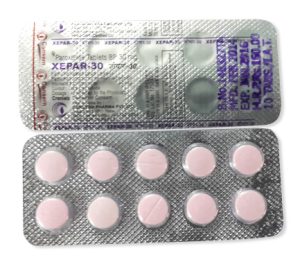
In brief
- In Australia Aropax is available in community pharmacies and via online suppliers; officially it is prescription-only (Rx), although some pharmacies may supply it without a receipt — this is not recommended and you should consult a prescriber for safe use.
- Aropax (paroxetine) is used to treat major depressive disorder, panic disorder, generalised anxiety disorder, social anxiety disorder, obsessive–compulsive disorder, PTSD and PMDD (and a low‑dose formulation is used for menopausal hot flashes); it is a selective serotonin reuptake inhibitor (SSRI) that increases serotonin levels by blocking its reuptake into nerve cells.
- Usual dosages vary by indication: depression/anxiety typically start at 20 mg once daily (usual maintenance 20–50 mg/day), panic disorder may start lower (10 mg) and titrate to 40 mg, OCD often requires 40–60 mg/day, PMDD uses 12.5–25 mg CR and Brisdelle (menopause) is 7.5 mg once daily; elderly and hepatic/renal impairment usually start at 10 mg.
- Administration is oral: immediate‑release tablets (10–40 mg), controlled‑release tablets (12.5–37.5 mg), oral suspension (10 mg/5 ml) and a 7.5 mg capsule formulation for menopausal symptoms (Brisdelle).
- Some people notice early symptom changes within 1–2 weeks, but meaningful antidepressant or anxiolytic effects typically take 4–6 weeks and may take up to 8 weeks for full benefit.
- Aropax is taken once daily and its clinical effect is maintained with daily dosing (covers about 24 hours); paroxetine’s elimination half‑life is approximately 21 hours.
- Avoid or limit alcohol while taking Aropax — alcohol can increase drowsiness, impair judgement, worsen mood symptoms and raise the risk of side effects.
- The most common side effec is nausea.
- Would you like to try aropax without a prescription?
Basic Aropax Information
- INN (International Nonproprietary Name): Paroxetine.
- Brand Names Available In Australia: Aropax is the principal marketed brand in Canada & Australia according to the product information.
- ATC Code: N06AB05.
- Forms & Dosages: Immediate-release tablets 10 mg, 20 mg, 30 mg, 40 mg; controlled-release tablets 12.5 mg, 25 mg, 37.5 mg; oral suspension 10 mg/5 ml; capsule 7.5 mg (Brisdelle, US only).
- Manufacturers In Australia: Generics are supplied by Apotex, Sandoz and Teva in markets including Australia as listed in the product information.
- Registration Status In Australia: Not specified.
- OTC / Rx Classification: Prescription only (Rx) in markets checked; classified as prescription-only medicine.
Availability & Price Landscape
Where will you find Aropax or paroxetine in Australia and how does price vary?
National Pharmacy Chains (Chemist Warehouse, Priceline, TerryWhite)
Major chains such as Chemist Warehouse, Priceline and TerryWhite Chemmart routinely stock paroxetine formulations in store and list products online.
Chemist Warehouse is commonly cited by shoppers as offering low private prices on generics and branded antidepressants.
Priceline and community pharmacies often provide prescriber liaison, counselling and private-prescribe options at the pharmacy counter.
TerryWhite and community chemists may prioritise continuity of care and repeat‑prescription services over discount pricing.
Online Pharmacy Trends In Australia
Online pharmacy ordering and telehealth-linked e‑prescriptions have increased access, especially for repeat supplies and rural patients.
Many customers compare in-store discount pricing with online specials before buying paroxetine 20 mg tablets or generics.
Pharmacies advertise Aropax and APO-Paroxetine on their websites with pharmacist counselling available via phone or chat.
Price Ranges By Package Size (PBS Vs Private)
Exact private prices and PBS subsidy status vary by formulation, pack size and patient concession entitlement.
| Pack Size | PBS Price Range | Private Price Range |
|---|---|---|
| 10/20/30 Tablet Packs | Not specified | Not specified |
| 40 Tablet Packs | Not specified | Not specified |
| Controlled‑Release Packs | Not specified | Not specified |
Practical Market Realities, Buying Context: Aropax (paroxetine) is widely stocked across major Australian chains and offered through pharmacy websites and telehealth e‑prescription services.
Many shoppers compare in‑store discount pricing with online specials and often find Chemist Warehouse listing generics at very competitive private prices.
Community pharmacies emphasise pharmacist counselling and private prescribing as a value proposition versus discount chains.
Note: paroxetine is prescription-only (TGA classification), so a lawful prescription is required for standard supply.
Practical Buying Tips: check whether the product and indication are PBS-subsidised for your concession status and confirm pack size and tablet strength before purchase.
- Telehealth E‑Prescriptions Checklist: have prescriber details, prescription reference and ID ready.
- Pharmacy Refill Options: request repeats early and ask about home delivery for rural areas.
- ID Required: bring photo ID if collecting in person and confirm entitlement for PBS concession if applicable.
Patient Insights & Satisfaction Levels
What do Australian patients say online before clinical adjustments are made?
Forum Reviews (ProductReview, Aussie Health Forums)
ProductReview and local health forums contain mixed reports from users of Aropax and paroxetine generics.
Rural posters often report reliance on telehealth for prescriptions and intermittent stockouts leading to delayed supplies.
Urban users frequently report faster repeats and same‑day collections from large chains.
Reported Benefits And Issues From Australian Patients
Many patients report symptom improvement in mood and anxiety within two to six weeks of starting therapy.
Commonly reported early adverse effects include nausea, changes to sleep and decreased sexual function; these are frequently cited in forum threads.
Adherence problems often relate to morning nausea, daytime sedation or distressing withdrawal symptoms after missed doses.
Here Are Common Patient‑Reported Benefits And Issues With Frequency Indicators:
- Common: improved mood/anxiety (within 2–6 weeks), nausea, drowsiness, sexual dysfunction.
- Occasional: weight changes, sweating, mild tremor, insomnia.
- Rare: severe discontinuation symptoms on abrupt stop, hyponatraemia in elderly.
Definitions
- Withdrawal: symptoms that occur after abrupt cessation or rapid dose reduction and can include dizziness, electric‑shock sensations and flu‑like symptoms.
- Side Effect: an expected adverse reaction while taking the medicine, such as nausea or drowsiness.
Product Overview & Brand Variants
Which brands and strengths are relevant to Australian shoppers?
INN And Brand Names In Australia
The INN is paroxetine and the principal marketed brand in Australia is Aropax.
Generics available in markets including Australia are produced by Apotex, Sandoz and Teva as listed in the product information.
Legal Classification (TGA‑Approved)
Paroxetine is prescription-only and must be supplied against an authorised prescription under Australian regulation.
ATC code is N06AB05, classifying paroxetine as an SSRI antidepressant.
| Brand Name | Manufacturer | Common Pack Sizes Available In Australia |
|---|---|---|
| Aropax | Local sponsor / original marketing | Tablets in 10 mg, 20 mg, 30 mg, 40 mg packs |
| APO‑Paroxetine | Apotex | Generic tablet packs (strengths as above) |
| Paroxetine Sandoz | Sandoz | Generic tablet packs (strengths as above) |
Definitions
- INN: International Nonproprietary Name; the generic name of the active substance.
- ATC Code: Anatomical Therapeutic Chemical classification; paroxetine is N06AB05.
- TGA Classification: denotes regulatory status in Australia; paroxetine is prescription-only.
Indications In Local Medical Practice
What are TGA‑aligned uses and how do Australian clinicians commonly use Aropax off label?
Approved Uses By TGA
TGA-aligned indications mirror international approvals and include major depressive disorder, panic disorder, generalised anxiety disorder, social anxiety disorder, obsessive‑compulsive disorder and post‑traumatic stress disorder.
Premenstrual dysphoric disorder is treated with controlled‑release schedules internationally and paroxetine can be used for PMDD as described in product data.
Off‑Label Patterns In Australian Clinics
Off‑label Australian uses sometimes include chronic pain with comorbid depression, adjunctive use in resistant anxiety and select behavioural symptoms under specialist supervision.
Clinicians consider duration carefully; standard courses are usually six to 12 months for depression and longer for relapse prevention in recurrent cases.
| Indication | Typical Starting Dose | Usual Maintenance / Max |
|---|---|---|
| Major Depressive Disorder | 20 mg once daily | 20–50 mg/day |
| Panic Disorder | 10 mg once daily (titrate) | Up to 40 mg/day |
| OCD | 20 mg once daily | 40–60 mg/day |
| PMDD | 12.5 mg CR | 12.5–25 mg/day CR |
- TGA‑Approved Indications: depression, panic disorder, GAD, social anxiety disorder, OCD, PTSD, PMDD (CR schedules noted).
- Common Off‑Label Reasons: chronic pain comorbidity, adjunctive use in treatment‑resistant anxiety, specialist‑led behavioural indications.
How It Works In The Body
How does paroxetine reduce anxiety and improve mood?
Layman’s Explanation
Paroxetine is an SSRI that increases serotonin levels in brain circuits that regulate mood and anxiety.
That change usually reduces symptoms gradually over a few weeks rather than immediately.
Clinical Detail
Paroxetine selectively inhibits serotonin reuptake and is classified under ATC N06AB05.
It has oral bioavailability and undergoes hepatic metabolism with steady state and clinical effect typically developing over two to six weeks.
Pharmacists should note paroxetine is a moderate–strong CYP2D6 inhibitor and has relatively greater anticholinergic properties compared with some other SSRIs.
Discontinuation syndrome risk is higher with paroxetine than fluoxetine or sertraline, so gradual tapering is important.
| Plain English Mechanism | Clinical Notes |
|---|---|
| Blocks serotonin reabsorption to raise available serotonin in mood circuits. | PK: oral dosing, hepatic metabolism, steady state in days to weeks; inhibits CYP2D6; anticholinergic effects present. |
Definitions
- SSRI: selective serotonin reuptake inhibitor; class of antidepressant that increases serotonin availability.
- Steady State: the point at which plasma concentrations stabilise with regular dosing.
- Discontinuation Syndrome: symptoms after abrupt cessation including dizziness, paraesthesias and flu‑like sensations.
Dosage & Administration
What are practical dosing rules and how should doses be adjusted?
Standard Regimens
Standard adult starting dose for depression and generalised anxiety is 20 mg once daily.
Panic disorder often begins at 10 mg once daily then titrates up as tolerated.
Maintenance commonly ranges 20–50 mg/day and OCD dosing may reach 60 mg/day in specialist care.
Adjustments By Patient Type (Elderly, Chronic Conditions)
Elderly patients and those with hepatic or renal impairment usually start at 10 mg/day and titrate more slowly with lower maximum doses.
Children and adolescents are not routinely recommended paroxetine because of increased suicidality risk and limited efficacy data.
| Indication | Typical Starting Dose | Usual Maintenance / Max |
|---|---|---|
| Depression / GAD | 20 mg once daily | 20–50 mg/day |
| Panic Disorder | 10 mg once daily (titrate) | Up to 40 mg/day |
| OCD | 20 mg once daily | 40–60 mg/day |
- Take at the same time each day to maintain steady blood levels.
- Do not stop abruptly; taper gradually to reduce discontinuation symptoms.
- Missed‑dose Advice: take the same day if remembered; skip if close to the next dose; do not double up.
Contraindications & Side Effects
What must be checked before supply and what warnings should patients get?
Common
Common side effects include nausea, drowsiness, dry mouth, sweating, dizziness and sexual dysfunction.
Sleep disturbance and mild gastrointestinal upset such as diarrhoea or constipation are also frequently reported.
Rare But Serious (Australian Safety Data)
Absolute contraindications include concurrent pimozide or thioridazine and recent MAOI use within 14 days.
Serious but rare risks include hyponatraemia in elderly patients, increased bleeding risk with NSAIDs or anticoagulants, serotonin syndrome with other serotonergic drugs and emergence of mania in bipolar disorder.
Counselling Points
- Advise patients to report unusual bleeding if taking NSAIDs or anticoagulants.
- Warn older patients and carers about the risk of hyponatraemia and to monitor confusion or seizures.
- Screen for bipolar history as SSRIs can precipitate manic episodes.
Definitions
- Hyponatraemia: low blood sodium which can present as confusion, weakness or seizures.
- Serotonin Syndrome: life‑threatening excess serotonergic activity causing agitation, fever and autonomic instability.
- Activation/Mania: increased energy, reduced need for sleep or risky behaviour that requires urgent psychiatric review.
Flag For Pharmacist Check: concurrent anticoagulants, NSAIDs, other serotonergic agents, and pregnancy or breastfeeding require a careful risk–benefit discussion.
Comparable Medicines
Which alternatives might a prescriber consider and how do they compare?
Alternatives Table (PBS And Non‑PBS)
| Medicine | PBS Status | Typical Starting Dose | Key Advantage | Main Downside |
|---|---|---|---|---|
| Sertraline | On PBS for many indications | 50 mg daily | Generally good tolerability | GI side effects |
| Escitalopram | On PBS for some indications | 10 mg daily | Well tolerated, fewer interactions | Cost may be higher privately |
| Fluoxetine | On PBS | 20 mg daily | Long half‑life eases discontinuation | Activation in some patients |
| Venlafaxine (SNRI) | On PBS for certain uses | 75 mg daily | Helpful for neuropathic pain comorbidity | Higher discontinuation symptoms at higher doses |
Pros And Cons List
- Efficacy: SSRIs have broadly similar efficacy; choice often guided by side‑effects and comorbidities.
- Side‑Effect Tradeoffs: paroxetine has higher anticholinergic and discontinuation risks; sertraline or escitalopram may be preferred for tolerability.
- Cost/PBS Status: PBS listings and concession status strongly affect out‑of‑pocket cost for Australian patients.
- Switching Practicalities: allow for washout or cross‑tapering when changing agents and monitor for serotonin syndrome.
Current Research & Trends
What does recent evidence (2022–2025) say about paroxetine and practice trends?
Major Studies 2022–2025 (Australia + International)
Recent meta‑analyses continue to highlight paroxetine’s comparatively higher risk of discontinuation syndrome versus fluoxetine and sertraline.
Research emphasises paroxetine’s CYP2D6 inhibition with implications for drug interactions in polypharmacy, particularly in older adults.
Australian research trends focus on telehealth prescribing outcomes, PBS cost‑effectiveness and rural access disparities for mental health medicines.
Trials in OCD and PTSD continue to support dose‑dependent efficacy; low‑dose paroxetine for menopausal vasomotor symptoms is recognised in some markets but is not a routine TGA recommendation.
| Author / Year | Main Outcome | Clinical Implication |
|---|---|---|
| Meta‑analysis 2023 | Higher discontinuation syndrome with paroxetine | Prefer slower tapering and consider alternatives for patients at risk |
| Telehealth Outcomes 2024 (Australia) | Improved access but variable repeat supply quality in rural areas | Pharmacists should verify prescriptions and advise on continuity |
Pharmacists should consult TGA and current peer‑reviewed sources for full study details and evolving guidance.
Common Patient Questions
Here are the quick answers patients usually want during a pharmacy consultation.
- How long until it works? Two to six weeks for mood and anxiety improvement; up to 12 weeks for full effect in some disorders.
- Can I drink alcohol? Avoid heavy drinking; alcohol can increase sedation and may reduce treatment benefit.
- Pregnancy/breastfeeding? Paroxetine has been associated with fetal risks in some reports; discuss risks with GP or psychiatrist and pharmacist.
- Can I stop suddenly? No; taper gradually over weeks under clinician guidance to avoid withdrawal.
- What if I miss a dose? Take it the same day if remembered; skip if close to the next dose; do not double up.
| Do | Don’t |
|---|---|
| Do take at the same time daily. | Don’t stop abruptly without advice. |
| Do tell your pharmacist about all medicines and supplements. | Don’t mix with MAOIs or pimozide/thioridazine. |
| Do arrange a 2–4 week review after initiation. | Don’t assume over‑the‑counter remedies are safe without checking. |
Regulatory Status
What pharmacists need to know about TGA and PBS compliance when supplying paroxetine.
TGA Approval
Paroxetine is regulated by the therapeutic goods framework and is prescription-only in the markets checked.
Pharmacists should verify ARTG listings and sponsor details when sourcing branded or generic products.
PBS Subsidy Details
PBS listings change and depend on formulation and indication, so pharmacists must check current PBS item codes and any authority requirements for subsidised supply.
| Regulatory Point | Detail |
|---|---|
| TGA Status | Prescription‑only medicine |
| PBS Code | Check current PBS schedule (not specified) |
| Prescription Requirements | Authorised prescription or lawful telehealth e‑prescription |
| Pharmacist Checks | Confirm indication, PBS entitlement and authority requirements |
- Checklist For Pharmacists: confirm indication, verify PBS entitlement, check for authority requirements and lookup ARTG number as needed.
Visual Recommendations
Which visuals help customers understand availability, pricing and safe use?
Create four accessible visual blocks for product pages.
- Pricing Infographic: PBS vs private pricing with concession impacts clearly shown and accessible colour choices.
- Pharmacy Network Map: nationwide availability highlighting discount chains (Chemist Warehouse) and community pharmacies.
- Dosing Timeline Graphic: onset, expected improvement points and review moments at 2, 4 and 12 weeks.
- Interactions Flowchart: common interactions (e.g. anticoagulants, MAOIs, pimozide) and when to refer to prescriber.
Accessibility Notes: provide descriptive alt text for each infographic and use high‑contrast palettes for users with visual impairment.
Include a small icon set showing when to seek urgent care for severe side effects such as serotonin syndrome or severe hyponatraemia.
Buying & Storage Advice
How to buy Aropax safely in Australia and how to store it at home.
In‑Store Vs Online Purchase Tips In Australia
Supply requires a valid prescription, and telehealth e‑prescriptions are accepted at most chains and online pharmacies.
Verify product name (Aropax vs generic), strength and batch when supplied online and ask about substitution and bioequivalence.
In our online pharmacy, aropax is available without a prescription, with discreet delivery to Australia in 9-21 days.
For rural customers consider home delivery or local chemist reservation to avoid stockouts.
Storage In Australian Household Conditions (Heat/Humidity)
Store at room temperature 20–25°C and protect from moisture and heat which is important in Australian summers.
Keep paroxetine in its original packaging and store away from bathrooms or humid areas and out of reach of children.
- Online‑Order Safety Checklist: verify supplier is TGA‑listed, upload prescription securely and request pharmacist counselling.
- Household Storage Tips: avoid direct sunlight, keep in a cool dry place and check expiry dates before use.
Guidelines For Proper Use
Pharmacist steps for safe supply and patient safety recommendations to support adherence.
Pharmacist Guidance In Australia
Confirm diagnosis and indication when supplying and review the patient’s current medicines for interactions including MAOIs, pimozide, thioridazine and anticoagulants.
Document counselling, advise on onset of effect, side effects and plan follow‑up at two to four weeks after initiation.
Patient Safety Recommendations
Ask patients to keep a medication diary, avoid abrupt cessation and report severe symptoms such as suicidal thoughts or signs of serotonin syndrome.
Monitor high‑risk groups: elderly, pregnant or breastfeeding patients and those on anticoagulants or multiple interacting medicines.
When To Refer
- Refer urgently for suspected serotonin syndrome or severe hyponatraemia.
- Refer to prescriber if manic symptoms or new suicidal ideation emerge.
- Refer for specialist review before dose escalation above usual ranges for OCD or resistant depression.
Pharmacist Counselling Script Template
- “This is paroxetine (Aropax) 20 mg; take once daily at the same time each day.”
- “You should expect improvement in two to six weeks; if severe side effects occur contact us or your GP.”
- “Do not stop suddenly; we can provide a taper schedule with your prescriber.”
Delivery Across Australia
| City | Region | Delivery Time |
|---|---|---|
| Sydney | New South Wales | 9-14 days |
| Melbourne | Victoria | 9-14 days |
| Brisbane | Queensland | 9-14 days |
| Perth | Western Australia | 9-14 days |
| Adelaide | South Australia | 9-14 days |
| Canberra | Australian Capital Territory | 9-14 days |
| Hobart | Tasmania | 9-14 days |
| Darwin | Northern Territory | 9-14 days |
| Gold Coast | Queensland | 14-21 days |
| Newcastle | New South Wales | 14-21 days |
| Wollongong | New South Wales | 14-21 days |
| Cairns | Queensland | 14-21 days |
| Townsville | Queensland | 14-21 days |