
Cancer

Tamoxifen
from
Fluorouracil
from
Cyclonex
from
Sprycel
from
Xeloda
from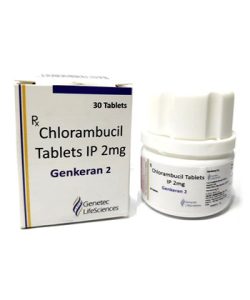
Leukeran
from
Casodex
from
Methotrexate
from
Zofran
from
Genox
from
Rheumatrex
from
Aldara
fromUnderstanding Cancer and Treatment Options
Cancer is a serious health condition that affects millions of people worldwide, including many Australians. It occurs when abnormal cells in the body grow uncontrollably and can spread to other areas, causing significant health complications. Modern cancer treatment has advanced considerably, offering patients various therapeutic options depending on the type, stage, and individual circumstances of their condition.
Treatment approaches for cancer typically include chemotherapy, radiation therapy, targeted therapy, immunotherapy, and hormone therapy. Chemotherapy remains one of the most common treatment methods, using powerful medications to kill cancer cells or slow their growth. Radiation therapy uses high-energy rays to target and destroy cancerous tissues. Newer treatments like targeted therapy and immunotherapy have revolutionised cancer care by attacking specific cancer cells whilst minimising damage to healthy tissue. Many Australian cancer patients benefit from a combination of these treatments tailored to their specific needs and medical history.
The choice of treatment depends on several factors including the cancer type, stage at diagnosis, patient age, overall health status, and personal preferences. Your oncologist will work with you to develop a personalised treatment plan that offers the best chance of success whilst managing side effects appropriately. Support services throughout your cancer journey are essential, and many Australian healthcare providers offer counselling, nutritional advice, and other supportive care services.
Common Cancer Types and Their Treatments
Different types of cancer require different treatment approaches. Breast cancer is one of the most commonly diagnosed cancers in Australia, affecting both women and men. Treatment options may include surgery, radiation, chemotherapy, hormone therapy, and targeted therapies. Tamoxifen and aromatase inhibitors are frequently prescribed for hormone receptor-positive breast cancer in Australia.
Lung cancer is another prevalent cancer type, particularly among smokers and former smokers. Treatment typically involves surgery, chemotherapy, radiation, or targeted therapy depending on whether it’s small cell or non-small cell lung cancer. Agents like cisplatin and pemetrexed are commonly used in Australian lung cancer treatment protocols.
Colorectal cancer affects the colon or rectum and is highly treatable when caught early. Treatment often involves surgery combined with chemotherapy. Fluorouracil (5-FU), oxaliplatin, and irinotecan are standard chemotherapy agents used in Australia for colorectal cancer management.
Prostate cancer is the most commonly diagnosed cancer in Australian men. Many cases are slow-growing and may only require monitoring. When treatment is necessary, options include surgery, radiation, hormone therapy, or chemotherapy. Bicalutamide and other androgen deprivation therapies are widely used.
Melanoma and other skin cancers can often be treated successfully with surgery alone if detected early. More advanced cases may require immunotherapy or targeted therapy. Nivolumab and pembrolizumab are immunotherapy options available to Australian patients with advanced melanoma.
Chemotherapy Medications Available in Australia
Chemotherapy represents a cornerstone of cancer treatment in Australia, with numerous medications available through the Pharmaceutical Benefits Scheme (PBS) and private prescription. These medications work by interfering with cancer cell division and growth, though they can also affect healthy cells, leading to various side effects that require careful management.
Common chemotherapy agents available in Australia include several important categories:
- Alkylating agents like cyclophosphamide and cisplatin, which work by damaging cancer cell DNA
- Antimetabolites such as methotrexate and gemcitabine that disrupt the metabolic processes cancer cells need to survive
- Topoisomerase inhibitors like etoposide and irinotecan that prevent cancer cells from copying their genetic material
- Anthracyclines including doxorubicin and daunorubicin, effective against various cancers but requiring careful heart monitoring
- Taxanes such as paclitaxel and docetaxel, particularly useful in breast and lung cancer treatment
- Vinca alkaloids like vincristine and vinblastine that work by preventing cell division
Many of these medications are administered intravenously in hospital or clinic settings, though some have oral formulations available. The specific chemotherapy regimen prescribed depends on the cancer type, stage, patient fitness, kidney function, and heart health. Australian oncologists carefully select combinations of chemotherapy agents to maximise effectiveness whilst minimising cumulative toxicity.
Targeted Therapies and Immunotherapy Options
Targeted therapy represents a significant advancement in cancer treatment, focusing on specific genetic mutations or proteins that drive cancer growth. Unlike traditional chemotherapy, targeted therapies are designed to attack cancer cells whilst sparing most healthy cells, potentially resulting in fewer side effects.
Trastuzumab (Herceptin) is a monoclonal antibody widely used in Australia for HER2-positive breast cancer, significantly improving outcomes for patients with this cancer subtype. Tyrosine kinase inhibitors like gefitinib and erlotinib target EGFR mutations, particularly in non-small cell lung cancer. BRAF inhibitors such as vemurafenib are available for melanomas with BRAF mutations.
Immunotherapy has revolutionised cancer treatment by harnessing the body’s immune system to fight cancer. Checkpoint inhibitors like nivolumab, pembrolizumab, and atezolizumab are now available through the PBS for various cancer types in Australia. These medications remove the brakes that cancer cells place on the immune system, allowing it to recognise and attack malignant cells more effectively.
CAR-T cell therapies, though newer and more complex, are becoming available for certain blood cancers in Australia. These treatments involve modifying a patient’s own immune cells to better recognise and destroy cancer cells. The development of these targeted and immunotherapy options has significantly expanded treatment possibilities for Australian cancer patients, with many showing improved survival rates and quality of life.
Managing Side Effects and Supportive Care
Cancer treatment can cause various side effects ranging from mild to severe. Common side effects from chemotherapy include nausea, vomiting, hair loss, fatigue, and increased infection risk due to low white blood cell counts. Modern supportive care has made managing these effects considerably easier for Australian patients.
Anti-emetic medications like ondansetron, granisetron, and aprepitant effectively manage nausea and vomiting for most patients. Growth factors such as filgrastim help boost white blood cell production and reduce infection risk. Pain management is crucial, with options ranging from paracetamol and non-steroidal anti-inflammatories to opioids when necessary.
Fatigue during cancer treatment can be profound and debilitating. Maintaining physical activity, adequate nutrition, and psychological support can help manage this symptom. Many Australian cancer centres now offer exercise programmes specifically designed for cancer patients. Nutritional support is essential, with dietitians helping patients maintain adequate calorie and protein intake throughout treatment.
Psychological support including counselling and support groups helps patients and families cope with the emotional impact of cancer diagnosis and treatment. Many Australian hospitals and community organisations provide free or subsidised counselling services. Managing side effects effectively improves treatment tolerance and enables patients to complete their planned therapy, ultimately improving cancer outcomes.
Access to Cancer Medications in Australia
Australian cancer patients have access to a comprehensive range of medications through the Pharmaceutical Benefits Scheme (PBS), which significantly subsidises cancer drugs and makes treatment more affordable. The PBS ensures that eligible patients can access life-saving cancer medications at reasonable cost, though some newer or more expensive treatments may require special approval.
Cancer medications are prescribed by medical oncologists, radiation oncologists, or specialist surgeons following careful assessment and diagnosis. Treatment typically occurs through public hospitals, private cancer clinics, or both, depending on individual circumstances and preferences. The Australian government regularly reviews which cancer medications are listed on the PBS, ensuring that effective new treatments become available to patients.
Private health insurance can also provide access to additional treatment options and choice of specialist. For those without insurance, public hospital systems provide comprehensive cancer care funded through Medicare. Support organisations throughout Australia provide information, financial assistance, and advocacy services for cancer patients and their families.
Staying informed about your diagnosis, treatment options, and available support services is important. Discussion with your medical team about all available options, including clinical trials, ensures you receive the most appropriate and effective treatment for your individual circumstances. Many Australian research institutions participate in international cancer trials, potentially offering access to cutting-edge treatments to eligible patients.