Methotrexate
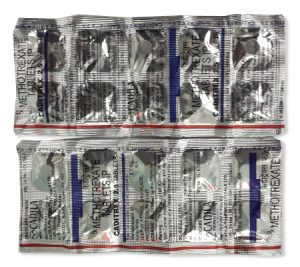
In brief
- In our pharmacy, you can buy methotrexate without a prescription, with delivery across Australia in 9–21 days. Discreet and anonymous packaging.
- Methotrexate is used to treat certain cancers, rheumatoid arthritis, psoriasis and other autoimmune conditions. It is a folic acid analogue antimetabolite that inhibits dihydrofolate reductase, blocking DNA and RNA synthesis and producing antineoplastic and immunosuppressive effects.
- The usual dose for rheumatological or dermatological indications is low-dose methotrexate, commonly 7.5–25 mg once weekly (oral or injectable); oncological regimens use much higher and variable doses according to specialist protocols.
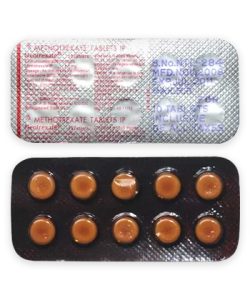
- The drug is available as oral tablets (2.5 mg, 5 mg, 7.5 mg, 10 mg, 15 mg), oral solution (2–2.5 mg/ml) and parenteral preparations (vials/ampoules, prefilled syringes and autoinjectors).
- Onset time: clinical improvement for inflammatory or autoimmune conditions typically begins after 3–6 weeks and may take up to 8–12 weeks to become evident.
- Duration of action: pharmacologic activity is generally maintained with weekly dosing (effects persisting around one week), though cumulative immunosuppressive effects can last longer after treatment stops.
- Alcohol warning: avoid or greatly limit alcohol while taking methotrexate, as alcohol increases the risk of liver toxicity.
- The most common side effect is nausea (often accompanied by mouth ulcers/stomatitis); other common adverse effects include fatigue, abnormal liver tests and increased risk of infection, while bone marrow suppression can occur.
- Would you like to try methotrexate without a prescription?
Basic Methotrexate Information
- INN (International Nonproprietary Name): Methotrexate (also known as Methotrexatum, Metotrexato, Metotressato).
- Brand Names Available In Australia: Rheumatrex; Trexall; Otrexup; Rasuvo; Xatmep; Jylamvo; Nordimet; Ledertrexate; Maxtrex; Metex; Metoject; Ebetrex; Ebetrexato; Emtexate; Abitrexate; Alltrex.
- ATC Code: L01BA01.
- Forms & Dosages: Oral tablets 2.5 mg, 5 mg, 7.5 mg, 10 mg, 15 mg; oral solution 2 mg/ml and 2.5 mg/ml; injection (vial or ampoule) 10 mg/ml and 25 mg/ml.
- Manufacturers In Australia: not specified.
- Registration Status In Australia: not specified.
- OTC / Rx Classification: Prescription only (Schedule 4) under Australian regulation.
Availability & Price Landscape
Worried about where to get methotrexate and how much it will cost?
In Australia methotrexate is dispensed through community pharmacies and hospital pharmacies, and supply routes include national chains and independent chemists.
- Chemist Warehouse often attracts price‑sensitive patients looking for private packs and basic counselling services.
- Priceline offers a mix of private purchase and PBS dispensing with pharmacist advice available in‑store.
- TerryWhite Chemmart and other community chains provide prescription services and often coordinate with local specialists for monitoring.
| Pharmacy Type | Typical Advantage | Price Sensitivity |
|---|---|---|
| Large Chains (Chemist Warehouse, Priceline) | Broad stock, competitive private prices, easy repeat ordering | High |
| Independent Chemists | Personal counselling, close prescriber relationship | Moderate |
| Hospital Pharmacies | Access for complex oncology dosing and injectable devices | Low (clinical focus) |
Telehealth and online pharmacies have become common for repeat prescriptions and home delivery of oral methotrexate tablets and solutions.
- Online orders work best when linked to a telehealth e‑prescription and an accredited Australian pharmacy.
- Injectable devices such as prefilled syringes and auto‑injectors usually require pharmacist counselling and secure delivery pathways.
- Cold‑chain requirements must be checked for some injectable preparations before delivery.
- Patient requests telehealth consult and receives e‑prescription.
- Patient selects online pharmacy, uploads prescription or links prescriber.
- Pharmacy validates script and arranges counselling for injectables if required.
- Pharmacy dispatches order with standard or insulated packaging depending on product.
- Patient receives order for collection or home delivery.
| Form / Dosage | PBS | Private Typical Price Band |
|---|---|---|
| Oral Tablets (2.5–15 mg) | Frequently subsidised for approved indications. | Varies by brand and pack size; not specified. |
| Oral Solution (2–2.5 mg/ml) | May be subsidised depending on indication and PBS listing. | Varies by brand; not specified. |
| Injection (10 mg/ml, 25 mg/ml) | Subsidy depends on indication and formulation. | Usually higher private cost than tablets; not specified. |
For patients focused on cost, comparing methotrexate tablets and injectable device pricing across chains and compounding pharmacies is common, especially when private purchase is required.
Patient Insights & Satisfaction Levels
What do Australians say about taking methotrexate?
“It helped control my arthritis when combined with folic acid, but the blood tests and nausea took some getting used to.” — Typical forum comment.
- Many patients report good symptom control for rheumatoid arthritis and psoriasis when dosing and folic acid are well managed.
- Common complaints include nausea, fatigue and the administrative burden of regular blood tests.
- Pharmacist advice and reliable local supply are highlighted repeatedly as key to adherence.
Benefits listed by patients include improved disease control, decreased steroid use and the convenience of once‑weekly oral dosing.
Issues raised include confusion over the weekly schedule, mouth ulcers, gastrointestinal upset and fertility concerns.
- Pros: disease control, steroid‑sparing effect, oral weekly convenience.
- Cons: dosing errors risk, side effects, frequent monitoring requirements.
Rural patients often describe difficulty accessing specialist monitoring or injectable devices, and they value telehealth but still face challenges arranging local pathology.
Product Overview & Brand Variants
Which brands and forms of methotrexate might a patient encounter in Australia?
Brand Form Manufacturer / Supplier Rheumatrex Tablets 2.5 mg Wyeth / Pfizer Trexall Tablets 5, 7.5, 10, 15 mg Teva / Nostrum Otrexup Autoinjector (various doses) Antares Pharma Rasuvo Autoinjector (7.5–30 mg in 2.5 mg steps) Medac Pharma Xatmep Oral solution 2.5 mg/ml Azurity Jylamvo Oral solution 2 mg/ml Shorla Oncology / Oresund PH Nordimet Prefilled syringe Nordic Pharma Metex / Metoject Prefilled syringes / Auto‑injectors Medac
- International Nonproprietary Name: Methotrexate.
- ATC Classification: L01BA01, antineoplastic and immunomodulating agent.
- Common forms include oral tablets (2.5–15 mg), oral solutions (2–2.5 mg/ml) and injectable preparations (10 mg/ml, 25 mg/ml).
Methotrexate is regulated as a prescription‑only medicine under Australian practice and requires a prescription for supply.
Indications In Local Medical Practice
Why would an Australian clinician prescribe methotrexate?
- Approved uses include malignant disease regimens and low‑dose therapy for rheumatoid arthritis and psoriasis.
- Specialists use methotrexate for a range of autoimmune conditions following clinical guidelines and PBS criteria.
- PBS subsidy criteria influence whether a specific indication attracts lower patient co‑payments.
Off‑label use is sometimes applied where evidence supports benefit, for example in selected dermatological and rheumatological protocols.
Case Example: A patient with severe rheumatoid arthritis who tolerates oral tablets poorly was switched to subcutaneous injections with improved symptom control and fewer GI side effects under specialist supervision.
- Checklist For Prescribers: confirm indication and PBS criteria; discuss folic acid supplementation; arrange baseline blood tests; consider subcutaneous route for GI intolerance.
How It Works In The Body
How does methotrexate actually reduce inflammation and treat disease?
Methotrexate is a folic acid analogue that interferes with folate‑dependent biochemical pathways involved in DNA synthesis and cell replication.
At low doses used in rheumatology it modulates the immune system and reduces inflammatory activity, while higher oncology doses inhibit DNA synthesis in rapidly dividing cancer cells.
Aspect Key Point Mechanism Inhibits dihydrofolate reductase and other folate‑dependent pathways to reduce lymphocyte proliferation. ATC L01BA01 — antimetabolite, folic acid analogue.
Route Pharmacokinetics Oral Variable bioavailability, dose‑dependent absorption. Subcutaneous / Intramuscular Higher and more predictable bioavailability than oral at equivalent doses. Renal impairment affects clearance and requires dose adjustment, and clinicians often monitor levels indirectly via blood tests rather than routine drug assays.
Dosage & Administration
What are common dosing patterns and how should patients take methotrexate?
In rheumatology standard regimens are low‑dose, once weekly, often starting at 7.5–15 mg per week and titrated to effect and tolerability.
Scenario Typical Regimen Rheumatology 7.5–15 mg once weekly, oral or subcutaneous; titrate as needed. Oncology Regimen‑specific higher doses with leucovorin rescue where indicated. Emphasise to patients that methotrexate is a once‑weekly medication for many indications and that accidental daily dosing can cause severe toxicity.
- Checklist For High‑Risk Patients: consider lower starting dose for elderly and low bodyweight; adjust for renal or hepatic impairment; increase monitoring frequency for blood counts and liver tests.
- Flag Interacting Drugs: NSAIDs, trimethoprim and certain antimicrobials may increase toxicity risk and require review.
Contraindications & Side Effects
What should patients watch out for while taking methotrexate?
- Common adverse effects include nausea, mouth ulcers, hair thinning, mild liver enzyme elevations and fatigue.
- Advise patients about folic acid supplementation to reduce common side effects.
- Remind patients to limit alcohol and report symptoms such as persistent sore throat, fever, severe cough or unexplained bruising.
Severity Issue Monitoring / Red Flags Common Nausea, stomatitis, mild LFT rises Periodic LFTs and symptomatic management; discuss folic acid Serious Myelosuppression, hepatotoxicity, pulmonary fibrosis Immediate review; urgent blood tests and cessation if severe signs Critical Severe mucositis, acute renal failure with overdose Emergency care and specialist input Australian safety reporting encourages clinicians and pharmacists to report adverse events to the Therapeutic Goods Administration.
Comparable Medicines
Are there alternatives to methotrexate for autoimmune disease and cancer?
Medicine Indication Route PBS Status Leflunomide Rheumatoid arthritis Oral Often PBS subsidised for specific indications. Sulfasalazine RA and inflammatory bowel disease Oral PBS subsidised for indicated uses. Biologics (TNF Inhibitors) Moderate to severe autoimmune disease Injectable / Infusion Often PBS restricted to specialist prescribing; higher cost. Other Antimetabolites Oncology regimens Varies PBS status varies by drug and indication.
- Pros Of Methotrexate: long clinical experience, often PBS subsidised, effective as a steroid‑sparing option.
- Cons: requires regular monitoring, teratogenic risk, potential cumulative hepatotoxicity and drug interactions.
For some patients biologics offer targeted therapy and fewer lab checks for certain parameters but come with greater expense and specialist access requirements.
Current Research & Trends
What are clinicians and researchers studying about methotrexate now?
- Recent studies focus on comparative effectiveness versus newer DMARDs and biologics and on optimising subcutaneous dosing for improved bioavailability.
- Research also examines safety in special populations, folic acid dosing strategies and real‑world registry outcomes.
- Australian rheumatology networks contribute observational data that inform local practice patterns.
Practical trends include more home administration with prefilled syringes and auto‑injectors, wider telehealth follow‑up and stronger fertility counselling pathways.
Common Patient Questions
Which questions do patients ask most at the pharmacy?
- How often do I take it? Usually once weekly — confirm the exact day and dose with the prescriber.
- Can I drink alcohol? Limit alcohol and discuss liver monitoring with the prescriber.
- What about pregnancy? Methotrexate is teratogenic — stop and consult a specialist well before conception.
- Do I need folic acid? Yes, folic acid is typically prescribed to reduce side effects.
If a dose is missed, patients should contact their prescriber or pharmacist rather than doubling the next dose.
- Printable Patient Handout: include weekly dosing calendar, missed‑dose instructions and emergency contact details.
- Vaccination Advice: avoid live vaccines while immunosuppressed and schedule inactivated vaccines around treatment timelines.
Regulatory Status
How is methotrexate regulated in Australia?
- The Therapeutic Goods Administration oversees methotrexate as a prescription medicine supplied under Schedule 4.
- Product registration or authorised import details should be checked by pharmacists when dispensing imported brands.
Scenario Action Point For Pharmacists PBS Subsidy Required Verify authority requirements and ensure correct indication is documented. Imported Brand Dispensing Check TGA registration or authorised import documentation before supply. Private Purchase Discuss cost, supply options and record counselling. Pharmacists should keep up to date with PBS listings, as subsidy criteria and co‑payments can change.
Visual Recommendations
What visuals help patients and pharmacy teams understand methotrexate use?
- Infographic set: PBS vs private cost flowchart, national pharmacy network map and a weekly dosing calendar with monitoring timeline.
- Product Imagery: clear photos of tablets (marked strengths), oral solution bottles and prefilled syringes with label callouts showing strength and weekly dosing warnings.
- Short Video Demos: for self‑injection technique and correct handling of auto‑injectors on online product pages.
Printable dosing calendars and label callouts reduce dosing errors and help patients remember their weekly schedule.
Buying & Storage Advice
How should Australians buy and store methotrexate safely?
- In‑store purchases are recommended for first fills and for patients starting injection devices, because pharmacists can provide face‑to‑face counselling and immediate labelling.
- Online purchases are suitable for repeats when telehealth e‑prescriptions are linked to a verified Australian pharmacy and delivery arrangements account for cold‑chain if needed.
- In our online pharmacy, methotrexate is available without a prescription, with discreet delivery to Australia in 9‑21 days.
Storage Guidance: tablets and oral solutions should be kept in a cool, dry place away from sunlight.
Injection vials and prefilled syringes may require refrigeration per manufacturer instructions and should not be left in hot cars during Australian summers.
Form Storage Tablets Cool, dry place away from sunlight. Oral Solution Store per leaflet; generally cool and protected from light. Injectables Refrigerate if required; use insulated packaging for delivery in hot weather. Guidelines For Proper Use
What should pharmacists do to keep patients safe on methotrexate?
- Verify dose frequency and confirm the weekly dosing day at every supply.
- Counsel on folic acid supplementation and screen for pregnancy in people of childbearing potential.
- Review concurrent medicines for interactions, especially NSAIDs and trimethoprim, and advise prescribers where risks are identified.
- Document counselling in the patient record and provide a written dosing calendar and safety card.
For rural patients arrange clear pathways for pathology, remote monitoring and timely medicine delivery to maintain adherence and safety.
- Pharmacist Template Intervention Note: include date, counselling points, actioned interactions and follow‑up arrangements with prescriber.
- Patient Safety Card: weekly dose, next blood test date, emergency contact and contraception advice.
Delivery Across Australia
City Region Delivery Time Sydney New South Wales 9-14 days Melbourne Victoria 9-14 days Brisbane Queensland 9-14 days Perth Western Australia 9-14 days Adelaide South Australia 9-14 days Hobart Tasmania 9-14 days Darwin Northern Territory 9-14 days Canberra Australian Capital Territory 9-14 days Gold Coast Queensland 9-14 days Newcastle New South Wales 9-14 days Wollongong New South Wales 9-14 days Sunshine Coast Queensland 14-21 days Geelong Victoria 14-21 days Townsville Queensland 14-21 days Cairns Queensland 14-21 days Closing Practical Tips
Quick checklist for patients starting methotrexate: know your weekly dosing day, carry a dosing calendar, take folic acid as prescribed and book regular blood tests.
For pharmacists: confirm product strength at supply, document counselling and set up follow‑up for monitoring or adverse events.
Remember that methotrexate comes in multiple forms and strengths and safe use depends on clear communication between patient, pharmacist and prescriber.