Zofran
In brief
- In our pharmacy, you can buy zofran without a prescription, with delivery in 9–21 days throughout Australia and discreet, anonymous packaging; note that zofran is generally prescription-only in Australia (TGA) so check local regulations.
- Zofran (ondansetron) is used to prevent and treat nausea and vomiting caused by chemotherapy, radiotherapy and surgery; it works as a serotonin (5‑HT3) receptor antagonist, blocking serotonin signals in the gut and brain that trigger vomiting.
- Usual adult doses include 8 mg orally 30 minutes before chemotherapy then 8 mg every 8–12 hours for 1–2 days for chemo-induced nausea; for postoperative nausea 16 mg orally (or 4 mg IV/IM) around 1 hour before anaesthesia; for radiation-induced nausea typically 8 mg orally 1–2 hours before, then every 8 hours; paediatric dosing (over 4 years) commonly 4 mg per dose; reduce to a maximum of 8 mg/day in severe hepatic impairment.
- Forms of administration: oral tablets (4 mg, 8 mg), orally disintegrating tablets (ODT), oral solution, oral soluble film, and injectable solution for IV or IM use; ODTs should be allowed to dissolve on the tongue and oral solution should be measured with a dosing syringe/spoon.
- Onset time: oral dosing usually begins to work within about 30 minutes; IV administration works within minutes.
- Duration of action: the antiemetic effect typically lasts around 8–12 hours (plasma half‑life approximately 3–4 hours in adults), which is why dosing is commonly every 8 hours when needed.
- Alcohol warning: avoid or limit alcohol while taking zofran because alcohol can worsen dizziness and drowsiness and may increase the risk of adverse effects.
- The most common side effect is headache; other frequent effects include constipation, fatigue and dizziness; rare but serious risks include QT prolongation, arrhythmias and hypersensitivity reactions.
- Would you like to try zofran without a prescription?
Basic Zofran Information
- INN (International Nonproprietary Name): Ondansetron
- Brand Names Available In Australia: Zofran (and generic ondansetron formulations), with locally adapted packaging including tablets, orally disintegrating tablets (ODT), oral solution and injectable ampoules.
- ATC Code: A04AA01
- Forms & Dosages: Tablets 4 mg and 8 mg (blisters of 4, 10, 30); Orally Disintegrating Tablets 4 mg and 8 mg (blisters of 10, 30); Oral Solution 4 mg/5 mL and 8 mg/5 mL (bottles 50 mL or 100 mL); Oral Soluble Film (Zuplenz internationally) 4 mg and 8 mg; Injectable solution 2 mg/mL in 2 mL or 4 mL ampoules.
- Manufacturers In Australia: Original developer GlaxoSmithKline (GSK) and multiple generics from suppliers such as Sandoz, Teva, Mylan, Aurobindo and Apotex, with local registration depending on supplier.
- Registration Status In Australia: TGA-registered as a prescription-only medicine.
- OTC / Rx Classification: Prescription only (Rx) in Australia and other major markets.
Availability & Price Landscape
National Pharmacy Chains (Chemist Warehouse, Priceline, TerryWhite)
Are you wondering where to find zofran and how much it costs?
Major national chains such as Chemist Warehouse, Priceline and TerryWhite Chemmart routinely stock ondansetron in branded and generic forms.
Availability typically covers tablets, ODT, oral solution and injectable ampoules depending on the store and clinical demand.
Generics from Sandoz, Teva, Mylan and Apotex are common on shelves and online listings.
Click-and-collect and online ordering from these chains drive more visible price competition than smaller independents.
Online Pharmacy Trends In Australia
How are Australians buying anti-nausea medicines online?
Telehealth with e-prescriptions and online pharmacies has increased use of e-prescriptions for ondansetron, especially for rural patients and cancer treatment follow-up.
Online listings emphasise pack size, dosage form (ODT versus tablet) and whether a product is branded or generic.
Discount chains and generics tend to show the lowest private prices on e-commerce pages.
Price Ranges By Package Size (PBS Vs Private)
What should you expect to pay depending on the pack size and subsidy?
Ondansetron may be PBS-subsidised for certain indications such as chemotherapy-related nausea but is often privately billed for short-term postoperative or other uses.
Typical private price bands vary by strength and pack size: 4 mg and 8 mg tablets in packs of 4, 10 or 30, and oral liquids in 50–100 mL bottles.
Pack prices fluctuate between branded Zofran and lower-cost generics from manufacturers like Ondansetron Sandoz or Ondansetron Apotex.
Rural pharmacies may have less stock of injectables or ODT, though national chains help maintain supply across regions.
Patient Insights & Satisfaction Levels
Forum Reviews (ProductReview, Aussie Health Forums)
What are real Australians saying about zofran?
ProductReview threads and health forums commonly report rapid relief from chemotherapy-related and postoperative nausea after taking ondansetron.
Patients praise ODT and oral solution formats for ease of use when vomiting is active.
Cost and PBS eligibility are frequent topics in forum discussions, with many users preferring generics for savings.
Reported Benefits And Issues From Australian Patients
Which benefits and side effects are most often mentioned?
Top reported benefits are fast symptom control and usefulness of ODT or syrup during active vomiting.
Commonly reported mild side effects include headache and constipation, with occasional dizziness or transient palpitations.
A minority of patients raise concerns about QT prolongation, usually citing prescriber advice to check cardiac history or interacting medicines.
Pregnant patients report mixed experiences; some experience marked relief from hyperemesis gravidarum while others request detailed risk–benefit counselling from clinicians.
Rural users often report telehealth prescriptions and courier delivery as essential when local stock is limited.
Quick Definitions
- ODT: Orally Disintegrating Tablet—dissolves on the tongue for ease of dosing during vomiting.
- IV: Intravenous administration—used in hospital for rapid onset.
- ONS: Oral Nutrition Solution or Oral Nausea Solution contextually refers to the oral solution form for dosing with a syringe.
Product Overview & Brand Variants
INN And Brand Names In Australia
How is ondansetron presented in Australia and what brands appear online?
Ondansetron is sold as Zofran and as generics locally, with tablets, ODT, oral solution and injectable ampoules listed by pharmacies.
International formats such as Zuplenz (oral soluble film) exist but local availability depends on registration and supply.
Legal Classification (TGA-Approved)
Is zofran regulated in Australia?
Yes—ondansetron is TGA-registered and classified as prescription-only medicine in Australia.
Product pages should clearly state brand versus generic, dosage form, pack size and any excipient warnings such as phenylalanine in some ODTs for patients with PKU.
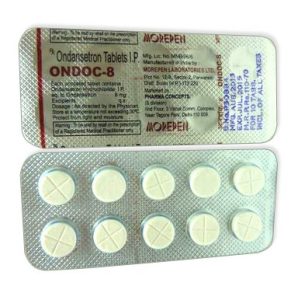
Use product imagery showing blister packs, ODT close-ups and oral solution bottles to help customers identify the formulation they need.
Indications In Local Medical Practice
Approved Uses By TGA
What is ondansetron approved for in Australia?
TGA-approved uses align with international approvals: prevention of nausea and vomiting caused by chemotherapy, radiotherapy and postoperative events.
Standard regimens include 8 mg orally before chemotherapy and single doses for postoperative prevention as clinically indicated.
Off-Label Patterns In Australian Clinics
When do clinicians use ondansetron beyond its listed indications?
Off-label use sometimes includes treatment for severe pregnancy-related nausea such as hyperemesis gravidarum, after first-line measures fail and with informed consent.
Short-term use for acute gastroenteritis nausea and as an adjunct in palliative care are other reported off-label patterns.
Pharmacy pages should state TGA-approved indications, typical adult dosing and whether PBS subsidy is likely for each use-case.
Typical Adult Dose Table:
- Chemotherapy: 8 mg PO 30 minutes before chemo, then 8 mg every 8–12 hours for 1–2 days post-chemo.
- Postoperative: 16 mg PO or 4 mg IV/IM one hour before anaesthesia.
- Radiation: 8 mg PO 1–2 hours prior, then every 8 hours as needed.
How It Works In The Body
Layman’s Explanation
What does ondansetron actually do?
Ondansetron blocks serotonin signals in the gut and brain that trigger nausea and vomiting, which usually brings rapid symptom relief.
ODT and oral solution forms are particularly useful when vomiting makes swallowing tablets difficult.
Clinical Detail
What is the pharmacology behind ondansetron?
It is a selective serotonin (5‑HT3) receptor antagonist with ATC code A04AA01 used to prevent emetic signalling from enterochromaffin cells in the gastrointestinal tract and central trigger zones.
Oral forms are well absorbed and IV administration provides the fastest onset for perioperative or chemotherapy infusion settings.
Metabolism is predominantly hepatic via CYP enzymes, so severe hepatic impairment requires dose reduction with a maximum of 8 mg/day in severe liver dysfunction.
High IV doses have been associated with QT prolongation, so cardiac monitoring and attention to interacting medicines are important.
Dosage & Administration
Standard Regimens
How should ondansetron be dosed for common situations?
Chemotherapy prevention in adults is commonly 8 mg orally 30 minutes before chemotherapy, with further 8 mg doses every 8–12 hours for 1–2 days depending on emetogenicity.
Postoperative prevention is often a one-time 16 mg orally or 4 mg IV/IM given about an hour before anaesthesia.
For radiation-induced nausea, 8 mg orally 1–2 hours prior and repeated every 8 hours is typical.
Adjustments By Patient Type
Do elderly or patients with liver disease need dose changes?
Children older than four commonly receive 4 mg pre-treatment then 4 mg every 8 hours for up to two days for chemo prophylaxis.
Elderly patients normally require no routine dose change but should be monitored for QT prolongation risks.
Severe hepatic impairment reduces metabolism and the maximum recommended dose is 8 mg per day.
Administration notes: ODT should dissolve on the tongue and oral solution should be measured with a dosing syringe.
Contraindications & Side Effects
Common
Who should avoid ondansetron and what mild side effects occur?
Absolute contraindications include allergy to ondansetron or other 5‑HT3 antagonists and concurrent use with apomorphine.
ODT formulations that contain phenylalanine should be avoided by patients with phenylketonuria.
Common side effects include headache, constipation, fatigue and dizziness.
Rare But Serious (Australian Safety Data)
When should a patient seek urgent care?
Rare but serious events include QT prolongation and arrhythmias, which are more likely with high IV doses or in patients with congenital long QT syndrome, electrolyte disturbances or concomitant QT‑prolonging medicines.
Hypersensitivity reactions are uncommon but require immediate medical attention if swelling or breathing difficulty occurs.
Pharmacists should encourage reporting of adverse events to the TGA and review concurrent medicines that increase QT risk.
Comparable Medicines
Alternatives Table (PBS And Non-PBS)
| Medicine | Typical Indication | Route | PBS Availability | Rough Private Price Bracket |
|---|---|---|---|---|
| Ondansetron (Zofran/Generics) | Cancer, post-op, radiation nausea | Oral/ODT/IV | Often PBS for chemo-related use | Low–Medium |
| Palonosetron (Aloxi) | Highly emetogenic chemotherapy | IV | Selected PBS listings in oncology settings | High |
| Granisetron (Kytril) | Chemo-related nausea | Oral/IV | Selected PBS use | Medium |
| Metoclopramide | General nausea | Oral/IV | Sometimes PBS | Low |
Pros And Cons List
- Ondansetron: Fast onset, multiple formulations, good for chemo and post-op nausea.
- Palonosetron: Longer half-life suitable for single-dose chemo prophylaxis but usually costs more.
- Metoclopramide: Cheaper alternative with different side-effect profile including risk of extrapyramidal symptoms.
Current Research & Trends
Major Studies 2022–2025 (Australia + International)
What recent evidence affects how ondansetron is used?
Clinical trials and guideline updates through 2022–2025 reinforced ondansetron as a mainstay in combination antiemetic regimens for many chemotherapy schedules while comparing single-dose long-acting agents like palonosetron for certain regimens.
Safety monitoring around QT prolongation and IV dosing remains an active regulatory focus internationally.
Real-world data supports patient preference for ODT or oral solution when vomiting is active, and telehealth has increased remote prescribing for supportive oncology care.
Common Patient Questions
- Can I buy Zofran without a prescription? No—ondansetron is prescription only in Australia; telehealth services can provide e-prescriptions when clinically appropriate.
- Which form is best when vomiting? ODT or oral solution are preferred; IV is used for rapid inpatient control.
- Is it safe in pregnancy? It may be used for hyperemesis gravidarum in selected cases after a risk–benefit discussion with a prescriber.
- What interactions should I watch for? Avoid co-administration with apomorphine and be cautious with other QT‑prolonging medicines.
- How should I store it? Tablets and ODT should be kept at 15–30°C in a dry place; oral solution should not be frozen and injectables stored per vial labelling.
- Missed dose? Take when remembered unless close to next dose; do not double the next dose.
Urgent Symptoms: Fainting, irregular heartbeat, severe allergic reaction—seek emergency care.
Regulatory Status
TGA Approval
What does the regulator say?
Ondansetron is TGA-registered and available only with a prescription in Australia.
The U.S. FDA has specific guidance on single IV doses exceeding 16 mg due to QT risk, which informs cautious IV dosing practices worldwide.
PBS Subsidy Details
When is ondansetron subsidised by the PBS?
PBS subsidy is typically linked to indication and clinical criteria, with chemotherapy-related antiemetic use more likely to meet PBS listing than short-term postoperative use.
Pharmacy product pages should display TGA registration, active ingredient, and link patients to PBS criteria where relevant.
Visual Recommendations
How should product pages present ondansetron to convert and inform?
Recommended visuals include a pack-type comparison infographic showing tablet, ODT, oral solution and injectable pros/cons and onset of action.
A pricing matrix with typical private ranges, PBS flags and a pharmacy network flowchart showing retail, telehealth and delivery options helps customers choose where to order.
Use clear product shots, ODT close-ups and an accessible dosing table, plus icons for “Prescription Required”, “TGA-Registered” and “PBS-Eligibility”.
Buying & Storage Advice
In-Store Vs Online Purchase Tips In Australia
What practical advice helps when ordering zofran?
Confirm your prescription is valid; most national chains accept e-prescriptions from telehealth services.
Choose the formulation that matches clinical need—ODT or oral solution when vomiting, tablets for routine prophylaxis, injectables for inpatient use.
Compare generics such as Ondansetron Sandoz or Ondansetron Apotex for cost savings while checking batch and expiry details.
In our online pharmacy, zofran is available without a prescription, with discreet delivery to Australia in 9-21 days.
Storage In Australian Household Conditions
How do heat and humidity affect storage at home?
Keep tablets, ODTs and films at 15–30°C in a dry place away from humidity common in bathrooms.
Store oral solution at room temperature and avoid freezing.
Transport injectables according to vial labelling and avoid prolonged exposure to heat or direct sunlight.
Guidelines For Proper Use
Pharmacist Guidance In Australia
What should a pharmacist check during counselling?
Verify the indication, review concurrent medicines for QT risk, confirm pregnancy and breastfeeding status, and remind patients how to administer ODT and measure oral solution correctly.
Highlight hepatic dosing limits, especially the 8 mg/day maximum for severe liver impairment, and recommend ECG review where cardiac risk is present.
Patient Safety Recommendations
When should patients return to their prescriber or seek emergency help?
Advise patients to seek urgent care for syncope, irregular heartbeat, severe constipation or signs of an allergic reaction.
Record counselling and report adverse events to the TGA as required.
Include a pharmacist-advice box on product pages with a call-to-action for a pharmacist consult or telehealth referral.
Delivery Across Australia
| City | Region | Delivery Time |
|---|---|---|
| Sydney | New South Wales | 9-14 days |
| Melbourne | Victoria | 9-14 days |
| Brisbane | Queensland | 9-14 days |
| Perth | Western Australia | 9-14 days |
| Adelaide | South Australia | 9-14 days |
| Canberra | Australian Capital Territory | 9-14 days |
| Hobart | Tasmania | 9-14 days |
| Darwin | Northern Territory | 9-14 days |
| Gold Coast | Queensland | 9-14 days |
| Newcastle | New South Wales | 9-14 days |
| Wollongong | New South Wales | 14-21 days |
| Sunshine Coast | Queensland | 9-14 days |
| Geelong | Victoria | 14-21 days |
| Townsville | Queensland | 14-21 days |
| Cairns | Queensland | 14-21 days |