Cyclonex
In brief
- In our pharmacy, you can buy cyclonex without a prescription, with delivery in 9–21 days throughout Australia. Discreet and anonymous packaging.
- Cyclonex (cyclophosphamide) is used for cancers (eg, lymphoma, breast and ovarian cancer), nephrotic syndrome in children and as an immunosuppressant in some autoimmune/transplant settings; it is an alkylating agent (a nitrogen mustard analogue) that is metabolised to active compounds which cross‑link DNA and prevent cell division, causing cell death.
- Usual dosage varies by indication: lymphoma 300–400 mg/m² IV every 7–10 days; some breast/ovarian regimens use ~600 mg/m² IV per cycle; nephrotic syndrome commonly 2–2.5 mg/kg/day orally for 8–12 weeks; paediatric, elderly and organ‑impaired doses are adjusted by specialists.
- Form of administration: oral tablets/capsules (25 mg, 50 mg) and parenteral formulations (powder for IV reconstitution in vials, and some ready‑to‑use IV solutions) — given orally or intravenously in hospital or clinic settings.
- The onset of effect: biochemical activity begins within hours to days; bone‑marrow and immunosuppressive effects typically become apparent within 7–14 days; measurable tumour responses usually occur over weeks.
- Duration of action: the drug has a relatively short plasma half‑life, but cytotoxic and myelosuppressive effects can persist 1–2 weeks; treatment is often given in cycles every 2–4 weeks and cumulative toxicity can occur.
- Alcohol warning: avoid alcohol during treatment as it may worsen nausea, dehydration and bladder irritation and can affect liver function; follow medical advice on contraception and pregnancy avoidance (teratogenic risk).
- The most common side effect is nausea; other frequent effects include vomiting, hair loss (alopecia), mild myelosuppression (low blood counts) and urinary irritation or cystitis.
- Would you like to try cyclonex without a prescription?
Cyclonex (Cyclophosphamide) — Patient And Pharmacy Guide
Basic Cyclonex Information
- INN (International Nonproprietary Name): Cyclophosphamide.
- Brand Names Available In Australia: Cytoxan and generic cyclophosphamide names are noted globally, but specific brand availability in Australia is not specified in the supplied data.
- ATC Code: L01AA01 — Alkylating agents, nitrogen mustard analogues.
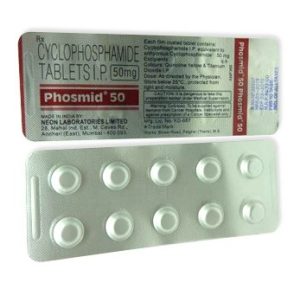
- Forms & Dosages: Tablets 25 mg and 50 mg; capsules commonly 25 mg/50 mg; powder for solution typically in 500 mg or 1 g vials; IV solutions vary and are often used in hospital settings.
- Manufacturers In Australia: Global manufacturers listed include Baxter, Bristol‑Myers Squibb (Cytoxan), Sandoz and others; specific Australian manufacturers or distributors are not specified in the supplied data.
- Registration Status In Australia: Specific ARTG/TGA registration entries for local brands are not specified in the supplied data; check the TGA ARTG for current listings.
- OTC / Rx Classification: Prescription only (Rx) in registered markets.
Availability & Price Landscape
National Pharmacy Chains (Chemist Warehouse, Priceline, TerryWhite)
Patients often look to major pharmacy chains first when trying to access medicines like cyclophosphamide.
Large chains will usually provide information, referral services or help coordinate with specialist clinics, but they rarely stock bulk IV vials on retail shelves.
Most cytotoxic IV preparations remain hospital‑dispensed because of safe‑handling and storage requirements.
For oral tablets, chains may arrange special orders or work with compounding services, depending on demand and supplier agreements.
Online Pharmacy Trends In Australia
Telehealth e‑prescriptions and online ordering have improved access for urban and rural patients who need repeat oral dosing or counselling.
Community pickup for cytotoxic medicines usually requires trained staff and safe‑handling protocols even when the prescription originates online.
Some online pharmacies advertise discreet delivery and home supply of oral oncology medicines for eligible patients.
In our online pharmacy, cyclonex is available without a prescription, with discreet delivery to Australia in 9-21 days.
Price Ranges By Package Size (PBS Vs Private)
Price transparency is limited for cyclophosphamide because many IV formulations are supplied under hospital procurement contracts.
PBS subsidy is not uniform and many oncology regimens are hospital‑funded rather than subsidised via community PBS scripts.
| Package Size | PBS Price Range | Private Price Range | Hospital Contract/Institutional Supply |
|---|---|---|---|
| Tablets 25 mg, 50 mg | Not specified (PBS listing varies by indication and item number). | Varies widely; may be available by special order or compounding. | Often supplied via hospital pharmacy when part of an institutional regimen. |
| IV Vials (500 mg, 1 g) | Generally not listed for routine PBS community dispensing. | Private purchase not typical; price not specified. | Mostly supplied under hospital procurement contracts; prices vary by contract. |
- Major chains provide referral, counselling and ordering services rather than routine retail stocking of cytotoxic IV vials.
- Telehealth links and e‑prescription support help patients in remote areas arrange specialist supply and pathology monitoring.
- Check the local hospital formulary or the TGA ARTG for current brand listings and PBS item numbers.
Patient Insights & Satisfaction Levels
Forum Reviews (ProductReview, Aussie Health Forums)
Patients describe cyclophosphamide as effective when used within multi‑drug cancer regimens or nephrotic syndrome protocols.
Online reviews and forum threads focus heavily on real‑world logistics such as IV appointment scheduling, travel for infusions and monitoring requirements.
Rural patients frequently report travel and accommodation costs for repeated IV cycles.
Urban patients often report easier access to infusion centres but longer waitlists for specialist appointments.
Reported Benefits And Issues From Australian Patients
Commonly reported benefits are disease control when cyclophosphamide is used as part of an established regimen.
Common issues include hair loss, nausea, fatigue and urinary irritation.
Satisfaction correlates strongly with quality of pharmacy and oncology nursing support.
- “My consultant said the chemo shrank the tumour; the nausea was managed once the antiemetic was right.”
- “Travel for weekly infusions cost more than I expected — rural patient from northern NSW.”
- “Clear counselling on hydration and contraception made me feel safer taking the tablets at home.”
- “We waited weeks for a specific brand vial due to a supply hiccup.”
What Patients Should Expect
- Monitoring Schedule: Regular CBCs and renal/hepatic tests arranged by the specialist.
- Hydration: Drink plenty of water around dosing, especially with IV cycles to reduce bladder irritation.
- Contraception: Use effective contraception during treatment and as advised afterwards.
Product Overview & Brand Variants
INN And Brand Names In Australia
The International Nonproprietary Name is cyclophosphamide.
Global brands include Cytoxan (Bristol‑Myers Squibb) and generics from Baxter, Sandoz and others.
Local Australian brand listings and specific distributor details are not specified in the supplied data and should be checked in the TGA ARTG.
Legal Classification (TGA‑Approved)
Cyclophosphamide is prescription only (Rx) and classified under ATC code L01AA01.
Some brands and formulations are commonly supplied through hospital formularies and institutional contracts rather than community pharmacies.
| Form | Strength | Typical Packaging |
|---|---|---|
| Tablet | 25 mg, 50 mg | Blister or bottle; oral administration. |
| Powder For Solution | Typically 500 mg, 1 g vials | Vials for reconstitution; IV use in hospital. |
| Solution (IV) | Varies | Ready‑to‑use vials; mainly hospital setting. |
Note: The trade name “Cyclonex” or other import lines may appear in some supplier listings; verify TGA/ARTG entries before listing on a retail page.
Indications In Local Medical Practice
Approved Uses By TGA
Australian clinical practice mirrors international approvals for oncology and nephrology indications.
Typical oncology uses include lymphoma, breast and ovarian cancers.
Nephrology uses include paediatric nephrotic syndrome protocols under specialist supervision.
Off‑Label Patterns In Australian Clinics
Specialists sometimes use cyclophosphamide off‑label for selected autoimmune conditions or transplant induction where evidence and specialist judgment support it.
Such use is documented with informed consent and close monitoring for fertility and marrow toxicity.
| Setting | Typical Regimen Snapshot |
|---|---|
| Oncology (Adults) | 300–400 mg/m² IV every 7–10 days for lymphoma; 600 mg/m² as part of combination regimens for breast/ovarian cancer. |
| Nephrology (Children) | 2–2.5 mg/kg/day orally for 8–12 weeks for steroid‑sensitive nephrotic syndrome. |
| Autoimmune/Transplant | Individualised pulses or short courses; specialist documented dosing and consent. |
How It Works In The Body
Layman’s Explanation
Cyclophosphamide is a chemotherapy medicine that slows or kills fast‑growing cells by damaging their DNA.
In immune conditions it reduces overactive immune cells that drive disease activity.
Clinical Detail
It is an alkylating agent and a nitrogen mustard analogue.
The drug is metabolised in the liver to active metabolites such as phosphoramide mustard.
These metabolites form DNA crosslinks which inhibit replication and induce cell death.
The non‑selective action explains common toxicities such as myelosuppression, mucosal effects and haemorrhagic cystitis.
Metabolism and renal excretion mean dose adjustments are required in hepatic or renal impairment.
Simple Diagram: Drug → Metabolite → DNA Crosslink → Cell Death.
Key Terms
- Alkylating Agent: A drug that adds alkyl groups to DNA, disrupting replication.
- Myelosuppression: Reduction in bone marrow cell production leading to low blood counts.
- MESNA: A uroprotective agent used with some high‑dose alkylators to reduce bladder toxicity.
Dosage & Administration
Standard Regimens
Oncology dosing is protocol dependent and often given in cycles every 2–4 weeks.
Typical lymphoma dosing is 300–400 mg/m² IV every 7–10 days in some regimens.
High single doses appear in combination regimens such as 600 mg/m² for certain breast cancer combinations.
Oral nephrotic protocols commonly use 2–2.5 mg/kg/day for 8–12 weeks in paediatric practice.
Adjustments By Patient Type (Elderly, Chronic Conditions)
Children are dosed by weight or body surface area and require close monitoring.
Elderly patients often need dose reductions based on renal function and marrow reserve.
Renal impairment usually requires interval extension or dose reduction, and hepatic impairment needs careful monitoring.
| Indication | Typical Route | Dosing Notes |
|---|---|---|
| Lymphoma | IV | 300–400 mg/m² every 7–10 days; protocol dependent. |
| Breast/Ovarian Cancer | IV | Part of combination regimens; dosing per protocol (e.g., 600 mg/m²). |
| Nephrotic Syndrome (Paediatric) | Oral | 2–2.5 mg/kg/day for 8–12 weeks. |
- Pre‑Dose Monitoring Checklist: CBC, LFTs, renal function, pregnancy test where relevant.
- Missed Dose Advice: Take if remembered unless the next dose is due soon; never double up.
Contraindications & Side Effects
Common
Absolute contraindications include hypersensitivity, severe bone marrow suppression, urinary outflow obstruction and active severe infections.
Common side effects are nausea, vomiting, alopecia and mild myelosuppression.
Urinary symptoms and menstrual irregularities or temporary infertility are also commonly reported.
Rare But Serious (Australian Safety Data)
Serious risks include haemorrhagic cystitis, permanent sterility (higher risk in men) and secondary malignancies with long‑term high cumulative doses.
Teratogenicity is a major concern and effective contraception is required during and after treatment as advised by the specialist.
| Frequency | Adverse Effect | Monitoring/Action |
|---|---|---|
| Common | Nausea, alopecia, mild neutropenia | Antiemetics, CBC monitoring, counselling. |
| Uncommon | Urinary irritation, haematuria | Hydration, urine checks, MESNA if protocol requires. |
| Rare | Haemorrhagic cystitis, secondary cancers | Immediate review, long‑term surveillance. |
- Report adverse events to the TGA as part of Australian pharmacovigilance.
- Hospitals monitor neutropenic sepsis risk and advise on urgent presentation criteria.
Comparable Medicines
Alternatives Table (PBS And Non‑PBS)
| Drug | Typical Indication | Route | Key Toxicities | PBS Status |
|---|---|---|---|---|
| Ifosfamide | Various sarcomas, lymphoma in some settings | IV | Urotoxicity, neurotoxicity | Check PBS/hospital listings for current status. |
| Chlorambucil | Chronic lymphocytic leukaemia, some autoimmune uses | Oral | Bone marrow suppression, less acute urotoxicity | Some indications may be PBS listed. |
| Melphalan | Myeloma, conditioning regimens | Oral/IV | Mucositis, marrow suppression | Often hospital‑procured for specific uses. |
| Bendamustine | Indolent lymphomas, CLL | IV | Myelosuppression, rash | Check PBS for indication‑specific listings. |
Pros And Cons List
- Cyclophosphamide: Broad indication range, generic availability, risk of urotoxicity and fertility impact.
- Ifosfamide: Alternative for some tumours, higher neurotoxicity risk and similar urotoxicity concerns.
- Chlorambucil: Oral option for select conditions, different toxicity profile and may be easier for outpatient dosing.
Current Research & Trends
Major Studies 2022–2025 (Australia + International)
- Trials testing low‑dose oral regimens in nephrology to limit cumulative exposure and long‑term toxicity.
- Studies on uroprotection strategies, including dosing schedules and MESNA use, to reduce haemorrhagic cystitis.
- Research combining cyclophosphamide with targeted agents or immunotherapies to improve efficacy while managing toxicity.
- Australian centres contributing registry data on long‑term outcomes and secondary malignancy risk after alkylator exposure.
- Work on telehealth monitoring for oral courses to reduce travel burden for rural patients.
Research trends show emphasis on safety, fertility preservation and supply resilience for generics and biosimilars.
Common Patient Questions
- Can I buy cyclophosphamide over the counter?
No. Cyclophosphamide is prescription only and is usually dispensed via hospital or specialist pharmacies.
- Is it safe to take at home?
Oral tablets may be taken at home following clear pharmacist instructions on handling, hygiene and contraception.
IV doses are administered in clinic or hospital due to safe‑handling requirements.
- Will my pharmacist handle leftovers?
Cytotoxic waste requires safe disposal; ask your hospital or local pharmacy about return and disposal options.
- What about fertility?
Discuss sperm or egg preservation before treatment as cyclophosphamide can affect fertility and may be permanent with high cumulative doses.
- Can I breastfeed while taking cyclophosphamide?
No. Breastfeeding is contraindicated during treatment and for a recommended period afterwards as advised by the treating specialist.
When To Call Your Pharmacist Or Oncologist
- Fever or signs of infection.
- Blood in urine or severe urinary pain.
- Severe vomiting or inability to keep fluids down.
Regulatory Status
TGA Approval
Cyclophosphamide is registered and used internationally under approved indications.
For Australia, check the TGA ARTG for specific brand registrations and importer or distributor details.
PBS Subsidy Details
PBS subsidy for cyclophosphamide varies by indication and formulation.
Many oncology and nephrology uses are funded through hospital programs and institutional procurement rather than PBS community dispensing.
| Checkpoint | Action |
|---|---|
| TGA ARTG | Search for specific brand and sponsor details. |
| PBS Search | Verify item numbers and authority requirements for community dispensing. |
| Hospital Formulary | Confirm institutional availability and funding arrangements. |
- Pharmacists should confirm authority prescriptions and document required information for subsidised supply.
Visual Recommendations
Product pages work best with clear visuals that show handling differences between oral and IV routes.
Recommended graphics include a routes infographic, a map of pharmacy services and a PBS vs private pricing flowchart.
Also include a safety flowchart with pre‑treatment checks, monitoring schedule and emergency signs to report.
Buying & Storage Advice
In‑Store Vs Online Purchase Tips In Australia
Cyclophosphamide requires a valid prescription for lawful supply in most settings.
Oral tablets may be dispensed to patients and some online pharmacies can manage e‑prescriptions and home delivery for oral courses.
IV forms and bulk vials are typically hospital‑only and handled under cytotoxic policies.
Confirm pharmacy accreditation and disposal procedures before ordering online.
Storage In Australian Household Conditions (Heat/Humidity)
Store tablets at room temperature, approximately 20–25°C, and protect them from moisture.
In hot, humid Australian summers keep tablets in original packaging inside a cool, dry cupboard away from sunlight.
Vials and reconstituted solutions may require refrigeration as per packaging and must follow cytotoxic transport protocols.
| Product | Storage | Transport Notes |
|---|---|---|
| Tablets | 20–25°C, dry place out of sunlight. | Keep in original container; avoid moisture. |
| IV Vials / Solutions | Refer to packaging; refrigeration may be required after reconstitution. | Transport using cytotoxic‑safe containers; do not crush or drop. |
- Purchasing Steps Checklist: Valid prescription → Verify PBS/authority → Confirm courier and packaging → Ask about disposal of unused medicine.
Guidelines For Proper Use
Pharmacist Guidance In Australia
Pharmacists should confirm indication, dosing, monitoring schedules and document counselling provided at supply.
Counselling should cover hydration, contraception, fertility risk, and safe handling of tablets at home.
Pharmacists must liaise with specialist teams when dose changes are needed and verify pathology arrangements for monitoring.
Patient Safety Recommendations
- Maintain good hydration around dosing and report any blood in urine immediately.
- Attend scheduled CBC and renal/hepatic checks as arranged by your specialist.
- Use effective contraception during treatment and for the period advised afterwards.
- Avoid live vaccines while immunosuppressed and check vaccine guidance with your specialist.
Rural patients may benefit from telehealth check‑ins and arrangements with local pathology providers to reduce travel burden.
Pharmacist Protocol Checklist
- Pre‑Dispense Checks: Prescription validity, indication, pregnancy status where relevant, baseline labs.
- Counselling Points: Side effects, hydration, contraception, waste disposal.
- Monitoring Timetable: CBC frequency, renal/hepatic monitoring, urine checks if indicated.
- Red Flags: Fever, haematuria, severe vomiting — advise urgent review.
Delivery Across Australia
| City | Region | Delivery Time |
|---|---|---|
| Sydney | New South Wales | 9-14 days |
| Melbourne | Victoria | 9-14 days |
| Brisbane | Queensland | 9-14 days |
| Perth | Western Australia | 9-14 days |
| Adelaide | South Australia | 9-14 days |
| Canberra | Australian Capital Territory | 9-14 days |
| Hobart | Tasmania | 9-14 days |
| Darwin | Northern Territory | 9-14 days |
| Gold Coast | Queensland | 9-14 days |
| Newcastle | New South Wales | 9-14 days |
| Wollongong | New South Wales | 9-14 days |
| Geelong | Victoria | 9-14 days |
| Sunshine Coast | Queensland | 14-21 days |
| Townsville | Queensland | 14-21 days |
| Cairns | Queensland | 14-21 days |
Final Practical Notes For Patients
Cyclophosphamide is a well‑established medicine with clear benefits when appropriately used in oncology and nephrology.
Access in Australia often depends on whether the formulation is intended for outpatient oral use or hospital IV administration.
Always verify PBS item numbers and authority requirements with your dispensing pharmacist.
If you need help arranging telehealth follow‑up, local pathology checks or disposal of cytotoxic waste, ask your pharmacist or the treating specialist for practical support and referral.