
Antivirals

Aciclovir
from
Acyclovir Cream
from
Aldara
from
Chloroquine
from
Efavirenz
from
Famvir
from
Hydroxychloroquine
from
Ivermectin
from
Monodur
from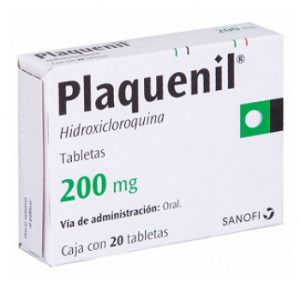
Plaquenil
from
Rebetol
from
Symmetrel
from
Valtrex
from
Zovirax
fromUnderstanding Antivirals and How They Work
Antiviral medications are pharmaceutical treatments designed to fight viral infections by targeting the virus itself or limiting its ability to replicate in the body. Unlike antibiotics that treat bacterial infections, antivirals work by interfering with various stages of the viral life cycle. They may prevent the virus from entering healthy cells, inhibit viral replication inside infected cells, or boost the immune system’s ability to fight the infection. Antivirals have revolutionised the treatment of many serious viral conditions, allowing patients to manage symptoms more effectively and reduce the duration of illness. Understanding how these medications work helps patients appreciate why they’re prescribed and the importance of taking them as directed by their healthcare provider.
Types of Antiviral Actions
Antivirals operate through different mechanisms depending on the virus type and the medication. Some antivirals block viral entry into cells, while others prevent the virus from replicating its genetic material. Protease inhibitors stop viral proteins from assembling correctly, and neuraminidase inhibitors prevent newly formed viruses from being released from infected cells. Each class targets specific vulnerable points in the viral life cycle, making them effective against particular types of viruses.
When Antivirals Are Prescribed
Healthcare providers prescribe antivirals for various viral infections, ranging from common conditions like cold sores to serious illnesses such as HIV and hepatitis. They’re most effective when started early in the infection, often within the first few days of symptoms appearing. For some chronic viral infections, antivirals may be taken long-term to suppress the virus and prevent complications.
Antivirals for Influenza and Respiratory Viruses
Influenza antivirals are among the most commonly used antiviral medications in Australia, particularly during winter months. These medications can reduce the severity and duration of flu symptoms if taken within the first 48 hours of infection. The primary influenza antiviral available in Australia is oseltamivir, sold under the brand name Tamiflu. This medication works by preventing the release of new flu viruses from infected cells.
Available Flu Antivirals in Australia
Oseltamivir (Tamiflu) remains the most prescribed antiviral for seasonal influenza in Australia. It’s available as capsules and oral suspension, making it suitable for both adults and children. The standard treatment course involves taking oseltamivir twice daily for five days. Zanamivir (Relenza) is another neuraminidase inhibitor available as an inhalation powder, offering an alternative for patients who cannot tolerate oral medications. Peramivir is occasionally used in hospital settings for patients who cannot take oral or inhaled medications.
Effectiveness and Benefits
When taken early, flu antivirals can shorten illness duration by approximately one to two days and reduce symptom severity. They’re particularly beneficial for elderly patients, those with chronic health conditions, and young children who face higher risks from severe flu complications. Antivirals can also help prevent serious complications like pneumonia and hospitalisation in high-risk groups.
Side Effects and Considerations
Most flu antivirals are well-tolerated, though some patients experience mild nausea or stomach upset. Oseltamivir may cause gastrointestinal symptoms that often improve when taken with food. Zanamivir, being inhaled, may rarely cause bronchospasm in patients with underlying respiratory conditions. Healthcare providers consider individual patient factors when selecting which antiviral is most appropriate.
Antivirals for Herpes and Cold Sores
Herpes simplex virus infections, including cold sores and genital herpes, respond well to antiviral treatment. Several effective antivirals are available over-the-counter or by prescription in Australia for managing herpes outbreaks. These medications significantly reduce pain, healing time, and the risk of transmitting the infection to others.
Common Herpes Antivirals Available
Acyclovir is the most established antiviral for herpes simplex infections and is available in multiple forms including creams, tablets, and intravenous formulations. It’s affordable and effective for both primary infections and recurrent outbreaks. Valacyclovir (Valtrex) is a newer option that’s better absorbed orally and requires less frequent dosing than acyclovir. Famciclovir (Famvir) is another oral antiviral that works similarly to valacyclovir. Topical creams containing antivirals like acyclovir or penciclovir are available for localised cold sore treatment and can be purchased without a prescription at most Australian pharmacies.
Treatment Strategies
For cold sores, topical antivirals applied at the first sign of tingling or burning can prevent the outbreak from fully developing or reduce its severity significantly. For genital herpes, oral antivirals are more effective and are typically taken at first signs of an outbreak or continuously for suppressive therapy in patients with frequent recurrences. Suppressive therapy reduces outbreak frequency by up to 70 per cent and substantially decreases transmission risk to sexual partners.
Antivirals for Chronic Viral Infections
Managing chronic viral infections requires long-term antiviral therapy. Conditions like HIV and hepatitis C represent the most significant chronic viral infections treated with antivirals in Australia. These medications have transformed what were once terminal diagnoses into manageable chronic conditions.
HIV Antivirals
Australia has excellent access to HIV antivirals through government programmes. Modern antiretroviral therapy typically involves combination treatment with three or more medications from different drug classes. Nucleoside reverse transcriptase inhibitors like tenofovir and emtricitabine work alongside non-nucleoside inhibitors or protease inhibitors to effectively suppress viral replication. Integrase inhibitors such as dolutegravir have become increasingly popular due to their efficacy and tolerability. When taken consistently, HIV antivirals can reduce viral loads to undetectable levels, allowing patients to live normal lifespans and preventing transmission to partners.
Hepatitis B and C Antivirals
Hepatitis B treatment may involve antivirals like entecavir or tenofovir for patients with active disease. Hepatitis C has seen revolutionary treatment advances with direct-acting antivirals that achieve cure rates exceeding 95 per cent. Medications like sofosbuvir-based combinations can eliminate hepatitis C virus completely with treatment courses as short as eight to twelve weeks.
Importance of Adherence
For chronic viral infections, consistent medication adherence is crucial. Missing doses or stopping treatment prematurely can lead to viral resistance, making the virus resistant to the medication. This emphasises the importance of taking antivirals exactly as prescribed and maintaining regular appointments with healthcare providers.
Other Notable Antivirals and Their Uses
Beyond the common antivirals, Australia has access to medications for other viral infections that significantly impact public health and individual wellbeing. Effective treatment options exist for several conditions:
- Chickenpox and shingles treated with acyclovir, valacyclovir, or famciclovir
- Shingles in older adults, where early treatment prevents severe post-herpetic neuralgia complications
- Cytomegalovirus infections in immunocompromised patients using ganciclovir
- Resistant cases managed with foscarnet as an alternative option
- Severe respiratory syncytial virus infections treated with ribavirin in specific situations
Children with chickenpox can benefit from antivirals if treatment starts within 24 hours of rash appearance, especially in high-risk groups. Ganciclovir is used for serious cytomegalovirus infections, particularly in immunocompromised patients, whilst foscarnet represents an alternative for resistant cases.
Obtaining Antivirals in Australia and Practical Information
Antivirals in Australia are accessed through different pathways depending on the medication type, whether available over-the-counter, by prescription, or through specialist programmes.
Prescription Requirements
Most systemic antivirals require a prescription from a doctor or nurse practitioner. Healthcare providers assess whether antiviral treatment is appropriate based on the specific infection, timing of symptoms, and individual patient factors. Some antivirals like topical cold sore treatments are available at pharmacies without prescription, though consulting a pharmacist ensures proper use and effectiveness.
Pharmaceutical Benefits Scheme Coverage
The Australian Pharmaceutical Benefits Scheme (PBS) covers many antivirals, ensuring they’re affordable for eligible patients. HIV antivirals and hepatitis C treatments have particularly strong PBS coverage, removing financial barriers to essential therapy. Patients should discuss PBS eligibility and costs with their pharmacist or healthcare provider.
Pharmacy Support and Advice
Australian pharmacies play a vital role in antiviral therapy. Pharmacists can advise on correct usage, potential side effects, and interactions with other medications. They can also monitor treatment adherence and provide encouragement for long-term therapies. Building a relationship with a local pharmacy ensures continuity of care and professional support throughout antiviral treatment.