Plaquenil
In brief
- In Australia Plaquenil (hydroxychloroquine) is classified as a prescription-only medicine and is regulated by national authorities, but in practice some pharmacies or online suppliers may supply it without a prescription; discreet packaging and delivery options are commonly available—however it is recommended to use it only under a doctor’s supervision.
- Plaquenil is used to treat and prevent certain forms of malaria (not all strains), and as a disease‑modifying agent for rheumatoid arthritis and systemic or discoid lupus; it is an aminoquinoline that accumulates in lysosomes, raising pH to impair parasite growth and modulates the immune response (reducing antigen presentation and toll‑like receptor signalling) in autoimmune disease.
- Usual dosages: for rheumatoid arthritis and lupus 200–400 mg daily (maximum commonly 400 mg/day); malaria prophylaxis 400 mg once weekly; malaria treatment regimens typically start with 800 mg then 400 mg at 6, 24 and 48 hours; paediatric dosing is weight‑based (e.g. ~3–7 mg/kg/day, max ~400 mg).
- Administered orally as film‑coated tablets (commonly 200 mg, usually scored) supplied in blister packs or bottles.
- Onset: protective effect for malaria prophylaxis generally develops after 1–2 weeks of dosing; parasiticidal effects begin within days during treatment; effects for autoimmune disease may take 1–2 months to become noticeable.
- Duration: Plaquenil has a long terminal half‑life (effects can persist for weeks); prophylaxis is continued throughout exposure and for 4 weeks after; autoimmune benefits require ongoing treatment and persist while the drug is taken.
- Avoid excessive alcohol; alcohol can worsen gastrointestinal side effects and may increase liver strain — discuss alcohol use with your prescriber.
- Most common side effec: gastrointestinal upset (nausea, vomiting, abdominal cramps, diarrhoea); other frequent effects include headache and skin rash; long‑term use carries a risk of retinal toxicity.
- Would you like to try plaquenil without a prescription?
Availability & Price Landscape
Basic Plaquenil Information
- INN (International Nonproprietary Name): Hydroxychloroquine.
- Brand Names Available In Australia: Plaquenil is the common brand found in Australia; equivalents may appear as generic hydroxychloroquine sulfate.
- ATC Code: P01BA02 (Aminoquinolines, antiprotozoals).
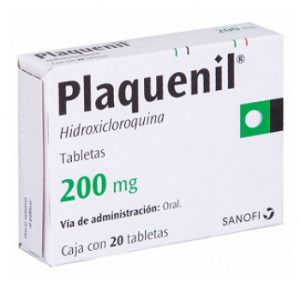
- Forms & Dosages: Film-coated tablets 200 mg commonly in blister packs of 30 or 60; some markets also supply 100 mg generics.
- Manufacturers In Australia: Originator manufacturer Sanofi supplies Plaquenil globally; generics are sourced from multinational and Indian manufacturers such as Ipca Laboratories, Zydus Cadila and Cipla, and other suppliers like Apotex.
- Registration Status In Australia: Prescription (Rx) only and regulated via national medicine pathways; check ARTG entries for current sponsors and product listings.
- OTC / Rx Classification: Prescription (Rx) only (S4).
Wondering where to buy Plaquenil and how prices stack up in Australia?
National pharmacy chains and online sellers are the primary places Australians look for plaquenil and hydroxychloroquine tablets.
Chemist Warehouse, Priceline and TerryWhite Chemmart are the big players stocking branded Plaquenil and generics where supply allows.
Discount chains and online pharmacies may list generics sourced from international manufacturers such as Indian suppliers.
Pack sizes commonly dispensed are Plaquenil 200 mg tablets in blister packs of 30 or 60, matching global practice.
Because hydroxychloroquine is prescription-only in Australia, patients usually compare in-store pricing against online specials and ask pharmacists about PBS eligibility.
| Retailer | Common Pack Sizes | Price Indicator |
|---|---|---|
| Chemist Warehouse | Blister 30, 60 | Varies by brand/generic and PBS eligibility (not specified) |
| Priceline | Blister 30, 60 | Varies by brand/generic and PBS eligibility (not specified) |
| TerryWhite Chemmart | Blister 30, 60 | Varies by brand/generic and PBS eligibility (not specified) |
| Online/International Sellers | Blister 30, 60 or bottles | Often generics from international manufacturers; confirm TGA registration (not specified) |
Patients often ask pharmacists whether a specific pack is covered on the PBS and how long a repeat script will take to fill.
Telehealth e-prescriptions have improved remote access, though rural supply can lag for particular pack sizes.
- Practical Purchase Notes: Check TGA registration and ARTG listing, verify tablet strength (Plaquenil 200 mg), confirm blister vs bottle packaging, and ask about generic origin and PBS status.
- Patient Tip: Ask your pharmacist to confirm whether you receive branded Plaquenil or hydroxychloroquine sulfate generics and to explain waiting times and PBS authority requirements.
Patient Insights & Satisfaction Levels
Forum Reviews (ProductReview, Aussie Health Forums)
Are Aussies happy with their treatment and the service they receive?
On ProductReview and local health forums many patients report steady improvements in lupus and rheumatoid arthritis symptoms after weeks to months on therapy.
Common feedback praises reduced flares and fewer steroid bursts once hydroxychloroquine tablets take effect.
Conversely, forum threads frequently mention initial nausea and the hassle of arranging retinal screening in regional areas.
Reported Benefits And Issues From Australian Patients
What do patients say matters most in their experience on Plaquenil?
Patients report benefits such as flare reduction in SLE and improved joint symptoms in RA after 4–12 weeks of treatment.
Frustrations often focus on gastrointestinal side effects, difficulties getting repeat prescriptions in rural communities, and access to ophthalmology for long-term retinal monitoring.
- Pros: Symptom control for SLE and RA; steroid-sparing effect; widely available branded and generic options.
- Cons: Nausea, trouble booking eye tests in some areas, out-of-pocket costs when PBS authority is not in place.
- Retinopathy Monitoring
- Periodic ophthalmology checks to detect early retinal changes from long-term use.
- PBS Authority
- Special approval needed for subsidy on certain long-term indications; check with your pharmacist or prescriber.
Product Overview & Brand Variants
INN And Brand Names In Australia
What exactly is in the tablet dispensed to you?
The International Nonproprietary Name is hydroxychloroquine and it is most commonly dispensed in Australia as Plaquenil 200 mg film-coated tablets.
Generics labelled hydroxychloroquine sulfate may be supplied depending on local availability and sourcing.
Legal Classification (TGA-Approved)
How is hydroxychloroquine regulated here?
Hydroxychloroquine is a prescription medicine (S4) regulated under the Therapeutic Goods Administration framework in Australia.
Clinicians and pharmacists must verify a valid prescription before dispensing Plaquenil or hydroxychloroquine tablets.
| Brand/Type | Common Strength | Typical Packaging |
|---|---|---|
| Plaquenil (Sanofi) | 200 mg | Blister 30, 60 |
| Hydroxychloroquine Sulfate (Generics) | 200 mg (100 mg rare) | Blister 30, 60 or bottles depending on market |
Indications In Local Medical Practice
Approved Uses By TGA
Why might a clinician prescribe Plaquenil in Australia?
TGA-regulated practice commonly uses hydroxychloroquine for systemic lupus erythematosus, discoid lupus and as a DMARD for rheumatoid arthritis.
Hydroxychloroquine is also used for malaria prevention and treatment where the strain is susceptible.
Off-Label Patterns In Australian Clinics
Do Australian doctors still use it for other conditions?
After evidence showed no benefit for COVID-19, off-label prescribing for acute infectious uses declined sharply.
Specialists may still use hydroxychloroquine off-label for certain dermatology or rheumatology indications with proper documentation and monitoring.
- Checklist For Eligibility And Monitoring:
- Documented indication (SLE/RA or specialist-approved dermatology use).
- Baseline ophthalmology referral before long-term therapy.
- Periodic blood tests and renal/hepatic review as indicated.
How It Works In The Body
Layman’s Explanation
How does Plaquenil calm down an overactive immune system?
Hydroxychloroquine changes how immune cells process messages that drive inflammation, which helps reduce flares in autoimmune disease.
For malaria it interferes with the parasite’s ability to detoxify haemoglobin breakdown products inside red blood cells.
Clinical Detail
What’s the science behind that simplified explanation?
Hydroxychloroquine accumulates in lysosomes and raises their pH, altering antigen presentation and dampening toll-like receptor signalling.
This reduces production of interferon and cytokines important in systemic lupus and rheumatoid arthritis control.
Pharmacokinetics: oral 200 mg tablets are well absorbed, display a large volume of distribution and a long elimination half-life, which supports once-daily or weekly dosing depending on indication.
Safety: tissue accumulation in the retina and, rarely, the myocardium is the reason for ophthalmic and cardiac vigilance during long-term therapy.
Dosage & Administration
Standard Regimens
How are Plaquenil tablets typically dosed in adults and children?
For autoimmune disease, adults commonly take 200–400 mg daily as a single or divided dose.
Malaria prophylaxis is typically 400 mg weekly, while treatment regimens include loading doses (for example, 800 mg initial then 400 mg at 6, 24 and 48 hours in some protocols).
Paediatric dosing is weight-based: roughly 3–7 mg/kg/day for autoimmune indications with a usual maximum of 400 mg daily.
Adjustments By Patient Type (Elderly, Chronic Conditions)
Do older people or those with kidney or liver problems need different dosing?
Lower doses or increased monitoring are advised for the elderly and those with renal or hepatic impairment.
For long-term therapy, dose is often limited to ≤5 mg/kg real body weight to reduce retinal toxicity risk; specialists provide exact adjustments.
| Indication | Typical Adult Dose | Notes |
|---|---|---|
| Rheumatoid Arthritis / SLE | 200–400 mg daily | Often long-term; monitor for efficacy and toxicity |
| Malaria Prophylaxis | 400 mg weekly | Start 1–2 weeks before travel, continue 4 weeks after |
| Paediatric Autoimmune | 3–7 mg/kg/day (max 400 mg) | Weight-based dosing and strict eye monitoring |
Contraindications & Side Effects
Common
What should a pharmacist screen for before dispensing Plaquenil?
Screen for hypersensitivity to hydroxychloroquine or other 4-aminoquinolines and for pre-existing retinopathy.
Common side effects include nausea, vomiting, diarrhoea, headache, dizziness and skin rashes.
Provide a concise adverse-effect handout and advise patients to report visual symptoms promptly.
Rare But Serious (Australian Safety Data)
What are the rare but important risks to know about?
Retinal toxicity is a rare but serious risk with long-term or high-dose exposure and requires periodic eye exams.
Cardiac arrhythmias and QT prolongation are uncommon but documented, particularly when combined with other QT-prolonging medicines such as azithromycin.
- Absolute Contraindications: Known hypersensitivity to hydroxychloroquine/4-aminoquinolines and pre-existing retinopathy; avoid full-strength tablets in children under 6 years due to overdose risk.
- Relative Contraindications: Cardiac conduction disorders, severe liver or kidney disease, G6PD deficiency, psoriasis, pregnancy/lactation considerations.
Comparable Medicines
Alternatives Table (PBS And Non-PBS)
What are reasonable alternatives when Plaquenil isn’t suitable?
| Drug/Class | PBS Status | Monitoring Burden | Notes |
|---|---|---|---|
| Methotrexate (DMARD) | Often PBS-listed for approved indications | Blood tests, liver monitoring | Common alternative or adjunct for RA; different toxicity profile |
| Sulfasalazine / Leflunomide | Varies by indication | Bloodwork and monitoring | Used as alternative DMARDs |
| Biologics (TNF inhibitors, IL agents) | PBS-restricted (authority criteria) | Specialist monitoring; injection/infusion schedules | Reserved for moderate–severe disease or DMARD failure |
| Chloroquine / Artemisinin Derivatives (Malaria) | Private or PBS depending on product | Resistance considerations for chloroquine; artemisinins for resistant strains | Choice depends on region of travel/resistance pattern |
Pros And Cons List
How do these options compare at a glance?
- Hydroxychloroquine: Well-tolerated long-term for many; requires eye monitoring.
- Other DMARDs: May be more effective in some patients but carry different monitoring burdens and side effects.
- Antimalarials: Choice guided by resistance patterns and specialist advice.
Current Research & Trends
Major Studies 2022–2025 (Australia + International)
What’s changed since the COVID-19 debates?
Post-2020 research refined safety profiles and monitoring thresholds, emphasising dose-per-kg and appropriate retinal screening frequency.
Australian rheumatology and ophthalmology guidance continues to recommend baseline screening and annual review after five years of regular dosing or earlier for higher doses.
Pharmacovigilance reports have flagged sporadic cardiac events, increasing caution around co-prescribing QT-prolonging medicines.
Practical trends include improved generic availability, routine telehealth prescribing and stronger community pharmacist counselling roles.
- Ongoing Research Focus:
- Refining retinal screening pathways and risk stratification.
- Targeted immunomodulatory research in dermatology subtypes rather than infectious uses.
Common Patient Questions
Will Plaquenil Be Subsidised On PBS?
How can patients tell if they’ll pay full price?
Some hydroxychloroquine indications attract PBS subsidy with authority requirements, typically for long-term autoimmune management under specialist guidance.
Confirm eligibility with your pharmacist or prescriber and check the PBS schedule or dispensing software for current criteria.
How Soon Will I Feel Better And What Monitoring Is Needed?
When will treatment start to work and what follow-up should be expected?
Therapeutic benefit for RA and SLE usually takes 4–12 weeks to become noticeable.
Monitoring includes a baseline eye exam, periodic retinal screening (often annually after five years or sooner if dose is higher), and renal/hepatic checks as indicated.
Can I Take It With Other Common Medicines?
Which medicines should trigger a chat with the pharmacist?
Review your full medication list for QT-prolonging drugs such as azithromycin and avoid co-administration where possible.
Do not take other 4-aminoquinolines concurrently with hydroxychloroquine.
- What To Bring To The Pharmacy: Current prescriptions, a list of all medicines and supplements, and details of any previous eye or heart issues.
Regulatory Status
TGA Approval
Is Plaquenil registered and how do pharmacists confirm this?
Hydroxychloroquine products are regulated as prescription medicines under the TGA framework in Australia.
Pharmacists should check ARTG entries and sponsor details on receipt of stock and confirm product registration when unsure.
PBS Subsidy Details
When is PBS subsidy likely to apply?
PBS authority approvals commonly apply for long-term autoimmune indications and are facilitated by specialists or GPs in shared care arrangements.
Copayment tiers and authority criteria change periodically, so always confirm current PBS status using official PBS resources or dispensing systems.
Visual Recommendations
Infographics: PBS Pricing, Pharmacy Networks
Which visuals help readers trust and act?
Include a clear price comparison table showing pack sizes (30/60), PBS vs private scenarios and retailer types, and label whether the product is Plaquenil or a generic hydroxychloroquine sulfate.
Mechanism And Safety Checkpoints
What diagrams make monitoring easier to understand?
Use a simple mechanism infographic showing lysosomal accumulation and cytokine reduction, and a flowchart titled “Starting Hydroxychloroquine” with baseline eye check, dosing and follow-up schedule.
Quick reference cards should include “What To Tell Your Pharmacist” and “Red Flag Symptoms” such as vision changes or palpitations.
Buying & Storage Advice
In-Store Vs Online Purchase Tips In Australia
How should Australians approach buying plaquenil or hydroxychloroquine tablets?
Confirm prescription validity and ask the dispensing pharmacist whether the product is Plaquenil (Sanofi) or a generic hydroxychloroquine sulfate, and check tablet strength (Plaquenil 200 mg).
Use TGA-registered suppliers, local Australian pharmacy websites or national chains that accept e-prescriptions for safer online purchases.
Inspect blister integrity and expiry dates on delivery, and avoid unverified international sellers to reduce counterfeit risk.
In our online pharmacy, plaquenil is available without a prescription, with discreet delivery to Australia in 9-21 days.
Storage In Australian Household Conditions (Heat/Humidity)
How should the medicine be stored in an Australian home?
Store at room temperature (15–30°C), protected from moisture and direct sunlight.
During hot, humid summers keep the product in its original packaging and avoid leaving it in cars or bathrooms.
Keep all medicines out of reach of children because accidental overdose can be fatal.
| Do | Don’t |
|---|---|
| Store in original blister pack away from sunlight | Leave tablets in a hot car or open humid bathroom |
| Keep at 15–30°C | Refrigerate or freeze the tablets |
| Check expiry before use | Use if packaging is damaged or expiry passed |
Guidelines For Proper Use
Pharmacist Guidance In Australia
What will the pharmacist check and counsel on when dispensing plaquenil?
Pharmacists should verify the indication and PBS authority where applicable, confirm body-weight dosing and review the full medication list for interacting drugs such as azithromycin.
Advise baseline ophthalmology referral and schedule follow-up eye exams according to specialist guidance.
Provide written information on adverse effects, missed-dose instructions and emergency signs requiring immediate care.
Patient Safety Recommendations
How can patients reduce their risk while taking hydroxychloroquine tablets?
Adhere to dosing limits — generally aim for ≤5 mg/kg real body weight for long-term therapy — and avoid self-medicating for unapproved indications like COVID-19.
Maintain an up-to-date medication list for all clinicians and report vision changes or palpitations immediately.
- Pharmacist Counselling Checklist: Confirm indication and PBS authority, weigh the patient for dosing if needed, review drug interactions, explain eye monitoring schedule, and supply a one-page safety card.
Delivery Across Australia
| City | Region | Delivery Time |
|---|---|---|
| Sydney | New South Wales | 9-14 days |
| Melbourne | Victoria | 9-14 days |
| Brisbane | Queensland | 9-14 days |
| Perth | Western Australia | 9-14 days |
| Adelaide | South Australia | 9-14 days |
| Hobart | Tasmania | 9-14 days |
| Canberra | Australian Capital Territory | 9-14 days |
| Gold Coast | Queensland | 9-14 days |
| Newcastle | New South Wales | 9-14 days |
| Sunshine Coast | Queensland | 14-21 days |
| Wollongong | New South Wales | 14-21 days |
| Townsville | Queensland | 14-21 days |
| Darwin | Northern Territory | 14-21 days |