Chloroquine
In brief
- Available from community pharmacies, hospitals and online suppliers; chloroquine is officially Prescription Only (Rx) in nearly all countries, including Australia, although some pharmacies or online vendors may sell it without a prescription/receipt — this is unsafe and not recommended.
- Chloroquine is used to treat acute malaria, extraintestinal amebiasis and as a disease‑modifying agent in rheumatoid arthritis and SLE; it concentrates in lysosomes, raises intravacuolar pH, interferes with haem polymerisation in Plasmodium and has immunomodulatory effects.
- Usual dosages: acute malaria (adults) 600 mg base initially, then 300 mg base at 6, 24 and 48 hours (total 1.5 g base); children 10 mg/kg then 5 mg/kg at 6, 24 and 48 hours. Rheumatology maintenance 250–500 mg daily. Amebiasis regimens vary (e.g. 600 mg daily for 2 days then 300 mg for 2–3 weeks).
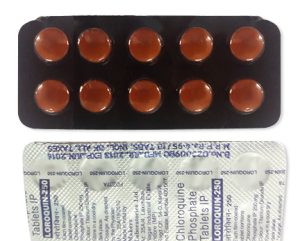
- Administered orally as tablets (100, 150, 250, 500 mg), syrup (50 mg/5 ml) for paediatrics, and in limited settings by injection.
- Onset: absorbed relatively quickly with peak plasma levels in about 2–6 hours; clinical improvement in malaria is often seen within 24 hours.
- Duration of action: effects can persist for days to weeks due to extensive tissue binding; the terminal elimination half‑life is prolonged (approximately 20–60 days), so effects and risk of accumulation are long‑lasting.
- Alcohol warning: avoid alcohol while taking chloroquine — alcohol may worsen liver effects and increase the risk of adverse reactions like dizziness or seizures.
- The most common side effect is nausea.
- Would you like to try “chloroquine” without a prescription?
Basic Chloroquine Information
- INN (International Nonproprietary Name): Chloroquine
- Brand Names Available In Australia: Aralen; Nivaquine; Lariago; Emquin; Emzor Chloroquine; Reuquinol; Chloroquin (local availability varies by importer and supplier)
- ATC Code: P01BA01 — Chloroquine (antimalarial agent)
- Forms & Dosages: Tablets 100 mg, 150 mg, 250 mg, 500 mg; Syrup/Solution 50 mg/5 ml (paediatric); Injectable forms 150 mg base/ml (limited use)
- Manufacturers In Australia: Emzor Pharma; Medreich; EMS (availability varies; consult national registers for local approvals)
- Registration Status In Australia: Not specified — check the TGA register for current approvals and imported product conditions
- OTC / Rx Classification: Prescription Only (Rx) in nearly all countries
Availability & Price Landscape
Where can people find chloroquine in Australia and what will it cost them?
Chloroquine is prescription-only in most jurisdictions and is rarely stocked over the counter.
Major pharmacy chains that will fulfil prescriptions include Chemist Warehouse, Priceline and TerryWhite Chemmart.
Urban stores and major online retailers are usually quicker to source generics and international brands such as Aralen, Nivaquine and Lariago.
Rural outlets commonly rely on mail-order, wholesaler supply or chain redistribution and may take longer to receive stock.
The TGA listing for chloroquine in Australia is limited and PBS listing is uncommon for chloroquine because of restricted indications and safety monitoring needs.
Expect most supplies to be dispensed on private scripts with variable pricing rather than PBS-subsidised packs.
Typical pharmacy costs are influenced by private wholesale price, dispensing fees and any telehealth e‑prescription handling charges.
Price-conscious customers often compare Chemist Warehouse discount models and online specials before ordering.
International tablet strengths commonly produced are 100–500 mg and syrup formulations exist for paediatrics.
Below is a practical table comparing typical retail price ranges by pack size and supplier type.
| Pack Size | Supplier Type | Typical Retail Price Range (AUD) |
|---|---|---|
| 10–14 Tablets (250 mg) | PBS | Not commonly subsidised |
| 10–14 Tablets (250 mg) | Private Pharmacy | $25–$70 |
| 20–30 Tablets (250–500 mg) | Private Pharmacy / Online Import | $40–$120 |
| Paediatric Syrup (50 mg/5 ml, 100–200 ml) | Private Pharmacy / Import | $30–$90 |
| Injectable (hospital supply) | Hospital/Wholesale | Variable — hospital procurement pricing |
Checklist For Rural Ordering And Prescription/ID Requirements:
- Valid prescription required for supply in most cases.
- Ask for brand, batch and expiry when ordering online or by phone.
- Expect longer lead times and possible courier temperature exposure for rural deliveries.
- Bring photo ID if requested at collection for controlled prescriptions.
Patient Insights & Satisfaction Levels
What do Australian patients say about chloroquine on forums and review sites?
Forum reviews on ProductReview and Aussie health forums focus strongly on side effects and access obstacles.
Commonly reported side effects include nausea, itching and blurred vision.
Some patients with rheumatic conditions report good symptom control when chloroquine is used under specialist supervision.
Others describe dermatological itch or gastrointestinal upset that led them to stop treatment early and consult their prescriber.
Rural patients frequently report delays in supply and reliance on telehealth prescriptions with higher shipping costs.
Pharmacies report frequent calls about the need for ocular monitoring and concerns about cardiac risk when used with other QT‑prolonging medicines.
Top Five Patient‑Reported Positives:
- Effective symptom relief for some rheumatic disease patients under specialist care.
- Familiar antimalarial option where parasites remain sensitive.
- Oral dosing is simple for short courses.
- Generic options are widely manufactured and can be lower cost.
- Paediatric syrup available in some supplies for weight‑based dosing.
Top Five Patient‑Reported Negatives:
- Nausea and gastrointestinal upset.
- Skin itching reported in particular populations.
- Concern about vision changes with long‑term use.
- Delay or difficulty obtaining supply in rural areas.
- Cardiac interaction worries with other medications.
| Indication | Reported Satisfaction |
|---|---|
| Malaria Prophylaxis / Treatment | Moderate — effective where parasite sensitive, but declining use due to resistance |
| Rheumatic Disease (RA / SLE) | Variable — good symptom control for some under specialist advice, concerns about long‑term ocular risk |
Document patient‑reported adverse events in dispensing records and escalate to the prescriber if symptoms are persistent or severe.
Product Overview & Brand Variants
Which product names and formats should pharmacists and shoppers recognise?
INN: Chloroquine.
International brands named in supplier registers include Aralen (United States), Nivaquine (France), and Lariago/Emquin (India).
Tablets are commonly produced in 100 mg, 150 mg, 250 mg and 500 mg strengths and syrup is available for paediatric use.
Australia’s local presence is limited and pharmacies should verify the TGA register for currently approved preparations and permitted imports.
Legal classification aligns with prescription scheduling — chloroquine is Prescription Only in most jurisdictions.
- INN
- Chloroquine
- Common Brand Names
- Aralen; Nivaquine; Lariago; Emquin; Emzor Chloroquine; Reuquinol; Chloroquin
- Form Strengths
- Tablets 100–500 mg; Syrup 50 mg/5 ml; Injectable 150 mg base/ml (limited)
Pharmacies must obtain a valid script before supply, verify batch and expiry on imported packs and counsel on storage at 15–25°C.
Indications In Local Medical Practice
What are the standard uses for chloroquine in Australian practice?
TGA‑approved indications are typically antimalarial treatment and select rheumatologic conditions.
Artemisinin‑based combination therapies are preferred where resistance is present, making chloroquine less common for many regions.
Off‑label use in Australia is rare and usually occurs under specialist authority for autoimmune conditions when hydroxychloroquine is unsuitable.
International emergency use during the COVID‑19 pandemic was discontinued when trials failed to show benefit and safety signals emerged.
Practical note for pharmacists: ensure the indication is documented when supply is for a non‑standard use and confirm specialist oversight for long‑term therapy.
Decision Flowchart (Short):
- Indication Identified → Check First‑Line Recommended Therapy.
- If First‑Line Appropriate → Use recommended alternative (e.g., ACTs for resistant malaria).
- If Chloroquine Appropriate → Confirm parasite sensitivity or specialist authorisation and monitor.
How It Works In The Body
How does chloroquine act against parasites and why does it cause systemic effects?
In simple terms, chloroquine accumulates inside parasite vacuoles and disrupts their ability to digest haemoglobin.
This leads to impaired parasite survival and reduced replication for susceptible malaria strains.
For rheumatologic uses chloroquine modulates immune cell activity and cytokine release, producing anti‑inflammatory effects.
Clinical detail: chloroquine is a weak base that concentrates in lysosomes and raises intravesicular pH.
This disrupts parasite autophagy and replication and also alters antigen presentation and endosomal function in immune cells.
Pharmacokinetics important for clinicians: chloroquine has a long half‑life with tissue accumulation, notably in retina and cardiac tissue.
It is metabolised hepatically and excreted renally, so liver or kidney impairment increases the risk of accumulation and toxicity.
Mechanism Steps:
- Absorption and distribution to tissues including lysosomes and vacuoles.
- Accumulation raises pH in acidic organelles.
- Interference with haemoglobin digestion and parasite detox pathways.
- Immune modulation via cytokine and antigen processing effects.
| Parameter | Typical Value |
|---|---|
| Half‑Life | Long (weeks) with tissue accumulation |
| Tissue Distribution | High — retina, cardiac tissue, liver |
| Excretion | Renal (metabolised in liver first) |
Dosage & Administration
How should chloroquine be dosed for different conditions and patient groups?
Standard adult regimen for acute malaria: 600 mg base initially, then 300 mg base at 6, 24 and 48 hours (total 1.5 g base).
Paediatric acute dosing: 10 mg/kg base initially, then 5 mg/kg base at 6, 24 and 48 hours — always weight‑based.
Rheumatology maintenance is commonly 250–500 mg daily with regular monitoring.
Adjust doses carefully in liver or kidney impairment and in elderly patients because of accumulation risk.
For children, round doses to available strengths or use syrup formulations where available and appropriate.
Overdose is life‑threatening — cardiac arrhythmia, seizures and respiratory depression require emergency care.
| Indication | Adult Dose | Paediatric Dose |
|---|---|---|
| Acute Malaria | 600 mg base initial; 300 mg base at 6, 24, 48 hours | 10 mg/kg base initial; 5 mg/kg at 6, 24, 48 hours |
| Rheumatoid Arthritis / SLE | 250–500 mg daily | Not typically recommended; weight‑based if used |
| Amebiasis | 600 mg base daily for 2 days, then 300 mg for 2–3 weeks | Weight‑based, under supervision |
Baseline Investigations Checklist:
- ECG where cardiac risk or concomitant QT drugs present.
- Liver function tests and renal function tests before long‑term therapy.
- Baseline ophthalmology assessment for planned prolonged use.
Contraindications & Side Effects
Who should not take chloroquine and what side effects should they expect?
Absolute contraindications include known hypersensitivity to chloroquine or related compounds, preexisting retinal or visual field changes, and a history of epilepsy.
Relative contraindications requiring close monitoring include liver disease, renal impairment, psoriasis, porphyria and myasthenia gravis.
Common side effects are nausea, headache, itching (noted in some populations), loss of appetite and abdominal pain.
Moderate effects can include blurred vision, skin rash and mood changes.
Rare but serious events are retinopathy with long‑term/high‑dose use, cardiomyopathy, QT prolongation and severe hypersensitivity.
Interactions of concern include concomitant QT‑prolonging agents and drugs that lower seizure threshold.
Red‑Flag Symptoms That Require Immediate Medical Review:
- New or worsening visual disturbance.
- Palpitations, syncope or chest pain.
- Severe rash, swelling or breathing difficulty.
- Seizure activity or altered consciousness.
Monitoring Frequency Recommendation:
- Baseline ophthalmology prior to long‑term therapy and periodic reviews as advised by the specialist.
- ECG at baseline when cardiac risk or interacting drugs present and periodically thereafter.
Comparable Medicines
What are practical alternatives to chloroquine depending on the indication?
| Drug | Indication Overlap | PBS Listing Status | Typical Adult Dose | Key Safety Notes |
|---|---|---|---|---|
| Hydroxychloroquine | Malaria, Rheumatic Diseases | More commonly listed for rheumatology | 200–400 mg daily | Lower retinal risk than chloroquine but still requires monitoring |
| Mefloquine | Malaria | Not typically subsidised for all uses | Varies by regimen | Neuropsychiatric side effects in some patients |
| Artemisinin Combination Therapies (ACTs) | Malaria — first‑line in many regions | Depends on specific agent | Regimen dependent | Preferred where chloroquine resistance exists |
| Primaquine | P. vivax radical cure | Often PBS for specific indications | 15 mg base daily (regimen varies) | G6PD testing required prior to use |
Pros And Cons Summary:
- Chloroquine: low cost and effective where parasites are sensitive, but increased retinal and cardiac risk and limited by resistance patterns.
- Hydroxychloroquine: preferred in many rheumatology cases because of a better safety profile for the retina, and often easier to PBS‑subsidise.
- ACTs and other antimalarials: preferred for resistant malaria and where guidelines dictate alternative first‑line therapy.
Current Research & Trends
What does recent research say about chloroquine?
Major studies from 2022–2025 continued to confirm that chloroquine is not effective for COVID‑19 and that routine use outside established indications is not supported.
Research activity has focused on resistance patterns, long‑term pharmacovigilance for retinal and cardiac toxicity, and direct comparisons with hydroxychloroquine for autoimmune disease control.
Australian studies and audits have emphasised cautious prescribing, adherence to ocular monitoring programmes and timely adverse event reporting to the TGA.
Practical implications from recent literature: avoid empirical use outside established indications, document informed consent for off‑label prescriptions and report adverse reactions promptly to regulators.
Recent Timeline Highlights:
- 2020–2021: Widespread off‑label interest followed by regulatory restriction.
- 2022–2023: Focus on long‑term toxicity surveillance and resistance mapping.
- 2024–2025: Continued pharmacovigilance studies and guidance on specialist prescribing.
Key Takeaway: Clinicians should reserve chloroquine for documented indications and ensure monitoring plans are in place.
Common Patient Questions
What patients ask most often when collecting chloroquine at the pharmacy?
- Do I need a script? Yes — chloroquine is classified as prescription‑only in nearly all countries.
- How quickly does it work for malaria? Acute regimens act rapidly within days; seek immediate care for suspected severe malaria.
- Will it affect my eyes? Long‑term use carries a risk of retinopathy — baseline and periodic ophthalmology checks are required.
- Can I take it with other heart medications? Check with the prescriber or pharmacist — QT interactions are important.
- What if I miss a dose? Take as soon as remembered unless the next dose is imminent; do not double dose.
When To Call Your Pharmacist Or Doctor (Callout):
- New visual changes or blurred vision.
- Palpitations, fainting or chest discomfort.
- Severe nausea, vomiting or signs of allergic reaction.
Regulatory Status
What do dispensers need to check before supplying chloroquine?
Check the current TGA register for specific product approvals and any imported product conditions before supply.
Australian approvals may be limited and many chloroquine products are imported as generics from international suppliers.
PBS subsidy for chloroquine is uncommon for many indications in Australia and hydroxychloroquine is more frequently listed for rheumatology indications.
When supplying imported brands, pharmacies must comply with Australian importation law and labelling and storage requirements.
Compliance Checklist For Dispensers:
- Verify TGA registration or permitted import status for the specific pack.
- Confirm PBS code if a subsidy is being claimed.
- Document source, batch and expiry on dispensing record for imported packs.
Visual Recommendations
Which graphics help patients quickly understand chloroquine on a product page?
Recommended visuals include a simple PBS versus private price comparison, a pharmacy network map showing major chain fulfilment options, and a short decision flowchart titled “Is chloroquine Right For You?”.
Include a compact dosing table for adult and paediatric acute regimens and a small ocular monitoring timeline showing baseline and periodic checks.
All images should include alt text for accessibility and reference source data such as forms, strengths and manufacturer names.
Buying & Storage Advice
How should Australians order and store chloroquine safely at home?
Require a valid prescription for legal supply in most cases and confirm product authenticity when ordering online.
Ask for brand, batch and expiry details and prefer TGA‑registered or GMP‑certified suppliers where possible.
Rural customers should account for courier delays and potential temperature exposure during transport.
Store chloroquine at room temperature 15–25°C, protected from light and moisture.
Avoid storing tablets in cars or bathrooms where heat and humidity can fluctuate.
Keep all medicines out of reach of children — accidental ingestion may be fatal.
Pharmacist Checklist At Supply:
- Verify indication and counsel on dose and monitoring plan.
- Provide written advice on ocular monitoring and drug interactions.
- Document patient counselling in the dispensing record.
Patient Home Storage Checklist:
- Store in original packaging with child‑resistant closure if provided.
- Keep away from hot, humid places and direct sunlight.
- Return unused medicines to a pharmacy for safe disposal.
In our online pharmacy, chloroquine is available without a prescription, with discreet delivery to Australia in 9-21 days.
Guidelines For Proper Use
What practical steps should pharmacists take when dispensing chloroquine?
Verify the indication and, where appropriate, recent ECG, LFT and renal function before supply.
Confirm ophthalmology follow‑up for patients expected to continue therapy long term.
Use clear counselling scripts covering dose schedule, red‑flag symptoms, interactions and overdose actions.
For chronic users, set reminders for eye checks and document advice in the patient record.
Provide a patient wallet card template including dose, indication and emergency contact numbers.
Monitoring Schedule (Short):
- Baseline ophthalmology before prolonged therapy.
- Annual eye checks after a few years of cumulative exposure, or earlier if symptoms arise.
- ECG and blood tests as indicated by clinical risk factors and concomitant medicines.
Delivery Across Australia
| City | Region | Delivery time |
|---|---|---|
| Sydney | New South Wales | 9-14 days |
| Melbourne | Victoria | 9-14 days |
| Brisbane | Queensland | 9-14 days |
| Perth | Western Australia | 9-14 days |
| Adelaide | South Australia | 9-14 days |
| Canberra | Australian Capital Territory | 9-14 days |
| Hobart | Tasmania | 9-14 days |
| Darwin | Northern Territory | 9-14 days |
| Gold Coast | Queensland | 9-14 days |
| Newcastle | New South Wales | 9-14 days |
| Geelong | Victoria | 9-14 days |
| Sunshine Coast | Queensland | 14-21 days |
| Wollongong | New South Wales | 14-21 days |
| Townsville | Queensland | 14-21 days |