Acyclovir Cream
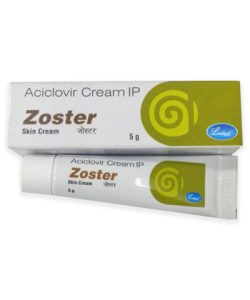
In brief
- Available from community pharmacies and online; acyclovir (aciclovir) 5% cream is generally a prescription medicine in many countries including Australia, but some brands and cold‑sore formulations may be supplied over‑the‑counter or without a prescription in certain pharmacies.
- Acyclovir cream is used to treat herpes simplex infections of the skin (most commonly herpes labialis/cold sores and as an adjunct for genital herpes). It is a nucleoside (guanosine) analogue that is selectively activated in virus‑infected cells and inhibits viral DNA polymerase, reducing viral replication.
- The usual topical dose for cold sores is to apply the 5% cream to the affected area five times daily, typically for 4–5 days; for genital herpes topical use is similar (around five times daily for 5–10 days) as an adjunct to other therapy.
- Form of administration: topical cream (5% w/w, commonly supplied in 2 g, 5 g or 10 g tubes); apply directly to the lesion.
- Onset time: the cream begins to act shortly after application; when started at the first signs (prodrome) clinical benefit is usually seen within 24–48 hours, with faster healing compared with no treatment.
- Duration of action: acyclovir cream requires multiple daily applications (typically five times daily) and is used for a short course—usually 4–10 days depending on response; there is no prolonged single‑application effect, so regular dosing is needed until healing.
- Alcohol warning: there is no specific interaction between topical acyclovir and alcohol; moderate alcohol consumption does not affect the cream’s topical action, but avoid excessive alcohol if unwell and consult your healthcare professional if you are taking oral antiviral therapy concurrently.
- The most common side effect is local skin irritation such as burning or stinging at the application site; mild dryness, flaking, itching or redness are also reported—systemic side effects are rare with topical use.
- Would you like to try acyclovir cream without a prescription?
Availability & Price Landscape
Basic Acyclovir Cream Information
- INN (International Nonproprietary Name): Aciclovir (also spelled Acyclovir in some sources).
- Brand Names Available In Australia: Zovirax and generics from manufacturers such as Teva and Actavis are commonly supplied; local specific Australian manufacturer names are not specified in the raw data.
- ATC Code: D06BB03.
- Forms & Dosages: Cream 5% (50 mg/g) in 2g, 5g and 10g tubes; ointment 5% in 3g, 5g and 10g; oral tablets 200/400/800 mg; suspension 200 mg/5 mL; injectable vials 250/500 mg.
- Manufacturers In Australia: not specified.
- Registration Status In Australia: Widely approved and generally registered as prescription-required in developed markets including Australia.
- OTC / Rx Classification: Generally prescription-only, though some countries (for example New Zealand) have reclassified selected cold sore products OTC for short-term use.
National Pharmacy Chains (Chemist Warehouse, Priceline, TerryWhite)
Where you shop changes what’s on the shelf and how much you pay.
Major chains such as Chemist Warehouse, Priceline and TerryWhite Chemmart tend to carry multiple brands and generics of aciclovir 5% cream in metropolitan stores.
Discount chains commonly list competitive private prices and often stock generics from Teva or Actavis.
Independent or rural pharmacies may only stock a single brand or one generic maker, so availability varies by location.
Two-gram tubes aimed at cold sores are the most frequently sold size and usually the lowest-cost option.
Five-gram and 10-gram tubes cost more but work out better for people with frequent outbreaks or household supplies.
PBS usually does not subsidise topical antiviral creams, so expect private purchase across all retailers.
Price-sensitive buyers usually compare chain discounts, online offerings and independent pharmacy stock levels before purchasing.
Online Pharmacy Trends In Australia
Telehealth and e-prescriptions are changing how Australians access treatments for cold sores.
Accredited online pharmacies linked to telehealth services allow patients to order aciclovir cream after a remote consult and receive e-prescriptions direct to a supply pharmacy.
Urban customers often receive same-day collection or quick courier delivery while rural residents benefit from mail-order options.
Generics are widely available online and typically offer the best private price; brand-name Zovirax remains popular for customers seeking a familiar label.
In our online pharmacy, aciclovir cream is available without a prescription, with discreet delivery to Australia in 9-21 days.
Price Ranges By Package Size (PBS Vs Private)
Expect to pay privately for topical aciclovir cream because PBS subsidy generally does not apply to topical antiviral creams.
Typical 2g tubes (the common cold sore pack) are the cheapest private option and suit single-course treatments.
Five-gram and 10-gram tubes have higher up-front costs but lower cost-per-gram for people who treat frequent outbreaks.
Price comparison across chains, online pharmacies and rural outlets shows discount chains usually offer the best private prices for generics.
Always compare unit price per gram when choosing tube sizes and brands to avoid paying more than necessary.
Patient Insights & Satisfaction Levels
Forum Reviews (ProductReview, Aussie Health Forums)
People head to ProductReview and health forums when they want practical feedback before buying.
Australian forum threads for aciclovir cream often highlight fast relief when treatment starts at the prodrome.
Users on discount-chain review pages commonly recommend generics for value while noting Zovirax for brand reassurance.
Price and ease of access are repeated themes, especially for regional users who face delays if a prescription is required.
Reported experiences on forums align with clinical expectations: timing matters and early use improves outcomes.
Reported Benefits And Issues From Australian Patients
Real-world reports shape purchase choices more than marketing for many shoppers.
Patients frequently say aciclovir cream reduces burning and stinging within a day or two when started early.
Positive comments often mention faster lesion healing versus no treatment and simple topical application.
Common negatives include reduced benefit when treatment starts late, tube size not matching price expectations, and occasional local irritation.
Rural patients emphasise delays because of prescription requirements; telehealth and e-prescriptions improve access and timeliness.
- Top 5 Verified Patient Pros: Faster symptom relief when started early; clear application instructions; low systemic side effects; generics provide strong value; brand trust in Zovirax.
- Top 5 Verified Patient Cons: Limited benefit if applied late; frequent dosing schedule; tube size versus cost concerns; occasional local burning or dryness; regional stock shortages.
“Started the cream as soon as I felt the tingle and the sore barely came up” — anonymised forum excerpt.
“Bought generic at Chemist Warehouse and it worked as well as the brand, saved money” — anonymised customer comment.
Product Overview & Brand Variants
INN And Brand Names In Australia
The International Nonproprietary Name is aciclovir, sometimes spelled acyclovir in other markets.
Zovirax is the most recognised global brand for the 5% cream formulation and is supplied by GSK.
Generic versions from Teva, Actavis and other suppliers are commonly supplied in 2g, 5g and 10g tubes.
Packaging and tube materials vary, but aluminium or plastic tubes are the standard format for topical 5% cream.
Legal Classification (TGA-Approved)
Topical aciclovir 5% cream sits in ATC code D06BB03 for topical antivirals.
Most developed markets, including Australia, register topical aciclovir as prescription-required, although specific brand registrations should be confirmed via the TGA ARTG.
Some countries have OTC allowances for select short-term cold sore treatments, but Australia generally maintains prescription status for topical antivirals.
For product pages show brand, strength (5% w/w), tube size and manufacturer clearly, and list lot and expiry information when available.
Indications In Local Medical Practice
Approved Uses By TGA
Topical aciclovir 5% cream is indicated primarily for herpes labialis, commonly called cold sores.
Standard use is short-course application to the affected area to reduce lesion duration and symptom severity when started early.
TGA-registered indications usually mirror trial data calling for application five times daily for four to five days or until healing.
Systemic oral antivirals remain the preferred option for severe, frequent or immunocompromised cases.
Off-Label Patterns In Australian Clinics
Some clinicians use topical aciclovir as an adjunct for small, early genital lesions, though oral therapy is typically preferred for genital herpes.
Dermatologists may recommend topical therapy when systemic antivirals are contraindicated or for limited localized lesions.
Pharmacy product pages should separate TGA-approved indications from off-label uses and encourage pharmacist or GP advice where appropriate.
- Approved: Herpes labialis (cold sores) applied five times daily for 4–5 days.
- Not Routinely Recommended / Off-Label: Primary therapy for genital herpes in most adults; systemic therapy is usually better.
How It Works In The Body
Layman’s Explanation
Topical aciclovir is an antiviral that helps stop the cold sore virus from copying itself in skin cells.
The cream is absorbed into infected cells where it becomes active and prevents the virus from building new DNA.
That slows the spread of the lesion and helps the sore heal faster, especially when treatment starts at the first tingle or burn.
Clinical Detail
Aciclovir is a guanosine analogue activated by viral thymidine kinase to acyclovir monophosphate and then by host kinases to the active triphosphate.
The active triphosphate competitively inhibits viral DNA polymerase and causes chain termination during viral replication.
Topical application leads to low systemic absorption, making systemic adverse effects uncommon with recommended local use.
Dosage & Administration
Standard Regimens
The usual regimen for herpes labialis is to apply aciclovir 5% cream to the affected area five times daily for four to five days or until healing.
Treatment is most effective when started at the prodrome—first tingling or stinging sensation.
Typical tube sizes are 2g, 5g and 10g to match single-use or repeated-use needs.
For genital lesions used as adjunct therapy a similar five-times-daily frequency is advised for five to ten days.
Adjustments By Patient Type (Elderly, Chronic Conditions)
No formal topical dose adjustment is required for the elderly, but older adults may be more prone to skin sensitivity.
Children over 12 years typically follow the standard topical regimen; younger children need medical advice before use.
Renal or hepatic impairment does not usually require dose changes for topical use, though caution is advised with extensive or prolonged application in severe renal disease.
If a dose is missed, apply as soon as remembered and continue the normal schedule without doubling the next application.
Contraindications & Side Effects
Common
Absolute contraindication is known hypersensitivity to aciclovir, penciclovir or any excipients in the cream.
Do not apply aciclovir cream to eyes, intra-oral mucosa, or open large wounds.
Common local adverse effects include transient burning or stinging on application, mild dryness or flakiness, itching and mild redness.
These effects are usually short-lived and resolve without stopping treatment in most patients.
Rare But Serious (Australian Safety Data)
Systemic reactions are very rare with topical use due to minimal absorption, but allergic contact dermatitis can occur and requires stopping treatment.
Immunocompromised patients may not respond adequately to topical therapy and should be reviewed by a GP for possible systemic treatment.
Stop application and seek medical advice if severe local swelling, blistering, widespread rash or systemic symptoms develop.
Comparable Medicines
Alternatives Table (PBS And Non-PBS)
Topical alternatives include penciclovir cream and, in some markets, docosanol for OTC use.
Oral antivirals such as aciclovir tablets, valaciclovir and famciclovir are systemic options that usually provide greater efficacy for many patients.
PBS listings tend to favour systemic antiviral tablets rather than topical creams, so topical options are generally private-cost items.
Pros And Cons List
- Aciclovir Cream Pros: Established safety, targeted topical action, minimal systemic exposure.
- Aciclovir Cream Cons: Modest benefit compared with oral therapy for many patients; frequent dosing (five times daily).
- Penciclovir Pros: May require less frequent application and show slight advantages in some trials.
- Oral Antivirals Pros: Superior efficacy for severe, recurrent or immunocompromised cases; PBS subsidised in many circumstances for systemic use.
Current Research & Trends
Major Studies 2022–2025 (Australia + International)
Recent trials and meta-analyses continue to show the importance of early application for topical benefit.
Comparative work since 2022 shows oral agents such as valaciclovir and famciclovir outperform topical therapy for lesion duration and reduction in viral shedding in many populations.
Research also explores improved topical formulations and delivery systems aimed at better skin penetration and less frequent dosing.
Australian practice trends emphasise telehealth-enabled early prescribing and the use of generics to manage cost-sensitive patients.
For patients this means topical aciclovir still has a role for early, limited cold sore outbreaks, but oral options may be recommended for more severe or frequent recurrences.
Common Patient Questions
FAQs From Australian Pharmacy Consultations
- Can I buy aciclovir cream over the counter in Australia? — Generally topical aciclovir is prescription-only; check TGA scheduling and ask your pharmacist or a telehealth clinician.
- How soon should I start? — Start at the prodrome (tingle or burn) for best results and apply five times daily.
- Can I use it on my genital sores? — It may be used as an adjunct for small lesions but oral therapy is usually preferred.
- Is it safe in pregnancy or breastfeeding? — Use cautiously and seek pharmacist or GP advice before starting.
- How long until it works? — Symptom relief often begins within a couple of days; full healing varies by lesion and timing of treatment.
Pharmacy tips: choose a 2g tube for single course use or 5g–10g if you expect multiple outbreaks.
Store tubes at room temperature and avoid leaving them in hot cars or direct sunlight.
See a GP if you have frequent recurrences, are immunocompromised, or if lesions worsen despite treatment.
Regulatory Status
TGA Approval
Topical aciclovir formulations are widely approved internationally and should be listed on the TGA ARTG for specific brands and presentations in Australia.
The ATC classification for topical acyclovir is D06BB03, covering antivirals for topical dermatological use.
Confirm brand registration and ARTG numbers on the TGA website when preparing product pages or advising patients.
PBS Subsidy Details
Topical aciclovir creams are generally not PBS-subsidised in Australia, with PBS tending to cover systemic antiviral tablets in many situations.
Patients should expect to pay privately for topical creams and compare prices across chains and online pharmacies for savings.
Visual Recommendations
Infographics: PBS Pricing, Pharmacy Networks
Visuals that help customers decide and act are valuable on a pharmacy page.
Recommended graphics include a clear product specification table with brand, strength 5% w/w and available tube sizes (2g/5g/10g).
Include a pricing comparison bar chart showing typical private price ranges across Chemist Warehouse, Priceline and independent rural pharmacies.
Create a “Start Early” timeline graphic showing prodrome to application to expected healing in about four to five days.
Add safety icons to remind users to avoid eyes, check for allergies and seek GP advice if immunocompromised.
Buying & Storage Advice
In-Store Vs Online Purchase Tips In Australia
Call ahead if you are in a regional area to confirm stock at your local pharmacy before making a trip.
Compare unit price per gram across chains and accredited online pharmacies to find the best private price for your chosen tube size.
Generics from Teva and Actavis often provide the best value while Zovirax remains a recognisable brand choice for some customers.
For online orders check the TGA registration and ensure expiry and batch numbers are shown on delivery.
Storage In Australian Household Conditions (Heat/Humidity)
Store aciclovir cream at room temperature roughly 20–25°C and protect it from excessive heat or freezing.
Avoid leaving tubes in hot cars or in direct sunlight, especially during Australian summers.
Keep the tube tightly closed and out of reach of children.
Do not use after the expiry date and dispose of any opened tube showing discolouration or unusual smell.
Guidelines For Proper Use
Pharmacist Guidance In Australia
Pharmacists should confirm the indication, check for allergy to aciclovir or penciclovir, and demonstrate correct application.
Advise patients to apply a thin layer to the affected area, avoid contact with the eyes and mouth, and wash hands after application unless treating the hands.
Emphasise starting treatment at the prodrome and following the five-times-daily schedule for four to five days.
Recommend a GP review for frequent recurrences, severe lesions, or immunocompromised patients who may need systemic therapy.
Patient Safety Recommendations
Do not share tubes between people and do not apply to large, broken or infected skin areas without medical advice.
Stop use and see a GP if there is increasing pain, spreading infection, signs of allergy, or no improvement after a full course.
For children under 12, pregnancy and breastfeeding, advise patients to consult a GP before use.
Provide a printed how-to diagram showing step-by-step application for patients who prefer written instructions.
Delivery Across Australia
| City | Region | Delivery Time |
|---|---|---|
| Sydney | New South Wales | 9-14 days |
| Melbourne | Victoria | 9-14 days |
| Brisbane | Queensland | 9-14 days |
| Perth | Western Australia | 9-14 days |
| Adelaide | South Australia | 9-14 days |
| Canberra | Australian Capital Territory | 9-14 days |
| Gold Coast | Queensland | 9-14 days |
| Newcastle | New South Wales | 9-14 days |
| Wollongong | New South Wales | 9-14 days |
| Geelong | Victoria | 9-14 days |
| Sunshine Coast | Queensland | 9-14 days |
| Hobart | Tasmania | 14-21 days |
| Townsville | Queensland | 14-21 days |
| Cairns | Queensland | 14-21 days |