
Alcoholism
Acamprosate
from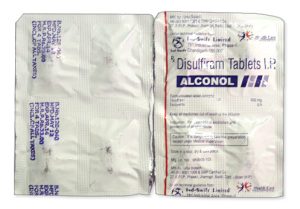
Antabuse
from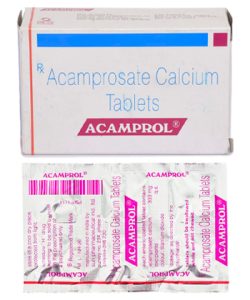
Campral
from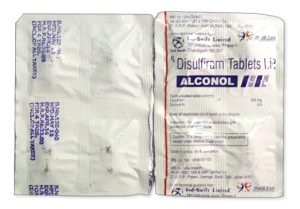
Disulfiram
from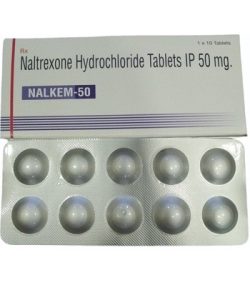
Naltrexone
from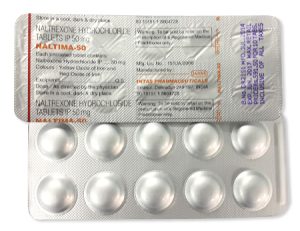
Revia
from
Sinequan
fromUnderstanding Alcohol Dependence and Its Effects
Alcoholism, medically known as alcohol use disorder, is a chronic condition characterised by an inability to control drinking despite negative consequences. This condition affects millions of Australians and can develop gradually over time or progress rapidly depending on individual factors.
Alcohol dependence occurs when the body becomes physically and psychologically reliant on alcohol. Regular consumption causes changes in brain chemistry, particularly affecting dopamine and serotonin levels. These neurotransmitters control mood, reward, and pleasure responses, making it increasingly difficult for individuals to feel normal without alcohol.
The effects of alcoholism extend beyond the individual, impacting family relationships, workplace performance, and overall health. Long-term alcohol abuse can lead to liver disease, heart problems, brain damage, and increased risk of certain cancers. Mental health complications including depression and anxiety frequently accompany alcohol dependence.
Recognising the signs of alcoholism is crucial for early intervention. Warning signs include frequent intoxication, neglecting responsibilities, relationship conflicts, and continued drinking despite knowing the harm it causes. Many people experience withdrawal symptoms when attempting to stop, including tremors, sweating, anxiety, and insomnia.
Treatment Options Available in Australia
Australia offers various evidence-based treatment approaches for alcohol dependence. The most effective outcomes typically result from combining medical treatment, counselling, and support programmes tailored to individual needs.
Detoxification is often the first step in recovery. Medical supervision during withdrawal is important as severe alcohol withdrawal can be dangerous. Healthcare providers monitor vital signs and provide medications to ease discomfort and prevent complications during this critical phase.
Rehabilitation programmes in Australia range from outpatient counselling to residential treatment facilities. These programmes typically last from 28 days to several months and incorporate cognitive behavioural therapy, group sessions, and education about relapse prevention strategies.
Support groups play an essential role in recovery. Alcoholics Anonymous meetings are widely available throughout Australia and operate on a peer-support model. Other organisations like SMART Recovery and Refuge Australia also provide community-based support for individuals seeking sobriety.
Professional counselling and psychotherapy help address underlying psychological issues contributing to alcohol dependence. Therapists work with individuals to develop coping strategies, manage stress, and rebuild healthy relationships damaged by alcohol abuse.
Medications Used in Australia for Alcohol Dependence
Several pharmaceutical medications are approved and available in Australia to assist with alcohol dependence treatment. These medications work through different mechanisms to reduce cravings and support recovery.
Naltrexone
Naltrexone is one of the most commonly prescribed medications in Australia. It works by blocking opioid receptors in the brain, reducing the pleasurable effects of alcohol and decreasing cravings. Available as tablets or monthly injections, naltrexone is effective for reducing relapse rates and maintaining abstinence. The typical oral dose ranges from 25 to 50 mg daily.
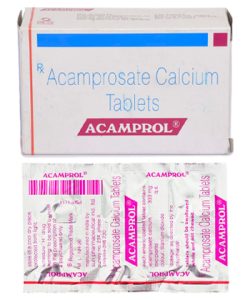
Acamprosate
Acamprosate is another key medication available on the Australian market. This medication helps restore the balance of neurotransmitters disrupted by chronic alcohol use. It’s particularly useful for maintaining abstinence in people who have already stopped drinking. Acamprosate comes in tablet form and is typically taken three times daily in doses of 666 mg per tablet.
Disulfiram
Disulfiram, commonly known by its brand name Antabuse, creates an unpleasant reaction when alcohol is consumed. This medication causes flushing, nausea, and headaches if someone drinks while taking it. Disulfiram serves as a deterrent and is most effective for highly motivated individuals committed to abstinence. The standard dose is 250 mg taken once daily.
Other Medications
Baclofen is sometimes prescribed off-label for alcohol dependence in Australia. This muscle relaxant reduces alcohol cravings and anxiety associated with withdrawal. Dosages typically range from 30 to 80 mg daily, divided into three doses. Benzodiazepines are sometimes used short-term during detoxification to manage withdrawal symptoms and anxiety, but these are generally not recommended for long-term use due to addiction potential.
Counselling and Psychological Support Services
Professional psychological support forms a cornerstone of effective alcohol dependence treatment in Australia. Various counselling approaches have proven effective in helping individuals achieve and maintain recovery.
Cognitive behavioural therapy helps individuals identify triggers for drinking and develop practical strategies to avoid or manage these situations. Therapists teach clients to recognise negative thought patterns and replace them with healthier perspectives that support sobriety.
Motivational interviewing is a technique used by many Australian counsellors to help resolve ambivalence about changing drinking behaviours. This approach respects the individual’s autonomy whilst encouraging introspection and commitment to change.
Family therapy addresses relationship dynamics affected by alcohol dependence. Including family members in treatment helps rebuild trust, improve communication, and create a supportive home environment essential for recovery.
Individual counselling sessions allow personalised treatment addressing specific issues contributing to alcohol dependence. Counsellors help clients explore the emotional, social, and psychological factors underlying their drinking patterns.
The Australian Department of Health provides resources and referrals to licensed counsellors and psychologists specialising in addiction treatment. Medicare rebates are available for many psychological services when referred by a General Practitioner.
Lifestyle Changes and Relapse Prevention
Successful recovery from alcoholism requires significant lifestyle modifications and sustained commitment to relapse prevention strategies. These changes address both immediate triggers and long-term habit patterns.
Exercise and physical activity significantly improve mental health and reduce cravings. Regular exercise releases endorphins naturally, helping manage mood without alcohol. Many treatment programmes incorporate fitness activities as part of comprehensive care.
Nutrition and sleep hygiene play important roles in recovery. Adequate sleep reduces irritability and anxiety, whilst proper nutrition supports brain healing and emotional stability. A structured daily routine helps maintain focus on recovery goals.
Stress management techniques including meditation, mindfulness, and breathing exercises help individuals cope without turning to alcohol. These practices reduce anxiety and improve emotional regulation.
Avoiding high-risk situations requires identifying personal triggers and developing avoidance strategies. Important considerations include:
- Social situations where alcohol is present
- Certain people or groups associated with drinking
- Specific places that trigger cravings
- Emotional states such as stress, anger, or loneliness
- Having support contacts readily available during vulnerable times
Building new hobbies and interests creates positive activities replacing drinking routines. Social connections with supportive people and involvement in community activities strengthen recovery foundations.
Finding Help and Recovery Resources in Australia
Numerous Australian organisations provide support, information, and treatment resources for individuals struggling with alcoholism and their families.
The Alcohol and Drug Foundation provides comprehensive information about alcohol dependence, treatment options, and support services across Australia. Their website offers assessment tools and referral services helping individuals find appropriate treatment.
Local general practitioners are the first contact point for many Australians seeking help. GPs can assess dependence severity, prescribe medications, refer to specialists, and coordinate care with counsellors and support services.
Residential rehabilitation facilities throughout Australia offer intensive treatment programmes combining medical care, counselling, and therapeutic activities. These facilities provide safe environments for detoxification and recovery.
Telephone counselling services including Lifeline and Alcoholics Anonymous helplines offer immediate support for people in crisis or seeking information about recovery options.
Community health services in most areas provide free or subsidised counselling and support. These services are often culturally appropriate and accessible to diverse populations across Australia.
Online support communities and apps provide accessible assistance for individuals unable to attend face-to-face meetings. Virtual counselling options have expanded treatment accessibility, particularly in rural areas.