Campral
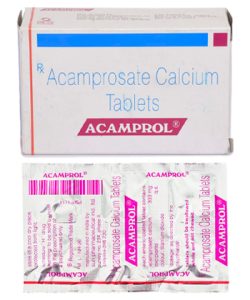
In brief
- In our pharmacy, you can buy Campral without a prescription, with delivery in 9–21 days throughout Australia. Discreet and anonymous packaging.
- Campral (acamprosate calcium) is used as an adjunctive treatment to help maintain abstinence in people with alcohol dependence who have already stopped drinking, usually alongside counselling or psychosocial support. It is thought to restore the balance between excitatory (glutamate) and inhibitory (GABA) neurotransmission in the brain, though its exact mechanism is not fully understood.
- The usual adult dose is two 333 mg tablets (666 mg) three times daily (morning, midday and evening); lighter patients may be prescribed one 333 mg tablet three times daily—follow your prescriber’s advice.
- Oral administration as enteric‑coated, delayed‑release tablets (each tablet contains 333 mg acamprosate calcium, equivalent to 300 mg acamprosate).
- Campral does not work immediately to relieve cravings; some patients may notice benefit within 1–2 weeks, but clinical effects are often clearer after several weeks.
- The medication is taken continuously and supports abstinence while treatment is continued; dosing is typically every 8 hours (three times daily). The elimination half‑life is roughly 20–33 hours, with steady state reached after several days.
- Do not consume alcohol while taking Campral; the drug is intended to help maintain abstinence and should be used alongside psychosocial support.
- The most common side effect is diarrhoea; other frequent effects include nausea, abdominal pain and headache.
- Would you like to try campral without a prescription?
Basic Campral Information
- INN (International Nonproprietary Name): Acamprosate (often specified as acamprosate calcium).
- Brand Names Available In Australia: Campral (sometimes listed as Campral EC for enteric‑coated tablets).
- ATC Code: N07BB03 (Acamprosate — drugs used in alcohol dependence).
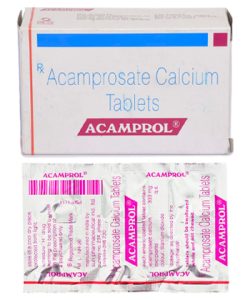
- Forms & Dosages: Enteric‑coated, delayed‑release oral tablets; each tablet contains 333 mg acamprosate calcium (equivalent to 300 mg acamprosate); typical packaging includes blister packs (commonly supplied as 84 tablets per box).
- Manufacturers In Australia: Not specified.
- Registration Status In Australia: Registered and marketed in countries including Australia; prescription‑only supply under standard regulatory practice.
- OTC / Rx Classification: Prescription only.
Availability & Price Landscape
National Pharmacy Chains (Chemist Warehouse, Priceline, TerryWhite)
Wondering where to get campral locally and how prices vary between stores?
Major Australian pharmacy chains such as Chemist Warehouse, Priceline and TerryWhite Chemmart routinely list Campral or acamprosate products on their inventory systems.
Urban outlets usually keep stock on the shelf while some rural stores may need to order a pack for patients coming from community alcohol services.
Pack format most often seen is enteric‑coated 333 mg tablets in blister packs often around 84 tablets per box.
Price transparency varies by retailer, with many chain websites showing live availability and cost per pack or per tablet.
Whether a patient pays out‑of‑pocket or qualifies for a PBS concession depends on the listed formulation and the prescribing indication.
In our online pharmacy, campral is available without a prescription, with discreet delivery to Australia in 9-21 days.
Recommended quick assets for shoppers are a per‑tablet comparative pricing table and a short buying routes list: in‑store collection, online order and telehealth‑prescribed courier delivery.
Online Pharmacy Trends In Australia
Are online services a reliable way to order campral?
Telehealth and accredited online pharmacies increasingly dispense campral on private prescription and offer same‑day processing with courier delivery where permitted.
Many pharmacy websites provide pack size, per‑tablet pricing and up‑to‑date stock levels so patients can compare retailers before buying.
Online ordering is popular for patients leaving residential detox or who need ongoing, discreet supplies delivered to rural addresses.
Price Ranges By Package Size (PBS vs Private)
How much should patients expect to pay per tablet or pack?
Price per tablet varies by pack size and whether the script is private or PBS‑subsidised.
PBS eligibility depends on formulation, indication and the prescriber obtaining the correct authority when required.
Commonly seen private prices reflect blister packs (e.g. 84 tablets) with retailers competing on per‑tablet cost.
Patients are advised to confirm PBS status with their pharmacist or prescriber before purchase to avoid surprises at the till.
Patient Insights & Satisfaction Levels
Forum Reviews (ProductReview, Aussie Health Forums)
What do Australians actually say about taking campral?
Real patient experience on consumer sites and health forums often shapes expectations before clinical data is read.
Australian users commonly report Campral helped reduce cravings and supported longer periods of abstinence when combined with counselling or psychosocial support.
Many posts reflect therapy as an adjunct rather than a stand‑alone cure, consistent with clinical product positioning.
Reported Benefits And Issues From Australian Patients
Which practical benefits and problems come up most often?
Reported benefits include fewer urges between drinking episodes and improved ability to engage in counselling without intense craving-driven relapse.
Common tolerability complaints include gastrointestinal effects such as diarrhoea or stomach discomfort, and the inconvenience of multiple daily tablets.
Some patients describe a delayed perceived benefit, with effects noted after several weeks rather than immediately.
Satisfaction tends to be higher where patients have good access to psychosocial support and receive clear counselling from pharmacists on what to expect.
Practical tips from users include asking for blister packs for travel, checking for generic availability, and confirming the daily tablet schedule before discharge from detox services.
Product Overview & Brand Variants
INN And Brand Names In Australia
Which name will appear on the label or prescription?
Acamprosate is the International Nonproprietary Name, commonly shown as acamprosate calcium in regulatory and product documents.
The principal marketed brand is Campral, sometimes described as Campral EC to denote the enteric‑coated form.
On Australian prescriptions and pharmacy labels expect to see Campral or acamprosate calcium 333 mg tablets.
Legal Classification (TGA‑Approved)
Is Campral a regulated medicine in Australia?
Campral is described in product information as an enteric‑coated, delayed‑release tablet containing 333 mg acamprosate calcium (equivalent to 300 mg acamprosate).
Tablets are white, round, biconvex and usually debossed with “333”.
Excipients commonly reported across product information include crospovidone, microcrystalline cellulose, magnesium silicate, sodium starch glycolate, anhydrous colloidal silica, magnesium stearate and an enteric coating copolymer.
Campral is supplied on prescription only in Australia, so check the TGA ARTG entry and the manufacturer product information for the exact Australian pack variant.
Indications In Local Medical Practice
Approved Uses By TGA
Who is an appropriate candidate for campral?
Campral is approved as an adjunctive therapy to maintain abstinence in alcohol‑dependent patients who have already stopped drinking.
It is intended to be used alongside counselling or psychosocial support rather than as a sole treatment.
Prescriptions typically start after detox or once the patient has achieved initial cessation of alcohol use.
Off‑Label Patterns In Australian Clinics
Are there common off‑label uses clinicians try?
In practice, some specialist services will consider acamprosate in relapse prevention for high‑risk patients or combine it with other pharmacotherapies where monotherapy has been insufficient.
These choices are made case‑by‑case and usually within specialist addiction services or under close GP supervision.
For pharmacy communication, stress that Campral is not a withdrawal treatment and therapy is most effective when integrated with psychosocial interventions.
Checklist for prescribers and pharmacists: confirm abstinence at initiation, arrange psychosocial supports, check renal function and schedule follow‑up monitoring.
How It Works In The Body
Layman’s Explanation
What does campral actually do for cravings?
Campral helps rebalance brain chemistry after prolonged alcohol use so cravings and between‑drink discomfort are reduced.
The medicine supports maintenance of abstinence rather than causing an aversion to alcohol.
Patients are often told to view it as support that makes counselling and everyday recovery tasks easier.
Clinical Detail (ATC And Mechanism)
What is known scientifically about its action?
Acamprosate is classified under WHO ATC code N07BB03 (drugs used in alcohol dependence — acamprosate).
Its proposed mechanism involves modulation of glutamatergic and GABAergic neurotransmission, reducing central nervous system hyperexcitability that follows chronic alcohol exposure.
It is not an opioid antagonist and does not produce an immediate aversive reaction to alcohol like disulfiram.
For accuracy on mode of action, product information states it is “thought to act on glutamate/GABA balance” and directs clinicians to refer to the full monograph for mechanistic details.
Dosage & Administration
Standard Regimens
How should patients take campral for best effect?
Campral is supplied as 333 mg enteric‑coated tablets and the therapeutic regimen is delivered as multiple tablets during the day; check current product information for exact tablet counts.
Pharmacists commonly advise taking doses with or immediately after food to reduce gastrointestinal upset.
Adherence is critical since benefit is generally seen after continuous treatment over weeks and months rather than from single doses.
Adjustments By Patient Type (Elderly, Renal)
Who needs dose changes or extra monitoring?
Acamprosate is primarily excreted by the kidneys so dose adjustments are required in moderate renal impairment and it is contraindicated in severe renal failure.
Hepatic impairment typically does not require dose adjustment, but prescribers and pharmacists should coordinate care for patients with liver disease.
Elderly patients should have renal function checked and receive closer monitoring for tolerability.
Recommended quick reference: include rows for standard tablet count and renal adjustment in any dosing table provided to patients.
Contraindications & Side Effects
Common
What side effects should patients expect and how common are they?
Common adverse events include gastrointestinal complaints such as diarrhoea, nausea and abdominal pain, plus headache and appetite changes.
Most side effects are mild and reversible, though they can cause some patients to discontinue therapy if not counselled.
Pharmacists should warn patients about GI effects and offer practical measures such as taking tablets with food.
Rare But Serious (Australian Safety Data)
Which reactions need urgent attention?
Rare but serious events reported in safety literature include hypersensitivity reactions and significant psychiatric changes.
Advise patients to seek urgent care for severe rash, swelling, difficulty breathing or new suicidal ideation.
Also check for known excipient allergies (crospovidone, microcrystalline cellulose, magnesium stearate and enteric coating polymers) and counsel accordingly.
Contraindications are principally severe renal failure and known hypersensitivity to acamprosate or any excipient.
Comparable Medicines
Alternatives Table (PBS And Non‑PBS)
How does campral compare with other medicines used for alcohol dependence?
| Medicine | Mechanism Summary | Typical Use Case | Common Side Effects | PBS Note |
|---|---|---|---|---|
| Acamprosate (Campral) | Modulates glutamate/GABA balance. | Maintenance of abstinence after detox. | Diarrhoea, nausea, headache. | PBS status depends on formulation and indication; confirm with prescriber. |
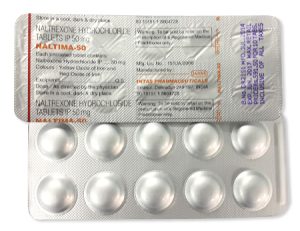
| Naltrexone | Opioid receptor antagonist reducing alcohol reward. | Reduces heavy drinking and reward; relapse prevention. | Nausea, hepatotoxicity risk; contraindicated with opioids. | Often available on PBS for some indications; specialist initiation common. |
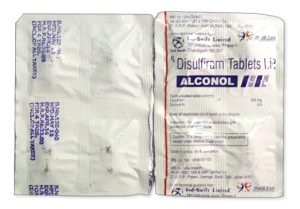
| Disulfiram | Creates aversive reaction when alcohol consumed. | Deterrent therapy for motivated patients. | Flushing, palpitations, severe reactions with alcohol. | PBS availability varies; adherence and monitoring required. |
Pros And Cons List
What quick points should shoppers and clinicians weigh?
- Campral: Suited to maintenance after detox; generally well tolerated but requires renal clearance.
- Naltrexone: Reduces alcohol reward; not suitable with current opioid use and needs liver monitoring.
- Disulfiram: Strong deterrent effect but has safety and adherence challenges.
Ask a pharmacist to tailor the choice by comorbidity, medication interactions and patient preference before switching or combining therapies.
Current Research & Trends
Major Studies 2020–2024 (Australia + International)
What does recent evidence say about acamprosate?
Contemporary meta‑analyses and randomised trials continue to show modest benefit for acamprosate in maintaining abstinence when combined with counselling or psychosocial interventions.
Recent work emphasises real‑world effectiveness, adherence strategies and outcomes in diverse healthcare settings including community addiction services.
Emerging Practice (Combination Therapy, Biomarkers)
What new approaches are being tested in clinics?
Ongoing trials explore combination strategies pairing acamprosate with agents such as naltrexone to target different biological drivers of use.
Research is also investigating biomarkers and genetic predictors to identify which patients derive the greatest benefit from acamprosate.
Pharmacy messaging should note that Campral has an evidence base as adjunctive therapy and that research is progressing toward better patient selection and optimised duration.
Common Patient Questions — FAQs From Australian Pharmacy Consultations
How Long Until It Works?
How quickly will cravings ease after starting campral?
Patients may notice reduced craving after several weeks, but full benefits are typically assessed over months.
Therapy commonly continues for at least six months or longer depending on clinical response and prescriber advice.
Can I Drink While Taking It?
Is it safe or useful to drink alcohol while on campral?
Campral is intended for people who have already stopped drinking and supports maintenance of abstinence.
It does not create an aversive response if alcohol is consumed, so drinking while taking it undermines the intended use and the treatment plan.
Other Practical FAQs
If a dose is missed, take it as soon as remembered unless it is near the next scheduled dose and never double up to catch up.
Pregnancy and breastfeeding decisions should be discussed with a prescriber; safety data are limited.
Major medicine interactions are few but always review all prescription, OTC and herbal medicines with a pharmacist before starting campral.
Include collapsible FAQs on product pages and clear “when to call your doctor” prompts for worrying symptoms.
Regulatory Status
TGA Approval
Is campral approved and regulated in Australia?
Campral (acamprosate calcium 333 mg enteric‑coated tablets) is described in international product information and is marketed in countries including Australia.
It is supplied as a prescription‑only medicine under standard regulatory practice and the TGA product information and ARTG listing should be consulted for approved wording and precautions.
PBS Subsidy Details
Is there government subsidy for campral under the PBS?
PBS subsidy status can change and depends on the exact formulation prescribed and the clinical indication used on the script.
Customers should check the current PBS schedule or ask their GP or pharmacist whether their prescription is eligible for a PBS authority or concession.
Display a clear “TGA‑registered — prescription only” sticker area and provide a link or box instructing users how to check PBS coverage before purchase.
Visual Recommendations
Infographics: PBS Pricing, Pharmacy Networks
Which visuals help shoppers convert to action?
Recommended infographics include a dosing chart with tablets per day and renal adjustment notes, a per‑tablet pricing comparison by retailer and pack size, and a flowchart: “Are You A Candidate?” linking to GP referral, detox completion and psychosocial supports.
These visuals help patients quickly decide whether to contact a prescriber or the pharmacy for a private script and delivery options.
Product Images & Dosing Charts
What product images should be on the page to build trust?
Include clear photos of the blister pack, a macro image of the white tablet debossed “333”, and an excipient callout box for allergy checks.
For mobile shoppers use collapsible visuals and a printable dosing card patients can take to appointments.
Always add accessible alt text and a pharmacist contact call‑to‑action near visuals for questions.
Buying & Storage Advice
In‑Store Vs Online Purchase Tips In Australia
Should a patient call ahead before going to a pharmacy for campral?
Obtain campral on prescription from a GP or an addiction service and call ahead if a local rural pharmacy may need to order a pack.
Urban pharmacies and major chains commonly hold stock while telehealth and reputable online pharmacies dispense on private prescription with courier delivery.
Confirm the exact brand, pack size and expiry date before completing an online purchase and keep proof of prescription when required.
Storage In Australian Household Conditions (Heat/Humidity)
How should campral be stored at home in Australian weather?
Keep tablets in their original blister until use and store below 25°C in a dry place away from direct sunlight and humidity.
Avoid storing medicine in cars or bathrooms where heat and humidity can degrade tablets, especially during hot Australian summers.
For travel a pharmacist can provide a labelled short supply in a suitable container and advise on carrying documents for domestic flights.
Buying checklist: valid prescription, confirm brand and pack size, check expiry, keep pharmacy contact details for reorder.
| City | Region | Delivery Time |
|---|---|---|
| Sydney | New South Wales | 9-14 days |
| Melbourne | Victoria | 9-14 days |
| Brisbane | Queensland | 9-14 days |
| Perth | Western Australia | 9-14 days |
| Adelaide | South Australia | 9-14 days |
| Canberra | Australian Capital Territory | 9-14 days |
| Hobart | Tasmania | 9-14 days |
| Darwin | Northern Territory | 9-14 days |
| Gold Coast | Queensland | 9-14 days |
| Newcastle | New South Wales | 9-14 days |
| Wollongong | New South Wales | 14-21 days |
| Geelong | Victoria | 14-21 days |
| Cairns | Queensland | 14-21 days |
| Townsville | Queensland | 14-21 days |
Guidelines For Proper Use
Pharmacist Guidance In Australia
What should pharmacists check before supplying campral?
Confirm the indication that the patient is abstinent post‑detox and that therapy is intended as maintenance of abstinence.
Review renal function and document estimated GFR to guide dosing or contraindication in severe renal failure.
Check concurrent medications, mental health history and any excipient allergies before dispensing.
Counsel on likely GI side effects, adherence strategies and the importance of ongoing psychosocial support.
Provide a brief printed counselling script covering indication, how it works, dosing, side effects and when to seek help.
Patient Safety Recommendations
What safety steps should patients follow while on campral?
Take the medication exactly as prescribed, preferably with or after food to reduce stomach upset.
Continue psychosocial supports and attend scheduled reviews, with the first follow‑up commonly within 2–4 weeks and thereafter monthly or as advised.
Report significant side effects promptly, avoid alcohol while on treatment and carry emergency contact information if psychiatric symptoms emerge.
Provide patients with a printed safety card listing contraindications, common side effects and emergency signs, plus local addiction support contact numbers.