Revia
In brief
- In Australia, Revia (naltrexone hydrochloride) is classified as a prescription-only medicine and should be supplied by a pharmacist with a prescription; note that some online sellers or pharmacies may offer it without a receipt, but this is not recommended and may be unsafe or non-compliant with local regulations.
- Revia is used for relapse prevention in opioid dependence and to reduce craving and relapse in alcohol dependence; it is a competitive opioid receptor antagonist (primarily at mu receptors) that blocks the effects of opioids and reduces the rewarding effects of alcohol.
- The usual adult oral dose is 50 mg once daily; an extended‑release intramuscular formulation is given as 380 mg every four weeks; alcohol treatment is typically continued for a minimum of 3–6 months and opioid relapse prevention may be continued long-term with regular review.
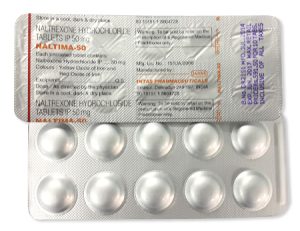
- Administration forms: oral film‑coated tablets (50 mg) taken by mouth, and a prolonged‑release intramuscular injection (380 mg vial) given monthly.
- Onset time: oral naltrexone begins to block opioid receptors within about 30–60 minutes (peak plasma ~1 hour); the extended‑release injection establishes therapeutic levels within hours to days and provides early opioid blockade.
- Duration of action: a single oral dose provides blockade for about 24 hours; the prolonged‑release intramuscular injection provides clinically effective blockade for approximately four weeks.
- Alcohol warning: naltrexone is used to treat alcohol dependence but carries a risk of hepatotoxicity—avoid heavy drinking, monitor liver function regularly and seek medical advice before combining alcohol and treatment.
- The most common side effect is nausea (other frequent effects include headache, insomnia, fatigue and joint/muscle pain).
- Would you like to try revia without a prescription?
Basic Revia Information
- INN (International Nonproprietary Name): Naltrexone hydrochloride
- Brand Names Available In Australia: Revia (brand discontinued in many regions), Vivitrol (available), generic Naltrexone hydrochloride tablets (various suppliers)
- ATC Code: N07BB04
- Forms & Dosages: 50 mg oral tablets (film-coated, scored; blisters or bottles) and 380 mg vial for prolonged‑release intramuscular injection (powder for reconstitution)
- Manufacturers In Australia: not specified
- Registration Status In Australia: not specified
- OTC / Rx Classification: Prescription Only (Rx)
Availability & Price Landscape
National Pharmacy Chains (Chemist Warehouse, Priceline, TerryWhite)
Worried about where to get revia or naltrexone tablets in Australia?
Major national chains such as Chemist Warehouse, Priceline and TerryWhite Chemmart commonly list generics or can facilitate supply via a prescription service.
These chains often offer competitive private prices and faster re‑order options for 50 mg tablet packs.
Smaller rural pharmacies may not hold stock on the shelf and may need to order specific generics or Vivitrol injections in advance.
Chains can also help arrange clinic administration for Vivitrol where the injectable is stocked or via local clinics they work with.
Online Pharmacy Trends In Australia
Can I order naltrexone online and have it sent quietly to my home?
Telehealth e‑prescriptions and accredited online pharmacies are increasingly used to fill scripts and reach patients in regional areas.
Price‑sensitive shoppers often use discount chains and mail‑order services to reduce monthly costs for oral 50 mg tablets.
In our online pharmacy, revia is available without a prescription, with discreet delivery to Australia in 9-21 days.
Price Ranges By Package Size (PBS Vs Private)
Trying to budget for treatment with naltrexone?
PBS listing for naltrexone varies by indication and formulation, so many patients obtain treatment privately if their presentation isn’t subsidised.
Expect variability by supplier and pack size for oral 50 mg tablets when paying privately; monthly course pricing depends on pack count and pharmacy margin.
Vivitrol (380 mg IM) carries a higher per‑dose cost plus clinic administration fees compared with oral therapy.
- Where To Buy: Local pharmacy chains, accredited online pharmacies, specialist clinics for injections.
- Buy Tips: Ask about generic brands (Teva, Sandoz, Accord) and check pack sizes before purchase.
Patient Insights & Satisfaction Levels
Forum Reviews (ProductReview, Aussie Health Forums)
Want to know what Australians who have tried revia say about it?
Forum reviews on sites like ProductReview and local health forums cluster around reports of reduced cravings and longer relapse‑free intervals when naltrexone is used with counselling.
Users of the injectable formulation highlight the convenience of monthly dosing and improved adherence compared with daily tablets.
Reported Benefits And Issues From Australian Patients
People often mention clear pros and cons when they share their experience with naltrexone.
Commonly reported benefits include reduced alcohol craving and support for relapse prevention when combined with psychosocial therapy.
Typical complaints match clinical safety data: nausea, headache, sleep disturbance, anxiety and tiredness—these effects are usually transient.
Some patients report difficulty accessing treatment in regional areas and uncertainty about PBS eligibility, which lowers satisfaction.
- Pros: Monthly depot option, effective relapse prevention, non‑opioid approach.
- Cons: Side effects early on, need to be opioid‑free before start, potential access and subsidy confusion.
Product Overview & Brand Variants
INN And Brand Names In Australia
Curious about what ‘revia’ really refers to?
The active ingredient is naltrexone hydrochloride (INN), an opioid receptor antagonist used for alcohol and opioid dependence.
Brand landscape includes Revia (brand discontinued in many regions), Vivitrol (380 mg IM extended‑release) and multiple generics supplied by companies such as Teva, Sandoz and Accord Healthcare.
Legal Classification (TGA‑Approved)
Is revia a prescription medicine here?
Naltrexone is a prescription‑only medicine regulated by the TGA in Australia and must be dispensed on a valid prescription.
For pharmacy product pages, list exact pack sizes, active strength and supplier name, and note available substitutes or generics.
- Product Table (Short): 50 mg tablet — oral — blisters/bottle; 380 mg — IM vial — powder for reconstitution.
- Note: Revia brand may be discontinued in some regions while generics remain available.
Indications In Local Medical Practice
Approved Uses By TGA
What conditions is naltrexone used for in practice?
TGA‑aligned indications mirror international approvals: treatment for alcohol dependence and relapse prevention in opioid dependence when appropriate.
Standard adult dosing is 50 mg orally once daily for alcohol dependence and opioid relapse prevention, and 380 mg IM every four weeks for prolonged‑release therapy.
Off‑Label Patterns In Australian Clinics
Can clinicians prescribe naltrexone for conditions beyond official indications?
Some Australian clinics use naltrexone off‑label as adjunctive therapy for impulse‑control issues or reducing self‑harm behaviours, but evidence varies and informed consent is essential.
Initiation protocols focus on ensuring opioid abstinence for 7–10 days to prevent precipitated withdrawal.
- Approved: Alcohol dependence, opioid relapse prevention.
- Off‑Label (Seen Occasionally): Impulse control disorders, clinician‑led experimental uses (varied evidence).
How It Works In The Body
Layman’s Explanation
How does revia reduce cravings and help prevent relapse?
Naltrexone blocks opioid receptors in the brain so alcohol or opioids no longer deliver the same pleasurable effects, which reduces cravings and the reinforcing reward of use.
The daily tablet gives steady receptor blockade, and the monthly injection delivers continuous blockade for approximately four weeks, which helps with adherence.
Clinical Detail
What is the pharmacology behind naltrexone?
Naltrexone is a competitive antagonist at opioid receptors, primarily the mu receptor (ATC N07BB04), which reduces alcohol‑mediated reward and blocks opioid effects.
Oral bioavailability is moderate and hepatic metabolism produces active metabolites that affect dosing discussions; blockade is reversible and duration depends on formulation.
Starting treatment with opioids still present risks precipitated withdrawal, so screening for recent opioid use is mandatory.
Dosage & Administration
Standard Regimens
What is the usual dose when starting revia?
Standard adult dosing is 50 mg once daily for tablets and 380 mg IM every four weeks for the extended‑release injection.
Initiate only when the patient has been opioid‑free for 7–10 days to avoid precipitated withdrawal, and check baseline liver function tests before starting.
If a dose is missed, take it when remembered unless it is near the next scheduled dose; do not double up.
Adjustments By Patient Type (Elderly, Chronic Conditions)
Do older people or those with liver problems need a different plan?
Use in under‑18s is not established and not recommended; elderly patients require caution and closer monitoring for renal and hepatic function without a routine dose reduction.
Naltrexone is contraindicated in acute hepatitis or liver failure and requires regular LFT monitoring in those with pre‑existing liver disease.
- Pre‑Start Checklist: Confirm opioid history, baseline LFTs, consent and psychosocial support plan.
Contraindications & Side Effects
Common
What side effects should patients expect early on?
Common effects include nausea, headache, insomnia, joint or muscle pain, anxiety and tiredness, and reduced appetite.
Most are dose‑dependent and settle with continued therapy for many patients.
Rare But Serious (Australian Safety Data)
Which adverse events are urgent or serious?
Hepatotoxicity and liver failure are rare but serious risks so monitoring liver enzymes is essential.
Neuropsychiatric effects including worsening depression and suicidal ideation have been reported in a minority of patients and need active screening and follow‑up.
For Vivitrol injections, injection‑site reactions and service‑related adverse events should be documented and reviewed.
- Absolute Contraindications: Current opioid use/withdrawal, acute hepatitis, known hypersensitivity, pregnancy risk to be assessed.
- When To Seek Help: Severe abdominal pain, jaundice, new or worsening depression or suicidal thoughts.
Comparable Medicines
Alternatives Table (PBS And Non‑PBS)
Which other medicines are used instead of naltrexone?
| Medicine | Indication | Mechanism | PBS Listing (General) |
|---|---|---|---|
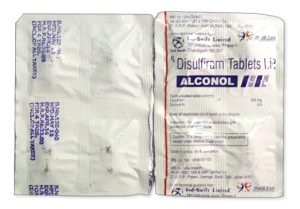
| Disulfiram | Alcohol dependence | Alcohol aversive agent | Varies by indication |
| Acamprosate | Alcohol dependence | Modulates glutamate/GABA | Available on subsidy in certain circumstances |
| Methadone | Opioid dependence | Full opioid agonist | Extensively subsidised through programs |
| Buprenorphine/Suboxone | Opioid dependence | Partial opioid agonist/antagonist | Broad PBS support for maintenance therapy |
| Nalmefene | Alcohol dependence | Opioid receptor antagonist | Listing varies |
Pros And Cons List
How do you choose between these options?
- Naltrexone: Non‑opioid, reduces craving, option for opioid‑free strategy; needs opioid‑free start and liver monitoring; PBS coverage varies.
- Agonist Therapies (Methadone/Buprenorphine): Better for opioid‑tolerant patients, supervised programmes, strong PBS support.
- Acamprosate/Disulfiram: Alternatives for alcohol dependence with different tolerability and monitoring profiles.
Current Research & Trends
Major Studies 2022–2025 (Australia + International)
What’s new in naltrexone research?
Recent trials focus on adherence improvements with long‑acting injectables such as Vivitrol and on identifying predictors of response including genetic and psychosocial moderators.
Many international studies support better adherence with monthly injections compared with daily oral dosing.
Local Uptake And Formulation Trends
Are Australian clinics using depot naltrexone more often?
Australian research emphasises real‑world access issues, rural delivery challenges and combining telehealth with psychosocial models to support uptake.
Generics for tablets are helping to reduce cost barriers for oral therapy while depot formulations remain attractive where funding and clinic infrastructure allow.
Common Patient Questions
FAQs From Australian Pharmacy Consultations
Patients ask a few questions repeatedly when they consider revia.
“Can I take naltrexone with opioids?” — No, patients must be opioid‑free to avoid precipitated withdrawal.
“Is naltrexone on the PBS?” — That depends on formulation and indication; confirm current PBS listings with the prescriber or pharmacy.
“What are the side effects and how long do they last?” — Nausea, headache and sleep issues often resolve within days to weeks; report any mood change immediately.
Quick Decision Checklist For Patients
How can I quickly know if naltrexone is suitable?
- Confirm last opioid use and ensure an opioid‑free interval of 7–10 days.
- Obtain baseline liver function tests and mental‑health screening.
- Discuss psychosocial support options and commitment to follow‑up.
- Understand missed dose rules and emergency contacts.
Regulatory Status
TGA Approval
Is naltrexone registered and controlled in Australia?
Naltrexone hydrochloride is a prescription‑only medicine regulated by the TGA.
Brand availability varies internationally; Revia has been discontinued in many regions while generics and Vivitrol remain available.
PBS Subsidy Details
Will the PBS cover my treatment with revia?
PBS subsidy is formulation‑ and indication‑dependent, and coverage has historically varied; methadone and buprenorphine programmes have broad support while naltrexone listings may differ.
Pharmacies should verify current TGA registration numbers and PBS listings at the time of supply and confirm patient eligibility for any subsidy.
| TGA Registration | PBS Listing |
|---|---|
| Check TGA database for current product registration | Formulation and indication dependent; check PBS online |
Visual Recommendations
Infographics: PBS Pricing, Pharmacy Networks
Which images help customers decide quickly?
Include a price comparison infographic showing private versus PBS scenarios for oral tablets and IM injections.
Create an availability map or flowchart showing urban chain stocking versus rural order times and telehealth alternatives.
Product Images & Pack Shots
What product images convert best on a pharmacy site?
Use clear pack shots for 50 mg tablets and 380 mg vials with storage and administration callouts and accessible alt text.
Name image files with SEO in mind, for example naltrexone-50mg-tablet-australia.jpg, and include structured product data for TGA and PBS attributes.
Buying & Storage Advice
In‑Store Vs Online Purchase Tips In Australia
Should I buy from a local pharmacy or online?
All supplies require a valid prescription; use trusted national chains or accredited online pharmacies that accept telehealth e‑scripts.
Avoid unauthorised international sellers and confirm TGA registration for imported generics.
For Vivitrol arrange clinic administration and budget for clinic fees in addition to the medication cost.
Storage In Australian Household Conditions (Heat/Humidity)
How should patients store revia at home in an Australian climate?
Tablets should be stored at 20–25°C, protected from moisture and excess heat and kept away from bathrooms and direct sunlight.
Injections require refrigeration until reconstitution and must be handled according to manufacturer instructions and cold‑chain requirements.
- Shipping Notes: Ensure cold‑chain for injectables; tablets can be posted in standard conditions but avoid heatwaves.
- Household Tip: Keep medicines in original packaging and away from children and pets.
Guidelines For Proper Use
Pharmacist Guidance In Australia
What should a pharmacist cover when counselling a patient on revia?
Confirm the indication and recent opioid use, review baseline and monitoring schedule for LFTs, assess mental health and suicide risk, and review contraception/pregnancy considerations.
Counsel on common side effects, missed dose rules and known drug interactions, and emphasise integration with psychosocial support.
Patient Safety Recommendations
How can patients stay safe on treatment?
Do not start if opioids have been used recently; stop and seek urgent care for severe abdominal pain or jaundice; report new or worsening depression immediately.
For depot injections obtain informed consent about injection risks and arrange routine follow‑up for both safety and efficacy checks.
- Printable Items: Counselling script, contraindication box and a patient safety card template for clinic visits.
Delivery Across Australia
| City | Region | Delivery time |
|---|---|---|
| Sydney | New South Wales | 9-14 days |
| Melbourne | Victoria | 9-14 days |
| Brisbane | Queensland | 9-14 days |
| Perth | Western Australia | 9-14 days |
| Adelaide | South Australia | 9-14 days |
| Hobart | Tasmania | 9-14 days |
| Canberra | Australian Capital Territory | 9-14 days |
| Gold Coast | Queensland | 9-14 days |
| Newcastle | New South Wales | 14-21 days |
| Wollongong | New South Wales | 14-21 days |
| Townsville | Queensland | 14-21 days |
| Geelong | Victoria | 14-21 days |
| Ballarat | Victoria | 14-21 days |
| Darwin | Northern Territory | 14-21 days |