Disulfiram
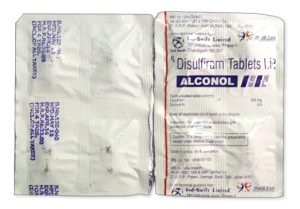
In brief
- Disulfiram may be available from some pharmacy suppliers in Australia and internationally, but it is generally a prescription-only medicine (Rx) and is not legally sold over the counter in most markets. Availability and supply can vary by country, brand, and manufacturer.
- Disulfiram is used to support treatment of chronic alcohol dependence by creating an unpleasant disulfiram-ethanol reaction if alcohol is consumed. It works by inhibiting aldehyde dehydrogenase, which causes acetaldehyde to build up after drinking alcohol.
- The usual dose for adults is 500 mg once daily for 1–2 weeks, then a maintenance dose of 250 mg once daily, with the range typically adjusted between 125 mg and 500 mg daily by a clinician.
- The form of administration is usually an oral tablet; strengths commonly include 100 mg, 250 mg, and 500 mg. Rare implant or injectable forms have been used in some settings.
- Disulfiram starts working after it has been taken regularly for a short period, but its alcohol-deterrent effect can begin within about 12 hours and is most relevant once the medicine is in the system consistently.
- The duration of action is prolonged, with effects lasting around 1–2 weeks after the last dose due to persistent enzyme inhibition, while treatment courses commonly continue for 3–12 months or longer under supervision.
- Alcohol must be strictly avoided during treatment and for at least 12 hours before starting disulfiram, because even small amounts can trigger flushing, nausea, vomiting, headache, palpitations, and more serious reactions.
- The most common side effects are a metallic or garlic-like aftertaste, drowsiness, headache, nausea, vomiting, fatigue, skin rash, and mild increases in liver enzymes.
- Would you like to try disulfiram without a prescription?
Market Reality In Australia For Disulfiram
- INN (International Nonproprietary Name): Disulfiram (also known as N,N,N’,N’-tetraethylthiuram disulfide)
- Brand Names Available In Australia: Not specified
- ATC Code: P03AA01
- Forms & Dosages: Tablet, 100 mg, 250 mg, 500 mg; implant/inject. 800 mg is rare and not licensed in most markets
- Manufacturers In Australia: Not specified
- Registration Status In Australia: Prescription-only (Rx)
- OTC / Rx Classification: Prescription-only (Rx); no over-the-counter sales
Australian shoppers looking for disulfiram usually are not casual buyers.
They are often comparing prices after alcohol counselling, a GP review, or a telehealth appointment, then checking whether a pharmacy can supply it quickly.
That is especially true in rural areas, where access may depend on an e-prescription and an order-in from a larger wholesaler, while city customers often compare options across Chemist Warehouse, Priceline, and TerryWhite Chemmart.
Common searches include Antabuse tablets, Disulfiram tablets, and Antabuse for alcohol dependence, because patients want a medicine with a clear deterrent effect and straightforward pharmacist advice.
Many are willing to pay privately if PBS access is limited or not available, particularly when the goal is relapse prevention and the expected benefit is about keeping abstinence on track.
In our online pharmacy, disulfiram is available without a prescription, with discreet delivery to Australia in 9-21 days.
Who it suits: people with chronic alcohol dependence who are motivated to stay abstinent, understand the alcohol reaction, and can follow supervised treatment.
Who it does not suit: anyone with recent alcohol use, severe liver or kidney disease, psychosis, severe heart disease, or poor follow-up access.
That is why disulfiram is usually a supervised decision rather than a repeat script a customer asks for on the spot.
Product Snapshot, Brand Names And Pack Forms
- Disulfiram
- The International Nonproprietary Name for the alcohol deterrent medicine also known chemically as N,N,N’,N’-tetraethylthiuram disulfide.
- Antabuse
- The best-known overseas brand name, commonly seen in US, UK, and EU search results.
- Esperal
- A brand name seen in France and Eastern Europe, often searched as Esperal 250 mg.
- Teturam
- A regional brand used in Russia, Ukraine, and the CIS, including Teturam 500 mg references.
- NozoL
- An Indian brand name that may appear in tablet listings and importer searches.
- Disulint
- A Brazilian brand name that appears in some overseas supply references.
Australian customers often compare overseas references even when local supply varies, especially when they see Antabuse tablets or Disulfiram 200mg in search results.
| Form | Typical Strengths | Common Packaging |
|---|---|---|
| Tablet | 100 mg, 250 mg, 500 mg | Blister or bottle, usually 10-50 |
| Implant / Inject. | 800 mg | Implant or ampoule, rare |
Those tablet strengths are the ones most shoppers ask about when they are trying to match a prescription to a pack.
Implant and injectable forms are uncommon and not widely licensed, so most practical pharmacy discussions centre on oral tablets only.
How Disulfiram Works In Plain English
Alcohol + Disulfiram = A Reaction You Will Remember
Disulfiram is prescribed to make drinking unpleasant and risky, which helps support abstinence in chronic alcohol use disorder.
It blocks normal alcohol breakdown, so even small amounts of alcohol can trigger a disulfiram-ethanol reaction.
That reaction is the whole point of the medicine, but it only works properly when the patient is committed to supervised treatment.
For patients and carers, the simplest explanation is this: if alcohol is consumed while taking disulfiram, the body cannot process it normally, and the person may feel very unwell.
That deterrent effect is why some people describe it as an alcohol deterrent medication rather than a craving medicine.
In practice, the fear of the reaction can be enough to help someone pause before a drink, especially when the treatment plan includes counselling and regular follow-up.
The medicine does not cure alcohol dependence on its own, but it can be a useful tool in a structured program where abstinence is the target.
Prescription Access And Australian Regulation
| Access Pathway | What Happens | Practical Note |
|---|---|---|
| GP consult | Assessment, script, and safety review | Common first step |
| Alcohol or addiction specialist | Supervised treatment plan | Useful for relapse prevention |
| Telehealth review | Electronic prescription issued if suitable | Helpful in regional Australia |
| Pharmacy supply | Dispense from stock or order in | Depends on local availability |
In Australia, disulfiram is prescription-only and there are no OTC sales.
That reflects its safety profile, because the medicine needs screening for alcohol use, liver function, and mental health history before it is started.
Recent or current alcohol intake matters most, because the drug is meant for people who are already committed to abstinence.
Severe liver or renal disease also changes whether the medicine can be used safely.
From a buying perspective, Australian pharmacies may need to order it in, particularly outside major centres.
Stock can differ between large chains and independent pharmacies, so patients often ring ahead before sending an e-script.
Private cost and availability can therefore shape the final choice just as much as the clinical decision does.
Who Disulfiram Is For In Real-World Use
- People with chronic alcohol dependence who want a strong abstinence deterrent.
- Patients who can engage with supervision and monitoring.
- Those who understand that alcohol exposure must be avoided, including hidden sources.
- Adults who have already had counselling, GP review, or addiction medicine input.
- People who are not looking for detox treatment or a rapid fix.
The usual goal is relapse prevention rather than withdrawal management.
That distinction matters, because disulfiram is not used to help someone “sober up” after a drinking episode.
Typical regimens start at 500 mg once daily for 1 to 2 weeks, then move to a maintenance dose of 250 mg once daily, with a range of 125 to 500 mg depending on effect and tolerability.
Clinicians may choose disulfiram when deterrence is the main treatment need and the patient prefers a medicine with a clear behavioural effect.
Other medicines may be preferred when craving reduction, tolerability, or a different mechanism is more important.
Dosing And Administration For Pharmacy Customers
| Stage | Usual Dose | What Patients Should Know |
|---|---|---|
| Initial | 500 mg once daily for 1 to 2 weeks | Used to start treatment under supervision |
| Maintenance | 250 mg once daily | Range 125 to 500 mg if adjusted by a clinician |
| Duration | Usually 3 to 12 months | Longer in selected patients with ongoing supervision |
Consistency matters more than convenience with this medicine.
Taking it at the same time each day can help adherence, especially for people who are rebuilding routines after stopping alcohol.
Missed doses should be taken as soon as remembered unless the next dose is close, in which case the missed dose is skipped and the usual schedule is resumed.
Doubling up is not recommended.
If A Dose Is Missed
Take it when remembered unless the next dose is nearly due.
Do not take two doses together.
If there has been any alcohol exposure, the priority is safety and advice, not catch-up dosing.
Overdose needs urgent medical attention because severe hepatotoxicity and neurologic symptoms are possible.
Patients should also watch for unplanned alcohol exposure from medicines, mouthwash, sauces, or cough products.
Precautions For Different Patient Groups
- Older Adults
- Lower starting doses may be appropriate, and tolerance should be reviewed closely.
- Liver Disease
- Severe hepatic disease is a contraindication, while mild to moderate dysfunction may require dose reduction and enzyme monitoring.
- Kidney Disease
- Use with caution, with dose adjustment guided by clinical response.
- Diabetes
- Closer monitoring is needed because hypoglycaemia risk may increase.
- Epilepsy
- Seizure disorders need careful review before treatment starts.
- Cardiovascular Disease
- History of heart disease warrants caution and monitoring.
Children and adolescents are not recommended for this medicine because safety and efficacy are not established.
That makes disulfiram a safety-first buying decision, not a product to choose lightly from a list of options.
When people ask for Antabuse for alcohol dependence, the sensible next step is usually a proper clinical review rather than immediate dispensing without context.
When Disulfiram Should Not Be Used
Red Flags
Known hypersensitivity to disulfiram or thiuram derivatives.
Severe hepatic or renal impairment.
Alcohol ingestion within the past 12 hours.
Psychosis or severe cardiovascular disease.
Pregnancy and breastfeeding require a risk-benefit decision with a clinician.
- Recent drinking is the most immediate practical issue for buyers.
- Hidden alcohol in medicines and products can matter just as much as alcoholic drinks.
- Anyone unsure about suitability should speak with a pharmacist or GP before starting.
Side Effects And The Disulfiram-Alcohol Reaction
| Common Mild To Moderate Effects | Why It Matters |
|---|---|
| Metallic or garlic-like aftertaste | Often noticed early in treatment |
| Skin rash or acneiform eruptions | May prompt a review if persistent |
| Sleepiness or mild headache | Can affect daily functioning |
| Nausea, vomiting, fatigue | Common reasons people call the pharmacy |
| Mild transaminase elevations | Supports the need for liver monitoring |
People sometimes notice a dry, metallic taste or a garlic-like aftertaste and worry the medicine is “too strong”.
That does not necessarily mean treatment has failed, but it is worth checking in if the effect is bothersome or if nausea becomes persistent.
Warning Signs Of A Severe Alcohol Reaction
Flushing, vomiting, palpitations, low blood pressure, and worsening unwellness after alcohol exposure.
Any suspected disulfiram alcohol reaction should be treated as urgent.
Alcohol can be hidden in cough syrups, tonics, and some mouthwashes, so label checks matter.
Patients often blame the medicine when the problem is actually accidental alcohol exposure.
Interactions And Hidden Alcohol Sources
- Alcoholic drinks, including beer, wine, spirits, and mixers.
- Liquid medicines that contain alcohol.
- Some cough syrups and tonics.
- Aftershaves, perfumes, and some body products.
- Food items or sauces that may contain alcohol.
- Mouthwashes and oral rinses with alcohol.
The biggest practical interaction is current or recent alcohol ingestion, which is why treatment is meant to be part of a supervised program.
Patients should read labels carefully, ask before using new liquid medicines, and avoid guessing about “small” exposures.
That is especially important for anyone starting an alcohol deterrent medication after a Friday-night appointment or a weekend detox decision.
Comparing Disulfiram With Other Alcohol Dependence Medicines
| Medicine | Mechanism | Typical Use Case |
|---|---|---|
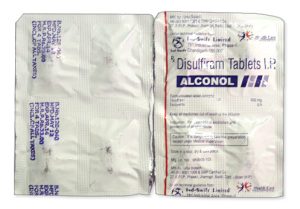
| Disulfiram | Causes a deterrent alcohol reaction | Best when abstinence support and deterrence are the main goals |
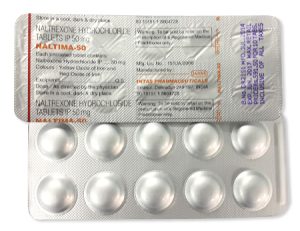
| Naltrexone | Opioid antagonist | Chosen when craving reduction is the priority |
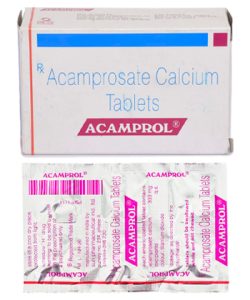
| Acamprosate | Modulates glutaminergic neurotransmission | Used to support abstinence and reduce relapse risk |
| Baclofen | GABA-B agonist, off-label | May be selected in specific clinical circumstances |
| Topiramate | Various neurotransmitter modulation | Not approved for alcohol dependence in all countries |
There is no single best medicine for everyone.
Some patients want the clear deterrent effect of Disulfiram tablets, while others prefer a medicine that reduces craving without the same reaction risk.
Cost, PBS status, and local supply can also influence the final choice, particularly for rural patients or anyone paying privately.
The practical question is not which medicine wins overall, but which one fits the person’s goals, risk factors, and ability to follow through.
Brand Names And Sourcing Checks
| Brand Name | Typical Market | Common Search Context |
|---|---|---|
| Antabuse | International, including US, UK, EU | Antabuse tablets, Antabuse 200mg tablets |
| Esperal | France and Eastern Europe | Esperal 250 mg |
| Teturam | Russia, Ukraine, CIS | Teturam 500 mg |
| NozoL | India | Tablet and blister listings |
| Disulint | Brazil | Overseas importer references |
These names may appear in search results, parallel import listings, or overseas pharmacy references, but Australian buyers still need to check prescription requirements and supplier legitimacy.
That means confirming the pack matches the script, checking the brand and strength, and making sure the seller is dealing in legitimate pharmacy products.
Brand names are useful for comparison, but the active ingredient remains disulfiram.
Storage And Transport In Australian Conditions
- Store tablets at 15 to 30°C.
- Keep the pack protected from moisture and light.
- Leave tablets in the original packaging until use.
- Avoid hot cars, window sills, and steamy bathrooms.
- Keep out of reach of children.
- Check that the pack label matches the prescription before first use.
Australian summer heat can be rough on medicines left in cars or parcel lockers.
Normal pharmaceutical transport is fine, but excessive heat and humidity should be avoided during delivery or travel.
That matters for interstate orders and for regional deliveries where a package may spend time in transit.
Delivery Across Australia
| City | Region | Delivery time |
|---|---|---|
| Sydney | New South Wales | 9-14 days |
| Melbourne | Victoria | 9-14 days |
| Brisbane | Queensland | 9-14 days |
| Perth | Western Australia | 9-14 days |
| Adelaide | South Australia | 9-14 days |
| Canberra | Australian Capital Territory | 9-14 days |
| Hobart | Tasmania | 9-14 days |
| Darwin | Northern Territory | 9-14 days |
| Gold Coast | Queensland | 14-21 days |
| Newcastle | New South Wales | 14-21 days |
| Wollongong | New South Wales | 14-21 days |
| Geelong | Victoria | 14-21 days |
| Townsville | Queensland | 14-21 days |
| Cairns | Queensland | 14-21 days |
Buying Checklist And Pharmacist Counselling Points
- Confirm the prescription before ordering or dispensing.
- Check that the patient has had no recent alcohol intake.
- Review all medicines, including liquid products and mouthwash.
- Ask about liver function, kidney disease, diabetes, epilepsy, and heart disease.
- Clarify the starting dose and the maintenance dose.
- Set expectations for monitoring and follow-up.
- Confirm how long treatment is planned for, usually 3 to 12 months.
- Explain what to do if a dose is missed.
- Discuss when to seek urgent help for reaction symptoms or overdose.
Ask Your Pharmacist
Is this medicine suitable if I had alcohol recently?
Do any of my medicines or mouthwashes contain alcohol?
How often should liver tests be checked?
What should I do if I feel unwell after taking it?
Can my script be ordered in if the local store is out of stock?
For Australian patients, price sensitivity, brand comparison, and access all sit in the same decision.
Urban customers may price-check Chemist Warehouse, Priceline, and TerryWhite Chemmart, while rural patients may rely more heavily on telehealth and pharmacy ordering.
That is why disulfiram works best when the medicine choice, counselling, and supply plan are all lined up before the first dose.