
Hormones
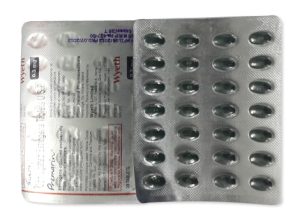
Conjugated Estrogens
from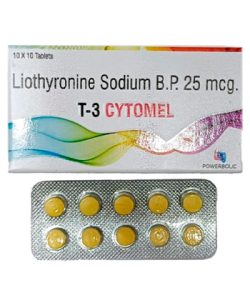
Cytomel
from
Dostinex
from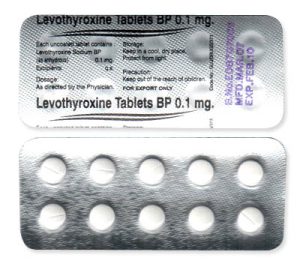
Eltroxin
from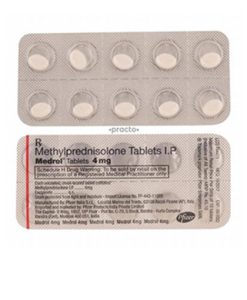
Medrol
from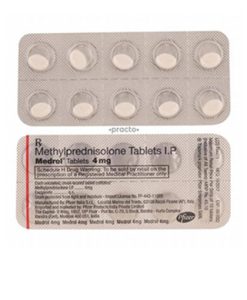
Medrol Active
fromUnderstanding Hormones and Their Role in the Body
Hormones are chemical messengers produced by various glands throughout your body that regulate essential functions and processes. These powerful substances travel through the bloodstream to target organs and tissues, controlling everything from metabolism and growth to mood and reproduction. The endocrine system, which produces hormones, works continuously to maintain balance and homeostasis within your body. Understanding how hormones function is crucial for recognising when imbalances occur and how medications can help restore equilibrium.
Common hormone-producing glands include the pituitary gland, thyroid, adrenal glands, pancreas, and reproductive organs. When hormone levels become too high or too low, it can lead to various health conditions requiring medical intervention and hormone replacement therapy or regulation.
Thyroid Hormones and Treatment Options
The thyroid gland produces hormones that control your metabolism, energy levels, and temperature regulation. Thyroid disorders are among the most common endocrine conditions in Australia, affecting millions of people. Hypothyroidism occurs when your thyroid doesn’t produce enough hormones, leading to fatigue, weight gain, and depression. Hyperthyroidism results from excessive thyroid hormone production, causing anxiety, rapid heartbeat, and weight loss.
Available Medications in Australia
The most commonly prescribed thyroid medication is levothyroxine (also known as thyroxine), available under brand names including Oroxine and generic formulations. This synthetic thyroid hormone replaces or supplements the hormone your body isn’t producing adequately. Liothyronine (Cytomel) is another option, though less frequently prescribed. For hyperthyroidism, propranolol helps manage symptoms whilst antithyroid medications like propylthiouracil work to reduce hormone production.
Treatment typically involves regular blood tests to monitor thyroid-stimulating hormone (TSH) levels and adjust medication doses accordingly. Most patients find their symptoms improve significantly once on appropriate thyroid hormone replacement therapy, allowing them to return to normal energy levels and weight management.
Reproductive Hormones and Contraception
Reproductive hormones, including oestrogen and progesterone, regulate menstrual cycles, pregnancy, and sexual function. Many Australian women use hormone-based contraceptives to prevent pregnancy and manage menstrual symptoms. These medications work by altering hormone levels to prevent ovulation or create an inhospitable environment for fertilisation.
Common Contraceptive Options Available
Combined oral contraceptive pills containing both oestrogen and progestin are extremely popular, with several options widely available to Australian women:
- Combined oral contraceptive pills like Yasmin, Yaz, Microgynon, and Levora
- Progestin-only pill (the mini-pill) for those who cannot tolerate oestrogen
- Hormonal intrauterine device (IUD) releasing levonorgestrel, such as Mirena, providing three to five years of protection
Beyond contraception, these hormones treat conditions like polycystic ovary syndrome (PCOS), endometriosis, and heavy menstrual bleeding. Women considering hormone-based contraception should discuss their medical history with a healthcare provider, as certain conditions and medications can affect suitability. Regular monitoring ensures the chosen method remains appropriate and effective for individual needs.
Hormone Replacement Therapy for Menopause
Menopause represents a natural life stage where ovarian hormone production significantly declines, causing symptoms like hot flushes, night sweats, mood changes, and vaginal dryness. Hormone replacement therapy (HRT) supplements oestrogen and sometimes progesterone to alleviate these uncomfortable symptoms and reduce long-term health risks.
HRT Options in Australia
Oestrogen-only therapy suits women without a uterus, whilst those with an intact uterus require combined oestrogen-progestin therapy to protect against uterine cancer. Available formulations include tablets like Premarin and Estracomb, transdermal patches such as Estradot and Femoston, and topical gels like Estrogel. Progesterone can be delivered via tablets, patches, or intrauterine devices. Some women prefer bioidentical hormones, which have the same chemical structure as naturally produced hormones.
HRT effectiveness varies between individuals, and the decision to use it involves weighing benefits against potential risks. Healthcare providers conduct thorough assessments considering personal and family medical history, current symptoms, and individual preferences. Many Australian women find HRT significantly improves quality of life during menopause, enabling them to maintain activity levels and emotional wellbeing.
Adrenal and Metabolic Hormones
The adrenal glands produce hormones affecting stress response, blood pressure, metabolism, and electrolyte balance. Cortisol, the primary stress hormone, helps your body respond to challenging situations but can cause health problems when consistently elevated. Aldosterone regulates sodium and potassium levels, whilst adrenaline controls the fight-or-flight response.
Treatment Options
Corticosteroids like prednisolone and dexamethasone are prescribed for conditions involving insufficient adrenal hormone production, autoimmune diseases, and inflammatory conditions. These powerful medications require careful dosing and monitoring to minimise side effects. Fludrocortisone may be used when aldosterone production is inadequate.
Diabetes medications addressing insulin production or resistance are crucial for metabolic hormone management. Metformin, the first-line treatment for type 2 diabetes, improves insulin sensitivity. Insulin preparations, including rapid-acting, intermediate, and long-acting formulations, help type 1 diabetes patients and those requiring intensive management.
Men’s Hormones and Androgen Therapy
Testosterone, the primary male hormone, controls masculine characteristics, libido, bone density, and muscle mass. Declining testosterone levels, whether age-related or pathological, can cause fatigue, reduced muscle mass, mood changes, and decreased sexual function. Testosterone replacement therapy restores hormone levels and associated vitality.
Available Testosterone Treatments
Australian patients access testosterone through several effective delivery methods designed to meet individual preferences and lifestyle needs:
- Intramuscular injections like testosterone propionate and enantate, delivering steady hormone levels over weeks
- Transdermal patches and gels, such as Androgel and Testim, providing daily dosing with easier application
- Oral medications like undecanoate offering convenient alternatives, though injections remain most cost-effective and reliable
Testosterone therapy requires careful monitoring through regular blood tests to ensure levels remain in healthy ranges and minimise potential side effects. Suitable candidates typically have confirmed low testosterone levels and symptoms attributable to deficiency. Healthcare providers consider individual circumstances, potential benefits, and risks before recommending treatment, ensuring therapy genuinely improves quality of life for Australian men experiencing hormonal insufficiency.