Eltroxin
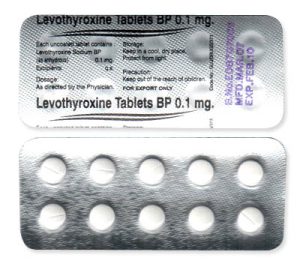
In brief
- In many pharmacies in Australia it is possible to buy eltroxin without a prescription; availability varies by country and the product is officially prescription-only in most jurisdictions, though some local pharmacies may supply without a receipt. Discreet packaging and delivery options may be offered.
- Eltroxin (levothyroxine sodium) is used to treat hypothyroidism and to provide thyroid hormone replacement; it is a synthetic thyroxine (T4) that is converted to the active T3 in the body and restores normal metabolic function.
- Usual adult starting doses are 25–50 mcg once daily (titrated every 4–6 weeks); full replacement dosing is typically around 1.6 mcg/kg/day; doses are individualised for thyroid cancer, children and the elderly.
- Administered orally, usually as a tablet (tablets are often colour‑coded by strength); oral liquid formulations are available in some markets.
- Initial biochemical effects can begin within 3–5 days, but symptomatic improvement is usually seen over several weeks; clinicians reassess and adjust dose every 4–6 weeks.
- Levothyroxine has a long duration of action with a plasma half‑life of roughly 7 days; it is taken once daily and reaches steady state in about 4–6 weeks.
- Avoid heavy alcohol consumption; there is no specific requirement to completely abstain, but excessive alcohol can worsen symptoms and overall health—discuss alcohol use with your prescriber or pharmacist.
- The most common side effect is headache; other frequent effects from over‑replacement include nervousness, insomnia, tremor and palpitations.
- Would you like to try eltroxin without a prescription?
Basic Eltroxin Information
- INN (International Nonproprietary Name): Levothyroxine sodium.
- Brand Names Available In Australia: not specified.
- ATC Code: H03AA01.
- Forms & Dosages: Oral tablets commonly 25, 50, 75, 88, 100, 112, 125, 137, 150, 175, 200 and 300 mcg; oral liquid available in select markets (25 mcg/mL, 50 mcg/mL).
- Manufacturers In Australia: not specified.
- Registration Status In Australia: not specified.
- OTC / Rx Classification: Prescription only (Rx) in all countries.
Availability & Price Landscape
Are you wondering where to get eltroxin and how much it will cost?
Major national pharmacy chains reliably stock levothyroxine formulations and provide repeat dispensing with pharmacist counselling.
Retail listings usually show tablet strengths and colour coding so patients and pharmacists can match doses accurately.
- Chemist Warehouse: large stock holdings, frequent price promotions, online ordering and in‑store pickup.
- Priceline: consistent brand options, pharmacist counselling, regular sale events that affect out‑of‑pocket cost.
- TerryWhite Chemmart: community pharmacist focus, repeat dispensing and local support for dosing questions.
Online pharmacies and telehealth have increased access for rural and remote patients.
Verify any online seller is TGA‑registered and offers pharmacist contact before purchasing levothyroxine.
| Supply Type | Typical Price Range (Private) |
|---|---|
| Brand name (non‑subsidised) | Higher; varies by pack size and supplier |
| Generic levothyroxine (private) | Lower; common choice for cost‑sensitive patients |
| PBS‑subsidised formulations | Lower out‑of‑pocket cost for eligible patients |
Remember that switching between brands or generics can influence TSH stability, so pharmacists usually recommend staying with one product where possible.
Patient Insights & Satisfaction Levels
What are real patients saying about levothyroxine in Australia?
“I felt better within a few weeks but it took months to find the right dose.” — anonymised forum post.Across Australian forums and review sites, common themes include relief once dose is stable and frustration during titration periods.
- Improved Energy
- Many patients report increased energy and mood once replacement is optimised.
- Weight Stabilisation
- Weight changes often stabilise, though levothyroxine is not a weight‑loss drug.
- Persistent Symptoms
- Some patients have ongoing symptoms despite normal TSH; adherence and absorption are common areas to investigate.
- Over‑Replacement Effects
- Palpitations and tremor are reported with doses that are too high.
Patients emphasise taking levothyroxine 30–60 minutes before breakfast and checking consistency when switching brands.
Product Overview & Brand Variants
Which names and strengths should you expect when your prescription is filled?
Brand/Generic Common Strengths Eltroxin Multiple tablet strengths (see product leaflet) Generic Levothyroxine Products (e.g., manufacturer variants) 25–300 mcg, colour‑coded tablets Liquid Formulation (select markets) 25 mcg/mL, 50 mcg/mL Levothyroxine sodium is the International Nonproprietary Name and the active ingredient across brands.
- TGA Approval: Many formulations are TGA‑approved — check each product leaflet for specific ARTG details.
- Prescription Status: Prescription only — pharmacists will check for a valid prescription before supply.
- Tablet Excipients: Excipients differ by brand; check leaflets for allergies or intolerances.
Indications In Local Medical Practice
Why do Australian doctors prescribe levothyroxine and when is it used long term?
- Replacement therapy for primary hypothyroidism.
- Treatment for secondary or tertiary hypothyroidism under specialist oversight.
- Post‑thyroidectomy replacement and to suppress TSH in selected differentiated thyroid cancer patients.
Duration is commonly lifelong for primary hypothyroidism unless an underlying transient cause is identified.
Off‑label use is limited and generally specialist‑led.
Off‑Label Patterns And Referral Pathway
Most GPs refer or discuss complex cases with an endocrinologist when response is atypical.
Typical decision path: patient with symptoms → check TSH → trial with levothyroxine if indicated → reassess at 6–8 weeks → refer if symptoms persist or dosing is complex.
How It Works In The Body
How does levothyroxine actually help you feel better?
Levothyroxine is synthetic T4 that replaces deficient thyroid hormone in the body.
T4 is converted in tissues to the active hormone T3, which regulates metabolism, heart rate and temperature.
Consistent daily dosing restores normal serum TSH and reduces hypothyroid symptoms over weeks.
Factor Effect On Absorption Or Action Food Reduces absorption; take on empty stomach 30–60 minutes before breakfast. Calcium/Iron Bind levothyroxine and reduce uptake if taken together. Gastric Disease / PPIs Can alter absorption; monitor TSH when these change. After a dose change, steady state and reliable TSH response are usually assessed around 6–8 weeks.
Dosage & Administration
What dose will your doctor start with and how is it adjusted?
Patient Group Typical Starting Dose Adults (mild/new hypothyroidism) 25–50 mcg once daily, titrate every 4–6 weeks Full Replacement Approximately 1.6 mcg/kg/day Elderly / Cardiac Disease 12.5–25 mcg/day, slow titration Take levothyroxine on an empty stomach 30–60 minutes before breakfast or at bedtime 3–4 hours after the last meal.
- Monitor TSH 6–8 weeks after any dose change.
- Pregnancy increases requirement; monitor each trimester.
- Children and neonates have weight‑based dosing and require specialist oversight.
Contraindications & Side Effects
What side effects should patients expect and when is levothyroxine not suitable?
Common mild effects are usually signs of over‑replacement and include nervousness, insomnia and mild tremor.
More notable effects may include palpitations, tachycardia and heat intolerance.
- Action step for mild symptoms: check adherence and timing, review recent dose increases with the prescriber.
- Action step for chest pain or severe palpitations: seek urgent medical review.
Absolute Contraindication Monitoring / Action Untreated thyrotoxicosis Do not start levothyroxine; refer to specialist. Untreated adrenal insufficiency Address adrenal function before thyroid replacement. Recent acute myocardial infarction Avoid full replacement until stable; start low if required under specialist care. Report suspected adverse reactions to the TGA and advise urgent care for severe signs like chest pain, severe tremor or confusion.
Comparable Medicines
Are there alternatives to levothyroxine and what are their pros and cons?
Product T4/T3 PBS Status Typical Use Levothyroxine (various brands) T4 Many formulations PBS‑listed First‑line replacement for hypothyroidism Liothyronine T3 Less commonly used; check PBS listing Reserved for selected cases under specialist care Pros of levothyroxine include once‑daily dosing, long half‑life and wide availability.
Cons include interactions that affect absorption and the need for dose adjustments across life events.
Current Research & Trends
What are researchers focussing on and how does that change pharmacy practice?
- Persistent symptoms despite normal TSH have driven trials of combination T4+T3 therapy in selected patients.
- Research into formulation impact on absorption has highlighted that excipients and liquid forms can matter for some patients.
- Telehealth follow‑up and rural access studies show improved continuity of care when local pharmacies and online prescribers coordinate.
Practical implications for pharmacy practice include reviewing adherence, timing and interactions first, and discussing any formulation switches with the prescriber while arranging TSH monitoring after changes.
Common Patient Questions
- When should I take levothyroxine?
Take on an empty stomach 30–60 minutes before breakfast, or at bedtime 3–4 hours after your last meal.
- Can I switch brands?
Switching is possible but monitor TSH after a change and notify the prescriber; pharmacists should document substitutions.
- What if I miss a dose?
Take as soon as remembered unless it is close to the next dose; do not double up.
- Pregnancy and levothyroxine?
Requirements often rise in pregnancy; early liaison with the obstetric team and more frequent TSH checks are advised.
- Storage and transport?
Store at 20–25°C, protected from light and moisture, and transport in original packaging.
When To Call GP Or Emergency:
Call your GP if you have new chest pain, severe palpitations, sudden shortness of breath or severe tremor.
Regulatory Status
How is levothyroxine regulated in Australia and how does PBS affect cost?
- Check ARTG entries for specific product registration details and any excipient notes.
- Many levothyroxine formulations are PBS‑listed, which can lower out‑of‑pocket cost for eligible patients.
- Prescription rules and repeat dispensing on PBS can change the logistics compared with private purchase.
Aspect PBS Private Purchase Cost Subsidised for eligible patients Varies; generics usually cheaper Repeats May have PBS repeats Depends on prescriber instructions Authority Requirements Possible for some brands Not applicable Visual Recommendations
Which visuals help patients understand and convert to purchase?
- Infographic: T4 → T3 conversion and timeline to improvement, with alt text and printable PDF.
- Table: PBS vs private pricing with clear callouts for cheapest PBS options for eligible patients.
- Colour‑coded strengths chart showing tablet colours and microgram labels to reduce dispensing errors.
- Flowchart: “What To Do If Symptoms Persist” — adherence check, interactions, GP review, specialist referral.
Provide all visuals with alt text and a printable patient factsheet for in‑pharmacy pick‑up or download.
Buying & Storage Advice
Should you buy in store or online and how do you store eltroxin at home?
In‑store purchases offer immediate pharmacist counselling, same‑day supply for urgent repeats and easy interaction checks.
Online ordering is convenient for rural patients and repeat prescriptions via telehealth, but verify TGA accreditation and pharmacist contact details.
- Checklist for online pharmacies: confirm TGA registration, pharmacist availability, original packaging and prescription verification.
- Avoid unverified overseas sellers; levothyroxine is prescription‑only and potency depends on correct storage.
In our online pharmacy, eltroxin is available without a prescription, with discreet delivery to Australia in 9-21 days.
Store levothyroxine at 20–25°C, away from bathrooms and direct sunlight.
During hot Australian summers, keep tablets in a cool, shaded cupboard and transport in the original blister pack or bottle.
Guidelines For Proper Use
What should pharmacists do every time they dispense levothyroxine?
- Confirm the indication and current TSH testing schedule before supply.
- Counsel on timing, interactions (calcium, iron, antacids, soy, PPIs) and the need for TSH testing 6–8 weeks after changes.
- Recommend consistent brand or document any substitution and inform the prescriber.
Provide a short counselling script: “Take on an empty stomach 30–60 minutes before breakfast, keep consistent with brand, avoid calcium or iron within four hours, and have TSH checked in six to eight weeks after any change.”
Patient safety tips include maintaining a current medicines list, advising cardiac symptom action, and arranging repeat dispensing for rural patients via telehealth and local pickup.
Delivery Across Australia
City Region Delivery Time Sydney New South Wales 9-14 days Melbourne Victoria 9-14 days Brisbane Queensland 9-14 days Perth Western Australia 9-14 days Adelaide South Australia 9-14 days Canberra Australian Capital Territory 9-14 days Hobart Tasmania 9-14 days Darwin Northern Territory 9-14 days Gold Coast Queensland 9-14 days Newcastle New South Wales 9-14 days Wollongong New South Wales 9-14 days Geelong Victoria 9-14 days Townsville Queensland 14-21 days Cairns Queensland 14-21 days