Medrol Active
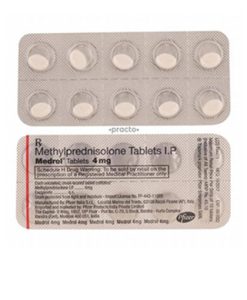
In brief
- Medrol active is sold in community pharmacies and by online suppliers in Australia; although methylprednisolone is officially a prescription‑only medicine, in practice some pharmacies and online vendors may supply Medrol Active without a prescription—check local pharmacy policies and legal requirements.
- Medrol active (methylprednisolone) is used to treat inflammatory and immune‑mediated conditions such as asthma exacerbations, allergic reactions, rheumatoid arthritis, inflammatory bowel disease and MS relapses; it is a glucocorticoid that binds the glucocorticoid receptor, altering gene expression to reduce inflammation and suppress immune responses.
- Usual adult oral doses vary by condition — commonly 4–48 mg/day (often 4–16 mg/day for chronic inflammatory disease); acute IV/IM regimens may use 40–125 mg once or pulse therapy (e.g. 500–1000 mg IV daily for 3–5 days for severe MS exacerbations); paediatric dosing is typically 0.5–1.7 mg/kg/day.
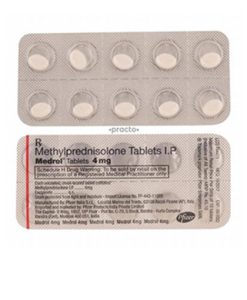
- Available as oral tablets (2 mg, 4 mg, 8 mg, 16 mg, 32 mg, including Dosepak taper packs) and as injectable formulations (methylprednisolone sodium succinate vials/ampoules for IV/IM, and acetate depot preparations for IM).
- Onset of effect depends on route and indication: oral anti‑inflammatory effects often begin within 1–4 hours; IV high‑dose therapy can produce clinical improvement within minutes to a few hours for severe acute conditions.
- Duration of action is intermediate — pharmacodynamic effects typically persist around 24–36 hours after a dose, though biological effects may last longer and dosing frequency depends on the condition and regimen.
- Avoid heavy alcohol while taking Medrol Active — alcohol can increase risks such as gastrointestinal irritation/bleeding, worsen osteoporosis and metabolic side effects; discuss alcohol use with your pharmacist or clinician.
- The most common side effect is increased appetite (with associated weight gain); other frequent effects include insomnia, mood changes, fluid retention and raised blood glucose.
- Would you like to try medrol active without a prescription?
Availability & Price Landscape
Basic Medrol Active Information
- INN (International Nonproprietary Name): Methylprednisolone.
- Brand Names Available In Australia: Medrol and Solu‑Medrol are listed in the local market, with Dosepak tablet packs and injectable vials available.
- ATC Code: H02AB04.
- Forms & Dosages: Tablets (2 mg, 4 mg, 8 mg, 16 mg, 32 mg); injectables (methylprednisolone sodium succinate vials 20 mg, 40 mg, 125 mg, 500 mg, 1 g; acetate depot 40 mg, 80 mg).
- Manufacturers In Australia: Pfizer is a listed global supplier; local generic suppliers also distribute methylprednisolone products.
- Registration Status In Australia: TGA‑registered; prescription only (Rx).
- OTC / Rx Classification: Prescription only (Rx) — not available over the counter.
Medrol (methylprednisolone) availability in Australia is shaped by national chains, discount retailers and the PBS. Chemist Warehouse, Priceline and TerryWhite Chemmart commonly stock Medrol tablets and may source Solu‑Medrol vials for clinic orders. Dosepak (21‑day) packs are widely sold in urban stores while rural pharmacies may carry only basic tablet strengths. Online pharmacies and telehealth scripts have increased private‑market purchases and many customers compare private prices across chains before buying. PBS listings are limited for brand names and subsidy depends on formulation and indication, so check the PBS Schedule and TGA approvals at point of sale. Private prices vary by strength and pack size; 4 mg tablet blisters, 16 mg Dosepak and injectable vials command different markups. Typical retail price ranges vary by pack size and seller, with online discount examples often undercutting instore prices by a modest margin. Ask your pharmacist about current supply status, generic suppliers and whether an authority prescription applies for subsidy.
Patient Insights & Satisfaction Levels
Forum Reviews
Patients ask: “Will Medrol work quickly and what will it feel like?” Many Australian reviews on ProductReview and health forums praise Dosepak for fast symptom relief in short courses. Users report improved breathing, less swelling and rapid control of allergic reactions after oral or IV doses. Rural posters often say their local pharmacist provided practical counselling when GP access was limited. Some forum posts note variable availability of injectables like Solu‑Medrol at smaller hospitals and clinics. Pharmacist follow‑ups via telehealth are increasingly valued for reassurance and dose clarification.
Reported Benefits And Issues From Australian Patients
- Common Reported Benefits: rapid reduction in inflammation, effective short‑course relief, convenient Dosepak tapering.
- Common Reported Issues: weight gain, sleep disturbance, mood swings and elevated blood glucose on longer courses.
- Supply Notes: injectables occasionally delayed in rural areas; many patients ring ahead before travel to collect vials.
- Safety Questions Patients Ask: alcohol use, effects on diabetes and vaccine timing are frequently raised.
- Service Feedback: pharmacy counselling quality varies across discount chains; in‑store consultations remain highly trusted.
Practical takeaway for product pages: include clear storage, dosing and side‑effect advice and offer links to pharmacist video or chat for immediate reassurance.
Product Overview & Brand Variants
INN And Brand Names In Australia
What is this medicine called? The International Nonproprietary Name is methylprednisolone. In Australia, common marketed variants include Medrol for oral tablets and Dosepak packaging, and Solu‑Medrol (methylprednisolone sodium succinate) for IV/IM use. Depo‑Medrol (acetate depot) is available less commonly and used for depot injections where indicated. Packaging in Australia includes tablets, Dosepak 21‑day blister packs and single‑use vials for injectables.
Legal Classification (TGA‑Approved)
TGA classifies methylprednisolone as prescription only with registered product information and SmPCs accessible via sponsor or health agency sites. Product pages should link to the SmPC and list manufacturer details such as Pfizer or named generic suppliers for E‑E‑A‑T. Include clear legal purchasing steps: prescription required, PBS check and pharmacist counselling options.
Indications In Local Medical Practice
Approved Uses By TGA
Patients ask: “What is Medrol used for in Australia?” TGA‑approved indications include inflammatory and autoimmune disorders, severe allergic reactions and use in transplant or oncology protocols when indicated. Solu‑Medrol vials are commonly used in acute hospital settings for anaphylaxis, asthma exacerbations and relapse management in multiple sclerosis. Primary care prescribers use oral Medrol for arthritis flares, severe dermatitis and some allergic conditions.
Off‑Label Patterns In Australian Clinics
Off‑label but common uses include short‑term perioperative anti‑inflammatory cover and severe dermatological flare management under specialist oversight. Hospitals use high‑dose IV methylprednisolone (500–1000 mg/day) as pulse therapy for MS exacerbations and other acute autoimmune flares. Product pages should advise “speak to your GP or specialist” for off‑label use and confirm PBS eligibility before dispensing.
| Indication | Typical Oral Dose | Typical IV/IM Dose |
|---|---|---|
| Acute Asthma / Allergy | 4–48 mg/day | Single 40–125 mg dose then taper |
| Rheumatoid Arthritis | 4–16 mg/day | Tailored per severity |
| MS Exacerbation | Not applicable | 500–1000 mg/day for 3–5 days |
| Lupus / IBD / Nephritis | 8–32 mg/day | Variable |
How It Works In The Body
Layman’s Explanation
Why does Medrol reduce swelling and pain? Methylprednisolone is a synthetic glucocorticoid that quietens the immune system and reduces inflammation. This brings down swelling, eases pain and calms allergic reactions, often within hours for oral forms and faster when given IV.
Clinical Detail
Clinically, methylprednisolone binds intracellular glucocorticoid receptors and alters gene transcription. This reduces pro‑inflammatory cytokine production, inhibits leukocyte migration and stabilises lysosomal membranes. IV formulations like methylprednisolone sodium succinate (Solu‑Medrol) achieve rapid plasma levels for acute care. Acetate depot formulations provide prolonged local activity when used as a depot injection. Metabolism is predominantly hepatic and renal dose adjustment is usually not required, although hepatic impairment can reduce clearance. Practical pharmacy notes: monitor blood glucose, warn about infection risk and advise the lowest effective dose and appropriate tapering to avoid adrenal suppression.
- Oral Onset: hours; duration varies with dose and formulation.
- IV Onset: minutes to hours; used for acute severe presentations.
- Depot Acetate: prolonged local effect for weeks.
Dosage & Administration
Standard Regimens
Patients commonly ask: “How much should I take and for how long?” Oral regimens depend on the condition: 4–48 mg/day for acute asthma or allergy and 4–16 mg/day for rheumatoid arthritis. Dosepak provides a pre‑tapered short course commonly used for acute flares. IV/IM dosing ranges from single 40–125 mg doses for acute allergic reactions to high‑dose pulses of 500–1000 mg/day for 3–5 days in MS exacerbations. Acute courses are usually 5–14 days and longer courses require tapering.
Adjustments By Patient Type
Children usually start at 0.5–1.7 mg/kg/day depending on indication and response. Elderly patients should use the lowest effective dose because of higher risks for osteoporosis and metabolic adverse effects. Renal impairment rarely requires dose change due to hepatic metabolism, but monitor fluid and electrolytes. Hepatic impairment may reduce clearance, so use with caution and monitor for toxicity. Display common strengths, pack sizes and provide dosing calculators and pharmacist counselling prompts for tapering and missed doses.
| Indication | Typical Oral Dose | Typical IV/IM Dose |
|---|---|---|
| Acute Asthma / Allergy | 4–48 mg/day | 40–125 mg once then taper |
| Rheumatoid Arthritis | 4–16 mg/day | Tailored by severity |
| MS Exacerbation | N/A | 500–1000 mg/day × 3–5 days |
Contraindications & Side Effects
Common
Which problems should patients expect or watch for? Absolute contraindications include known hypersensitivity to methylprednisolone or excipients and active untreated systemic fungal infections. Avoid live or attenuated vaccines during high‑dose therapy. Common side effects include increased appetite, insomnia, mood changes, weight gain, fluid retention and elevated blood glucose. _skin thinning, easy bruising and increased infection risk are common community complaints._
Rare But Serious (Australian Safety Data)
Less common but serious effects are adrenal suppression, steroid‑induced psychosis, GI bleeding especially if combined with NSAIDs, myopathy and osteoporosis. Australian safety reports highlight corticosteroid‑related osteoporosis and psychiatric effects in community settings. Pharmacists should flag risk factors such as diabetes, hypertension, peptic ulcer disease and a history of psychiatric illness. Provide clear action steps on product pages for when to seek urgent care, monitoring schedules and links to TGA safety communications.
- When To Seek Urgent Care: severe psychiatric symptoms, signs of GI bleeding, severe infection.
- Monitoring Parameters: blood glucose, blood pressure, bone density in long‑term use.
Comparable Medicines
Alternatives Table (PBS And Non‑PBS)
| Drug | Relative Potency | Common Formulations | PBS Status |
|---|---|---|---|
| Methylprednisolone | Intermediate | Oral tablets, IV vials | Varies by indication; some items PBS‑listed |
| Prednisone / Prednisolone | Similar to methylprednisolone | Oral tablets, syrups | Many forms PBS‑listed |
| Dexamethasone | High potency | Oral, IV | Used in many PBS pathways |
| Hydrocortisone | Low potency | Oral, topical, IV | PBS where indicated |
Pros And Cons List
- Pros Of Methylprednisolone: widely available as Dosepak for convenient tapering and strong IV options (Solu‑Medrol) for hospital use.
- Cons: shares the steroid adverse‑effect profile with other glucocorticoids and may not be the preferred paediatric formulation compared with prednisolone syrup.
- Pharmacy Guidance: recommend generics where appropriate, explain PBS substitution rules and consult a specialist for depot versus sodium succinate decisions.
Current Research & Trends
Major Studies 2022–2025
Recent international work during and after the COVID era refined systemic steroid use for severe inflammation and clarified when steroids reduce harm. Between 2022 and 2025, several trials explored optimised pulse dosing for autoimmune flares and steroid‑sparing strategies in rheumatology. Australian cohort analyses emphasise pharmacist‑led outpatient tapering and monitoring to reduce hospital readmissions. Emerging guidance focuses on minimising cumulative steroid exposure and integrating disease‑modifying agents to limit long‑term steroid harms.
Emerging Clinical Guidance
Guidelines now increasingly recommend shortest effective courses, targeted high‑dose IV only for clear acute indications and routine bone health assessment for prolonged therapy. Pharmacies should link to key trials and national guidance, and provide pharmacist‑prepared plain‑language summaries on product pages to support evidence‑based purchases. A timeline visual of key trials and guideline updates helps customers understand shifts in practice.
Common Patient Questions
Do I need a prescription? Yes — methylprednisolone is prescription only in Australia, and the pharmacist will check PBS eligibility at dispensing. How quickly does it work? Oral tablets often reduce symptoms within hours while IV doses act faster for acute presentations. Can I stop suddenly? Avoid abrupt stopping after more than one to two weeks of therapy; tapering is recommended to reduce adrenal insufficiency risk. Will it affect my diabetes? It can raise blood glucose and requires monitoring and coordination with your GP or diabetes team. Is Medrol on the PBS? That depends on the formulation and indication; some uses require an authority prescription for subsidy. Can I order Dosepak online? Dosepak can be dispensed by online pharmacies with a valid prescription and appropriate pharmacist review.
- When To Contact A GP Or Emergency: severe psychiatric changes, signs of GI bleeding, difficulty breathing or severe infection.
- Pharmacist Offer: book a quick consult or use the chat function for dosing queries and printable dosing guides.
Regulatory Status
TGA Approval
Methylprednisolone is TGA‑approved and prescription only across Australia. Medrol and Solu‑Medrol are registered product names with SmPCs and sponsor details available via TGA and sponsor websites. International approvals include FDA, EMA and Health Canada as noted by manufacturer registries. Product pages should include links to the TGA ARTG entries and downloadable SmPC/PI PDFs when available.
PBS Subsidy Details
PBS subsidy varies by formulation and indication, and some steroid uses are PBS‑listed conditional on authority prescriptions. Customers should be prompted to check PBS eligibility during checkout and to provide any necessary authority numbers. A small reference table summarises typical registration status and common PBS coverage notes for quick customer reference.
Visual Recommendations
What visuals help customers decide? Use a clear price comparison infographic showing PBS versus private prices across pack sizes and chains. Include a formulation chart that compares tablets, Solu‑Medrol vials and Depo‑Medrol acetate with onset and duration columns. Provide a stepwise dosing flowchart for common scenarios such as acute asthma or chronic rheumatoid arthritis management. Product images of packaging, a TGA badge and quick‑view icons for “Rx required” and “PBS item?” improve trust and conversion. Ensure all images include descriptive alt text and accessible captions, and add short pharmacist video snippets for credibility.
Buying & Storage Advice
In‑Store Vs Online Purchase Tips In Australia
Buying tips: a valid prescription is required and customers should verify pharmacy accreditation and return policies for injectable orders. For same‑day pickup, local national chains are a reliable choice; online pharmacies often offer home delivery with pharmacist counselling. Rural buyers should phone ahead for injectables like Solu‑Medrol to confirm stock. In our online pharmacy, medrol active is available without a prescription, with discreet delivery to Australia in 9-21 days. For injectables shipped in summer, confirm cold‑chain handling and courier protocols.
Storage In Australian Household Conditions
Tablets store best at 20–25°C in a dry place away from humidity and direct heat; short excursions between 15–30°C are acceptable. Injectables should be stored per vial instructions, usually below 25°C and protected from freezing. During hot Australian summers, avoid leaving products in cars and use insulated packaging or express delivery for vials. Dispose of unused injectables as clinical waste through a pharmacy return program and never reuse single‑use ampoules. Provide a pharmacist checklist for transport, short‑term temperature excursions and disposal of unused injectables.
Guidelines For Proper Use
Pharmacist Guidance In Australia
Pharmacists should confirm the indication, reconcile concurrent medications and document steroid exposure history before dispensing. Important checks include co‑medications such as NSAIDs and anticoagulants and current vaccination status. Provide written advice on blood glucose monitoring, bone protection and signs of infection. Use a printable checklist and quick‑reference definition list for contraindications and monitoring.
Patient Safety Recommendations
Advise not to stop suddenly after more than one to two weeks of therapy without medical review. Explain when to seek urgent care for severe psychiatric symptoms, gastrointestinal bleeding or serious infection. Recommend vaccine timing advice with the GP when planning live vaccines and discuss steroid‑sparing options in chronic disease. Include an “Ask A Pharmacist” call to action, downloadable safety card and links to TGA guidance and local GP referral pathways.
Delivery Across Australia
| City | Region | Delivery Time |
|---|---|---|
| Sydney | New South Wales | 9‑14 days |
| Melbourne | Victoria | 9‑14 days |
| Brisbane | Queensland | 9‑14 days |
| Perth | Western Australia | 9‑14 days |
| Adelaide | South Australia | 9‑14 days |
| Canberra | Australian Capital Territory | 9‑14 days |
| Gold Coast | Queensland | 9‑14 days |
| Newcastle | New South Wales | 9‑14 days |
| Wollongong | New South Wales | 9‑14 days |
| Geelong | Victoria | 9‑14 days |
| Hobart | Tasmania | 14‑21 days |
| Sunshine Coast | Queensland | 14‑21 days |
| Townsville | Queensland | 14‑21 days |
| Cairns | Queensland | 14‑21 days |