
Antiparasitic
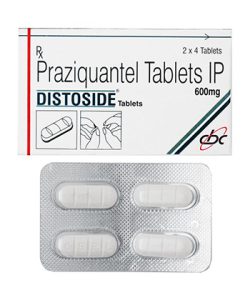
Praziquantel
from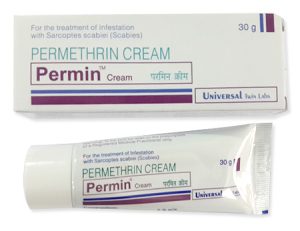
Permethrin
from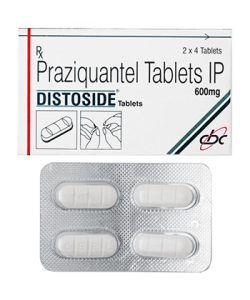
Biltricide
from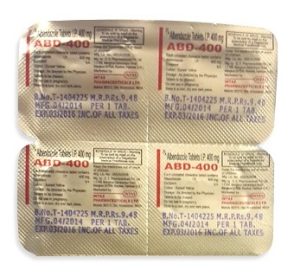
Albendazole
from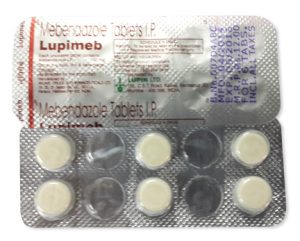
Vermox
from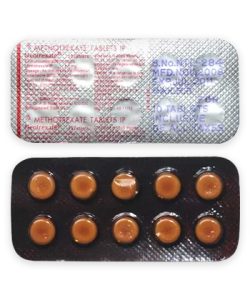
Rheumatrex
from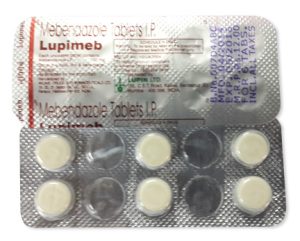
Mebendazole
from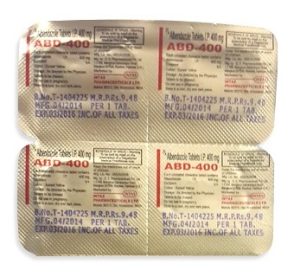
Albenza
from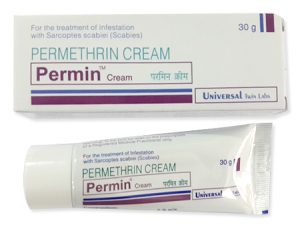
Lyclear
from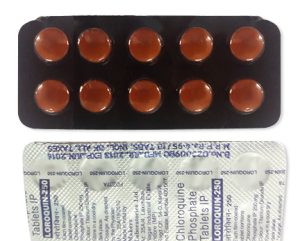
Chloroquine
fromUnderstanding Parasitic Infections
Parasitic infections occur when harmful organisms invade the human body, feeding on nutrients and causing various health complications. These infections are more common than many people realise, affecting millions of Australians each year. Parasites can be transmitted through contaminated food, water, soil, or insect bites, with common types including roundworms, tapeworms, hookworms, and protozoa such as giardia and cryptosporidium.
Symptoms vary depending on the parasite type but often include digestive discomfort, fatigue, weight loss, and skin irritation. Children, elderly people, and those with weakened immune systems face higher infection risks. Travellers returning from overseas destinations are particularly susceptible to tropical parasites. Early identification and treatment are crucial for preventing serious complications and reducing transmission to others in your household.
Common Parasitic Infections in Australia
Giardiasis
Giardiasis is one of the most frequently reported parasitic infections in Australia, caused by the giardia parasite. Symptoms include severe diarrhoea, abdominal cramps, nausea, and malabsorption of nutrients. This infection spreads through contaminated water sources, making hikers and outdoor enthusiasts vulnerable.
Hookworm Infections
Hookworm infections occur when larvae penetrate the skin, typically through barefoot contact with contaminated soil. This condition causes anaemia, protein deficiency, and growth problems in children.
Roundworm and Other Intestinal Parasites
Roundworm (Ascaris) infections are particularly common in children and cause abdominal discomfort, malnutrition, and intestinal blockages in severe cases. Threadworm (Pinworm) infections primarily affect children and cause itching around the anal area, sleep disturbances, and restlessness. These highly contagious parasites spread rapidly in schools and childcare settings.
Skin Parasitic Infestations
Head lice and scabies represent parasitic skin infestations that require specific antiparasitic treatments. Scabies causes intense itching and characteristic skin burrows, whilst head lice affect the scalp and hair.
Available Antiparasitic Medications in Australia
Albendazole
Albendazole is a broad-spectrum antiparasitic medication available in Australia under various brand names. This tablet effectively treats roundworms, hookworms, whipworms, and tapeworms. It works by disrupting the parasite’s metabolism and preventing glucose absorption. The standard adult dose is typically 400mg once or twice daily, depending on the infection type. Albendazole is generally well-tolerated, though some people experience mild gastrointestinal disturbance.
Mebendazole
Mebendazole is another popular choice for treating intestinal parasites, particularly threadworms and roundworms. Available as chewable tablets, this medication is convenient for children. The dosage varies between 100mg and 500mg depending on the specific parasite and infection severity. Many Australian families keep mebendazole on hand for treating childhood threadworm infections.
Metronidazole
Metronidazole is specifically designed for treating protozoan infections such as giardia and amoebic dysentery. Available as tablets or liquid suspension, it’s particularly useful for traveller’s diarrhoea caused by parasitic organisms. This medication requires careful dosing and should be taken exactly as prescribed by your healthcare provider.
Praziquantel
Praziquantel targets tapeworm and flatworm infections effectively. This medication is essential for treating schistosomiasis and other trematode infections commonly acquired during overseas travel.
Topical Treatments
Permethrin creams and lotions treat external parasitic infestations like head lice and scabies. These topical treatments kill parasites on contact and are available without prescription at most Australian pharmacies.
Treatment Protocols and Dosage Guidelines
Antiparasitic treatment success depends on accurate diagnosis and appropriate medication selection. Your healthcare provider will recommend specific medications based on the parasite type, infection severity, and your individual health circumstances. Most intestinal parasitic infections require short treatment courses, typically ranging from one to three days for some infections, whilst others need seven to ten days of therapy.
Treatment protocols vary significantly depending on several factors:
- For children, dosages are carefully calculated based on body weight to ensure safety and effectiveness. Parents should never guess at dosages and must follow pharmacist instructions precisely. Many antiparasitic medications are available in child-friendly formulations such as suspensions or chewable tablets.
- For adults, standard doses are generally higher but still require careful adherence to prescribed regimens. Some medications work better when taken with food, whilst others require an empty stomach for optimal absorption.
- Follow-up treatments are sometimes necessary, particularly for threadworm infections that are highly contagious. A second dose administered two weeks after the initial treatment often prevents reinfection.
- Household management is equally important as medication. All household members should receive treatment simultaneously to prevent reinfection cycles. Thorough cleaning of bedding, clothing, and personal items is essential when treating parasitic infections.
Prevention Strategies and Hygiene Practices
Preventing parasitic infections involves practical daily habits and awareness of transmission risks. Handwashing remains the most effective prevention method, particularly before eating and after using the toilet. Teaching children proper handwashing techniques significantly reduces infection transmission in schools and home environments.
Food safety requires washing fresh produce thoroughly and cooking meat to appropriate temperatures. Avoid drinking untreated water from streams or wells, especially during outdoor activities. Personal hygiene includes keeping fingernails short to prevent parasitic eggs from lodging underneath. Children should be discouraged from putting hands in their mouths and sharing eating utensils.
Environmental control involves maintaining clean living spaces, regular vacuuming, and washing bedding in hot water weekly during and after infection treatment periods. When preparing for overseas travel, consult your pharmacist about prophylactic antiparasitic medications appropriate for your destination, as different regions carry different parasitic risks.
When to Consult Your Pharmacist or Doctor
Contact your healthcare provider if you experience persistent digestive symptoms, unexplained weight loss, chronic fatigue, or recurring skin irritation. Your pharmacist can assess symptoms and recommend appropriate antiparasitic treatments or advise when medical consultation is necessary.
Allergies and sensitivities must be discussed before starting antiparasitic therapy, as some people react adversely to specific medications. Inform your pharmacist about all current medications, supplements, and existing health conditions.
Pregnancy and breastfeeding require special consideration when selecting antiparasitic medications. Your healthcare provider will recommend the safest options during these sensitive periods. Children and elderly individuals may require adjusted dosing or alternative medications, so your pharmacist ensures appropriate treatment selection for vulnerable populations.
Australian pharmacies stock quality antiparasitic medications and provide expert guidance on proper usage, potential side effects, and prevention strategies to protect your family’s health.