Lyclear
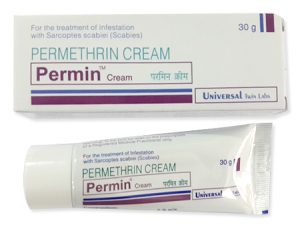
In brief
- In our pharmacy, you can buy lyclear without a prescription, with delivery in 9–21 days throughout Australia. Discreet and anonymous packaging available.
- Lyclear (permethrin) is used to treat scabies (5% cream) and head lice (1% lotion). Permethrin is a synthetic pyrethroid that disrupts parasite sodium channels, causing paralysis and death of mites and lice.
- For scabies (5% cream): apply a thin layer to the entire body from the neck down and leave on for 8–14 hours (usually overnight); one application is typical, repeat after 7 days if live mites persist. For lice (1% lotion): apply to scalp/hair as directed, leave for about 10 minutes, then rinse; repeat after 7 days if live lice remain.
- Topical administration: 5% cream for scabies and 1% lotion for head lice.
- Begins to kill mites and lice within hours; parasite death and reduction in infestation are often evident within 24–48 hours, though itching may take longer to settle.
- The active effect lasts while the product remains on the skin (typically 8–14 hours for scabies treatment); the parasiticidal action following application persists sufficiently to clear infestation, with repeat treatment sometimes needed after 7 days.
- No specific interaction with oral alcohol is known, so drinking alcohol is not strictly prohibited; avoid alcohol-based skin products on treated areas as they can increase irritation.
- The most common side effec are mild, transient skin reactions such as burning, stinging, redness, itching or paraesthesia; headache or dizziness are rare.
- Would you like to try lyclear without a prescription?
Basic Lyclear Information
- INN (International Nonproprietary Name): Permethrin.
- Brand Names Available In Australia: Lyclear (cream 5%, boxes of 30g/60g), Nix (lotion 1%), Acticin and Elimite listed internationally as 5% creams; local branding and availability vary.
- ATC Code: P03AC04.
- Forms & Dosages: 5% cream (30g, 60g tubes) for scabies; 1% lotion (approximately 59ml bottle) for head lice.
- Manufacturers In Australia: Ego Pharmaceuticals noted as an Australian manufacturer; other suppliers include Sandoz, Ratiopharm and international exporters.
- Registration Status In Australia: Registered products appear on the ARTG and are generally prescription (Rx) for 5% cream.
- OTC / Rx Classification: 5% cream—Prescription (Rx) for scabies; some 1% lice lotions—OTC depending on brand and local scheduling.
Availability & Price Landscape
National Pharmacy Chains (Chemist Warehouse, Priceline, TerryWhite)
Patients commonly check major chains for stock and price when they need a scabies or lice product.
Discount chains tend to be favoured for lower cash prices, while full‑service chemists are chosen for counselling and privacy.
Regional and rural patients often rely on their local community chemist for supply and advice.
Online Pharmacy Trends In Australia
Online pharmacies and telepharmacy services increasingly handle e‑scripts and home delivery for topical scabicides.
These services sometimes bundle application guidance and follow‑up advice with the supply.
Lyclear (permethrin 5% cream) is commonly stocked through major chains and independent community chemists and is sold in 30g and 60g boxes.
Because the 5% cream is prescription‑only and PBS listings are limited, out‑of‑pocket cost varies between retailers and regions.
By contrast, 1% lice lotions may be available OTC and can be cheaper depending on brand.
Patient Insights & Satisfaction Levels
Forum Reviews (ProductReview, Aussie Health Forums)
Patients report relief of burrows and sleep disruption after an overnight application of permethrin 5% cream.
Online forum feedback often praises clear instruction from pharmacists and telehealth clinicians.
Parents use community forums to ask practical questions about treating the whole household and laundering bedding.
Reported Benefits And Issues From Australian Patients
Common reported benefits include rapid reduction in new burrows and improved sleep after treatment.
Many patients still experience residual itch for days as lesions heal, which is commonly reported as expected rather than treatment failure.
Common complaints include transient stinging or redness at the application site and the cost of repeat treatment when required.
For head lice, 1% pyrethroid lotions such as Nix are praised for ease of use but criticised when resistance or reinfestation occurs.
- Patient Quotes:
- “Applied overnight and slept better the next day.”
- “Itch kept going for a week despite treatment.”
- “Pharmacy talked us through treating the whole family and the bedding.”
- What Patients Mean By “Treatment Failure”
- Persistent live mites detected after correct application.
- New lesions appearing after an appropriate interval suggesting reinfestation.
- Widespread symptoms despite repeat topical application suggesting need for oral therapy or specialist review.
Product Overview & Brand Variants
INN And Brand Names In Australia
Permethrin is the International Nonproprietary Name used for these topical ectoparasiticides.
Lyclear is a known 5% cream formulation in Australia, available in 30g and 60g boxes.
Other internationally recognised 5% creams include Acticin and Elimite, while Nix is commonly used as a 1% lotion for head lice.
Legal Classification (TGA‑Approved)
Permethrin 5% cream products are generally prescription medicines in the markets listed and should be registered on the ARTG under TGA oversight for Australia.
Some 1% lice lotions are available OTC depending on brand and scheduling.
| Brand | Form | Strength | Common Pack Sizes | Indication |
|---|---|---|---|---|
| Acticin | Cream | 5% | 30g, 60g | Scabies |
| Elimite | Cream | 5% | 30g, 60g | Scabies |
| Lyclear | Cream | 5% | 30g, 60g | Scabies, lice |
| Nix | Lotion | 1% | ~59ml | Head lice |
Indications In Local Medical Practice
Approved Uses By TGA
Permethrin 5% cream is the first‑line topical treatment for scabies in most clinical guidelines and is TGA‑regulated as a prescription product in Australia.
The product is applied topically and is intended to eliminate mites from the skin surface and superficial burrows.
Off‑Label Patterns In Australian Clinics
Clinicians sometimes use permethrin in targeted off‑label ways for other ectoparasitic infestations sensitive to pyrethroids, though scabies remains the main indication.
Oral ivermectin is reserved for crusted or refractory scabies and for outbreak control in institutional settings.
- Checklist For Clinicians:
- Prescribe permethrin 5% cream for typical scabies and advise overnight application.
- Treat household contacts concurrently to reduce reinfestation risk.
- Escalate to oral ivermectin when topical therapy fails or in crusted scabies.
How It Works In The Body
Layman’s Explanation
Permethrin is a topical insecticide that paralyse and kills scabies mites and head lice on contact.
Applied as a cream to the skin (5% for scabies), it works where the parasites live, rather than being absorbed for systemic action.
Clinical Detail
Permethrin is a synthetic pyrethroid that targets parasite neuronal sodium channels and causes delayed repolarisation and paralysis.
Systemic absorption through intact skin is minimal, so dose adjustments for liver or kidney disease are usually not needed.
The ATC classification for permethrin is P03AC04, under ectoparasiticides and pyrethrins.
Dosage & Administration
Standard Regimens
For scabies, adults and children aged two months and older should have a thin, even layer of 5% cream applied from the neck down.
The cream is left on for 8–14 hours (commonly overnight) and then washed off.
Repeat the application after seven days if live mites are still observed or new lesions appear.
Adjustments By Patient Type (Elderly, Chronic Conditions)
Infants under two months are not approved for permethrin 5% cream and require clinical advice.
Elderly patients need thorough coverage, especially in skin folds, but generally do not require dose changes.
In patients with severe skin breakdown or extensive eczema, counsel on absorption risk and consider specialist review.
| Condition | Typical Regimen |
|---|---|
| Adult/Child ≥2 months (Scabies) | Apply neck‑down thin layer, leave 8–14 hours, repeat day 7 if needed |
| Head Lice (1% lotion) | Apply to dry hair, leave ~10 minutes, rinse, repeat at day 7 if live lice |
Contraindications & Side Effects
Common
Absolute contraindication is hypersensitivity to permethrin, synthetic pyrethroids or any excipients in the cream.
Common local side effects are transient burning, stinging, pruritus, redness, swelling and paraesthesia at the application sites.
These local effects often resolve within days and can be difficult to distinguish from ongoing scabies itch.
Rare But Serious (Australian Safety Data)
Rare systemic effects reported include headache, dizziness and fever, but severe systemic reactions are uncommon given minimal absorption.
In patients with extensive broken skin, there is a theoretical risk of increased absorption and systemic effects and specialist advice may be needed.
- Contraindications
- Hypersensitivity to permethrin or excipients; caution with chrysanthemum/ragweed allergy due to possible cross‑reactivity.
- Management Of Reactions
- For mild local irritation use emollients or short courses of topical corticosteroid as advised by a clinician; seek urgent care for signs of systemic allergy.
Comparable Medicines
Alternatives Table (PBS And Non‑PBS)
| Medicine | Form | PBS Status | Typical Advantage | Typical Disadvantage |
|---|---|---|---|---|
| Permethrin 5% (Lyclear/Acticin) | Cream | Generally Private‑Pay (PBS limited) | Single overnight application; well tolerated | Prescription required; cost varies |
| Benzyl Benzoate | Lotion | Varies | Usually cheaper | More irritant, multiple applications |
| Ivermectin | Oral | Prescription | Useful for crusted or refractory cases | Systemic drug requiring counselling |
| Crotamiton (Eurax) | Cream/Lotion | Varies | Topical alternative | May be less effective than permethrin |
Pros And Cons List
- Permethrin 5% — Pros: effective for scabies, single overnight application; Cons: Rx status, cost variability.
- Benzyl Benzoate — Pros: lower cost; Cons: irritant, multiple applications often required.
- Oral Ivermectin — Pros: useful for outbreaks/crusted scabies; Cons: systemic agent, prescription and counselling needed.
Current Research & Trends
Major Studies 2022–2025 (Australia + International)
Recent literature to 2025 continues surveillance of permethrin efficacy and examines combined strategies for high‑burden outbreaks.
Studies assess topical therapy alone versus combined topical and oral regimens in institutional settings and for crusted scabies.
Australian primary care research highlights telehealth pathways and pharmacist triage to improve access and adherence.
Emerging Resistance And Practice Implications
There are reports of reduced efficacy in some lice populations and occasional reduced response in scabies outbreaks, prompting local resistance monitoring.
When topical failure is documented, clinicians commonly escalate to oral ivermectin or alternative topical agents.
| Year | Focus | Implication |
|---|---|---|
| 2022–2025 | Permethrin resistance monitoring | Consider alternative agents or ivermectin if topical failure |
| 2023–2025 | Telehealth access studies (Australia) | Pharmacist triage and e‑script models improve timely treatment |
Common Patient Questions
FAQs From Australian Pharmacy Consultations
- How Long Until The Itch Stops?
- Do I Need To Treat Family Members?
- Can I Use Permethrin In Pregnancy Or While Breastfeeding?
- What About Bedding And House Cleaning?
Itch may persist for several days to weeks despite successful treatment as lesions heal.
Treat symptoms with antihistamines or short‑term topical emollients as advised.
Yes, household contacts are usually treated at the same time to prevent reinfestation.
Permethrin is generally considered safe in pregnancy and breastfeeding, but advise consultation with a prescriber.
Wash bedding, clothing and towels used in the previous 48 hours in hot water, or isolate items for 72 hours to remove live mites.
Regulatory Status
TGA Approval
Permethrin 5% cream products such as Lyclear should be registered on the ARTG and are prescription medicines under TGA regulation in Australia.
Pharmacists and prescribers should verify ARTG listings and product details when dispensing or advising patients.
PBS Subsidy Details
PBS subsidy for scabies treatments is limited and varies by product and clinical criteria.
Many permethrin products are private‑pay unless specific PBS criteria are met, so confirm PBS listing before assuming subsidised access.
Visual Recommendations
Infographics: PBS Pricing, Pharmacy Networks
Suggested visuals include a simple pricing infographic comparing private‑pay versus PBS pathways and a map showing major pharmacy network coverage across urban and regional areas.
Suggested Product Images And Application Diagrams
Use clear photos of Lyclear 30g and 60g boxes with strength clearly visible, plus step‑by‑step diagrams showing neck‑down application and recommended leave‑on time.
Include a troubleshooting flowchart: persistent itch → check application coverage → repeat or refer to prescriber.
Buying & Storage Advice
In‑Store Vs Online Purchase Tips In Australia
Because 5% cream is usually prescription‑only, obtain a TGA‑regulated prescription for supply through a pharmacy.
Pharmacies including Chemist Warehouse, Priceline and local community chemists commonly dispense Lyclear or equivalent permethrin products.
In our online pharmacy, lyclear is available without a prescription, with discreet delivery to Australia in 9-21 days.
Storage In Australian Household Conditions (Heat/Humidity)
Store permethrin cream at room temperature, ideally between 20–25°C, protecting it from excessive heat and humidity common in Australian summers.
Avoid freezing and prolonged exposure to temperatures well above 30°C during transport or storage.
- Storage Checklist:
- Keep in original tube/box away from direct sunlight.
- Do not refrigerate or freeze; brief transport at 15–30°C is acceptable.
- Check expiry date before dispensing or using.
Guidelines For Proper Use
Pharmacist Guidance In Australia
Confirm the clinical history and rash distribution before supply, and counsel on full‑body application from the neck down in adults and children over two months.
Advise on common local reactions and reinforce the need to treat household contacts concurrently.
Document the supply and provide written application instructions where possible.
Patient Safety Recommendations
Warn patients about absolute contraindications such as hypersensitivity to permethrin, and advise immediate medical review if systemic allergic signs occur.
Advise revisiting the prescriber or pharmacist if live mites or new lesions appear after seven to fourteen days.
Provide a short, printable one‑page instruction sheet: apply thin layer neck‑down, leave 8–14 hours, wash off, treat contacts and launder bedding.
Delivery Across Australia
| City | Region | Delivery Time |
|---|---|---|
| Sydney | New South Wales | 9-14 days |
| Melbourne | Victoria | 9-14 days |
| Brisbane | Queensland | 9-14 days |
| Perth | Western Australia | 9-14 days |
| Adelaide | South Australia | 9-14 days |
| Canberra | Australian Capital Territory | 9-14 days |
| Hobart | Tasmania | 9-14 days |
| Darwin | Northern Territory | 9-14 days |
| Gold Coast | Queensland | 9-14 days |
| Newcastle | New South Wales | 9-14 days |
| Wollongong | New South Wales | 14-21 days |
| Geelong | Victoria | 14-21 days |
| Townsville | Queensland | 14-21 days |