
Muscle Relaxants
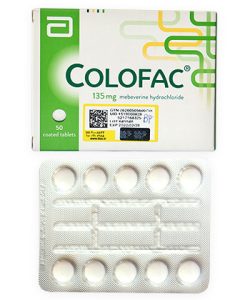
Colofac
from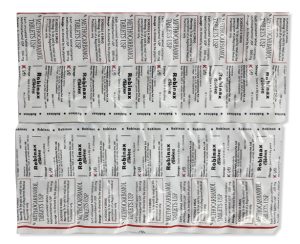
Robaxin
from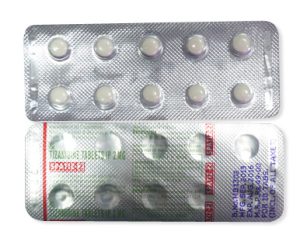
Zanaflex
from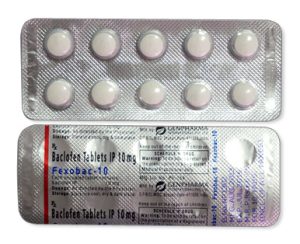
Baclofen
fromWhat Are Muscle Relaxants and How Do They Work?
Muscle relaxants are medications designed to alleviate muscle tension, stiffness, and spasms throughout the body. These pharmaceuticals work by targeting the central nervous system or directly affecting muscle tissue to reduce involuntary muscle contractions. When your muscles become tight or painful due to injury, tension, or certain medical conditions, muscle relaxants can provide relief by interrupting the signals that cause muscles to contract excessively.
There are two main types of muscle relaxants available: spasmolytics, which work directly on skeletal muscles, and antispastics, which affect the central nervous system. Most muscle relaxants operate by depressing the central nervous system, which helps calm overactive nerve signals that trigger muscle contractions. This action reduces stiffness and allows muscles to relax more effectively.
The onset of action varies depending on the specific medication. Some muscle relaxants begin working within 30 minutes, whilst others may take several hours to reach peak effectiveness. Your healthcare provider will recommend the most suitable option based on your specific condition, medical history, and other medications you’re currently taking.
Common Conditions Treated with Muscle Relaxants
Muscle relaxants are prescribed for a variety of musculoskeletal conditions that cause discomfort and limit mobility. One of the most common uses is treating acute muscle strain and injuries, particularly those affecting the neck, shoulders, and lower back. These injuries often occur from accidents, falls, or repetitive stress, and muscle relaxants help manage the associated pain and stiffness during recovery.
Chronic conditions such as fibromyalgia and myofascial pain syndrome also benefit from muscle relaxant therapy. Patients experiencing these conditions often have widespread muscle pain and tension that can significantly impact their quality of life. Muscle relaxants help reduce these symptoms and improve functionality.
Sports-related injuries frequently require muscle relaxant treatment. Athletes and active individuals often experience muscle strains that respond well to these medications when combined with physiotherapy and rest. Additionally, muscle relaxants are used to manage tension headaches and cervical dystonia, a neurological condition affecting neck muscles.
Post-surgical muscle tension is another common indication. Following certain surgical procedures, patients may experience muscle stiffness and pain. Muscle relaxants help manage these symptoms during the recovery period, promoting better mobility and comfort.
Popular Muscle Relaxants Available in Australia
Several muscle relaxants are readily available in Australia through pharmacies and medical professionals. Paracetamol combined with muscle relaxants represents a popular option for many patients seeking pain relief alongside muscle tension management. These combination products offer comprehensive pain management for musculoskeletal conditions.
Baclofen is a widely prescribed muscle relaxant in Australia that works by reducing muscle spasms through central nervous system depression. It’s particularly effective for conditions involving spasticity and is often recommended for both acute and chronic muscle tension. Baclofen comes in various formulations to suit different patient needs.
Diazepam is another commonly available muscle relaxant in Australian pharmacies. This benzodiazepine-based medication works quickly to reduce muscle tension and anxiety that often accompanies muscle pain. Due to its sedative properties, it’s typically recommended for short-term use.
Additional muscle relaxant options available in Australia include:
- Tizanidine, which has gained popularity as an effective alternative for muscle spasm management and is particularly useful for patients experiencing muscle stiffness throughout the day
- Methocarbamol, often chosen for acute muscle injuries and strains and generally well-tolerated across various patient populations
- Chlorzoxazone, another option for managing muscle tension and spasms that many healthcare providers recommend for patients seeking muscle relaxation without excessive sedation
How to Use Muscle Relaxants Safely and Effectively
Proper usage of muscle relaxants is essential for achieving maximum benefit whilst minimising potential side effects. Always follow your healthcare provider’s specific instructions regarding dosage and frequency. Most muscle relaxants are taken orally with water, typically one to three times daily, depending on the specific medication and your condition.
Timing matters when taking muscle relaxants. Some patients find that taking their medication before bed helps reduce morning stiffness, whilst others benefit from doses throughout the day. Your pharmacist can provide guidance on optimal timing for your specific situation.
It’s crucial to avoid driving or operating machinery immediately after taking muscle relaxants, particularly those with sedative properties. Many muscle relaxants can cause drowsiness, dizziness, or impaired coordination. Wait until you understand how the medication affects you personally before engaging in potentially hazardous activities.
Never suddenly stop taking muscle relaxants without consulting your healthcare provider, as abrupt discontinuation can cause rebound muscle tension and other withdrawal effects. If you need to cease treatment, your doctor will typically recommend a gradual reduction schedule. Alcohol consumption should be avoided whilst taking muscle relaxants, as the combination can intensify drowsiness and impair cognitive function.
Potential Side Effects and Precautions
Understanding possible side effects helps you recognise when to contact your healthcare provider. Common side effects include drowsiness, dizziness, and headaches. Most patients experience mild side effects that diminish as their body adjusts to the medication. Taking muscle relaxants with food can sometimes reduce gastrointestinal upset.
Some patients report dry mouth, blurred vision, or mild tremors. These effects are typically temporary and resolve within days of starting treatment. However, if side effects persist or worsen, contact your healthcare provider promptly.
More serious side effects, though rare, require immediate medical attention. These include severe allergic reactions, chest pain, difficulty breathing, or unusual mood changes. If you experience any of these symptoms, seek emergency medical care immediately.
Certain individuals should avoid muscle relaxants or use them only under careful medical supervision. Pregnant women, particularly during the first trimester, should discuss muscle relaxant use with their healthcare provider before taking these medications. Similarly, people with liver or kidney disease, heart conditions, or myasthenia gravis require special consideration before beginning muscle relaxant therapy.
Complementary Approaches to Muscle Relaxant Treatment
Combining muscle relaxants with other therapeutic approaches often produces superior results compared to medication alone. Physiotherapy and stretching exercises strengthen supporting muscles and improve flexibility, reducing dependence on medication over time. Your physiotherapist can develop a personalised exercise programme targeting your specific condition.
Heat and cold therapy complement muscle relaxant treatment effectively. Applying heat to affected areas increases blood flow and promotes relaxation, whilst cold therapy reduces inflammation in acute injuries. Many patients alternate between these approaches throughout their recovery.
Lifestyle modifications significantly enhance muscle relaxant effectiveness. Maintaining good posture during work and daily activities prevents unnecessary muscle tension. Taking regular breaks, particularly if your work involves repetitive motions, helps protect your muscles from strain.
Stress management techniques such as meditation, yoga, and deep breathing exercises reduce overall muscle tension naturally. Chronic stress often manifests as muscle tightness, so addressing stress holistically improves treatment outcomes. Many patients find that combining these approaches allows them to reduce medication dosages over time.
Adequate sleep and hydration support muscle health and recovery. Dehydrated muscles are more prone to cramping and tension, whilst proper sleep allows your body to repair damaged tissue. Regular physical activity, appropriate to your fitness level and condition, maintains muscle strength and flexibility. Always consult your healthcare provider before starting any new exercise programme whilst taking muscle relaxants.