Robaxin
In brief
- In our pharmacy, you can buy robaxin without a prescription, with delivery across Australia and discreet packaging (note: methocarbamol/robaxin is prescription-only in most countries and local regulations may vary).
- Robaxin (methocarbamol) is used for short-term relief of acute musculoskeletal pain and spasm and as an adjunct to rest, physical therapy and in tetanus management; it is a centrally acting skeletal muscle relaxant (a carbamate) that depresses central nervous system activity—exact mechanism not fully defined.
- Usual dosage: Adults — oral: 1500 mg four times daily for the first 48–72 hours, then 1000 mg four times daily as maintenance; injectable dosing for severe cases/tetanus typically 1–2 g IV every 6 hours (per protocol, with institutional limits up to ~24 g/day). Children use is specialist-guided; use lower/start-low in elderly and organ impairment.
- Form of administration: oral tablets (commonly 500 mg and 750 mg) and solution for injection (e.g. 100 mg/mL or 200 mg/mL) for IV or IM use.
- Onset time: oral effects usually begin within about 30–60 minutes; IV/IM onset is faster, often within 15–30 minutes.
- Duration of action: clinical effects typically last around 4–6 hours (elimination half-life is short, roughly 1–2 hours, so dosing every 4–6 hours is common).
- Alcohol warning: do not consume alcohol while taking robaxin—alcohol increases central nervous system depression, drowsiness, dizziness and the risk of falls or impaired coordination.
- The most common side effect is drowsiness (also common: dizziness, headache, nausea, blurred vision; elderly patients are more prone to confusion and fall risk).
- Would you like to try robaxin without a prescription?
Basic Robaxin Information
- INN (International Nonproprietary Name): Methocarbamol
- Brand Names Available In Australia: Robaxin; Robaxin-750; Carbacot; Skelex; Robax Platinum; Metocarbamolum; Methocarbamol/ibuprofen (Summit Ultra)
- ATC Code: M03BA03
- Forms & Dosages: Tablets 500 mg and 750 mg; Solution for injection 100 mg/mL and 200 mg/mL in ampoules
- Manufacturers In Australia: Not specified (major global manufacturers include Pfizer, Sun Pharma, Teva, Recordati)
- Registration Status In Australia: Not specified (registered and approved in multiple other national agencies; check TGA ARTG for current listings)
- OTC / Rx Classification: Prescription only (Rx) in most jurisdictions
Availability & Price Landscape
National Pharmacy Chains (Chemist Warehouse, Priceline, TerryWhite)
Many Australians looking for robaxin search major retail chains for stock and quick price comparisons.
Chains and community pharmacies commonly stock oral tablet strengths such as 500 mg where locally registered brands are available.
Rural customers sometimes require a telehealth prescription and home delivery when local shelves are empty.
Online Pharmacy Trends In Australia
Online pharmacies and e‑prescriptions linked to telehealth have sped access to muscle relaxants in recent years.
Discount chains and marketplaces often list private‑label or imported generics alongside established brands.
In our online pharmacy, robaxin is available without a prescription, with discreet delivery to Australia in 9-21 days.
Price Ranges By Package Size (PBS Vs Private)
PBS subsidy for methocarbamol is uncommon and most purchases are private.
Exact local retail prices vary by supplier and pack size and are not specified here; check the shelf price before purchase.
| Chain | Pack Size | Approximate Price | PBS Status |
|---|---|---|---|
| Chemist Warehouse | Not specified | Not specified | Private (not widely PBS listed) |
| Priceline | Not specified | Not specified | Private (not widely PBS listed) |
| TerryWhite Chemmart | Not specified | Not specified | Private (not widely PBS listed) |
| Online Pharmacy (Mail Order) | Not specified | Not specified | Private / Imported |
- Typical Buying Routes: In‑store purchase, click & collect, online delivery, hospital IV for injectable use.
Patient Insights & Satisfaction Levels
Forum Reviews (ProductReview, Aussie Health Forums)
Australian review sites and health forums frequently mention rapid onset of relief and noticeable sedation within 24–48 hours for many users.
ProductReview and local forum threads often guide prospective buyers toward brands and tablet strengths that produced the fewest side effects for other patients.
Reported Benefits And Issues From Australian Patients
Top Reported Benefits:
- Relief from acute back spasm and muscle tightness.
- Short‑term pain reduction enabling physiotherapy participation.
- Useful adjunct after injury to reduce spasm-related pain.
Top Reported Complaints:
- Drowsiness impacting driving or work.
- Dizziness and occasional nausea or gastrointestinal upset.
- Logistical constraints accessing injectable forms in rural areas (hospital use only).
Typical Patient Journey (Case Vignette):
Presentation: Sudden severe lumbar spasm after lifting at work.
Prescription: Short course of methocarbamol tablets with instructions for high initial dosing for 48–72 hours.
Follow Up: Taper to maintenance dosing while commencing physiotherapy and reassessing pain at 72 hours.
- Pharmacist Tips: Avoid alcohol, do not drive if drowsy, consult for dose changes in elderly or with liver/kidney disease.
Product Overview & Brand Variants
INN And Brand Names In Australia
INN: Methocarbamol.
International brand examples include Robaxin, Robaxin‑750, Carbacot, Skelex and regional variants such as Metocarbamolum.
Tablet strengths commonly encountered are 500 mg and 750 mg, with injectable solutions reserved for hospital use.
Legal Classification (TGA‑Approved)
ATC Code: M03BA03 (centrally acting carbamate muscle relaxant).
Local TGA registration and ARTG listings must be checked for marketed brands in Australia; registration status here is not specified.
| Brand Name | Region | Typical Form |
|---|---|---|
| Robaxin | US, Canada, Europe | Tablets 500 mg, 750 mg; Injectable |
| Robaxin‑750 | US | Tablets 750 mg |
| Robax Platinum | Canada | Combination formulations with acetaminophen |
- Note: Some fixed‑dose combinations (methocarbamol + NSAID or paracetamol) exist in other markets but may not be available locally.
Indications In Local Medical Practice
Approved Uses By TGA
Methocarbamol is primarily indicated for short‑term relief of acute musculoskeletal pain and spasm and as an adjunct in tetanus management where injectable forms are used in hospital.
Local TGA product details should be confirmed on the ARTG for marketed brands and approved indications.
Off‑Label Patterns In Australian Clinics
Common off‑label patterns include short‑term adjunctive use with physiotherapy for acute low back pain when NSAIDs or paracetamol are insufficient.
Clinicians exercise caution and generally avoid chronic or routine prescribing due to sedation and fall risk.
| Indication | Route | Typical Regimen |
|---|---|---|
| Acute Muscle Spasm | Oral | 1500 mg four times daily for 48–72 hours, then 1000 mg four times daily |
| Tetanus Adjunct | Injection | 1–2 g IV q6h as per hospital protocol |
- Refer back to GP if pain persists beyond 72 hours or if neurological signs or red flags appear.
- Not recommended for routine chronic use without specialist review.
How It Works In The Body
Layman’s Explanation
Methocarbamol calms overactive muscles by depressing central nervous system activity that contributes to muscle spasm.
It reduces reflex muscle hyperactivity rather than acting directly on the muscle fibre itself, which can ease pain and stiffness.
By lowering central excitability it often helps patients tolerate physiotherapy and movement sooner.
Clinical Detail
ATC: M03BA03, a carbamate central muscle relaxant with sedative and neuromuscular depressant effects thought to be central in origin.
The precise molecular mechanism is not fully elucidated but clinical onset for oral forms is typically within 30–60 minutes.
Injectable preparations produce faster systemic levels and are reserved for severe spasm or tetanus in hospital settings.
| Form | Onset | Typical Duration |
|---|---|---|
| Oral 500–750 mg | 30–60 minutes | Several hours; dosing up to q6h in acute phase |
| Injectable 100–200 mg/mL | Faster systemic levels | Used in hospital protocols |
Dosage & Administration
Standard Regimens
Standard adult oral dosing for acute muscle spasm is an initial 1500 mg four times daily for the first 48–72 hours, then a maintenance dose commonly 1000 mg four times daily.
Injectable dosing for tetanus adjunct in hospital settings is usually 1–2 g IV every six hours with maximum daily limits guided by protocol.
Treatment duration is short term; full‑dose use typically limited to 2–3 days before stepping down.
Adjustments By Patient Type (Elderly, Chronic Conditions)
- Children: Generally not recommended except under specialist direction for tetanus adjunct.
- Elderly: Start at the lowest feasible dose and monitor for sedation and falls.
- Liver/Kidney Impairment: Reduce dose and monitor clinically for accumulation.
Missed dose advice: take as soon as remembered unless close to next dose; do not double up.
Overdose signs include extreme drowsiness, nausea, seizures or coma — seek emergency care if suspected.
Contraindications & Side Effects
Common
Absolute contraindication is known hypersensitivity to methocarbamol or carbamate compounds.
Common, mild to moderate side effects include drowsiness, dizziness, headache, nausea, blurred vision and gastrointestinal upset.
Rare But Serious (Australian Safety Data)
Less common issues can include skin rash, hypotension with injectable use and confusion, particularly in older patients.
Rare but serious events include severe allergic reaction, seizure risk in susceptible individuals and profound CNS depression in overdose.
| Common | Rare/Serious |
|---|---|
| Drowsiness, Dizziness, Nausea, Blurred Vision | Severe Allergic Reaction, Seizures, Severe Hypotension, Profound CNS Depression |
- Quick Action: Stop the medicine and seek urgent care for rash, breathing difficulty, severe drowsiness or jaundice.
- Safety Reporting: Report adverse events to the TGA and contact a pharmacist or GP immediately.
Comparable Medicines
Alternatives Table (PBS And Non‑PBS)
| Medicine | Common Brand | PBS Status | Clinical Niche | Common Side Effects |
|---|---|---|---|---|
| Cyclobenzaprine | Flexeril | Not specified | Acute muscle spasm | Anticholinergic sedation, dry mouth |
| Tizanidine | Zanaflex | Not specified | Spasticity, muscle tone disorders | Hypotension, sedation |
| Baclofen | Lioresal | Not specified | Spasticity management | Weakness, drowsiness |
| Orphenadrine | Various | Not specified | Acute muscle pain | Anticholinergic effects, drowsiness |
Pros And Cons List
- Methocarbamol (Robaxin): Relatively well tolerated, injectable hospital option; main downside is sedation.
- Cyclobenzaprine: Effective but carries anticholinergic burdens that limit use in elderly.
- Tizanidine: Useful for spasticity but causes hypotension and has notable interactions.
- Baclofen: Good for true spasticity but may cause weakness and sedation.
Pharmacy recommendation: choose based on comorbidities, work/driving impact, interactions and PBS subsidy where applicable.
Current Research & Trends
Major Studies 2022–2025 (Australia + International)
Recent meta‑analyses continue to support modest, short‑term benefit of central muscle relaxants for acute low back pain and spasm when used as part of a broader plan.
Safety concerns emphasise sedation and fall risk in older adults, prompting limits on duration of therapy.
Clinical practice trends favour short courses, early movement and physiotherapy, and restraint around chronic prescribing.
- Key Takeaway 1: Short courses provide symptomatic relief; combine with active rehabilitation.
- Key Takeaway 2: Monitor elderly patients closely for falls, confusion and polypharmacy risks.
- Key Takeaway 3: Injectable methocarbamol remains valuable in hospital tetanus and severe spasm protocols.
Pharmacy takeaway: support short‑term use, document counselling and liaise with prescribers on review points.
Common Patient Questions
FAQs From Australian Pharmacy Consultations
- Can I drive on Robaxin? No — avoid driving or operating machinery if drowsy after taking methocarbamol.
- How long should I take it? Short‑term; typically 2–3 days at full dose then taper to lowest effective dose.
- Can I mix with alcohol? Avoid alcohol because it increases sedation and CNS depression.
- Is it on the PBS? Most purchases are private — check current PBS listings and ARTG for up‑to‑date subsidy information.
- Breastfeeding or pregnancy? Use only if clearly necessary and after discussion with the prescriber due to limited data.
Missed dose: take when remembered unless close to next dose; do not double dose.
Overdose signs: extreme drowsiness, nausea, seizures, coma — seek emergency care immediately.
- Pharmacist Prompt: Offer a brief consultation on driving, alcohol, other CNS depressants and fall risk, especially for older customers.
Regulatory Status
TGA Approval
Check the TGA ARTG for current product approvals and sponsors in Australia; registration status for local brands is not specified in the supplied data.
The medicine is registered and approved in a number of countries including US FDA listings for oral and injectable use, but local Australian approvals must be verified.
PBS Subsidy Details
As compiled here, methocarbamol is not widely listed on the PBS and most patient purchases are private.
Pharmacies should verify PBS schedules and any authority requirements before advising patients about subsidy eligibility.
- Checklist: Check ARTG entry, confirm PBS schedule, advise on importation rules only if authorised and documented.
Visual Recommendations
Infographics: PBS Pricing, Pharmacy Networks
Recommended visuals for the product page include a pricing comparison infographic showing major chains and online suppliers with clear notes on private vs PBS pricing.
A dosage timeline graphic should illustrate acute high‑dose (48–72 hours) then maintenance and taper phases.
Include a safety infographic with simple icons: do not drive, avoid alcohol, seek pharmacist advice for dose adjustments.
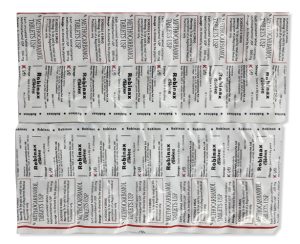
Provide packaging images: 500 mg light orange film‑coated tablet, 750 mg variant and ampoule images for hospital use.
Accessibility note: supply alt text for all images and ensure colour contrast is suitable for users with low vision.
Buying & Storage Advice
In‑Store Vs Online Purchase Tips In Australia
Confirm whether a TGA‑approved local brand is available and whether a prescription is required before completing a purchase.
Use reputable chains such as Chemist Warehouse, Priceline and TerryWhite or accredited online pharmacies for secure supply.
Price‑conscious customers should compare pack sizes and enquire about generics from trusted suppliers like Pfizer, Teva or Sun Pharma.
Storage In Australian Household Conditions (Heat/Humidity)
Store tablets between 15–30°C in the original packaging away from moisture and direct light.
Avoid leaving medication in a hot car trunk or bathroom during hot, humid Australian summers.
Do not refrigerate injectables unless the product label specifies otherwise, and keep ampoules in secure, child‑resistant storage.
- Do: Store at room temperature, keep out of reach of children.
- Don’t: Expose to prolonged high heat or humidity; do not crush or share medication.
Guidelines For Proper Use
Pharmacist Guidance In Australia
Confirm the indication and advise on short‑term duration, review other CNS depressants and document counselling in the patient record.
Check renal and hepatic function where relevant and consider dose reduction in elderly or frail patients.
Reinforce avoidance of alcohol, and counsel that driving or operating machinery is unsafe if drowsy.
Patient Safety Recommendations
- Take exactly as prescribed and do not exceed recommended doses.
- Avoid operating heavy machinery or driving if experiencing drowsiness or dizziness.
- Report any rash, breathing difficulty or severe drowsiness immediately.
- Seek urgent care for overdose signs such as seizure or loss of consciousness.
Referral triggers: persistent pain beyond 72 hours, neurological deficit, suspected fracture or systemic infection.
Provide a printable counselling handout summarising dosing, side effects and follow‑up points for the patient file.
Delivery Across Australia
| City | Region | Delivery Time |
|---|---|---|
| Sydney | New South Wales | 9-14 days |
| Melbourne | Victoria | 9-14 days |
| Brisbane | Queensland | 9-14 days |
| Perth | Western Australia | 9-14 days |
| Adelaide | South Australia | 9-14 days |
| Canberra | Australian Capital Territory | 9-14 days |
| Gold Coast | Queensland | 9-14 days |
| Newcastle | New South Wales | 9-14 days |
| Wollongong | New South Wales | 9-14 days |
| Geelong | Victoria | 9-14 days |
| Hobart | Tasmania | 14-21 days |
| Darwin | Northern Territory | 14-21 days |
| Townsville | Queensland | 14-21 days |
| Cairns | Queensland | 14-21 days |