
Eye Care
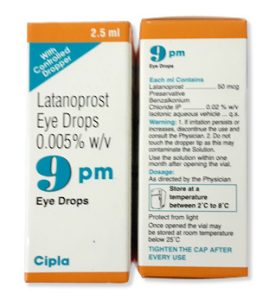
Xalatan
from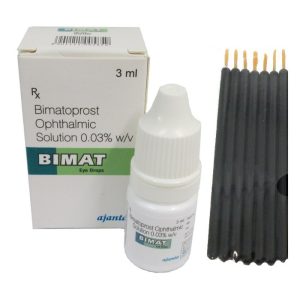
Bimat + Applicators
from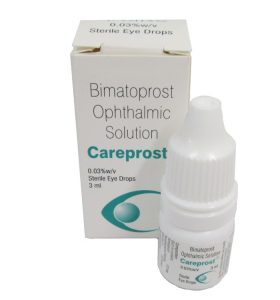
Latisse
from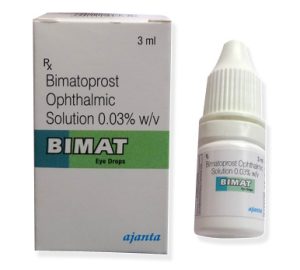
Bimatoprost
fromUnderstanding Common Eye Conditions
Eye health is essential for maintaining quality of life and independence. Common eye conditions affect millions of Australians and can range from minor irritations to serious vision-threatening diseases. Understanding these conditions helps you recognise symptoms early and seek appropriate treatment.
Dry Eye Syndrome occurs when your eyes don’t produce enough tears or when tears evaporate too quickly. This condition causes discomfort, redness, and blurred vision. Symptoms include grittiness, burning sensations, and paradoxically, excessive tearing. Dry eye is particularly common in Australia’s dry climate and among people who spend long hours on digital devices.
Cataracts develop when the eye’s lens becomes cloudy, typically due to ageing, UV exposure, or injury. This leads to blurred vision and difficulty seeing at night. Many Australians experience cataracts as they get older, making early detection crucial for maintaining vision.
Age-related Macular Degeneration (AMD) affects the central vision and is a leading cause of vision loss in older Australians. Early signs include blurred central vision and difficulty recognising faces. Regular eye examinations can help detect AMD in its early stages.
Glaucoma is often called the “silent thief of sight” because it typically has no early symptoms. This condition damages the optic nerve due to increased eye pressure. Without treatment, glaucoma leads to permanent vision loss and blindness.
Eye Drops and Lubricating Solutions
Eye drops are among the most commonly used eye care products in Australia. They provide relief from various eye conditions and help maintain eye moisture and comfort.
Types of Eye Drops
- Artificial Tears are the most popular over-the-counter eye drops for dry eye relief. These solutions mimic natural tears and provide immediate comfort. Common brands available in Australian pharmacies include Refresh, Blink, and Systane, coming in various formulations from standard to preservative-free options for sensitive eyes.
- Antihistamine Eye Drops help relieve itching and redness caused by allergies. Products containing ingredients like ketotifen are widely available without prescription and work quickly to reduce allergic reactions, particularly useful during spring and summer when pollen counts are high.
- Antibacterial Eye Drops treat bacterial eye infections such as conjunctivitis. Chloramphenicol eye drops are commonly prescribed in Australia for bacterial infections and require careful application as directed by your healthcare provider.
- Decongestant Eye Drops reduce redness and provide temporary relief from eye irritation. However, these should not be used long-term as they can cause rebound redness.
- Preservative-free Drops are ideal for people with sensitive eyes or those using drops frequently. Single-use vials ensure sterility and eliminate concerns about preservatives, particularly important for those with compromised corneas or severe dry eye.
Nutritional Supplements for Eye Health
Proper nutrition plays a vital role in maintaining healthy vision and preventing age-related eye diseases. Nutritional supplements can support eye health when dietary intake is insufficient.
Lutein and Zeaxanthin are carotenoids that accumulate in the macula and protect against age-related macular degeneration. These antioxidants filter harmful blue light and reduce oxidative stress. Many Australian supplements combine these with other nutrients for comprehensive eye protection.
Vitamin C and E are powerful antioxidants that protect eye cells from free radical damage. These vitamins may reduce the risk of cataracts and AMD progression, working synergistically when combined in supplement formulations.
Omega-3 Fatty Acids support retinal function and reduce inflammation associated with dry eye syndrome. Fish oil supplements containing EPA and DHA are widely available in Australian health stores and pharmacies, particularly beneficial for people with meibomian gland dysfunction.
Zinc is essential for retinal health and helps transport vitamin A to the eye. This mineral supports the production of protective pigments in the retina and is often included in comprehensive eye health formulas.
Bilberry Extract contains anthocyanins that improve blood circulation to the eyes and enhance night vision. This traditional remedy is increasingly popular in Australia for supporting overall eye function and reducing eye strain.
Contact Lens Care Products
Proper contact lens care is essential for maintaining eye health and extending lens life. Australian pharmacies stock comprehensive ranges of lens care solutions and accessories to suit different needs.
Essential Contact Lens Solutions
- Multipurpose Solutions clean, disinfect, and store contact lenses in one product. These solutions are convenient and effective for daily lens care, with popular brands in Australia including Renu, Alcon, and Bausch & Lomb formulations.
- Saline Solutions rinse and store lenses without disinfecting properties. These are often used as a rinsing agent before insertion and are essential for people with sensitive eyes, providing gentle care with salt-based formulations.
- Protein Removers eliminate protein buildup that accumulates on lens surfaces over time. Weekly or monthly enzymatic cleaning improves lens comfort and vision clarity whilst extending lens lifespan.
- Daily Disposable Lens Solutions are specifically formulated for single-use lenses, gentler than solutions for extended-wear lenses, with many Australians preferring this option for convenience and reduced infection risk.
- Lens Cases are crucial accessories that shouldn’t be overlooked. Cases should be cleaned and replaced regularly to prevent bacterial growth, with microfibre cases helping prevent lens damage.
Allergy and Inflammation Relief
Eye allergies and inflammation cause significant discomfort for many Australians, particularly during high pollen seasons. Various treatment options are available to manage these uncomfortable symptoms.
Antihistamine Tablets provide systemic allergy relief that affects the entire body, including the eyes. Medications like loratadine and cetirizine are available over-the-counter at Australian pharmacies, working well for people with multiple allergy symptoms.
Topical Antihistamines work directly on eye tissue for rapid relief. Prescription options like olopatadine offer stronger action than over-the-counter alternatives, ideal for localised eye allergy symptoms.
Mast Cell Stabilisers prevent allergic reactions before they occur. Sodium cromoglicate is available without prescription and is excellent for preventative use during allergy season, maintaining comfort throughout high pollen periods.
Anti-inflammatory Ointments reduce redness, swelling, and discomfort associated with eye inflammation. Hydrocortisone-based products are available under medical supervision for short-term use.
Cool Compresses offer natural relief alongside medications. Gel eye masks kept in the refrigerator provide soothing comfort, complementing medications without relying solely on pharmaceutical treatments.
Sun Protection and Preventative Care
Protecting your eyes from sun damage is one of the most important preventative measures for long-term eye health. Australia’s intense sunshine makes UV protection particularly critical for all Australians.
UV-Protective Sunglasses block harmful UVA and UVB radiation that causes cataracts and macular degeneration. Quality sunglasses are essential investments in eye health, particularly in Australia’s climate. Look for sunglasses that block 100% of both UV rays.
Protective Eyewear for specific activities prevents injuries and environmental damage. Sports glasses, safety goggles, and computer glasses are all available at Australian retailers, especially important during outdoor activities and workplace hazards.
Blue Light Filters reduce strain from digital device usage. Computer glasses and screen protectors minimise eye fatigue during extended screen time, increasingly important as Australians spend more hours on devices.
Eye Hygiene Products prevent infections and maintain ocular surface health. Eyelid cleansers remove bacteria and debris that cause irritation, particularly important for people prone to infections.
Regular Eye Examinations are the cornerstone of preventative eye care. Optometrists can detect early signs of serious conditions before vision loss occurs. Annual or biennial eye tests are recommended for adults, with more frequent visits for those with existing conditions.