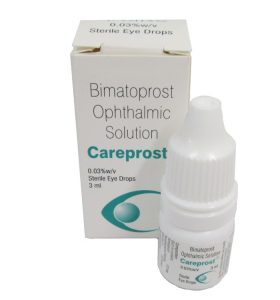
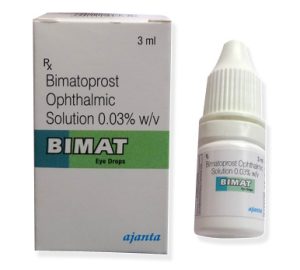
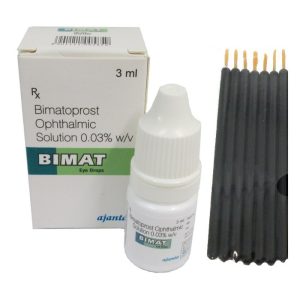
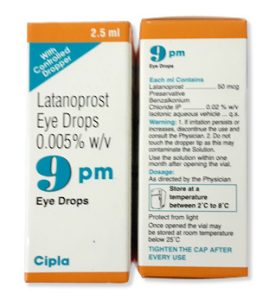
Xalatan
In brief
- Available from pharmacies and online suppliers; Xalatan is a prescription-only medicine in most countries (including US, EU, Japan) though in some local pharmacies or online sources it may be possible to obtain it without a prescription or receipt—check local regulations and pharmacist advice before purchasing.
- Xalatan (latanoprost) is used to lower elevated intraocular pressure in open‑angle glaucoma and ocular hypertension; it is a prostaglandin analogue that increases uveoscleral outflow of aqueous humour, reducing intraocular pressure.
- Usual dose: one drop of 0.005% (0.05 mg/mL) in the affected eye once daily, preferably in the evening; dosing more frequently does not increase efficacy and may reduce the pressure‑lowering effect.
- Administered as topical ophthalmic solution (eye drops) — available as multidose dropper vials (2.5 mL, 5 mL) or preservative‑free single‑dose containers.
- Onset: intraocular pressure reduction typically begins within 3–4 hours after administration, with measurable effects within 24 hours; full effect generally develops over days to weeks.
- Duration of action: effect lasts about 24 hours, which supports once‑daily dosing (maximal effect often reached after 2–4 weeks of continued use).
- Alcohol warning: there is no specific contraindication with moderate alcohol use; excessive alcohol may impair overall health or adherence to treatment—avoid heavy drinking and discuss concerns with your healthcare professional.
- The most common side effect is increased iris pigmentation (and related periocular skin darkening and eyelash changes); conjunctival hyperaemia and mild eye irritation are also commonly reported.
- Would you like to try xalatan without a prescription?
Availability & Price Landscape
Basic Xalatan Information
- INN (International Nonproprietary Name): Latanoprost
- Brand Names Available In Australia: Xalatan; generics of latanoprost from global suppliers such as Sun Pharma and Glenmark; preservative‑free options (Monoprost, Iyuzeh) are available in some regions or via distributors.
- ATC Code: S01EE01
- Forms & Dosages: 0.005% (0.05 mg/mL) ophthalmic solution in 2.5 mL and 5 mL multidose dropper vials, and 0.005% single‑dose preservative‑free containers.
- Manufacturers In Australia: Not specified; global suppliers include Viatris (Xalatan), Théa (Monoprost, Iyuzeh), Glenmark, and Sun Pharma.
- Registration Status In Australia: Not specified.
- OTC / Rx Classification: Prescription only medicine (Rx)
National Pharmacy Chains (Chemist Warehouse, Priceline, TerryWhite)
Can I find latanoprost at major Australian chains such as Chemist Warehouse, Priceline and TerryWhite Chemmart?
Yes — national pharmacy chains commonly stock latanoprost products, usually carrying innovator brands like Xalatan and a range of generics depending on supplier agreements.
Urban stores often keep both 2.5 mL and 5 mL multidose vials in stock, along with information on preservative‑free alternatives where available.
Rural pharmacies may not hold every brand on the shelf but can generally order specific brands or generics on request.
Compare pack sizes when you shop because unit price per mL often makes the 5 mL vial more economical for long‑term use.
Check with the pharmacist about refrigeration and expiry when buying from discount outlets or online retailers.
Online Pharmacy Trends In Australia
Are online pharmacies and telehealth changing access to glaucoma medicines?
Yes — telehealth consultations and e‑prescriptions have increased access to latanoprost across Australia, making it easier to get a repeat supply without an in‑person visit.
Price sensitivity drives many Australians to look for generics or discount retailers, and online listings often allow direct price comparison of Xalatan and generic latanoprost.
Preservative‑free single‑dose products can be harder to find online and may be supplied by specialist distributors.
Be cautious about shipping conditions online, since some suppliers recommend refrigerated storage before opening and careful transport to retain product stability.
Price Ranges By Package Size (PBS Vs Private)
How much will latanoprost cost in Australia?
Costs depend on brand, pack size and whether a PBS subsidy applies to the specific formulation or brand.
Where latanoprost formulation is not PBS‑subsidised, out‑of‑pocket prices vary considerably between Xalatan, generics and preservative‑free options.
Compare unit cost per mL: 2.5 mL vials will cost less up front but a 5 mL vial typically gives a lower cost per mL for long‑term therapy.
Preservative‑free single‑dose containers are usually more expensive per mL than multidose vials and may not be PBS listed.
Unit price comparison helps patients choose a cost‑effective option when clinically appropriate.
Patient Insights & Satisfaction Levels
Forum Reviews (ProductReview, Aussie Health Forums)
What do Australians say about latanoprost online?
Patient reviews on ProductReview and local health forums commonly praise latanoprost for once‑daily dosing and meaningful IOP reduction.
Many users comment that Xalatan and generics are easier to manage than older multiple‑dose regimens.
Forum posts frequently contrast efficacy with cosmetic effects such as eyelash growth and periocular darkening.
Patients sensitive to preservatives often report better comfort with preservative‑free Monoprost or single‑dose Iyuzeh where available.
Reported Benefits And Issues From Australian Patients
Is latanoprost well tolerated by most people?
Yes — common satisfaction drivers are ease of administration, once‑daily dosing and stable intraocular pressure control.
Recurring issues in feedback include mild burning on instillation, transient blurred vision and local cosmetic changes like eyelash growth and iris pigmentation.
Patients in rural areas often mention access delays and concerns about cold‑chain shipping for refrigerated stock.
Practical patient tips collected from forums include storing unopened vials in the fridge, using written dosing schedules and asking pharmacists about switching brands if irritation occurs.
- Store unopened vials refrigerated and note expiry dates.
- Apply drops at night and keep a dosing chart to avoid missed doses.
- If irritation persists, discuss preservative‑free options with your pharmacist.
Product Overview & Brand Variants
INN And Brand Names In Australia
What is the active ingredient in Xalatan?
The International Nonproprietary Name is latanoprost, a prostaglandin analogue used to reduce elevated intraocular pressure in open‑angle glaucoma and ocular hypertension.
Globally marketed names include Xalatan from Viatris, Monoprost and Iyuzeh from Théa, and multiple generics from Sun Pharma and Glenmark.
In practice, Australian clinicians prescribe branded Xalatan and generics; preservative‑free options may be supplied by distributors or special order.
Legal Classification (TGA‑Approved)
Is latanoprost regulated in Australia?
Latanoprost formulations are prescription‑only medicines and are subject to therapeutic goods regulation under TGA standards for quality, safety and efficacy.
Check the ARTG entry and sponsor labelling for the exact approved indications and local registration details for a specific brand.
When listing product options for customers, include brand, pack size and preservative status so buyers can make informed choices.
Indications In Local Medical Practice
Approved Uses By TGA
What is latanoprost approved to treat?
TGA approvals align with international indications for the reduction of elevated intraocular pressure in open‑angle glaucoma and ocular hypertension.
The standard recommended dose is one drop of 0.005% latanoprost in the affected eye once daily, with evening administration generally preferred.
Dosing more frequently does not increase efficacy and may reduce the pressure‑lowering effect.
Off‑Label Patterns In Australian Clinics
Are there off‑label uses Australians should know about?
Off‑label use is uncommon but may include specialist‑managed paediatric glaucoma cases where data are limited for under‑18s.
Ophthalmologists sometimes combine latanoprost with other agents if monotherapy does not achieve target IOP.
Pharmacists should highlight that dose increases are not advised and that specialist review is needed for paediatric or high‑risk patients.
How It Works In The Body
Layman’s Explanation
How does latanoprost lower eye pressure?
Latanoprost is an eye drop that increases drainage of fluid from the eye via the uveoscleral pathway, which lowers intraocular pressure and helps prevent optic nerve damage over time.
Most patients will not feel an immediate pressure change; benefit is seen on clinical measurement with regular eye tests.
Clinical Detail
What is the pharmacological mechanism?
Latanoprost is a prostaglandin F2α analogue that enhances uveoscleral outflow to reduce IOP.
Onset of action occurs within hours and maximal effect is generally reached after several weeks of consistent nightly use.
Systemic absorption is minimal, so systemic adverse events are uncommon, while local ocular effects such as iris pigmentation and eyelash growth are well recognised.
| Feature | Detail |
|---|---|
| Mechanism | Prostaglandin F2α analogue; increases uveoscleral outflow |
| Onset | Within hours |
| Peak Effect | Several weeks of consistent dosing |
| Systemic Absorption | Minimal |
Dosage & Administration
Standard Regimens
What is the usual dosing schedule?
The standard regimen is one drop of 0.005% latanoprost in the affected eye(s) once daily, preferably in the evening.
Dosing more than once daily does not increase efficacy and may attenuate the IOP‑lowering response.
Instil a single drop into the conjunctival sac, close the eye for 60 seconds and blot away excess.
Adjustments By Patient Type (Elderly, Chronic Conditions)
Are dose changes needed for elderly patients or those with chronic disease?
No routine dose adjustment is required for elderly patients, but use in children is supported only under specialist guidance due to limited data for those under 18.
Patients with severe ocular surface disease may benefit from preservative‑free options such as Monoprost or Iyuzeh.
Aphakic or pseudophakic patients and those with active uveitis need specialist assessment because of an increased risk of macular oedema or inflammation.
- Instillation checklist: tilt head back, pull down lower lid, instil one drop, close eye for 60 seconds, wait five minutes before other eye drops.
Contraindications & Side Effects
Common
Who should not use latanoprost?
Absolute contraindication is known hypersensitivity to latanoprost or any component of the formulation.
Common local side effects include conjunctival hyperaemia, mild burning or stinging on instillation, eyelash growth and periocular skin darkening.
Increased iris pigmentation is a recognised and usually permanent change in some patients.
Rare But Serious (Australian Safety Data)
What serious risks should patients report?
Uncommon but serious events include uveitis and macular oedema, especially in aphakic eyes or pseudophakic eyes with a torn posterior capsule.
Patients with a history of herpetic keratitis should consult a specialist before using latanoprost.
Advise immediate reporting for sudden visual changes, severe eye pain or signs of infection.
| Side Effect | Frequency | Management |
|---|---|---|
| Iris Pigmentation | Common | Discuss cosmetic impact; often permanent |
| Conjunctival Hyperaemia | Common | Usually mild; monitor and reassess |
| Macular Oedema | Uncommon | Stop drug and refer urgently to ophthalmology |
| Uveitis | Uncommon | Cease therapy and refer to specialist |
Comparable Medicines
Alternatives Table (PBS And Non‑PBS)
| Active Ingredient | Example Brand | Preservative Status | Typical Pack Size | PBS Listed |
|---|---|---|---|---|
| Latanoprost | Xalatan / Generics | Multidose (preserved) and single‑dose preservative‑free | 2.5 mL, 5 mL, single‑dose packs | Varies by formulation |
| Bimatoprost | Lumigan | Multidose | 2.5 mL, 5 mL | Varies |
| Travoprost | Travatan Z | Alternative preservative system | 2.5 mL, 5 mL | Varies |
| Tafluprost | Saflutan | Preservative‑free | Single‑dose packs | Varies |
Pros And Cons List
Latanoprost (Xalatan, generics) — Pro: long track record and once‑daily dosing.
Latanoprost (Xalatan, generics) — Con: cosmetic pigment changes and possible periocular darkening.
Bimatoprost — Pro: may give slightly stronger IOP reduction in some patients.
Bimatoprost — Con: more pronounced eyelash growth and potential ocular irritation.
Travoprost/Tafluprost — Pro: alternative preservatives or preservative‑free options that can improve tolerability for sensitive eyes.
Choice depends on clinical response, side‑effect profile, PBS subsidy and patient preference.
Current Research & Trends
Major Studies 2022–2025 (Australia + International)
What are recent research themes for latanoprost?
Recent studies from 2022 to 2025 focus on tolerability differences between branded and generic latanoprost and the benefits of preservative‑free formulations for ocular surface health.
Comparative trials typically show similar IOP reduction across generics and innovator products but report variability in tolerability related to preservatives.
Single‑dose preservative‑free trials for products such as Iyuzeh and Monoprost report improved ocular surface comfort in sensitive patients.
Emerging Product Trends (Preservative‑Free, Delivery Systems)
What product trends should patients expect?
Preservative‑free vials are increasingly adopted for patients with dry eye or sensitivity to preservatives.
Research continues into sustained‑release delivery systems and implants that may reduce the need for daily drops in future.
Pharmacoeconomic work examines PBS listing impacts and how discount retailers influence adherence and overall treatment costs.
Common Patient Questions
Q: Can I buy latanoprost without a prescription?
A: No — latanoprost is prescription‑only under TGA rules, though our online pharmacy lists xalatan available without a prescription with discreet delivery to Australia in 9‑21 days for convenience in some circumstances.
Q: How quickly does it work?
A: Some IOP lowering occurs within hours, but maximal effect is typically seen after several weeks of nightly use.
Q: What if I miss a dose?
A: Use the drop when you remember the same day, but skip if close to the next dose and do not double up.
Q: Does latanoprost need refrigeration?
A: Store unopened vials at 2–8°C (refrigerate). After opening, most products can be kept below 25°C and should be discarded after 4–6 weeks; check the local label for exact advice.
Q: Which brand is best?
A: Brand choice depends on tolerability, cost and preservative sensitivity — discuss options with your pharmacist or ophthalmologist.
Regulatory Status
TGA Approval
Is latanoprost approved by Australian regulators?
All latanoprost formulations are regulated as prescription ophthalmic medicines under TGA quality and safety standards.
For brand‑specific registration and sponsor details refer to ARTG listings for Xalatan and any generics or preservative‑free variants.
PBS Subsidy Details
Does the PBS subsidise latanoprost?
PBS subsidy status varies by active ingredient, brand and combination products; some prostaglandin analogues or specific formulations may be listed while others, particularly branded preservative‑free preparations, may not be.
Non‑listed products will incur full private‑pay costs; check with the prescriber about Authority requirements or special access pathways if cost is a concern.
Visual Recommendations
Which visual assets help customers choose the right product?
Recommended infographic blocks include a pack comparison table showing brand, preservative status, pack size and unit price per mL.
A storage timeline graphic helps patients remember refrigeration before opening and discard timelines after opening.
An instillation step‑by‑step diagram showing head position, pull lower lid, single drop, close and wait five minutes improves correct use.
Include a pharmacy access map or quick links to major retailers such as Chemist Warehouse, Priceline and TerryWhite Chemmart and to telehealth/e‑script options.
Always provide alt text for accessibility and use TGA/PBS badges where applicable.
Buying & Storage Advice
In‑Store Vs Online Purchase Tips In Australia
How should Australians buy latanoprost safely and cost‑effectively?
Confirm prescription validity before purchase; telehealth e‑scripts are widely accepted across Australian pharmacies.
Compare unit price between 2.5 mL and 5 mL vials and ask the pharmacist about preservative‑free options if you have dry eye or sensitivity.
For rural buyers check shipping conditions and cold‑chain handling, since some suppliers recommend refrigeration prior to opening.
Discount pharmacies can be cost‑effective but always verify batch number, storage history and expiry dates at point of supply.
Note: our online pharmacy lists xalatan with discreet delivery across Australia in 9‑21 days for eligible orders.
Storage In Australian Household Conditions (Heat/Humidity)
How should latanoprost be stored at home in Australian climates?
Store unopened bottles in the fridge at 2–8°C and protect from light.
After opening, keep below 25°C and out of direct sunlight and discard after 4–6 weeks per product labelling.
In hot Australian summers avoid leaving drops in parked cars or direct sunlight and use insulated packaging for long transit.
- Do: refrigerate unopened vials and check expiry before use.
- Don’t: expose opened vials to heat or sunlight, or use beyond the discard period on the label.
Guidelines For Proper Use
Pharmacist Guidance In Australia
What should pharmacists advise at dispensing?
Confirm diagnosis and current eye medications and demonstrate proper instillation technique during counselling.
Advise patients to wait five minutes between different topical eye drops and to store unopened bottles refrigerated.
Discuss expected effects and cosmetic changes such as iris pigmentation and eyelash growth so patients know what to expect.
Encourage routine ophthalmology follow‑up for IOP monitoring and ocular health checks.
Patient Safety Recommendations
What safety warnings should be emphasised?
Instruct patients to report acute vision changes, severe eye pain or signs of infection immediately and to stop the drops pending urgent review if these occur.
Liaise with prescribers for patients with severe asthma or a history of herpetic eye disease before supply.
Provide a pharmacist counselling checklist that covers instillation, storage, expected side effects and when to seek urgent care.
Delivery Across Australia
| City | Region | Delivery Time |
|---|---|---|
| Sydney | New South Wales | 9‑14 days |
| Melbourne | Victoria | 9‑14 days |
| Brisbane | Queensland | 9‑14 days |
| Perth | Western Australia | 9‑14 days |
| Adelaide | South Australia | 9‑14 days |
| Canberra | Australian Capital Territory | 9‑14 days |
| Hobart | Tasmania | 9‑14 days |
| Darwin | Northern Territory | 9‑14 days |
| Gold Coast | Queensland | 9‑14 days |
| Newcastle | New South Wales | 9‑14 days |
| Wollongong | New South Wales | 9‑14 days |
| Geelong | Victoria | 9‑14 days |
| Townsville | Queensland | 14‑21 days |
| Cairns | Queensland | 14‑21 days |
| Bunbury | Western Australia | 14‑21 days |