
COVID-19
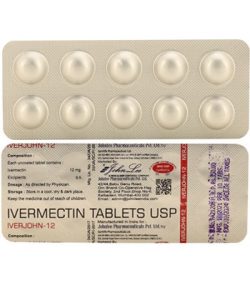
Ivermectin
from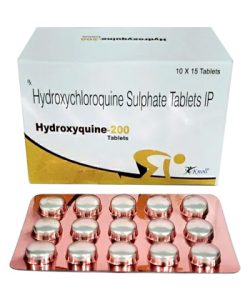
Hydroxychloroquine
from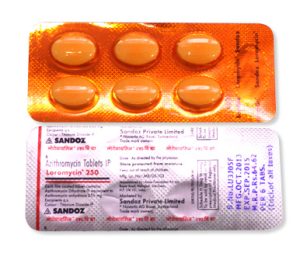
Zithromax
from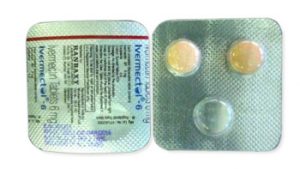
Stromectol
from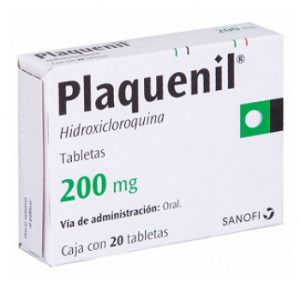
Plaquenil
from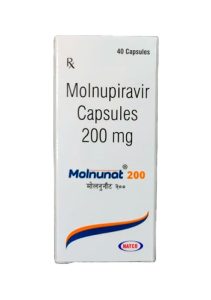
Lagevrio
from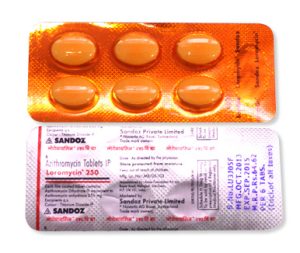
Azithromycin
fromUnderstanding COVID-19: Symptoms and Testing
COVID-19 is a respiratory illness caused by the SARS-CoV-2 virus that emerged in late 2019. The disease has affected millions of people worldwide and remains an important health consideration in Australia. Understanding the symptoms and getting tested promptly are crucial steps in managing the virus.
Common symptoms of COVID-19 include fever, cough, fatigue, loss of taste or smell, and difficulty breathing. Some people experience mild symptoms, while others may develop severe illness requiring hospitalisation. Many individuals are asymptomatic, meaning they carry the virus without showing any signs.
Testing for COVID-19 is widely available across Australia through pathology clinics, hospitals, and accredited testing centres. Rapid antigen tests (RATs) provide quick results at home, whilst PCR tests offer greater accuracy and are often recommended for confirmatory purposes. Testing is particularly important if you’ve been exposed to the virus or are experiencing symptoms.
Early detection through testing allows individuals to seek appropriate medical advice and take precautions to prevent transmission to others. If you test positive, it’s essential to isolate and consult with a healthcare provider about your specific circumstances.
Prevention and Vaccination
Vaccination remains one of the most effective ways to protect against COVID-19 in Australia. The Australian Immunisation Handbook recommends COVID-19 vaccination for all eligible individuals. Multiple vaccines are approved for use in Australia, including Pfizer, Moderna, AstraZeneca, and Novavax options.
Vaccination provides strong protection against severe illness, hospitalisation, and death. Most people receive a primary course of two doses, with booster shots recommended for certain groups or based on updated health advice. The vaccine rollout has been key to managing COVID-19 across the country.
Beyond vaccination, other preventative measures remain important:
- Regular hand hygiene and washing hands frequently throughout the day
- Respiratory etiquette by covering coughs and sneezes with a tissue or elbow
- Maintaining good ventilation in indoor spaces
- Wearing masks in healthcare settings or when immunocompromised during high transmission periods
- Staying informed about current COVID-19 levels in your local area
Staying informed about current COVID-19 levels in your area helps guide decision-making about preventative measures. The Australian Government Department of Health provides regular updates on vaccination programs and public health advice.
Over-the-Counter Medications for Symptom Relief
Many Australians manage mild to moderate COVID-19 symptoms at home using readily available over-the-counter medications. These products help alleviate common discomforts whilst the body’s immune system fights the infection.
Paracetamol, known as acetaminophen internationally, is widely available under brands such as Panadol and is effective for reducing fever and pain associated with COVID-19. The standard dose for adults is typically 500–1000 mg every 4–6 hours, not exceeding 4000 mg daily. Always follow the packaging instructions carefully.
Ibuprofen, available as Nurofen and other brands, is a non-steroidal anti-inflammatory drug (NSAID) that can help reduce fever and inflammation. Adults usually take 200–400 mg every 4–6 hours as needed. It’s important not to exceed the maximum daily dose without medical advice.
Cough suppressants containing dextromethorphan are available in products like Robitussin and help manage persistent coughs. Throat lozenges with menthol or honey provide soothing relief for sore throats. Decongestants containing pseudoephedrine may help with nasal congestion, though they’re not suitable for everyone.
When using any over-the-counter medication, always read the label carefully, check for interactions with other medicines you’re taking, and consult a pharmacist if you’re unsure. Never exceed recommended doses, and stop use if side effects occur.
Prescription Antivirals and Medical Treatments
For individuals at higher risk of severe COVID-19, prescription antiviral medications may be recommended. These treatments work best when started early in the illness, ideally within the first few days of symptom onset.
Paxlovid (nirmatrelvir/ritonavir) is an oral antiviral combination approved for use in Australia for eligible patients. It has demonstrated effectiveness in reducing the risk of hospitalisation and severe illness in high-risk groups. Paxlovid requires a prescription and must be dispensed by a qualified pharmacist.
Lagevrio (molnupiravir) is another oral antiviral option available in Australia for certain eligible patients. It works by introducing errors into the viral genome, reducing the virus’s ability to replicate. This medication is also prescription-only and subject to specific eligibility criteria.
Sotrovimab is a monoclonal antibody treatment administered via infusion for high-risk patients. It provides passive immunity by directly targeting the SARS-CoV-2 virus. This treatment is typically given in hospital or clinic settings.
Remdesivir is an intravenous antiviral used primarily in hospitalised patients with severe COVID-19. It has shown benefits in reducing recovery time and improving outcomes in moderate to severe cases.
Eligibility for these treatments depends on factors including age, underlying health conditions, and immunocompromised status. Your healthcare provider will determine which treatment, if any, is appropriate for your situation.
Managing Long COVID and Ongoing Support
Some individuals experience prolonged symptoms after acute COVID-19 infection, a condition known as long COVID or post-COVID-19 condition. Symptoms may include fatigue, shortness of breath, brain fog, and persistent pain lasting weeks or months after initial infection.
Managing long COVID requires a multifaceted approach. Gradual increase in physical activity, rest, and pacing of activities are important strategies. Many healthcare providers recommend a “graded exercise approach” where activity levels are increased slowly based on individual tolerance.
Mental health support is equally important, as long COVID can significantly impact quality of life and emotional wellbeing. Counselling, cognitive behavioural therapy, and support groups are available across Australia to help individuals cope with the psychological effects.
Healthcare providers may recommend various treatments depending on specific symptoms. These might include pain management options, respiratory physiotherapy, or cognitive rehabilitation. Multidisciplinary clinics specialising in long COVID have been established in many Australian states to provide comprehensive care.
Nutritional support and maintaining overall wellness through adequate sleep, stress management, and social connection contribute to recovery. Many people find benefit from working with healthcare professionals to develop individualised management plans.
When to Seek Medical Help and Resources
Knowing when to seek medical attention for COVID-19 is important for ensuring appropriate care. If you experience severe symptoms, it’s essential to contact emergency services immediately.
Seek urgent medical care if you experience difficulty breathing, persistent chest pain or pressure, confusion, inability to wake or stay awake, or bluish lips or face. These signs indicate potentially severe COVID-19 requiring immediate hospital assessment.
Contact your GP or call the Coronavirus Helpline (1800 020 080) if you have concerns about your symptoms or need advice on testing, isolation, or treatment options. Telehealth consultations are widely available for convenient access to healthcare advice.
The Australian Government Department of Health website provides comprehensive information about COVID-19, including vaccine information, current advice, and links to support services. State health departments also provide region-specific guidance and resources.
Pharmacists across Australia are valuable resources for COVID-19 questions, over-the-counter medication advice, and vaccination information. Visit your local pharmacy for professional guidance tailored to your individual circumstances.
Isolation guidelines have been updated based on current evidence. Generally, people with COVID-19 should isolate for a minimum period and until symptoms improve significantly. Check current advice from the Department of Health for the most up-to-date isolation recommendations.