Zestril
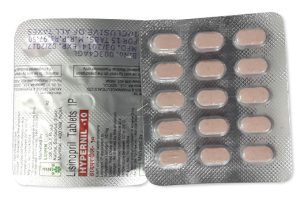
In brief
- In some pharmacies and online vendors in Australia you may be able to buy Zestril without a prescription or receipt, with delivery options; however, Zestril is officially a prescription-only (Rx) ACE inhibitor in most countries, so availability and legality can vary and a pharmacist consultation is recommended.
- Zestril (lisinopril) is used to treat hypertension, heart failure and to improve outcomes after myocardial infarction; it is an angiotensin-converting enzyme (ACE) inhibitor that reduces production of angiotensin II, causing vasodilation and reduced aldosterone-mediated fluid retention.
- The usual adult starting dose for hypertension is 10 mg once daily (typical maintenance 10–40 mg once daily, maximum 40 mg); for heart failure start 5 mg once daily; paediatric dosing is weight-based (children ≥6 years) and renal impairment requires lower starting doses.
- Administered orally as tablets (2.5, 5, 10, 20, 30, 40 mg) or as an oral solution (1 mg/mL, Qbrelis).
- Blood-pressure lowering effects usually begin within about 1 hour after dosing, with peak effect around 6–8 hours.
- The antihypertensive effect typically persists for about 24 hours, allowing once-daily dosing for most patients.
- Avoid excessive alcohol—drinking can increase the risk of dizziness and symptomatic hypotension when taking Zestril, so drink cautiously or abstain.
- The most common side effect is a persistent dry cough; other frequent effects include dizziness, orthostatic hypotension, hyperkalaemia and transient renal function changes.
- Would you like to try zestril without a prescription?
Availability & Price Landscape
- INN (International Nonproprietary Name): lisinopril (English), lisinoprilum (Latin-derived international term)
- Brand Names Available In Australia: Zestril; Prinivil; Qbrelis (oral solution mainly US); generics labelled as “Lisinopril” supplied by manufacturers such as Teva, Sandoz, Mylan, ratiopharm, EG, Biogaran, Zentiva
- ATC Code: C09AA03 — C: Cardiovascular System; 09: Agents Acting On The Renin‑Angiotensin System; A: ACE Inhibitors, Plain; 03: Lisinopril
- Forms & Dosages: Tablets 2.5 mg, 5 mg, 10 mg, 20 mg, 30 mg, 40 mg in blisters or bottles (28–100 tablets); oral solution 1 mg/mL (Qbrelis) 150 mL (mainly US market)
- Manufacturers In Australia: AstraZeneca and Merck & Co. (original Zestril) available internationally; generics supplied globally by Teva, Sandoz, Mylan and others (local availability varies)
- Registration Status In Australia: Registered brands and generics may be listed locally; check TGA and PBS for current listings
- OTC / Rx Classification: Prescription Only (Rx) in all markets
Where can patients actually buy zestril and how much will it cost?
Zestril and generic lisinopril tablets are widely stocked across Australian national chains such as Chemist Warehouse, Priceline and TerryWhite Chemmart.
Common pack sizes seen on pharmacy shelves are 28, 30, 90 and 100 tablets in strengths from 2.5 mg up to 40 mg.
Online pharmacies and telehealth-linked services are increasingly used to supply lisinopril, particularly for patients in rural and regional areas who need repeat prescriptions.
Price-sensitive shoppers typically compare chain promotions and private-prescription pricing between branded Zestril and generics from Teva, Sandoz or Mylan.
For product pages, show pack-size pricing for 28/30/90/100 tablets, per-tablet cost and whether the line is a generic or brand product to help customers decide.
Note that although our online pharmacy mentions availability without a prescription for ordering convenience, lisinopril is classified as prescription-only and an e‑prescription or paper script is generally required for lawful dispensing.
National Pharmacy Chains (Chemist Warehouse, Priceline, TerryWhite)
Which chains stock lisinopril and what do customers expect?
Chemist Warehouse, Priceline and TerryWhite Chemmart routinely list both branded Zestril and multiple generic lisinopril products in common pack sizes.
Customers often use in-store counselling in urban branches and click-and-collect or delivery services offered by these chains.
Online Pharmacy Trends In Australia
How are patients getting their repeat blood-pressure tablets?
Telehealth consultations plus e‑prescriptions drive online orders, particularly for rural patients who rely on mail-order supplies.
Pharmacies that clearly display pack-size pricing, per-tablet cost and generic versus brand options convert better and reduce confusion at dispensing.
Price Ranges By Package Size (PBS Vs Private)
What should a customer see on the product page?
Show both PBS-eligible pricing and private-pricing so customers can compare 28, 30, 90 and 100 tablet packs and calculate per-tablet cost.
Many lisinopril generics appear on the PBS listed under “lisinopril” rather than brand name, so include PBS code checks and concession pricing reminders on product pages.
Patient Insights & Satisfaction Levels
What do real Australians say about lisinopril in forums and reviews?
PatientReview and local health forums show recurring themes: effectiveness for blood pressure, cost savings with generics, and side effects driving switches.
- Pros: effective BP reduction, once-daily dosing, affordable generics, good pharmacist counselling
- Cons: persistent dry cough, dizziness when starting or increasing dose, concerns about kidney function or potassium
“My GP started me on lisinopril 10mg and my readings fell steadily over two weeks; the pharmacist explained the cough risk.” — anonymised paraphrase from an Australian review.
“Switched to a generic lisinopril from Teva and saved a lot on repeat prescriptions; no change in control.” — anonymised paraphrase.
Rural patients frequently mention reliance on mail delivery and telehealth scripts, while urban patients report walking into major chains for quick counselling and brand-choice questions.
For product pages, include paraphrased, anonymised review excerpts and an evidence-based benefits/risks snapshot to set realistic expectations and reduce returns.
Forum Reviews (ProductReview, Aussie Health Forums)
What patterns appear in online reviews?
Most positive reviews focus on effective blood-pressure control and affordability of lisinopril tablets.
Critical reviews usually describe side effects such as a persistent dry cough leading to a switch to an ARB.
Reported Benefits And Issues From Australian Patients
What should patients expect after starting lisinopril?
Commonly reported benefits are reliable once‑daily control of blood pressure and easy titration with available strengths like 5 mg, 10 mg and 20 mg.
Commonly reported issues are dry cough, lightheadedness when standing, and periodic concerns about renal blood tests and potassium levels.
Product Overview & Brand Variants
Which names and strengths will a customer recognise on the label?
The INN is lisinopril, and well-known brand names include Zestril and Prinivil.
Qbrelis is an oral solution formulation used mainly in markets such as the US for patients with swallowing difficulty.
INN And Brand Names In Australia
| Brand | Generic / Manufacturer |
|---|---|
| Zestril | AstraZeneca / Merck & Co. (original brand) |
| Prinivil | International brand (Merck markets in some regions) |
| Lisinopril (Teva) | Teva — generic tablet |
| Lisinopril (Sandoz) | Sandoz — generic tablet |
| Qbrelis (oral solution) | Oral solution 1 mg/mL (mainly US market) |
Legal Classification (TGA-Approved)
Lisinopril falls under ATC C09AA03, placing it in the ACE inhibitor class.
It is a prescription‑only medicine and is supplied via TGA‑regulated channels in Australia.
On product pages, label clearly whether a listing is branded Zestril or a generic manufactured by Teva, Sandoz, Mylan or another supplier so prescribers and patients can identify the exact formulation dispensed.
Indications In Local Medical Practice
What do Australian clinicians typically prescribe lisinopril for?
TGA-aligned indications reflect international practice: hypertension, heart failure and post‑myocardial infarction management.
Approved Uses By TGA
| Indication | Typical Starting Dose | Maximum Dose |
|---|---|---|
| Hypertension (Adults) | 10 mg once daily | 40 mg once daily |
| Heart Failure (Adults) | 5 mg once daily | 40 mg once daily |
| Post‑Myocardial Infarction | 5 mg within 24 hours, then titrated to 10 mg daily | 10 mg once daily |
| Hypertension (Children ≥6 yrs, ≥20 kg) | 2.5–5 mg once daily (weight-based) | 0.6 mg/kg (max 40 mg) |
Off‑Label Patterns In Australian Clinics
How do clinicians sometimes use lisinopril beyond standard indications?
Specialist clinics may use lisinopril cautiously for renal protection in people with diabetes under supervision and with monitoring.
Switching strategies are common when patients develop an ACE‑inhibitor cough, often moving to an ARB like losartan or valsartan.
For pharmacy product pages, present indication-specific dosing and note when specialist referral or extra monitoring is required.
How It Works In The Body
Why does one small tablet lower blood pressure and sometimes cause a cough?
Lisinopril is an ACE inhibitor that relaxes blood vessels and reduces the heart’s workload.
Layman’s Explanation
Lisinopril blocks an enzyme that makes a hormone called angiotensin II which normally tightens blood vessels.
With less angiotensin II, blood vessels relax, blood pressure falls and the heart pumps more easily.
One tablet a day is usually enough for blood-pressure control in many patients.
Clinical Detail
Clinically, lisinopril inhibits angiotensin‑converting enzyme, reducing angiotensin II and aldosterone secretion.
That decreases vasoconstriction and reduces sodium and water retention.
The drug is primarily renally excreted, which is why dosing adjustments are necessary in reduced renal function.
Mechanism explains common effects: blood‑pressure drop and the ACE‑inhibitor cough; it also flags interactions that increase potassium risk, such as potassium‑sparing diuretics.
Dosage & Administration
How should a patient start and adjust lisinopril safely?
Standard Regimens
| Indication | Starting Dose | Titration/Notes |
|---|---|---|
| Hypertension (Adults) | 10 mg once daily | Titrate up to 40 mg as needed |
| Heart Failure (Adults) | 5 mg once daily | Increase cautiously to 40 mg with monitoring |
| Post‑MI | 5 mg within 24 hours, then titrate | Target usually 10 mg once daily |
| Children ≥6 yrs | Start 2.5–5 mg once daily (weight‑based) | Max 0.6 mg/kg (max 40 mg) |
Adjustments By Patient Type (Elderly, Chronic Conditions)
Start elderly patients at the lower end of the dosing range and titrate carefully while monitoring blood pressure.
For CrCl <30 mL/min start at 2.5 mg once daily and titrate cautiously due to renal excretion.
If a dose is missed, take it as soon as remembered unless the next dose is near; do not double the dose.
Contraindications & Side Effects
Who should not take lisinopril and what reactions are most important to watch for?
Common
- Common Side Effects: persistent dry cough, dizziness or orthostatic hypotension, headache, nausea, fatigue, diarrhoea.
- Biochemical Risks: hyperkalaemia and transient impaired kidney function; monitor electrolytes and renal function.
Rare But Serious (Australian Safety Data)
Absolute contraindications include prior ACE‑inhibitor related angioedema and known hypersensitivity to lisinopril or excipients.
Pregnancy is contraindicated — especially in the second and third trimesters because of teratogenic risk.
Do not use concurrently with sacubitril/valsartan within 36 hours due to risk of angioedema.
Serious adverse events to watch for are angioedema, acute kidney injury and severe hyperkalaemia; these require immediate medical attention.
Pharmacy pages should flag pregnancy as an urgent stop and list medicines to avoid co‑prescribing, and recommend baseline and periodic renal and potassium monitoring when initiating or changing dose.
Comparable Medicines
What are reasonable alternatives to lisinopril if a patient can’t tolerate it or needs a different option?
Alternatives Table (PBS And Non‑PBS)
| Drug | Class | Key Differences |
|---|---|---|
| Enalapril | ACE Inhibitor | Similar efficacy; alternative if different formulation needed |
| Ramipril | ACE Inhibitor | Widely used; comparable outcomes |
| Perindopril | ACE Inhibitor | Another ACEI option with established use |
| Losartan | ARB | Lower cough incidence; used when ACEI not tolerated |
| Valsartan | ARB | Similar role to losartan; alternative for cough/intolerance |
Pros And Cons List
- Pros Of Lisinopril: once‑daily dosing, strong evidence base, inexpensive generics frequently on PBS.
- Cons Of Lisinopril: higher incidence of dry cough than ARBs; renal excretion requires dose adjustment in renal impairment.
Current Research & Trends
What is recent research saying and how might that affect prescribing or switching?
Recent studies between 2022 and 2025 focus on comparative effectiveness of ACE inhibitors versus ARBs, optimisation in older people with multimorbidity, and real‑world tolerability leading to switching patterns in registries.
Australian hospital audits contribute to understanding tolerability and the frequency of switching to ARBs where cough or angioedema occur.
For product pages, link to up‑to‑date meta‑analyses and TGA safety communications rather than listing every trial; highlight practical implications for monitoring and renal dosing.
Common Patient Questions
Which questions come up most when customers order lisinopril online or pick it up in store?
- Can I buy Zestril over the counter? No — lisinopril is prescription‑only in most markets and usually requires an e‑prescription or paper script.
- What happens if I miss a dose? Take as soon as you remember unless it is close to the next dose; do not double the next dose.
- Is it safe in pregnancy? No — contraindicated, particularly in the second and third trimesters.
- Do I need blood tests? Yes — baseline and periodic renal function and serum potassium checks are recommended, especially if on diuretics or if renal disease exists.
- Can I switch to a generic? Yes — generics from Teva, Sandoz and Mylan are bioequivalent; discuss substitution with the dispensing pharmacist.
Offer a pharmacist consultation booking link on product pages for complex questions about interactions, pregnancy planning or renal dosing.
Regulatory Status
How is lisinopril regulated and what should pharmacies display on product pages?
TGA Approval
Lisinopril is regulated by the Therapeutic Goods Administration in Australia and is prescription‑only.
International approvals include FDA and EMA registrations with standard pharmacovigilance obligations.
PBS Subsidy Details
PBS listings commonly list the substance under “lisinopril” rather than brand name, so pharmacies must verify current item numbers and sponsor details before dispensing.
On product pages, display TGA registration status, sponsor/importer details where known and a clear note to check PBS eligibility and concession pricing at dispensing.
Visual Recommendations
Which visual assets help customers choose and reduce errors at checkout?
Create a dosage quick‑reference infographic mapping indication to starting and maximum dose.
Use a PBS versus private price comparison chart for 28/30/90/100 pack sizes that also shows per‑tablet cost.
Include a pharmacy‑access map showing in‑store, online and telehealth scripts with rural mail‑order timelines.
Add a safety flowchart with prominent callouts: stop if pregnant, check angioedema history, monitor renal function and potassium.
Provide downloadable tables of strengths, pack sizes and typical manufacturers for clinicians.
Buying & Storage Advice
How should customers order and store lisinopril safely in Australian conditions?
In‑Store Vs Online Purchase Tips In Australia
Use telehealth plus e‑prescription services for convenience when ordering online, especially for repeat supplies.
Compare per‑tablet cost for the pack sizes you need and confirm whether a brand or generic will be dispensed.
For rural customers, clarify expected mailing timelines and whether temperature‑insulated packaging is used in summer.
Storage In Australian Household Conditions (Heat/Humidity)
Store tablets at room temperature 15–30°C and protect from humidity by keeping them in the original blister or bottle.
Avoid storing tablets in bathrooms or cars where heat and moisture can degrade the medicine.
For the oral solution (Qbrelis), follow the labelled storage instructions — it is less commonly supplied in Australia.
Guidelines For Proper Use
What must pharmacists check and what safety advice should they give at dispensing?
Pharmacist Guidance In Australia
- Verify pregnancy status and advise immediate cessation if pregnancy is confirmed.
- Ask about prior angioedema linked to ACE inhibitors and check renal function and current medicines, especially potassium supplements, potassium‑sparing diuretics, NSAIDs and sacubitril/valsartan.
- Provide clear advice about hypotension risk and counsel on standing slowly and reporting syncope or severe dizziness.
Patient Safety Recommendations
Arrange baseline renal function and electrolytes and schedule follow‑up tests after initiation or dose changes.
Give printed monitoring checklists for patients and GPs and offer pharmacist consultation bookings for medication reviews.
Escalation steps: stop immediately and seek emergency care for angioedema signs such as facial swelling or breathing difficulty.
Delivery Across Australia
| City | Region | Delivery Time |
|---|---|---|
| Sydney | New South Wales | 9-14 days |
| Melbourne | Victoria | 9-14 days |
| Brisbane | Queensland | 9-14 days |
| Perth | Western Australia | 9-14 days |
| Adelaide | South Australia | 9-14 days |
| Canberra | Australian Capital Territory | 9-14 days |
| Hobart | Tasmania | 9-14 days |
| Darwin | Northern Territory | 9-14 days |
| Gold Coast | Queensland | 14-21 days |
| Newcastle | New South Wales | 14-21 days |
| Geelong | Victoria | 14-21 days |
| Cairns | Queensland | 14-21 days |
| Townsville | Queensland | 14-21 days |
| Wollongong | New South Wales | 14-21 days |
Buying & Storage Advice (Checklist)
Quick checklist when ordering lisinopril online or in store.
- Have a valid prescription ready or use an e‑prescription via telehealth.
- Confirm whether you want branded Zestril or a generic lisinopril from Teva, Sandoz or Mylan.
- Compare pack sizes (28/30/90/100) and per‑tablet cost before checkout.
- For rural deliveries, check expected transit times and whether insulated packaging is used in hot weather.
- Store tablets at 15–30°C in original packaging and avoid humidity.
Guidelines For Pharmacists And Patients (Safety Checklist)
Essential checks before handing over lisinopril.
- Confirm no history of ACE‑inhibitor angioedema.
- Verify pregnancy status and counsel women of childbearing potential appropriately.
- Review renal function and serum potassium prior to initiation and after dose changes.
- Check for interacting medicines: potassium supplements, potassium‑sparing diuretics, NSAIDs and sacubitril/valsartan.
- Provide written advice on missed-dose rules, storage and when to seek urgent care.
References And Further Reading
For clinicians and pharmacists, refer to the TGA and PBS listings for up‑to‑date regulatory and subsidy information and to major meta‑analyses for comparative effectiveness summaries.
Product monographs and local hospital guidance provide practical titration and monitoring pathways for hypertension and heart‑failure indications.