Retrieve
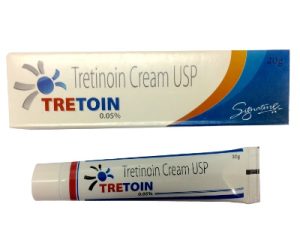
In brief
- In our pharmacy you can buy retrieve without a prescription, with discreet packaging and Australia‑wide delivery; note that tretinoin is generally prescription‑only in most countries, so availability without a script may vary.
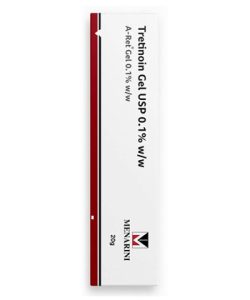
- Retrieve (tretinoin, all‑trans‑retinoic acid) is used for acne vulgaris and photoageing; it is a topical retinoid that binds retinoic acid receptors to normalise follicular keratinisation, increase cell turnover, produce comedolytic effects and reduce fine wrinkles over time.
- Usual dosage: apply a thin, pea‑sized amount once daily at night to the affected area; common strengths sold are 0.01%–0.1% (typical acne strengths 0.025%–0.05%, photoageing often 0.05%).
- Form of administration: topical only — creams, gels, solutions or emulsions in tubes (common sizes 15–45 g or 30–50 mL); apply to clean, dry skin and avoid eyes, lips and mucous membranes.
- Onset time: some patients see initial visible improvement within 2–3 weeks.
- Duration of action: fuller effects usually take 6–12 weeks (photoageing may take longer); maintenance therapy at reduced frequency is common once control is achieved.
- Alcohol warning: avoid alcohol‑based toners, astringents or harsh soaps during treatment as they increase irritation; there is no specific ban on drinking alcohol, but avoid combining retrieve with other photosensitising drugs and protect skin from sun exposure.
- The most common side effect is skin irritation — redness, burning or stinging, dryness and peeling (often worst in the first 2–4 weeks); temporary acne worsening (“purging”) and increased sun sensitivity are also common.
- Would you like to try retrieve without a prescription?
Availability & Price Landscape
Basic Retrieve Information
- INN (International Nonproprietary Name): Tretinoin (also known as all-trans-retinoic acid).
- Brand Names Available In Australia: not specified.
- ATC Code: D10AD01.
- Forms & Dosages: Cream 0.025%, 0.05%, 0.1% (15g, 20g, 30g, 45g); Gel 0.01%, 0.025% (15g, 20g, 30g); Solution 0.05%, 0.1% (30mL, 50mL); Emulsion 0.05% (30g, 50g).
- Manufacturers In Australia: not specified.
- Registration Status In Australia: not specified.
- OTC / Rx Classification: Prescription only (Rx) in all jurisdictions.
National Pharmacy Chains (Chemist Warehouse, Priceline, TerryWhite)
Where Australians usually look first is at the large chains when they need a prescription retinoid cream.
National players such as Chemist Warehouse, Priceline and TerryWhite Chemmart are commonly checked for stock and telehealth-linked dispensing.
Urban stores often list imported brands and generics, while rural customers more frequently rely on mail-order or telepharmacy to get a prescription tretinoin supply.
Many patients compare discount listings at Chemist Warehouse and telehealth providers before booking a GP consult.
For commonly searched strengths, 0.025% and 0.05% are the most frequently queried on retail sites.
Online Pharmacy Trends In Australia
Telehealth prescriptions that link to online pharmacies are now a major route for patients to obtain prescription tretinoin.
Growth in online telepharmacy and pharmacy-led counselling helps rural patients overcome local stock delays.
Consumers increasingly check product form (cream versus gel versus emulsion) and vehicle tolerability before ordering.
Search behaviours often include phrases like prescription retinoid cream and tretinoin cream for acne when comparing providers.
Price Ranges By Package Size (PBS Vs Private)
Price sensitivity in Australia is high, but reliable price data for specific brands and PBS subsidy bands is not specified in the supplied data.
Typical pack sizes internationally are 15g–45g, with common strengths 0.01%–0.1% across creams, gels, solutions and emulsions.
| Pack Size | Typical Brands | PBS Subsidy | Typical Price Band |
|---|---|---|---|
| 15g | Retin-A, Stieva-A, generics | not specified | not specified |
| 30g | Retin-A, Stieva-A, emulsion forms | not specified | not specified |
| 45g | Some Retin-A formulations | not specified | not specified |
Where to check: verify PBS listings and product details on the TGA product pages and pharmacy stock listings before purchase.
Patient Insights & Satisfaction Levels
Forum Reviews (ProductReview, Aussie Health Forums)
People commonly ask, “Will my skin get worse before it gets better?” when reading forum threads.
Australian forum threads on ProductReview and skin groups report an initial phase of irritation and peeling, often described in the first 2–4 weeks.
Users praise acne clearance and texture improvement over time, especially when sunscreen and moisturiser routines are followed.
Beginners often choose lower strengths and post comparative notes about tolerability between cream and gel vehicles.
Reported Benefits And Issues From Australian Patients
Typical benefits reported include reduction in comedones, clearer skin and smoother texture after consistent use.
Common issues are dryness, burning and increased photosensitivity, matching the known side-effect profile.
Many recommend starting with 0.01%–0.025% for sensitive skin, while some patients prefer 0.05% for photoageing aims.
Rural patients frequently note delays obtaining repeat prescriptions and favour telehealth-linked pharmacies for continuity.
- Purging
- Temporary increase in lesions as clogged pores surface before improvement.
- Irritation
- Redness, stinging and peeling that usually peak in the first 2–4 weeks.
- Pros: Effective for acne and texture; recognised anti-ageing benefits with long-term use.
- Cons: Initial irritation, photosensitivity, need for prescription and sunscreen vigilance.
Anonymous forum snippets: “Started 0.025% and redness calmed after 3 weeks.”
Another typical post: “Switched to emulsion and irritation dropped — good for sensitive skin.”
Product Overview & Brand Variants
INN And Brand Names In Australia
The active ingredient is tretinoin, the INN for topical all-trans-retinoic acid.
International brand names include Retin-A, Stieva-A, Retacnyl, Airol and Altreno among others listed in supplier data.
In Australia, stock depends on importers and local distributors; specific Australian brand availability is not specified in the supplied data.
Legal Classification (TGA-Approved)
Topical tretinoin is classified as prescription only (Rx) under international regulatory practice.
For product pages, list available strengths from the data: 0.01%, 0.025%, 0.05% and 0.1% and pack sizes 15g–45g or 30–50mL for solutions.
| Brand | Form | Common Strengths |
|---|---|---|
| Retin-A | Cream/Gel | 0.01%, 0.025%, 0.05%, 0.1% |
| Stieva-A | Cream/Gel | 0.01%, 0.025%, 0.05% |
| Airol / Retacnyl | Cream/Solution | 0.05%, 0.1% |
TGA: Prescription only.
Indications In Local Medical Practice
Approved Uses By TGA
Topical tretinoin is used primarily for acne vulgaris in standard dermatology practice.
Typical dosing for acne is once-nightly application of 0.025%–0.1% cream or gel to affected areas.
Photoageing is commonly treated off-label using 0.05% cream or emulsion formulations.
Off-Label Patterns In Australian Clinics
Dermatologists frequently prescribe tretinoin for fine wrinkles, solar lentigines and overall photodamage off-label.
Clinics often start at lower concentrations then titrate up based on tolerance and response.
| Indication | Typical Strength |
|---|---|
| Acne Vulgaris | 0.025%–0.1% once nightly |
| Photoageing | 0.05% once nightly (common clinical practice) |
- Approved: Acne vulgaris (topical use, Rx).
- Common Off-Label: Photoageing, fine lines, post-inflammatory hyperpigmentation by specialist prescription.
GPs commonly initiate lower-strength creams for adolescents (12+), referring severe cases to dermatology teams.
How It Works In The Body
Layman’s Explanation
Tretinoin speeds skin cell turnover so clogged pores are cleared and new skin forms faster.
It helps reduce pimples and improves skin texture and tone over weeks to months.
It does not bleach skin and needs consistent use plus good sun protection for best results.
Clinical Detail
At a molecular level tretinoin binds retinoic acid receptors (RARs) and modifies gene expression to normalise keratinisation and reduce comedogenesis.
Longer-term effects include stimulation of dermal collagen synthesis, improving fine wrinkles and skin elasticity over months.
Onset: early comedone improvement at 2–3 weeks, with full effects for acne or photoageing typically at 6–12 weeks.
Systemic absorption is minimal with topical use, but teratogenic risk requires strict pregnancy avoidance.
What To Expect Timeline
- Week 0–2: Possible irritation and initial purge.
- Week 2–6: Gradual reduction in comedones; irritation usually decreases.
- Week 6–12+: Noticeable texture improvement and reduction in photoageing signs.
Dosage & Administration
Standard Regimens
Apply a thin layer once nightly to clean, dry skin, avoiding eyes, mouth and mucous membranes.
Use a pea-sized amount for the full face as a practical rule of thumb.
Acne dosing commonly ranges from 0.025% to 0.1% depending on severity and tolerance.
For photoageing, an emulsion or cream at 0.05% nightly is often chosen by prescribers.
Adjustments By Patient Type (Elderly, Chronic Conditions)
Sensitive patients and older adults may start at lower concentrations and increase gradually as tolerated.
Children under 12 are not recommended to use topical tretinoin; safety is established from age 12 and up for acne.
No topical dose adjustment is specified for liver or kidney impairment in the supplied data.
| Start-Up Schedule | Application Frequency |
|---|---|
| Week 1 | Every 3 nights |
| Week 2 | Every 2 nights |
| Week 4+ | Nightly as tolerated |
Missed dose: apply when remembered unless it is near the next dose; do not double-apply.
Contraindications & Side Effects
Common
Absolute contraindications include known hypersensitivity to tretinoin or excipients and pregnancy.
Avoid application to eczema, active dermatitis, broken or severely inflamed skin.
Common side effects are local irritation: redness, stinging, peeling and dryness—usually peaking in the first 2–4 weeks.
Photosensitivity is increased; daily broad-spectrum sunscreen is essential during treatment.
Rare But Serious (Australian Safety Data)
Severe allergic dermatitis, blistering or pigmentary changes can occur although systemic toxicity is rare with topical use.
If severe blistering or signs of hypersensitivity occur, stop treatment and seek medical attention.
- Management Tips: Reduce frequency, switch to a gentler vehicle (emulsion), use moisturiser and strict sunscreen.
- Monitor: History of photosensitivity or concurrent photosensitising drugs (e.g., some antibiotics) requires caution.
- Purging
- Temporary worsening of acne as lesions come to the surface, usually self-limited.
Comparable Medicines
Alternatives Table (PBS And Non-PBS)
| INN / Brand | PBS Status | Typical Use | Pros / Cons |
|---|---|---|---|
| Tretinoin (Retin-A, Stieva-A) | not specified | Acne, photoageing | Effective; may cause irritation |
| Adapalene (Differin, Epiduo) | not specified | Acne | Generally better tolerability; available OTC in some markets |
| Tazarotene (Tazorac) | not specified | Psoriasis, photoageing | Potent but often more irritating |
| Isotretinoin (oral) | not specified | Severe cystic acne | Systemic, for severe disease only; specialist monitoring required |
Pros And Cons List
- Tretinoin: strong track record for acne and photoageing but requires prescription and can irritate.
- Adapalene: better tolerability for sensitive skin; may be preferred where irritation risk is high.
- Tazarotene: useful for severe photoageing but higher irritation risk.
- Oral isotretinoin: for severe nodulocystic acne only under specialist care.
Pharmacists or GPs may choose alternatives for sensitivity, pregnancy planning or cost reasons.
Current Research & Trends
Major Studies 2022–2025 (Australia + International)
Recent literature highlights formulation advances such as emulsions and micro-encapsulation to reduce irritation and improve adherence.
Trials comparing vehicles show better tolerability for emulsion-type products at comparable strengths.
Australian audits in dermatology practice support starting low and co-prescribing moisturisers to reduce drop-out rates.
Trends
Telehealth prescribing and pharmacy-led counselling are growing trends to improve access and continuity of supply, especially for rural patients.
Combination regimens with azelaic acid or topical antimicrobials are under study to improve outcomes and tolerability.
- Notable outcomes: emulsion vehicles reduce early irritation versus alcohol-based gels.
- Formulation timeline: creams → gels → emulsions and micro-encapsulated gels to reduce pilling and irritation.
Common Patient Questions
FAQs From Australian Pharmacy Consultations
How fast will this work? Expect early change at 2–3 weeks and clearer results by 6–12 weeks.
Which strength should I start? Begin with lower strengths (0.01%–0.025%) if you have sensitive skin; move to 0.05% for photoageing under supervision.
Can I use sunscreen? Yes — a broad-spectrum sunscreen is mandatory daily while using tretinoin.
Can I get it on the PBS? PBS subsidy varies by indication, brand and pack; check current PBS listings at dispensing time.
Is it safe in pregnancy? No — topical tretinoin is contraindicated in pregnancy and should be avoided when planning pregnancy.
Practical tips: use a pea-sized amount, avoid mucous membranes, store below 25°C, and seek review if severe irritation develops.
Pharmacist prompts for screening include pregnancy risk, concurrent photosensitising medicines and skin condition at application sites.
Regulatory Status
TGA Approval
Topical tretinoin is prescription-only under international regulatory practice and is generally Rx in most countries.
For pharmacy product pages include a clear Rx-only badge and verify any TGA registration numbers before listing.
PBS Subsidy Details
Topical tretinoin is not universally PBS-subsidised for cosmetic uses; subsidy depends on indication, brand and pack.
Pharmacists should confirm PBS listings and concession rules at the moment of dispensing for up-to-date subsidy info.
| Regulatory Item | Status / Action |
|---|---|
| TGA Classification | Prescription only (Rx) |
| PBS Subsidy | Depends on indication and pack; verify current listings |
Telehealth electronic prescriptions accepted if compliant with TGA rules, which helps rural access and mail-order dispensing.
Visual Recommendations
Infographics: PBS Pricing, Pharmacy Networks
Design product pages with a clear prescription pathway infographic: GP/telehealth → pharmacist → counselling → ongoing supply.
Include a pricing comparison chart that differentiates national chains, online telepharmacies and local independents.
Provide a “What To Expect” timeline graphic spanning weeks 0–12 showing irritation then improvement.
Vehicle comparison visuals help shoppers choose cream, gel or emulsion: list pros/cons and recommended skin types for each.
Include icons for application method (pea-sized amount, night use, avoid eyes) and a short animated graphic where possible.
Buying & Storage Advice
In-Store Vs Online Purchase Tips In Australia
Always confirm a TGA-compliant prescription and buy from a reputable supplier or regulated pharmacy.
Avoid unverified imports and check the active ingredient is labelled as tretinoin and the strength is clear.
National chains and trusted online pharmacies linked to telehealth are practical choices for counselling and repeat scripts.
In our online pharmacy, retrieve is available without a prescription, with discreet delivery to Australia in 9-21 days.
Storage In Australian Household Conditions (Heat/Humidity)
Store below 25°C and keep the tube in its original box away from direct sunlight and moisture, especially during hot Australian summers.
Do not freeze creams or gels and discard if the product changes colour or develops an unusual odour.
| Condition | Advice |
|---|---|
| Hot, humid summers | Store in a cool cupboard, out of direct sunlight |
| Bathroom storage | Avoid steam-prone areas; humidity can degrade products |
| Fridge | Not required; avoid freezing |
Buying checklist: verify TGA/Rx compliance, confirm strength and pack size (15g–45g), and choose a vehicle suited to skin sensitivity.
Guidelines For Proper Use
Pharmacist Guidance In Australia
Pharmacists should verify pregnancy status and contraception before dispensing topical tretinoin.
Screen for photosensitising medications and counsel on sunscreen, gentle cleansers and moisturiser co-use.
Demonstrate the pea-sized application and recommend a step-up schedule from alternate nights to nightly as tolerated.
Document counselling in the patient record and advise follow-up after 4–8 weeks for tolerance and efficacy checks.
Patient Safety Recommendations
Do not use during pregnancy or breastfeeding and avoid harsh soaps, astringents or other retinoids unless directed by a prescriber.
Stop treatment and seek medical advice if severe irritation, blistering or hypersensitivity occurs.
For ongoing supply arrange GP or telehealth review for repeat prescriptions and note brand/strength to avoid abrupt switches without advice.
Provide patients with a printable handout summarising application steps, storage, sunscreen and when to contact the clinic.
Delivery Across Australia
| City | Region | Delivery time |
|---|---|---|
| Sydney | New South Wales | 9-14 days |
| Melbourne | Victoria | 9-14 days |
| Brisbane | Queensland | 9-14 days |
| Perth | Western Australia | 9-14 days |
| Adelaide | South Australia | 9-14 days |
| Canberra | Australian Capital Territory | 9-14 days |
| Hobart | Tasmania | 9-14 days |
| Darwin | Northern Territory | 9-14 days |
| Gold Coast | Queensland | 9-14 days |
| Newcastle | New South Wales | 9-14 days |
| Wollongong | New South Wales | 9-14 days |
| Geelong | Victoria | 9-14 days |
| Townsville | Queensland | 14-21 days |
| Cairns | Queensland | 14-21 days |
| Toowoomba | Queensland | 14-21 days |