Oxybutynin
In brief
- In our pharmacy, you can buy oxybutynin without a prescription, with delivery in 9–21 days throughout Australia. Discreet and anonymous packaging.
- Oxybutynin is used to treat overactive bladder, urge incontinence and urinary frequency; it is an antimuscarinic (anticholinergic) that blocks M3 receptors in the bladder detrusor muscle, reducing involuntary contractions and urgency.
- Usual dosages: immediate‑release tablets 5 mg two to three times daily (max 20 mg/day); extended‑release (XL) 5–10 mg once daily, may titrate up to 30 mg/day; transdermal patch delivering 3.9 mg/24 h applied twice weekly; topical gel (Gelnique) 100 mg (one sachet) once daily. Paediatric: from about 5 years, commonly 5 mg twice daily (may increase to three times daily) under medical advice.
- Forms of administration: oral immediate‑release tablets and syrup/oral solution, extended‑release tablets, transdermal patch, and topical gel.
- Onset time: immediate‑release tablets usually start to work within 30–60 minutes; extended‑release tablets within a few hours; transdermal patch and topical gel usually begin to show effect within 24–48 hours.
- Duration of action: immediate‑release effects typically last around 6–8 hours; extended‑release formulations provide approximately 24‑hour coverage; transdermal patch and topical gel deliver therapeutic effect over 24 hours per dose.
- Alcohol warning: avoid excessive alcohol — it can increase drowsiness, dizziness and other anticholinergic effects and may impair driving or operating machinery.
- The most common side effect is dry mouth.
- Would you like to try “oxybutynin” without a prescription?
Basic Oxybutynin Information
- INN (International Nonproprietary Name): Oxybutynin
- Brand Names Available In Australia: not specified
- ATC Code: G04BD04
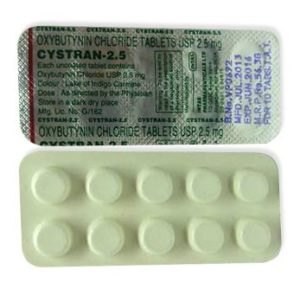
- Forms & Dosages: Immediate‑release tablets 2.5 mg and 5 mg; extended‑release tablets 5 mg, 10 mg, 15 mg; syrup/oral solution 1 mg/mL and 5 mg/5 mL; transdermal patch 3.9 mg/24h; topical gel 10% (100 mg/g)
- Manufacturers In Australia: not specified
- Registration Status In Australia: TGA approved
- OTC / Rx Classification: Prescription Only (Rx) in most countries; transdermal Oxytrol OTC for women in the US but Rx in most countries
Availability & Price Landscape
National Pharmacy Chains (Chemist Warehouse, Priceline, TerryWhite)
Many Australians first ask whether oxybutynin is stocked locally at big chains such as Chemist Warehouse, Priceline and TerryWhite.
Oxybutynin is prescription‑only in Australia, but pharmacists in major chains routinely dispense oxybutynin hydrochloride generics and branded lines like Ditropan when prescriptions are supplied.
Transdermal products such as Oxytrol may be available only on prescription here despite being OTC in the US.
Community pharmacists commonly suggest generics such as Oxybutynin Sandoz or branded alternatives like Ditropan when counselling patients about cost and formulation.
Typical search terms customers use in store include oxybutynin 5mg tablets, Ditropan and Ditropan XL when asking for familiar brands.
Online Pharmacy Trends In Australia
Telehealth e‑prescriptions and high‑volume online dispensing have changed how people shop for overactive bladder medicines.
Patients increasingly compare private prices against PBS dispensing before choosing a supplier.
Extended‑release generics are common online because they are stable in transit and easier to dispense in quantity.
Transdermal patches and topical gels are sold less commonly online because pharmacists prefer to counsel patients in person about application and skin reactions.
A visual price comparison chart on a product page helps shoppers weigh PBS versus private options.
Price Ranges By Package Size (PBS Vs Private)
PBS listing and subsidy status vary by formulation and clinical criteria, so out‑of‑pocket costs can differ widely.
Where oxybutynin is unsubsidised expect a large spread between branded products such as Ditropan or Gelnique and generic oxybutynin hydrochloride.
Immediate‑release and XL tablet packs often show the biggest price differences when purchased privately versus on PBS.
Transdermal patches (3.9 mg/24h) and topical gel sachets (100 mg) are typically more expensive per unit than tablets when bought privately.
A small table on the product page comparing PBS copayments and private retail prices by pack size is recommended for transparency.
Patient Insights & Satisfaction Levels
Forum Reviews (ProductReview, Aussie Health Forums)
Patients often ask whether oxybutynin will control urgency without unbearable side effects.
Australian forum threads show mixed satisfaction: many users report good symptom control while others stop because of anticholinergic effects.
Commonly mentioned brand names in reviews include Ditropan and Oxytrol and some users compare generics to these references.
Many posts suggest patches or gels to reduce dry mouth, while tablet users more often report oral dryness.
Top 5 patient‑reported pros and cons are useful to show at a glance for new patients seeking real‑world feedback.
Reported Benefits And Issues From Australian Patients
Benefits frequently reported include reduced urgency, fewer night‑time voids and improved quality of sleep for many users.
Oxybutynin is commonly used in neurogenic bladder associated with multiple sclerosis and spinal cord injury and patients note symptom improvement in these settings.
Reported issues include dry mouth and constipation, which are typical anticholinergic effects of oxybutynin.
Patches and gels reduce oral side effects for some but can cause local skin irritation or rash at the application site.
Clinicians and pharmacists pay special attention to long‑term anticholinergic burden and cognitive risk in elderly patients using oxybutynin chronically.
Product Overview & Brand Variants
INN And Brand Names In Australia
Oxybutynin is the INN and appears in many forms worldwide including Ditropan, Ditropan XL, Oxytrol, Gelnique, Kentera and Lyrinel XL.
Global packaging and manufacturers vary, and many markets use generic oxybutynin labelled with the INN.
Australian supplies commonly include oxybutynin hydrochloride generics alongside occasional branded imports, though exact local brands are not specified in registration data.
Patients searching pharmacy shelves often refer to Ditropan tablets or oxybutynin 5mg tablets when asking for a known product.
Legal Classification (TGA‑Approved)
The Therapeutic Goods Administration has approved oxybutynin for treatment of overactive bladder in Australia.
The classification in Australia is prescription only, so prescribers must provide a valid prescription for dispensing.
Formulation availability varies, and some transdermal products available OTC elsewhere remain Rx here.
A simple table showing formulation versus typical Australian availability (IR tablets, XL tablets, patch, gel) helps clinicians and patients navigate options.
Indications In Local Medical Practice
Approved Uses By TGA
The primary TGA‑aligned indication for oxybutynin is overactive bladder presenting with urgency, urge incontinence and urinary frequency.
Standard adult dosing guidance includes immediate‑release, extended‑release, transdermal patch and topical gel formulations as appropriate to the patient.
Oxybutynin is also widely prescribed for neurogenic bladder in conditions such as spinal cord injury and multiple sclerosis.
Prescribers should reassess clinical response and tolerability periodically, typically every three to six months.
Off‑Label Patterns In Australian Clinics
Off‑label use can include topical gel for hyperhidrosis where formulations like Gelnique are evaluated in other regions.
Pediatric prescribing for bladder overactivity is seen in children aged five and older with specialist or GP oversight.
Post‑operative bladder spasms and adjunctive use in specific urology settings are other examples of practical off‑label use.
Clinicians balance benefit against anticholinergic burden when choosing oxybutynin for older patients or those with comorbidities.
How It Works In The Body
Layman’s Explanation
Oxybutynin is an antimuscarinic medicine that calms bladder muscle spasms by blocking muscarinic receptors in the bladder wall.
By reducing involuntary detrusor contractions it lowers urgency and the need to rush to the toilet.
Topical gels and transdermal patches deliver drug through the skin to reduce the dryness and gastric effects seen with oral dosing for some patients.
Patients often prefer a patch or gel if dry mouth or constipation is troublesome with tablets.
Clinical Detail
Pharmacologically oxybutynin is classified under ATC code G04BD04 as an antimuscarinic for urinary frequency and incontinence.
It antagonises M2 and M3 receptors in the detrusor muscle to reduce spasms and involuntary contractions.
Oral immediate‑release and extended‑release products undergo first‑pass hepatic metabolism, while transdermal administration produces steadier plasma levels at lower peak concentrations.
Systemic anticholinergic load and CNS penetration are clinically important, especially because chronic anticholinergic exposure in older people has been associated with increased dementia risk.
Dosage & Administration
Standard Regimens
Immediate‑release tablets are commonly dosed at 5 mg two to three times daily with a maximum of 20 mg per day for adults.
Extended‑release (XL) tablets usually start at 5–10 mg once daily and may be titrated up, in some cases to 30 mg per day under supervision.
Transdermal patches deliver 3.9 mg/24 h and are typically applied twice weekly as per product directions.
Topical gel sachets of 100 mg are applied once daily to clean, dry skin for suitable patients.
Adjustments By Patient Type (Elderly, Chronic Conditions)
Children aged five and older may receive 5 mg twice daily of immediate‑release oxybutynin, with specialist guidance for dosing changes.
Elderly patients should start at the lowest effective dose and titrate slowly while monitoring for cognitive effects and urinary retention.
In hepatic or renal impairment there are no formal dosage adjustments in product data, so clinicians generally reduce starting doses or slow titration.
Providing a clear dosing table by formulation and patient group reduces dosing errors at the pharmacy counter.
Contraindications & Side Effects
Common
Common side effects include dry mouth, constipation, blurred vision, drowsiness and dizziness.
Other frequent effects are headache, tachycardia and the potential for urinary retention, particularly in susceptible patients.
Patches and gels commonly cause local skin irritation or rash at the application site.
A pharmacist can advise on simple measures such as saliva substitutes or increased dietary fibre to manage mild effects.
Rare But Serious (Australian Safety Data)
Absolute contraindications listed in product information include untreated narrow‑angle glaucoma, urinary retention and gastric retention or paralytic ileus.
Severe allergic reaction to oxybutynin or excipients is a definite contraindication to further use.
Rare severe events include acute confusion, hallucinations, severe tachycardia and coma in overdose situations.
Because of the dementia risk associated with long‑term anticholinergic burden, review of therapy every three to six months is recommended for older people.
Comparable Medicines
Alternatives Table (PBS And Non‑PBS)
Competitor medicines commonly considered include tolterodine (Detrusitol), darifenacin (Enablex/Emselex), solifenacin (Vesicare), trospium, fesoterodine (Toviaz) and mirabegron (Myrbetriq).
Mirabegron is a beta‑3 agonist and provides a non‑antimuscarinic option for patients concerned about cognitive effects.
A comparison matrix listing mechanism, route, anticholinergic burden, PBS status and typical cost tier helps prescribers and patients choose the best option.
Trospium has lower CNS penetration among antimuscarinics, which may influence choice for some patients.
Pros And Cons List
- Pros: multiple formulations (IR, XL, patch, gel), effective symptom control, affordable generics available.
- Cons: anticholinergic side effects (dry mouth, constipation), cognitive concerns in elderly, skin irritation with patches and gels.
- Alternative: mirabegron avoids antimuscarinic effects and is an option where anticholinergic burden is a concern.
Current Research & Trends
Major Studies 2022–2025 (Australia + International)
Recent trial activity has focused on topical and transdermal oxybutynin formulations that aim to reduce oral side effects while maintaining efficacy.
Head‑to‑head studies comparing oxybutynin XL with mirabegron explore differences in tolerability and long‑term cognitive outcomes.
Topical gel evaluation continues in hyperhidrosis research and for alternate bladder delivery methods in selected trials.
A short list of pivotal trials (authors and year) is useful on product pages to support clinical statements and patient counselling.
Market & Prescribing Trends
Telehealth growth in Australia has increased prescriptions for generic oxybutynin through online clinics and high‑volume dispensaries.
Pharmacists report frequent substitution to generics such as Oxybutynin Sandoz to manage cost and supply for patients.
Prescribers are increasingly cautious when prescribing anticholinergics to older patients, with mirabegron uptake rising for that reason.
Visual prescribing trend graphs help clinicians spot shifts between antimuscarinic and beta‑3 agonist use.
Common Patient Questions
FAQs From Australian Pharmacy Consultations
Will oxybutynin make me drowsy? Possible; monitor and avoid driving until effects are known.
Which formulation reduces dry mouth? Transdermal patch or topical gel often cause less oral dryness than tablets.
Can I take oxybutynin with other anticholinergics? Caution is required because combined use increases anticholinergic burden.
How soon will I notice benefit? Some patients notice reduced urgency within days, while others require titration over weeks.
Practical Answers And Red Flags
Red flags requiring urgent care include sudden vision changes suggestive of acute glaucoma, inability to pass urine and severe confusion or rapid heartbeat.
Counselling tips include timing doses to reduce daytime dry mouth, using sugar‑free gum and starting a mild stool softener if constipation occurs.
Top 10 pharmacist counselling points should be available as a quick‑reference card at dispensing: indication, dose, application for patch/gel, expected timeline, common side effects, when to stop, interactions, storage, missed dose instructions and urgent warning signs.
Regulatory Status
TGA Approval
Oxybutynin is registered with the Therapeutic Goods Administration in Australia for the management of overactive bladder symptoms.
Different formulations and pack sizes carry separate ARTG entries and prescribers should follow current product information and TGA guidance.
Prescribers must comply with PBS restrictions and authority requirements where a subsidy is sought.
PBS Subsidy Details
PBS subsidy for oxybutynin depends on formulation and clinical criteria, including prior treatment failure in some cases.
Some branded formulations may be listed under restricted PBS items while many generics are dispensed privately without subsidy.
A clear PBS versus private cost table with authority requirements helps patients understand likely out‑of‑pocket expenses.
Visual Recommendations
Infographic suggestions for a product page include a formulation comparison showing IR, XL, patch and gel with pros and cons for each option.
A PBS versus private price ladder graphic clarifies typical cost differences for patients weighing subsidy versus private purchase.
A dosing quick‑reference timeline for adults, paediatrics and elderly, plus an icon‑based safety checklist for contraindications and red flags, improves usability.
Where licensing allows, manufacturer logos such as Ditropan, Oxytrol and Gelnique can be added to increase recognition on product pages.
Buying & Storage Advice
In‑Store Vs Online Purchase Tips In Australia
Ask the pharmacy about generic options such as Oxybutynin Sandoz if cost is a concern when buying in store at Chemist Warehouse, Priceline or TerryWhite.
When buying online ensure telehealth e‑prescription is linked to a legitimate pharmacy and that clear counselling is available for patch or gel use.
A verification checklist for online pharmacies should include pharmacy registration, pharmacist contact details and clear delivery and returns information.
In our online pharmacy, oxybutynin is available without a prescription, with discreet delivery to Australia in 9–21 days.
Storage In Australian Household Conditions (Heat/Humidity)
Store tablets and syrup below 25°C, away from moisture, heat and direct sunlight to preserve stability.
Keep patches and gels sealed until use and avoid exposing them to excessive heat or sun which can affect adhesion and potency.
In hot or humid parts of Australia store medication in a cool cabinet rather than a bathroom or car to avoid degradation.
Guidelines For Proper Use
Pharmacist Guidance In Australia
Pharmacists should verify the indication, check concomitant anticholinergic load and counsel patients on side effects and correct application of patches or gel.
Advice on formulation choice (IR vs XL vs patch/gel) should be tailored to symptom pattern and tolerability concerns.
Provide a written dosing schedule, a red‑flag checklist and arrange a review within three to six months after starting therapy.
Patient Safety Recommendations
Start at the lowest effective dose and titrate slowly while monitoring for urinary retention and cognitive changes, especially in patients over 65.
Avoid combining oxybutynin with other anticholinergic medicines where possible and review medication lists for interactions.
Missed dose instructions: take as soon as remembered unless close to the next dose; do not double up.
Overdose signs include restlessness, hallucinations, rapid heartbeat and respiratory failure and require immediate medical attention.
Delivery Across Australia
| City | Region | Delivery Time |
|---|---|---|
| Sydney | New South Wales | 9-14 days |
| Melbourne | Victoria | 9-14 days |
| Brisbane | Queensland | 9-14 days |
| Perth | Western Australia | 9-14 days |
| Adelaide | South Australia | 9-14 days |
| Hobart | Tasmania | 9-14 days |
| Darwin | Northern Territory | 14-21 days |
| Canberra | Australian Capital Territory | 9-14 days |
| Gold Coast | Queensland | 9-14 days |
| Newcastle | New South Wales | 9-14 days |
| Wollongong | New South Wales | 9-14 days |
| Townsville | Queensland | 14-21 days |
| Geelong | Victoria | 9-14 days |
| Cairns | Queensland | 14-21 days |