Tetracycline
In brief
- In our pharmacy, you can buy tetracycline without a prescription, with delivery in 9–21 days throughout Australia. Discreet and anonymous packaging.
- Tetracycline is used for a range of bacterial infections (respiratory, urinary, acne, chlamydial and certain zoonoses). It is a broad‑spectrum, bacteriostatic antibiotic that binds the 30S bacterial ribosomal subunit and inhibits protein synthesis.
- Usual dosage: adults 250–500 mg orally every 6 hours; for acne typically 250 mg twice daily; for some severe infections 500 mg every 6–12 hours (specific regimen depends on infection).
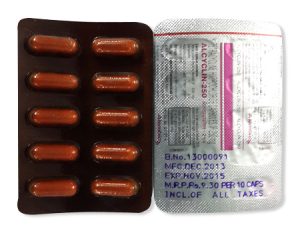
- Form of administration: oral tablets and capsules (100 mg, 250 mg, 500 mg), oral syrup, topical ointment (3%), eye ointment (1%), and less commonly as powder for injection.
- Onset time: tetracycline is absorbed and reaches peak blood levels within ~1–2 hours; clinical improvement is often seen within 48–72 hours for many infections.
- Duration of action: typically dosed every 6–12 hours, so antimicrobial effect lasts roughly 6–12 hours per dose; total treatment length varies by indication (commonly 7–14 days, longer for acne).
- Alcohol warning: avoid excessive alcohol while taking tetracycline — alcohol can worsen gastrointestinal side effects and may increase liver strain; moderation or avoidance is advised during therapy.
- The most common side effect is gastrointestinal upset, especially nausea, vomiting and diarrhoea; photosensitivity and skin rash are also frequently reported.
- Would you like to try tetracycline without a prescription?
Basic Tetracycline Information
- INN (International Nonproprietary Name): Tetracycline
- Brand Names Available In Australia: Achromycin V; Sumycin; Tetraciclina-style generics; Tetracycline Actavis; Panmycin; Tetracyn (branding and supply may vary by import and local stock)
- ATC Code: J01AA07 (systemic tetracyclines) with related codes A01AB13, D06AA04, S01AA09, S02AA08, S03AA02
- Forms & Dosages: Tablets 100 mg, 250 mg, 500 mg; Capsules 250 mg, 500 mg; Oral syrup 125 mg/5 mL; Ointment 3%; Eye ointment 1%; powder/vial 500 mg or 1 g (injectable less common)
- Manufacturers In Australia: Major global suppliers include Pfizer, Heritage Pharmaceuticals, Actavis, SEARLE/Alvogen, Chugai, Cipla and Wockhardt; local registered suppliers may vary and include regional generic producers
- Registration Status In Australia: Tetracycline is approved internationally and is generally marketed as prescription-only for systemic forms; topical/ophthalmic presentations may be OTC or Rx depending on local regulation and product registration
- OTC / Rx Classification: Prescription-only (Rx) for systemic oral and injectable forms; topical and ophthalmic presentations may be OTC or Rx depending on presentation and state regulations
Availability & Price Landscape
Where can people find tetracycline and what should they expect to pay?
Large national chains such as Chemist Warehouse, Priceline and TerryWhite Chemmart are the main places Australians search for tetracycline tablets and topical products.
National Pharmacy Chains (Chemist Warehouse, Priceline, TerryWhite)
Discount chains often prioritise doxycycline and minocycline on shelf, but generic tetracycline tablets (100 mg, 250 mg, 500 mg) do appear through import lines such as Achromycin V, Sumycin or Actavis generics.
Private scripts for systemic tetracycline are commonly filled at Chemist Warehouse or Priceline with competitively priced generics, while TerryWhite and independent pharmacies may order specific brands on request.
Online Pharmacy Trends In Australia
Telehealth-linked pharmacies and e-prescriptions reduced delays for patients requiring a private script for systemic tetracycline.
Same‑day courier is common in major metro areas and standard postal delivery is used for regional towns; expect patchy stock and occasional overseas-branded generics to be supplied.
| Chain | Typical Availability | Price Range (Private Script) |
|---|---|---|
| Chemist Warehouse | Often stocks generics; imports Achromycin V, Sumycin-type products | Competitive; varies by pack size and brand |
| Priceline | Selective stocking; may order on request | Mid-range; occasional promotions |
| TerryWhite Chemmart | Stock varies by store; telehealth scripts supported | Competitive; higher dispensing fees possible in regional stores |
Price ranges vary markedly by pack size, brand and whether the script is private or PBS-subsidised.
- Buying tip: Ask the pharmacist for the active ingredient—tetracycline—rather than a brand name to compare pack sizes fairly.
- Buying tip: If supply is unavailable locally ask about telehealth e-prescription options and courier timelines to reduce delays.
Patient Insights & Satisfaction Levels
What do Australians say about taking tetracycline?
Forum Reviews (ProductReview, Aussie Health Forums)
Online threads on ProductReview and local health forums commonly show mixed sentiment toward tetracycline for acne and infections.
Many posts praise effectiveness for inflammatory acne where the drug is tolerated, while others note switching to doxycycline or minocycline for easier once‑daily dosing.
Reported Benefits And Issues From Australian Patients
- “Cleared my inflammatory spots after a few weeks” — common positive comment about tetracycline for acne.
- “I got bad nausea and photosensitivity” — frequent adverse effect reports leading to a change of treatment.
- “Pharmacist warned it isn’t for kids or pregnancy” — many patients recall pharmacist counselling on age and pregnancy contraindications.
- “Telehealth scripts made it easier in regional areas” — patients noted faster access despite patchy local stock.
Short definition list:
- Photosensitivity: Increased tendency to sunburn while on the drug.
- Superinfection: Secondary yeast or resistant bacterial infection caused by antibiotic use.
- Esophageal Irritation: Discomfort or damage passing the tablet without enough water.
Product Overview & Brand Variants
Which brands and strengths might appear in Australian supply chains?
INN And Brand Names In Australia
Tetracycline (INN) may appear under brands such as Achromycin V, Sumycin, Tetraciclina-style generics, Tetracycline Actavis, Panmycin and Tetracyn depending on import and stock.
Legal Classification (TGA-Approved)
Systemic oral and injectable tetracycline are prescription-only under common TGA practice, while topical and ophthalmic classification depends on product registration and state regulations.
| Brand | Form | Strengths | Manufacturer |
|---|---|---|---|
| Achromycin V | Tablet/Capsule | 250 mg, 500 mg | Pfizer / Heritage |
| Sumycin | Tablet/Capsule | 250 mg, 500 mg | SEARLE / Alvogen |
| Tetracycline Actavis | Tablet / Ointment | 250 mg, 500 mg; ointment 3% | Actavis / Gedeon Richter |
| Tetraciclina | Tablet / Ointment | 100 mg, 250 mg; ointment | Various regional manufacturers |
| Tetracyn | Tablet | Various strengths | Cipla / Wockhardt |
Checklist for legal classification:
- Systemic oral/injectable = prescription-only.
- Topical/ophthalmic = may be OTC or Rx depending on registered presentation.
- Check local pharmacy and TGA product details before purchase.
Indications In Local Medical Practice
When do Australian prescribers use tetracycline?
Approved Uses By TGA
Tetracycline is used for respiratory infections, some urinary infections, acne, and certain atypical infections, noting that doxycycline is frequently chosen instead for systemic use.
Off-Label Patterns In Australian Clinics
Dermatology continues legacy use of tetracycline for acne in some clinics and stomatology may use oral rinses or topical forms for specialised indications.
| Indication | Typical Adult Regimen |
|---|---|
| Uncomplicated Respiratory/Urinary | 250–500 mg orally every 6 hours |
| Acne Vulgaris | 250 mg twice daily |
| Psittacosis / Q Fever / Severe Atypical | 500 mg every 6–12 hours |
- Approved uses: respiratory, selected urinary, acne and certain atypical infections.
- Off‑label: specialised dermatology regimens, oral stomatological preparations in some clinics.
- Safety note: avoid use in pregnancy and in children under 8 years unless life‑threatening; consult infectious disease guidance for severe infections.
How It Works In The Body
How does tetracycline stop bacteria and what should patients know about interactions?
Layman’s Explanation
Tetracycline is a broad‑spectrum antibiotic that stops bacteria making proteins they need to grow.
This action slows or halts infection growth so the immune system can clear the bug.
Clinical Detail
Mechanism: binds the 30S ribosomal subunit and blocks transfer RNA attachment, inhibiting protein synthesis and producing a bacteriostatic effect against many Gram‑positive and Gram‑negative organisms.
Pharmacokinetics: oral bioavailability is reduced markedly by divalent cations such as calcium, magnesium and iron, so avoid dairy, iron supplements and antacids within two hours of a dose.
Distribution: tissue and bone binding occurs and contributes to dental and bone deposition risks in children.
Excretion: renal handling varies by formulation; dose adjustments should be considered in significant renal impairment.
Absorption Interaction Timeline:
- Give tetracycline, wait two hours before taking dairy, iron or antacid supplements.
- If supplements are already taken, delay tetracycline by two hours where possible.
Dosage & Administration
What doses are commonly supplied and how should patients take them?
Standard Regimens
Adults: typical systemic dosing is 250–500 mg orally every 6 hours for many infections according to product guidance.
Acne: a commonly used regimen is 250 mg twice daily, while severe atypical infections may need 500 mg every 6–12 hours.
Adjustments By Patient Type (Elderly, Chronic Conditions)
Children under 8 years are generally contraindicated due to dental/bone risks; in life‑threatening infections only, paediatric dosing is approximately 25–50 mg/kg/day divided every 6 hours.
Elderly patients usually use standard doses but monitor renal and hepatic function; dose reduction may be necessary for renal impairment.
| Indication | Typical Adult Dose |
|---|---|
| Acute Infections | 250–500 mg every 6 hours |
| Acne | 250 mg twice daily |
| Severe Atypical Infections | 500 mg every 6–12 hours |
- Counselling checklist: take with a full glass of water, remain upright to avoid oesophageal irritation, avoid dairy/iron/magnesium/calcium/antacids within two hours.
- Topical and eye products: follow the local product instructions on the label.
Contraindications & Side Effects
Who must not take tetracycline and what adverse effects should pharmacists warn about?
Common
| Common Side Effects | Notes |
|---|---|
| Gastrointestinal upset (nausea, vomiting, diarrhoea) | Frequent; advise taking with water but not with dairy |
| Photosensitivity | High sunburn risk; advise sunscreen and sun avoidance |
| Rash and superinfection | Monitor for oral or vaginal candidiasis |
Rare But Serious (Australian Safety Data)
| Serious Events | Pharmacist Action |
|---|---|
| Hepatotoxicity | Stop and refer for urgent assessment if jaundice or severe abdominal pain |
| Benign Intracranial Hypertension | Investigate new severe headache or visual changes |
| Severe Hypersensitivity | Immediate cessation and emergency treatment if anaphylaxis suspected |
- Absolute contraindications: known hypersensitivity, pregnancy and lactation, children under 8 years.
- Drug interactions to flag: reduced absorption with divalent cations and interactions with anticoagulants, retinoids and methoxyflurane.
- Expiry warning: do not use expired tetracycline products; expired oral forms have historic links to Fanconi‑like syndrome.
Comparable Medicines
Which antibiotics are considered instead of tetracycline and why?
Alternatives Table (PBS And Non-PBS)
| Drug | Dosing Frequency | PBS Status | Pros / Cons |
|---|---|---|---|
| Doxycycline | Once or twice daily | Widely PBS-listed | Better bioavailability and adherence; often preferred |
| Minocycline | Once daily | Available; PBS status varies | Good for acne; better tolerability for some patients |
| Lymecycline / Sarecycline | Once daily | Non-PBS or limited | Targeted acne agents; narrower spectrum |
| Macrolides (Azithromycin, Erythromycin) | Varies (azithromycin often short course) | PBS-listed for some indications | Useful alternative in specific infections; resistance patterns important |
Pros And Cons List
- Pros for tetracycline: proven efficacy, multiple formulations including topical and ophthalmic.
- Cons for tetracycline: more frequent dosing, stronger interactions with divalent cations, age and pregnancy limits.
- Decision guide: choose doxycycline or minocycline for once‑daily convenience and PBS cost advantage where suitable.
Current Research & Trends
What recent evidence affects prescribing and pharmacy practice?
Major Studies 2022–2025 (Australia + International)
Recent literature continues to compare tetracycline-class antibiotics for acne and anti‑inflammatory effects, with many studies favouring doxycycline or minocycline for adherence and tolerability reasons.
Antibiotic stewardship work emphasises narrower selection, culture-guided therapy and shorter durations where effective.
Practical Implications For Prescribers And Pharmacies
- Reinforce counselling on drug–food interactions and sun protection when dispensing tetracycline.
- Consider alternatives with PBS advantages for cost-sensitive patients.
- Support stewardship by validating indication, duration and follow-up.
Ongoing interest remains in topical formulations and non‑antibiotic acne options to reduce systemic antibiotic exposure.
Common Patient Questions
What do patients usually ask at the pharmacy counter?
FAQs From Australian Pharmacy Consultations
- Can I take tetracycline with milk? — No, avoid dairy within two hours to preserve absorption.
- Is it safe in pregnancy? — No, tetracyclines are contraindicated in pregnancy and lactation.
- What if I miss a dose? — Take it when remembered unless it is close to the next dose; do not double up.
- Can children take it? — Not for under‑8s except in life‑threatening situations; paediatric dosing is specialist-led.
- How long until acne improves? — Several weeks; re-evaluate and consider topical combinations or alternatives if no benefit.
- How should I store it? — Store at 15–25°C, away from moisture and heat; do not use expired product.
Quick Pharmacist Responses
Stop and seek urgent care for signs of allergy, severe diarrhoea or jaundice, and advise sunscreen for photosensitivity.
Regulatory Status
What should shoppers and pharmacists know about TGA and PBS?
TGA Approval
Tetracycline is recognised internationally and systemic forms are generally prescription-only under TGA-aligned practice.
PBS Subsidy Details
PBS coverage for tetracycline is limited compared with doxycycline, so many systemic prescriptions are private and attract standard dispensing and consultation fees.
| TGA | PBS |
|---|---|
| Systemic forms usually prescription-only; topical/ophthalmic may vary | Limited PBS listings for tetracycline; doxycycline often preferred on PBS |
- When dispensing imported brands ensure lawful import or local registration is verified.
- Pharmacists should provide written information and verify indication and contraindications at supply.
Visual Recommendations
Which visuals help patients and pharmacists make quick decisions?
Infographics: PBS Pricing, Pharmacy Networks
Include a small infographic comparing private out‑of‑pocket cost versus PBS alternatives and a map showing metro same‑day courier range compared with regional postal timelines.
Product Imagery And Quick-Reference Charts
Show tablet sizes, ointment tubes and eye ointment images alongside a collapsible dosing table, icon set for contraindications and a short “what to expect” timeline for starting therapy.
Buying & Storage Advice
How should Australians purchase and store tetracycline safely?
In-Store Vs Online Purchase Tips In Australia
Confirm whether systemic tetracycline is available locally or needs ordering through the pharmacy’s supply chain.
Use telehealth scripts to reduce delays but ensure the pharmacist reviews clinical appropriateness before supply.
In our online pharmacy, tetracycline is available without a prescription, with discreet delivery to Australia in 9-21 days.
- Verify brand and active ingredient—look for tetracycline on the label rather than only a brand name such as Achromycin V or Sumycin.
- Check that imported generics are supplied lawfully and are not expired.
Storage In Australian Household Conditions (Heat/Humidity)
Store oral tablets at 15–25°C away from moisture and sunlight and avoid keeping them in bathrooms.
Keep ointments in their original tubes protected from heat and do not use past the expiry date due to safety risks.
Guidelines For Proper Use
What should pharmacists cover when counselling a patient starting tetracycline?
Pharmacist Guidance In Australia
- Confirm indication and ensure no pregnancy, breastfeeding or age contra‑indications are present.
- Check for interacting medicines including antacids, calcium/iron supplements, anticoagulants and retinoids.
- Advise administration: full glass of water, remain upright, avoid dairy and divalent cations within two hours.
Patient Safety Recommendations
Emphasise adherence to the prescribed duration, advise sunscreen and limited sun exposure for photosensitivity, and provide clear return instructions for adverse events.
Record counselling in the patient medication profile and consider recommending doxycycline alternatives if adherence or hepatic/renal concerns are anticipated.
Delivery Across Australia
| City | Region | Delivery Time |
|---|---|---|
| Sydney | New South Wales | 9-14 days |
| Melbourne | Victoria | 9-14 days |
| Brisbane | Queensland | 9-14 days |
| Perth | Western Australia | 9-14 days |
| Adelaide | South Australia | 9-14 days |
| Canberra | Australian Capital Territory | 9-14 days |
| Hobart | Tasmania | 9-14 days |
| Darwin | Northern Territory | 9-14 days |
| Gold Coast | Queensland | 9-14 days |
| Newcastle | New South Wales | 9-14 days |
| Wollongong | New South Wales | 9-14 days |
| Geelong | Victoria | 9-14 days |
| Cairns | Queensland | 14-21 days |
| Townsville | Queensland | 14-21 days |
| Albury | New South Wales / Victoria | 14-21 days |