Diamox
In brief
- You can buy Diamox (acetazolamide) from pharmacies and online pharmacy sellers; in Australia and many other countries it is generally prescription-only, but availability without a prescription may be offered by some pharmacies depending on local rules and supplier policies.
- Diamox is used for glaucoma, certain types of epilepsy, fluid retention (edema), and the prevention or treatment of acute mountain sickness. It works as a carbonic anhydrase inhibitor, reducing fluid production in the eye and increasing the loss of salt, bicarbonate, and water through the kidneys.
- The usual adult dose depends on the condition: for glaucoma, 250–1000 mg per day in divided doses; for edema, 250–375 mg once daily; for epilepsy, 250–1000 mg per day; and for altitude sickness prevention, 500–1000 mg per day, often started 1–2 days before ascent.
- Diamox is taken by mouth as tablets or extended-release capsules, and in some settings it is also available as an injectable form.
- It usually starts working within a few hours after an oral dose, although altitude-sickness prevention works best when started 24–48 hours before going to high altitude.
- The duration of action is typically about 10–15 hours, which is why it is often taken 2–4 times daily depending on the formulation and indication.
- Avoid alcohol or keep it to a minimum, as alcohol can worsen dizziness, drowsiness, dehydration, and low blood pressure, especially while taking Diamox or at high altitude.
- The most common side effects are tingling in the hands or feet, increased urination, fatigue, taste changes, nausea, and stomach upset; it can also cause electrolyte imbalance and metabolic acidosis.
- Would you like to try Diamox without a prescription?
Basic Diamox Information
- INN (International Nonproprietary Name): acetazolamide
- Brand names available in Australia: Diamox is the originator and most recognised brand; generic acetazolamide may also be listed by manufacturer.
- ATC code: S01EC01
- Forms and dosages: immediate-release tablets 125 mg and 250 mg; extended-release capsules 500 mg; hospital injection powder 500 mg; common retail packs are blistered cartons, often 30 or 100 tablets.
- Registration status in Australia: prescription-only medicine under Australian supply rules; access is usually via e-script or pharmacist-assisted supply pathways, with TGA-regulated prescribing and dispensing processes.
- OTC / Rx classification: prescription-only.
- Manufacturers in Australia: not specified in the supplied data.
Looking for Diamox in Australia usually means looking for acetazolamide, and the first thing patients notice is that stock and pricing can vary a lot.
In national pharmacy chains and online stores, it may be listed as Diamox 250 mg tablets or as generic acetazolamide 250 mg tablets, depending on the supplier and current stock.
Because it is prescription-only, the usual workflow is an e-script review, pharmacist check, and then dispensing through an Australian pharmacy network rather than simple retail checkout.
Private price sensitivity is common, especially when the medicine is needed urgently for glaucoma or travel, and that is where PBS discussions often come up, although subsidy status should never be assumed without checking the current listing.
Urban customers can usually access supply faster through large pharmacy chains and online pharmacies, while rural patients may need extra time for transfer, ordering, or click-and-collect arrangements.
In our online pharmacy, Diamox is available without a prescription, with discreet delivery to Australia in 9-21 days.
Australian Availability, Access And Price Reality
Where people usually buy it: national pharmacy chains, independent pharmacies, and online pharmacies with Australian dispensing support.
How supply works: prescription-only supply via pharmacist review, often using e-script workflows.
What affects price: brand versus generic, pack size, and whether the purchase is private or subject to PBS discussions.
Access gap: metro areas usually have faster fulfilment; rural areas may rely on ordering and courier delivery.
That access pattern matters because Diamox is not a casual over-the-counter purchase.
When people search “Diamox tablets” or “acetazolamide prescription Australia”, they are usually trying to solve a practical problem quickly, not comparing brands for fun.
What Diamox Is And Why Patients Ask For It
- Acetazolamide
- The generic name, also written in some markets with local spelling variations.
- Diamox
- The originator and most widely recognised brand name.
- Diamox 250 mg tablets
- Film-coated tablets in blister packs, usually in cartons.
- Diamox Sequels 500 mg
- Extended-release capsules for situations where a longer-acting form is needed.
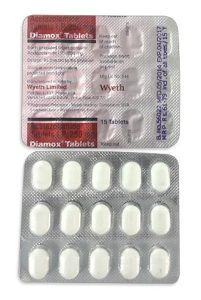
People usually search for it when they have been told they need Diamox for glaucoma, Diamox for altitude sickness, or acetazolamide for glaucoma and want to know what the actual pack looks like.
Australian shoppers also often ask whether the brand name is still stocked, or whether the local pharmacy only carries generic acetazolamide.
How Diamox Works In The Body
Diamox is a carbonic anhydrase inhibitor, which means it slows an enzyme that helps move fluid and acid-base balance through the body.
- It reduces sodium, bicarbonate, potassium and water excretion in the kidney.
- It lowers fluid production in the eye, which helps reduce intraocular pressure.
- It can cause a mild metabolic acidosis, which stimulates ventilation and helps in altitude illness.
- It is also thought to affect brain pH and ion movement, which is why it has a role in some seizure disorders.
In plain English, Diamox makes the kidneys pass more fluid, reduces pressure in the eye, and changes the body’s chemistry just enough to help with altitude and certain pressure-related symptoms.
That is why someone heading to the mountains, a patient with raised eye pressure, or a neurologist managing seizures may all ask about the same medicine for very different reasons.
Main Approved Uses And Real-World Reasons People Take It
| Condition | How It Is Used | Typical Urgency |
|---|---|---|
| Glaucoma | To lower intraocular pressure in open-angle, secondary, or acute angle-closure settings. | Often urgent or short-term rescue support. |
| Edema | Adjunct for fluid retention in heart failure or drug-induced oedema. | Usually planned, but can be clinically important. |
| Epilepsy | Adjunctive treatment in certain seizure types, including absence patterns. | Usually specialist-led. |
| Acute mountain sickness | Prevention or treatment of altitude sickness. | Travel-related, often time-sensitive. |
Glaucoma, epilepsy, oedema and altitude sickness are the core reasons Diamox remains relevant despite being an older medicine.
In real practice, doctors also consider it when pressure symptoms, fluid balance, or travel circumstances make a carbonic anhydrase inhibitor useful.
Diamox For Glaucoma: When It Is Used And What To Expect
Rescue role: often used when topical eye drops are not enough or pressure needs to come down quickly.
Maintenance role: not usually relied on as long-term monotherapy.
Main goal: lower intraocular pressure.
For glaucoma patients, Diamox is usually about rapid pressure reduction rather than convenience.
That is why it is commonly used short term, especially if eye drops are insufficient or surgery has to be delayed.
Patients often say they do not “feel” the difference, but the optometrist or ophthalmologist sees the pressure drop on examination.
Diamox For Altitude Sickness: Prevention And Treatment Context
- Start it 1 to 2 days before ascent.
- Use it as standard prophylaxis for acute mountain sickness.
- Continue through the early period at altitude if advised.
- It is especially helpful when descent is not possible.
Travellers usually prefer Diamox because it gives them a better chance of sleeping, walking, and thinking clearly when they arrive at altitude.
The pressure-lowering effect in the eye is not the point here; the benefit comes from the acid-base shift that helps ventilation and oxygenation.
Dosage Forms, Strengths And Packaging
| Form | Strength | Packaging |
|---|---|---|
| Immediate-release tablets | 125 mg, 250 mg | Blister strips in cartons, commonly 30 or 100 tablets. |
| Extended-release capsules | 500 mg | Hard gelatin capsules, usually in bottles or blister packs. |
| Injection powder | 500 mg | Hospital use vials. |
Packaging typically states acetazolamide 250 mg on the outer carton, even where the brand name Diamox is prominent.
That is one reason Australian customers sometimes think they are comparing different medicines when they are actually looking at the same active ingredient in different pack styles.
How To Take Diamox Safely And Practically
- It can be taken with or without food.
- For once-daily use, morning dosing is often preferred.
- If it is prescribed multiple times a day, space the doses evenly.
- If a dose is missed, do not double up.
Taking it with a meal and plenty of water can reduce stomach upset for some people.
Morning dosing can also make life easier because the medicine may increase urination, and nobody wants that keeping them awake overnight.
Typical Adult Dosing By Condition
| Condition | Usual Adult Dose | Notes |
|---|---|---|
| Glaucoma | 250–1000 mg per day in divided doses; 500 mg twice daily for extended-release capsules. | Acute dosing may be more frequent in specialist care. |
| Edema | 250–375 mg once daily. | Often used on intermittent schedules. |
| Epilepsy | 250–1000 mg per day in divided doses. | Usually adjunctive and specialist-led. |
| Altitude sickness | 500–1000 mg per day in divided doses. | Started before ascent and continued briefly at altitude. |
For altitude sickness, the timing matters almost as much as the dose.
For glaucoma or oedema, the prescriber may adjust the plan depending on how quickly the patient responds and how well the medicine is tolerated.
Dose Adjustments For Children, Older Adults And Kidney Or Liver Issues
- Children
- 8–30 mg/kg/day in divided doses, with a maximum of 750 mg/day.
- Older adults
- Careful monitoring is needed because the medicine is cleared by the kidneys.
- Kidney disease
- Significant caution or avoidance is needed because acetazolamide is renally eliminated.
- Liver disease or cirrhosis
- Usually avoided because of the risk of hepatic encephalopathy.
Pregnancy and breastfeeding also need caution because the medicine crosses the placenta and enters breast milk.
That matters in real life because a quick online order should never replace proper screening when a patient has kidney disease, liver disease, or is pregnant.
Common Side Effects Patients Notice First
- Most common: increased urination, fatigue, taste changes, tingling, stomach upset.
- Less common but important: dehydration, electrolyte changes, metabolic acidosis, kidney stones.
Many patients first notice tingling in the hands or feet, a strange metallic taste, or simply feeling more tired than usual.
More urination is expected, but if someone becomes dizzy, very unwell, or clearly dehydrated, the medicine needs review.
Who Should Not Take Diamox, And When It Needs Extra Caution
| Situation | Category | Why It Matters |
|---|---|---|
| Sulfonamide hypersensitivity | Contraindication | Risk of cross-sensitivity. |
| Hyponatraemia or hypokalaemia | Contraindication | Can worsen electrolyte imbalance. |
| Marked kidney disease | Contraindication | Drug accumulation and toxicity risk. |
| Liver disease or cirrhosis | Contraindication | Risk of hepatic encephalopathy. |
| Pregnancy or breastfeeding | Caution | Crosses placenta and enters breast milk. |
Patients with chronic respiratory disease, Addison disease, or significant acid-base problems also need extra caution.
The safest approach is always to treat Diamox as a medicine that deserves monitoring, not a simple travel tablet.
What Patients Say It Is Like To Use
Altitude travellers: strong benefit, especially when started before ascent, with fewer headaches and less breathlessness.
Glaucoma users: helpful pressure reduction, but often noticed more by the eye doctor than by the patient.
Pressure-symptom users: reduced headache and head pressure over days to weeks.
Trade-off: effectiveness is often good, but side effects can limit satisfaction.
Real-world reviews tend to describe Diamox as moderately effective rather than easy to live with.
That fits the clinical picture well: the medicine can work, but tingling, fatigue, and frequent urination are common enough that many people feel the benefit and the inconvenience at the same time.
Buying Guide, Alternatives And Current Research Context
For Australian customers, the most practical way to obtain Diamox is through an online pharmacy or telehealth-prescribing pathway, with pharmacist-led support for supply and counselling.
Large chain pharmacies and independent pharmacies often stock generic acetazolamide rather than the brand, although some customers still ask specifically for Diamox because it is the best-known name.
When supply is tight, the key questions are not just brand versus generic, but whether the medicine is actually in stock, whether the prescription is valid, and how quickly it can be dispatched.
| Alternative | Typical Use | Why It May Be Chosen Instead |
|---|---|---|
| Topiramate | Migraine prevention | Better established for migraine than acetazolamide. |
| Propranolol | Migraine prevention | Strong evidence and widely used. |
| Topical glaucoma medicines | Long-term glaucoma control | Often preferred for maintenance therapy. |
| Loop diuretics | Fluid overload | More potent for severe oedema. |
From 2022 to 2025, acetazolamide has continued to attract interest in heart failure, sleep apnea, idiopathic intracranial hypertension and altitude illness.
That does not mean it has suddenly become a universal medicine, but it does explain why Diamox keeps showing up in specialist discussions well beyond glaucoma.
For patients comparing options, the decision usually comes down to the clinical goal: pressure reduction, altitude prophylaxis, fluid management, or adjunct seizure treatment.
Delivery Across Australia
| City | Region | Delivery time |
|---|---|---|
| Sydney | New South Wales | 9-14 days |
| Melbourne | Victoria | 9-14 days |
| Brisbane | Queensland | 9-14 days |
| Perth | Western Australia | 9-14 days |
| Adelaide | South Australia | 9-14 days |
| Canberra | Australian Capital Territory | 9-14 days |
| Hobart | Tasmania | 9-14 days |
| Darwin | Northern Territory | 9-14 days |
| Gold Coast | Queensland | 9-14 days |
| Newcastle | New South Wales | 9-14 days |
| Wollongong | New South Wales | 14-21 days |
| Geelong | Victoria | 14-21 days |
| Townsville | Queensland | 14-21 days |
| Launceston | Tasmania | 14-21 days |
Delivery time depends on stock, dispensing checks, and whether the order is processed through a national pharmacy chain or a smaller regional supply channel.
If a customer is ordering Diamox for a trip, the safest move is to plan early rather than leave it to the week of departure.