Isordil
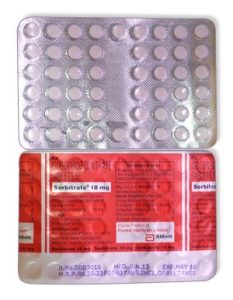
In brief
- In our pharmacy you can buy isordil (isosorbide dinitrate) without a prescription, with discreet delivery across Australia; note that officially it is prescription-only in many regulated markets, but some pharmacies and online suppliers sell it without a receipt.
- Isordil is used to prevent and relieve angina pectoris (chest pain) by releasing nitric oxide that relaxes vascular smooth muscle and dilates veins and coronary arteries (nitrate vasodilator), reducing cardiac preload and myocardial oxygen demand.
- Usual adult doses: for prevention 5–20 mg two to three times daily (immediate‑release, titrate to response); for acute angina attacks 2.5–5 mg sublingually at onset, repeat as clinically advised; extended‑release formulations are dosed per product (often 20–40 mg once or twice daily) with a recommended nitrate‑free interval to avoid tolerance.
- Forms of administration: sublingual tablets (2.5 mg, 5 mg, 10 mg), oral immediate‑release tablets (5–40 mg) and extended‑release oral tablets (20–40 mg).
- Onset of action: sublingual effects usually begin within about 2–5 minutes; oral immediate‑release typically starts within 15–30 minutes; extended‑release formulations have a slower onset.
- Duration of action: sublingual relief lasts roughly 30–60 minutes; oral immediate‑release typically 4–6 hours; extended‑release products may provide effects up to 12–14 hours but require nitrate‑free periods to prevent tolerance.
- Alcohol warning: avoid or limit alcohol while taking isordil — alcohol can greatly increase the risk of dizziness and severe low blood pressure (syncope) when combined with nitrates.
- The most common side effect is headache; other frequent effects include dizziness, flushing, weakness and postural hypotension.
- Would you like to try isordil without a prescription?
Basic Isordil Information
- INN (International Nonproprietary Name): Isosorbide dinitrate.
- Brand Names Available In Australia: Generics are supplied to Australia by exporters such as IPCA Pharmaceuticals and Kachhela Medex; the original Isordil brand is discontinued in some markets and local availability varies, so check the TGA ARTG entry and sponsor for a specific product.
- ATC Code: C01DA08 — Vasodilators used in cardiac diseases, specifically nitrates.
- Forms & Dosages: Sublingual tablets 2.5 mg, 5 mg, 10 mg; immediate‑release oral tablets 5 mg, 10 mg, 20 mg, 30 mg, 40 mg; extended‑release oral tablets commonly 20 mg and 40 mg.
- Manufacturers In Australia: No Australian manufacturer specified in the supplied data; common international suppliers/exporters include IPCA Pharmaceuticals and Kachhela Medex (India) and Zydus Pharmaceuticals (ANDA holder).
- Registration Status In Australia: Not specified in the supplied data — confirm the TGA ARTG entry and local sponsor before supply or listing.
- OTC / Rx Classification: Prescription Only (Rx) in regulated markets.
Availability & Price Landscape
National Pharmacy Chains
Wondering where to find isordil or isosorbide dinitrate in Australia?
Chemist Warehouse, Priceline and TerryWhite Chemmart commonly list nitrates and generics through their supply chains.
The historical brand Isordil is discontinued in some markets while generic isosorbide dinitrate remains widely stocked by exporters and distributors such as IPCA Pharmaceuticals and Kachhela Medex.
Prescription-only status means a valid script is normally required before supply in regulated settings.
Ask your pharmacist for the specific formulation if you need sublingual 5 mg or oral 20 mg, as packaging and availability vary by supplier.
Online Pharmacy Trends In Australia
Can rural patients get oxygen of access to angina medicines quickly?
Telehealth-linked e-prescriptions and e-pharmacies have increased access to prescription medicines for regional and remote patients.
Discount online chains often undercut private prices but always verify TGA/ARTG listings for the specific product and sponsor before ordering.
For many patients the pathway is telehealth consultation → e‑script → pharmacy processing → delivery or in‑store collection.
Price Ranges By Package Size (PBS Vs Private)
How much will isosorbide dinitrate cost in Australia?
| Pack Size / Format | Discount Chain | Independent Pharmacy | Hospital / Institutional |
|---|---|---|---|
| Sublingual 5 mg (strip/bottle) | Lower cost band (competitive margins) | Moderate cost band (varies by supplier) | Negotiated prices or formulary supply |
| Immediate‑release oral 20–40 mg | Lower to moderate cost | Moderate to higher cost | Bulk purchasing / tendered rates |
| Extended‑release 20/40 mg | Moderate cost | Moderate to higher cost | Formulary dependent |
Note: Isosorbide dinitrate is typically supplied privately rather than under a broad PBS listing unless a specific formulation is listed on the PBS.
Patient Insights & Satisfaction Levels
Forum Reviews (ProductReview, Aussie Health Forums)
What do real Australians say about taking Isordil or generic isosorbide dinitrate?
Online reviews commonly highlight rapid relief from chest tightness with sublingual preparations and frustration with headache side effects.
Price sensitivity appears frequently on ProductReview and other health forums, with many patients preferring pharmacist advice to pick the most cost‑effective generic supplier.
Reported Benefits And Issues From Australian Patients
Which pros and cons come up most in consultations?
- Benefit: Fast relief for acute angina with sublingual doses.
- Con: Nitrate‑related headaches are common initially.
- Con: Dizziness and postural symptoms reported, especially on standing.
- Pro: Multiple generic suppliers increase availability and choice.
- Con: Price variability and need to verify ARTG status for imported brands.
Testimonial quote: “The sublingual tablet stops the tightness quickly but I needed clear advice on avoiding headaches and drug interactions from my pharmacist.”
Product Overview & Brand Variants
INN And Brand Names In Australia
What names will you see on a script or pack?
The International Nonproprietary Name is isosorbide dinitrate.
The Isordil brand exists historically (originally Wyeth) but is often discontinued in some markets while generic versions and variants such as Isoket, Isorbid and Nitrosorbide appear in different regions.
Imports to Australia commonly come from IPCA Pharmaceuticals and Kachhela Medex; local pharmacy stock depends on the ARTG sponsor.
Legal Classification (TGA‑Approved)
Is this medicine prescription only in Australia?
Classification in regulated markets is Prescription Only (Rx).
Before listing or supplying, confirm the specific product has an ARTG registration and that the local sponsor is authorised to supply that formulation.
Key Definitions
- INN → Isosorbide dinitrate.
- ATC → C01DA08 (nitrate vasodilators for cardiac disease).
- Legal Status → Prescription Only (Rx); confirm TGA ARTG entry for the product.
Indications In Local Medical Practice
Approved Uses By TGA
What will Australian prescribers use isosorbide dinitrate for?
Clinically it is used for prevention of angina pectoris and for acute angina relief when a sublingual dose is required.
Standard adult prevention dosing commonly starts at 5–20 mg two to three times daily for immediate‑release formulations, and sublingual 2.5–5 mg for acute attacks as needed.
Prescribers frequently use nitrates when beta‑blockers or calcium channel blockers are unsuitable or as part of combination therapy.
Off‑Label Patterns In Australian Clinics
Are there off‑label uses to be aware of?
Off‑label patterns include selective use in symptom control for some heart failure patients or refractory hypertension in combination with vasodilators, but these require documented rationale and patient consent.
| Indication | Typical Regimen | PBS Eligibility Note |
|---|---|---|
| Chronic Angina Prevention | Immediate‑release 5–20 mg, 2–3 times daily | Usually private supply unless a specific formulation is PBS‑listed |
| Acute Angina Relief | Sublingual 2.5–5 mg at onset | Prescription only; check ARTG and supplier |
How It Works In The Body
Layman’s Explanation
How does isosorbide dinitrate relieve chest pain?
It is a nitrate that relaxes blood vessels so the heart gets better blood flow and works less hard.
Patients often describe a warm flush or light‑headed feeling as their vessels widen and chest tightness eases.
Clinical Detail
What is the pharmacology behind the effect?
Isosorbide dinitrate is metabolised to nitric oxide, which activates guanylate cyclase in smooth muscle cells to raise cGMP and cause vasodilation.
Venodilation predominates and reduces preload, while coronary vasodilation can improve ischaemia.
Tolerance can develop with continuous exposure, so clinical regimens include nitrate‑free intervals of about 12–14 hours to limit tolerance.
Dosage & Administration
Standard Regimens
What dosing should patients expect?
Prevention dosing often uses immediate‑release oral tablets at 5–20 mg two to three times daily, titrated to effect and side effects.
Acute attacks are treated with sublingual 2.5–5 mg at onset, repeat as clinically advised.
Extended‑release formulations (20 mg, 40 mg) are available for maintenance in some brands and may simplify timing for chronic use.
Adjustments By Patient Type
How should dosing change for older patients or those with comorbidities?
Elderly patients may be more sensitive and should start at the lower end of the range with close monitoring of blood pressure and orthostatic symptoms.
There are no formal paediatric dosing recommendations and use in children is generally not advised in the supplied data.
- Stepwise Dosing Checklist For Pharmacy Counselling: Verify script and formulation before supply.
- Checklist Item: Check for concurrent PDE5 inhibitor use; advise strict avoidance.
- Checklist Item: Explain nitrate‑free window (12–14 hours) to reduce tolerance.
- Checklist Item: Advise sitting when taking the first sublingual doses due to dizziness risk.
Contraindications & Side Effects
Common
What side effects should patients expect most commonly?
Headache, dizziness, flushing and a sense of weakness are the most frequent complaints with nitrate therapy.
Postural hypotension and reflex tachycardia may occur so patients should rise slowly and sit when taking sublingual tablets until they feel stable.
Rare But Serious (Australian Safety Data)
Which situations require urgent attention?
| Contraindication | Clinical Rationale | Pharmacist Action |
|---|---|---|
| Concurrent PDE5 Inhibitor Use | Risk Of Severe Hypotension | Do Not Supply; advise patient to stop PDE5 drug and consult prescriber |
| Known Hypersensitivity To Nitrates | Allergic Or Severe Reaction Possible | Do Not Supply; refer to prescriber for alternative |
| Severe Hypotension / Shock | May Worsen Haemodynamics | Immediate Medical Review Required |
Red‑Flag Symptoms Requiring Urgent Care: fainting, persistent severe hypotension, chest pain not relieved by usual dose.
Comparable Medicines
Alternatives Table (PBS And Non‑PBS)
| Medicine | Formulation | PBS Status | Pros / Cons |
|---|---|---|---|
| Isosorbide Mononitrate | Oral, long‑acting, once daily | Formulation dependent | Pro: Once‑daily dosing; Con: May not provide rapid sublingual relief |
| Glyceryl Trinitrate (Nitroglycerin) | Sublingual spray/tablet | Formulation dependent | Pro: Fast onset for acute angina; Con: Different side‑effect profile |
| Nicorandil | Oral | Formulation dependent | Pro: Alternative antianginal class; Con: Different adverse events |
Pros And Cons List
- Pros Of Isosorbide Dinitrate: multiple formulations including sublingual rapid‑onset options and a wide range of generics.
- Cons: risk of tolerance without nitrate‑free intervals, interaction with PDE5 inhibitors, and variable pricing between suppliers.
Current Research & Trends
Major Studies 2022–2025 (Australia + International)
What are recent research themes around nitrates?
Recent literature continues to focus on minimising nitrate tolerance, optimising combination therapies (for example hydralazine plus nitrate), and improving long‑acting delivery systems.
No major new indications have replaced classic nitrate use for angina in the supplied data, but delivery optimisation and real‑world safety monitoring remain active areas of study.
Practical Implications For Australian Practice
How should community pharmacists apply these trends?
Focus on adherence counselling, explicit warnings about drug interactions (notably PDE5 inhibitors), and ensuring patients understand nitrate‑free intervals to preserve efficacy.
Telehealth follow‑up improves access for rural patients but local blood pressure monitoring remains important.
Common Patient Questions
FAQs From Australian Pharmacy Consultations
Can I take Isordil with Viagra?
No — concurrent use with sildenafil, tadalafil or other PDE5 inhibitors can cause severe hypotension and is an absolute contraindication.
Why do I get headaches?
Headache is caused by cerebral vasodilation and is usually transient; paracetamol is commonly used if needed.
Pharmacy‑Scripted Answers & Quick Scripts
Short pharmacist counselling lines suitable for dispensing labels or SMS follow‑up:
- “Confirm you are not taking sildenafil, tadalafil or similar medicines before we supply isosorbide dinitrate.”
- “Sit or lie down when using the sublingual tablet and wait until symptoms settle.”
- “Keep a nitrate‑free interval of about 12–14 hours each day to avoid tolerance.”
- “Store at room temperature, protect from light and keep the bottle tightly closed.”
Regulatory Status
TGA Approval
What regulatory checks should a pharmacy run before stocking?
Confirm TGA ARTG registration for the exact isosorbide dinitrate product and that the listed sponsor is authorised to supply it in Australia.
Global approvals for generics exist, but the ARTG entry and local labelling must match supply before dispensing.
PBS Subsidy Details
Is isosorbide dinitrate on the PBS?
Many formulations of isosorbide dinitrate are prescription‑only but not broadly PBS‑listed in the supplied data; PBS listing depends on a specific formulation and indication.
| Regulatory Checkpoint | Action |
|---|---|
| ARTG Check | Confirm sponsor and formulation details before supply |
| PBS Check | Advise patient of likely out‑of‑pocket cost if formulation is not PBS listed |
Visual Recommendations
What visuals help customers choose and use isosorbide dinitrate safely?
Recommended infographics include a dosing flowchart contrasting sublingual onset vs oral maintenance and a comparison infographic between isosorbide dinitrate, isosorbide mononitrate and glyceryl trinitrate.
| Visual Element | Purpose | Suggested Copy / Alt‑Text |
|---|---|---|
| Storage Icon Set | Show correct home storage | “Store at room temperature, keep dry, protect from light.” (Alt: storage icons showing room temp and no moisture) |
| Safety Icons | Highlight key safety messages | “Do not combine with PDE5 inhibitors; sit down after dose.” (Alt: safety icons for no PDE5 and sit down) |
| Telehealth Pathway | Explain how rural customers obtain meds | “Telehealth → e‑script → delivery/collection” (Alt: flowchart of telehealth prescription pathway) |
Buying & Storage Advice
In‑Store Vs Online Purchase Tips In Australia
How should Australians buy isordil or generic isosorbide dinitrate?
Buy from TGA‑registered pharmacies and always verify the ARTG sponsor for imported products before ordering.
When using telehealth to obtain a prescription, confirm the dispensing pharmacy will supply an ARTG‑listed product and provide clear counselling on interactions and dosing.
In our online pharmacy, isordil is available without a prescription, with discreet delivery to Australia in 9‑21 days.
Storage In Australian Household Conditions (Heat/Humidity)
How should patients store their tablets at home, especially in summer?
Store at room temperature (around 25°C/77°F), protect from light and keep the container tightly closed to avoid humidity damage.
Avoid storing in bathrooms or other humid areas and keep in a cool, dry place during hot northern Australian summers.
- Home Storage Do’s: Keep in original container, store away from heat and light, and keep out of reach of children.
- Home Storage Don’ts: Do not leave in a car or near windows in direct sunlight.
Guidelines For Proper Use
Pharmacist Guidance In Australia
What should pharmacists check and document at supply?
Verify the indication, recent blood pressure readings where available, and concurrent medicines, especially other antihypertensives and any PDE5 inhibitors.
Provide a written dosing plan that includes prescribed doses and the nitrate‑free interval and explain emergency steps for severe hypotension or unrelieved chest pain.
Patient Safety Recommendations
How can patients use isosorbide dinitrate safely day to day?
Advise patients to sit or lie down when taking the first sublingual dose and to avoid alcohol while using nitrates because of additive hypotensive effects.
Do not drive or operate heavy machinery until you know how the medicine affects you.
Printable one‑page checklist for dispensing should cover interactions, storage, missed‑dose advice (take when remembered unless near next dose) and overdose actions (seek emergency care for severe hypotension or syncope).
Delivery Across Australia
| City | Region | Delivery time |
|---|---|---|
| Sydney | New South Wales | 9–14 days |
| Melbourne | Victoria | 9–14 days |
| Brisbane | Queensland | 9–14 days |
| Perth | Western Australia | 9–14 days |
| Adelaide | South Australia | 9–14 days |
| Canberra | Australian Capital Territory | 9–14 days |
| Hobart | Tasmania | 9–14 days |
| Darwin | Northern Territory | 14–21 days |
| Gold Coast | Queensland | 9–14 days |
| Newcastle | New South Wales | 14–21 days |
| Wollongong | New South Wales | 14–21 days |
| Sunshine Coast | Queensland | 14–21 days |
| Geelong | Victoria | 14–21 days |
| Townsville | Queensland | 14–21 days |
Closing Practical Notes
Summary for pharmacists: always confirm ARTG registration and sponsor details before stocking or dispatching an imported isosorbide dinitrate product.
Summary for patients: carry your sublingual tablets in their original container, avoid PDE5 inhibitors, and report severe or persistent side effects to your prescriber or emergency services.
If in doubt about a brand name such as Isordil or a formulation labelled 5 mg, ask the supplying pharmacist to confirm active ingredient and manufacturer details on request.