Norfloxacin
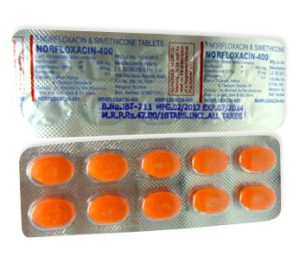
In brief
- In many countries norfloxacin 400 mg tablets are sold through pharmacies and online suppliers, but it is legally a prescription-only medicine in nearly all jurisdictions (including Australia and the EU); however availability varies and some local pharmacies or online sellers may offer it without a prescription—check local law and pharmacy policy.
- Norfloxacin is an antibacterial (a fluoroquinolone) used mainly for urinary tract infections, bacterial prostatitis, some gastrointestinal infections and as an alternative in certain sexually transmitted infections; it is bactericidal and works by inhibiting bacterial DNA gyrase and topoisomerase IV, preventing DNA replication.
- Typical adult doses: 400 mg twice daily for uncomplicated UTI (usually 3–7 days) and for many systemic infections; complicated UTI often 400 mg twice daily for 7–10 days; bacterial prostatitis 400 mg twice daily for 4–6 weeks; alternative single 800 mg dose has been used for gonorrhoea (usage limited by resistance); reduce to 400 mg once daily if creatinine clearance <30 mL/min.
- Administered orally as film-coated tablets (most commonly 400 mg); oral suspension is rare and 0.3% eye drops are available in select markets for topical ocular use.
- Norfloxacin is absorbed orally with peak plasma levels usually within about 1–2 hours; symptomatic improvement for infections is often noticed within 24–48 hours though full clinical cure depends on the infection and treatment duration.
- The plasma half-life is roughly 3–4 hours, so norfloxacin is generally dosed twice daily to maintain effect; overall treatment duration depends on indication (e.g. 3–7 days for uncomplicated UTI, 4–6 weeks for chronic prostatitis).
- Avoid heavy alcohol use while taking norfloxacin as alcohol can worsen side effects such as dizziness, gastrointestinal upset and may increase risk of adverse reactions; also take care with activities requiring alertness.
- The most common side effects are gastrointestinal complaints—nausea, abdominal pain and diarrhoea—along with headache, dizziness and skin rash; less common but important risks include photosensitivity, tendinitis/tendon rupture, CNS effects and rare hepatotoxicity.
- Would you like to try “norfloxacin” without a prescription?
Basic Norfloxacin Information
- INN (International Nonproprietary Name): Norfloxacin
- Brand Names Available In Australia: Noroxin; Norflox; Nolicin; Norfloxacina EG; Norflox (international brands noted; local availability varies)
- ATC Code: J01MA06 (Fluoroquinolone antibacterial for systemic use)
- Forms & Dosages: Tablets — 400 mg film‑coated (most common); oral suspension — not widely available; eye drops 0.3% in select markets
- Manufacturers In Australia: Not specified (international suppliers include Cipla, Sun Pharmaceutical, Dr Reddy’s, Zentiva, EG, Terapia, EMS)
- Registration Status In Australia: Not specified (registered in multiple jurisdictions internationally; check TGA for current status)
- OTC / Rx Classification: Prescription‑only medicine (Rx) in nearly all jurisdictions; sale without a valid prescription is prohibited
National Pharmacy Chains (Chemist Warehouse, Priceline, TerryWhite)
Many Australian patients expect to find common antibiotics at national chains like Chemist Warehouse, Priceline and TerryWhite Chemmart.
Norfloxacin is not typically stocked in high volume at these chains compared with ciprofloxacin or levofloxacin, according to international supply patterns.
Pharmacies will generally supply norfloxacin only on a valid prescription because it is classed as an Rx‑only medicine.
Stock levels vary between stores and between metropolitan and regional outlets, so a phone check is sensible before travel to a store.
Typical pack sizes seen in global markets are 10–14 tablets of 400 mg, and Australian stores that do hold norfloxacin usually match those pack sizes.
Expect private or imported packs to cost more than PBS‑subsidised fluoroquinolones, with private pricing varying considerably by supplier.
Pharmacists often recommend alternatives first, reflecting stewardship and local susceptibility patterns for urinary pathogens.
Ask the pharmacist for advice on price and potential PBS options for comparable agents where subsidy applies.
Online Pharmacy Trends In Australia
Online pharmacies and telehealth services have become a frequent route for urban and rural patients seeking prescription antibiotics.
Telehealth consultations linked to e‑prescriptions make it easier to obtain norfloxacin where clinicians consider it appropriate.
Many Australians use discount chains or accredited e‑pharmacies to source generics or imported packs, particularly for less commonly stocked medicines.
Importing via registered international e‑pharmacies happens, but patients should confirm manufacturer, batch and expiry on arrival.
Delivery expectations for national chains are generally quicker in capital cities and longer for regional Australia; check delivery terms at point of order.
Online listings should clearly show “Rx only” and require upload or verification of a prescription before supply.
Keep in mind stewardship messaging and local guidance often influence clinicians to prefer alternative, PBS‑listed antibiotics when suitable.
Price Ranges By Package Size (PBS Vs Private)
Price bands for norfloxacin depend on pack size (commonly 10–14 tablets at 400 mg) and whether the product is private import or PBS‑subsidised alternative.
Because norfloxacin is seldom a PBS first‑line product, most norfloxacin packs supplied privately or imported cost more than PBS alternatives.
Expect private/imported pricing to vary widely between suppliers and by manufacturer, with some budget generics priced competitively and branded imports higher.
For shoppers comparing price, a short in‑store vs online vs import price table is useful; check pharmacy listings for up‑to‑date private prices.
Pharmacists can advise on PBS alternatives such as ciprofloxacin where subsidy applies, reducing out‑of‑pocket cost for eligible patients.
Always verify prescription requirements and any dispensing fees when comparing total cost across chains and e‑pharmacies.
Forum Reviews (ProductReview, Aussie Health Forums)
Patients often ask online whether norfloxacin “works fast” and report mixed experiences across community forums.
Many Australian reviewers praise rapid symptom relief for uncomplicated urinary tract infections, typically noting improvement within 48–72 hours.
Other forum posts highlight tolerability issues such as gastrointestinal upset, dizziness and occasional tendon discomfort.
Rural posters sometimes mention delays due to limited local stock and reliance on online ordering for imported packs.
Price sensitivity is a recurrent theme; several reviewers say they preferred pharmacist advice before ordering a less familiar antibiotic.
Reported Benefits And Issues From Australian Patients
Pros and cons from consumer feedback can be summarised for quick reading.
- Pros: Fast symptom control for many uncomplicated UTIs; convenient oral dosing; effective for some prostatitis cases.
- Cons: Gastrointestinal side effects, dizziness, photosensitivity and rare tendon pain; supply variability in Australia.
What patients mean by “worked fast”: most report noticeable symptom reduction within 48–72 hours for UTIs.
Side effect severity scale (patient phrasing): mild (transient nausea), moderate (dizziness or photosensitivity affecting daily activities), severe (tendon pain or neurological symptoms requiring urgent review).
Pharmacy teams report frequent questions about interactions with antacids and sun sensitivity and an increased awareness of fluoroquinolone safety warnings.
Anecdotes can guide expectations but do not replace clinical assessment and prescription advice from a healthcare professional.
INN And Brand Names In Australia
The International Nonproprietary Name for the product is Norfloxacin.
International brand names include Noroxin, Norflox and Nolicin, with common blister packs of 400 mg tablets in 10–14 tablet packs.
Other regional brand names noted in the raw data are Norfloxacina EG, Norflox (India) and Norfloxacina Terapia (Romania).
Oral suspension and ocular formulations exist in some markets, but the 400 mg film‑coated tablet is the dominant form worldwide.
Local TGA registration must be confirmed before listing a product for supply in Australia or consider Special Access pathways where relevant.
Legal Classification (TGA‑Approved)
Norfloxacin is classified as a prescription‑only medicine (Rx) in nearly all jurisdictions, and that classification applies in most international registrations.
Historically Noroxin was withdrawn from the US/Canada markets, while generic norfloxacin remains registered across a range of countries.
For Australian product pages, include a clear “Rx only” badge and advise customers to provide a valid prescription or check Special Access arrangements.
Pharmacists should cite TGA details and confirm registration before promoting stock availability or online sale.
Approved Uses By TGA
Prescribers typically use norfloxacin for urinary tract infections and bacterial prostatitis where the organism is susceptible and an oral fluoroquinolone is appropriate.
Internationally approved indications include uncomplicated and complicated UTI, bacterial prostatitis, some gastrointestinal infections such as shigellosis, and selected prophylaxis in neutropenic patients.
Gonorrhoea has been treated with a single 800 mg dose in some settings, but resistance limits routine clinical use.
Check local Therapeutic Guidelines and TGA communications for any specific Australian approvals or restrictions before prescribing.
Off‑Label Patterns In Australian Clinics
Off‑label use of norfloxacin in Australia is uncommon but can occur for targeted therapy when culture results show susceptibility and alternatives are unsuitable.
Examples include ocular/topical use in markets where eye drops exist, or targeted therapy for resistant enteric pathogens identified by microbiology.
Clinicians tend to favour agents with safer contemporary profiles; norfloxacin use is therefore typically reserved for specific scenarios.
Prescribers should document rationale, review culture sensitivity and counsel patients about risks versus benefits when choosing a fluoroquinolone.
Layman’s Explanation Of How It Works
Norfloxacin is an antibiotic that stops bacteria from copying their DNA, which prevents them from multiplying and helps the immune system clear the infection.
It is particularly active against gram‑negative bacteria that commonly cause urinary tract infections.
Patients can think of it as a medicine that interferes with bacterial machinery needed for reproduction, leading to bacterial death.
Clinical Detail
At a cellular level norfloxacin inhibits bacterial DNA gyrase and topoisomerase IV, enzymes essential for DNA replication and cell division.
This bactericidal action yields good activity against gram‑negative Enterobacterales and supports its use in UTIs and prostatitis where tissue penetration is sufficient.
Absorption after oral dosing is generally good and elimination is primarily renal, so dose adjustment is required in renal impairment.
Important interactions include chelating agents like antacids, iron and zinc that reduce absorption, and coadministration with QT‑prolonging drugs or systemic corticosteroids which raise risk of serious adverse events.
Standard Regimens
Common adult dosing from the supplied data is 400 mg twice daily for most indications such as uncomplicated UTI (3–7 days) and complicated UTI (7–10 days).
Bacterial prostatitis is usually treated with 400 mg twice daily for 4–6 weeks.
Infectious gastroenteritis/shigellosis regimens commonly use 400 mg twice daily for 3–5 days.
A single 800 mg dose has been used as an alternative for gonorrhoea in some settings but resistance limits clinical usefulness.
Adjustments By Patient Type (Elderly, Chronic Conditions)
Children and adolescents under 18 are generally contraindicated due to risk of cartilage and joint toxicity unless used in exceptional specialist circumstances.
For creatinine clearance <30 mL/min reduce to 400 mg once daily and monitor for toxicity.
Elderly patients may require assessment of renal function and closer monitoring because of higher risk of CNS and tendon adverse effects.
Counsel patients to take tablets with water, avoid antacids/iron within ±2–4 hours and maintain hydration during therapy.
Common Contraindications
Absolute contraindications include known hypersensitivity to norfloxacin or other fluoroquinolones, pregnancy and lactation, children and adolescents under 18 (except specialist use), and prior tendon disorders associated with quinolones.
Patients with myasthenia gravis, a history of seizures or known QT prolongation need careful assessment before prescribing.
Common Side Effects
Mild adverse effects reported include nausea, abdominal pain, diarrhoea, headache, dizziness and rash.
Moderate effects can include photosensitivity, insomnia, anxiety and tendinitis; rare hepatotoxicity has been reported.
Stop treatment and seek urgent medical attention for severe tendon pain, allergic reactions, severe diarrhoea or neurologic symptoms.
Rare But Serious (Australian Safety Data)
Regulatory agencies have issued safety warnings about fluoroquinolones generally, recommending restriction because of tendinopathy, CNS effects and QT prolongation.
Although specific Australian pharmacovigilance summaries for norfloxacin are not detailed in the supplied data, clinicians should discuss risks and benefits with patients prior to initiation.
Alert patients to red flags and provide written instructions to stop and seek urgent care if severe symptoms occur.
Alternatives Table (PBS And Non‑PBS)
Consider ciprofloxacin, levofloxacin, ofloxacin and moxifloxacin as class alternatives with overlapping spectra.
Ciprofloxacin is commonly used for UTIs and is often easier to source in Australia, while levofloxacin is selected more for respiratory coverage.
When subsidy is important clinicians often choose PBS‑listed alternatives, reducing patient cost compared with private norfloxacin packs.
Pros And Cons List
- Pros: Good urinary and prostatic penetration, oral dosing convenience, effective against many gram‑negative pathogens when susceptible.
- Cons: Declining favour due to resistance and safety concerns, variable availability in Australia, and fewer local approvals compared with other fluoroquinolones.
Major Studies 2022–2025 (Australia + International)
Recent research and regulatory guidance emphasise reducing routine fluoroquinolone use because of resistance and safety signals such as tendinopathy and CNS effects.
Surveillance studies report rising Enterobacterales resistance in many regions, prompting stewardship programmes to recommend narrower or safer first‑line agents for uncomplicated UTIs.
Safety meta‑analyses and pharmacovigilance updates through the early 2020s have led authorities like the EMA and FDA to restrict indications for fluoroquinolones.
Australian antimicrobial stewardship programmes and state health services advise prescribers to prefer alternatives where effective and to document rationale when fluoroquinolones are used.
Study‑Type Headlines
- Surveillance: Increasing resistance among urinary Enterobacterales.
- Safety Meta‑analysis: Elevated risk of tendinopathy and neurological adverse events with fluoroquinolones.
- Stewardship Outcomes: Reduced fluoroquinolone prescribing lowers resistance selection pressure.
Typical Pharmacy FAQs From Australian Consultations
Can I buy without a prescription?
No — norfloxacin is legally prescription‑only in most jurisdictions; check with your prescriber or pharmacy about valid e‑prescriptions.
What if I miss a dose?
Take as soon as remembered unless it is close to the next dose; do not double up.
Can I take it with antacids?
Avoid antacids, iron, zinc, calcium and sucralfate within 2–4 hours of dosing as they reduce absorption.
Is it safe in pregnancy or breastfeeding?
No — contraindicated; consult your prescriber for safer alternatives.
How soon will I feel better?
Many patients report symptom relief within 48–72 hours for UTIs, but complete the prescribed course.
When should I stop and seek help?
If you develop new or severe tendon pain, allergic reaction, severe diarrhoea, jaundice or CNS symptoms, seek urgent care.
FAQs For Mobile Shoppers
Use a collapsible FAQ block on product pages and an interactions quick‑chart to aid rapid decision making and mobile shopping.
TGA Approval
Norfloxacin carries ATC code J01MA06 and is registered in multiple jurisdictions internationally as an Rx fluoroquinolone.
Local TGA registration status must be confirmed for Australian supply; product pages should advise pharmacists and prescribers to verify registration or consider Special Access Scheme/Authorised Prescriber pathways if necessary.
PBS Subsidy Details
Norfloxacin is not commonly cited as a PBS first‑line product in the supplied data and clinicians typically choose PBS‑listed alternatives to secure subsidy for patients.
Pharmacies should check the current PBS schedule at dispensing and before claiming subsidies for any agent used instead of norfloxacin.
Infographics: PBS Pricing And Pharmacy Networks
Design product pages with a clear price and availability table comparing in‑store chains, online pharmacy and typical import sources.
Include a dosage flowchart for UTI and prostatitis, a high‑contrast safety alert block and an interaction matrix showing antacids, QT‑prolonging drugs and corticosteroids.
Show manufacturer and packaging images for 400 mg blister packs and provide accessible alt text and concise captions.
In‑Store Vs Online Purchase Tips In Australia
Valid prescription requirement applies in most settings; telehealth linked e‑prescriptions are convenient for remote patients.
Urban shoppers may find alternative fluoroquinolones more readily at community chains; rural patients should order ahead from national chains or accredited online pharmacies.
Verify manufacturer, batch and expiry on arrival for imported packs and confirm any dispensing fees.
In our online pharmacy, norfloxacin is available without a prescription, with discreet delivery to Australia in 9‑21 days.
Storage In Australian Household Conditions (Heat/Humidity)
Store norfloxacin tablets at room temperature between 15–30°C and protect them from excessive moisture and light.
Avoid storing in bathrooms or near cooktops during hot Australian summers; consider air‑conditioned storage or insulated delivery for online orders in high heat.
Keep tablets in their original blister pack until use and keep out of reach of children.
For a missed dose follow standard advice; for suspected overdose seek emergency care as management is primarily symptomatic and supportive.
Pharmacist Guidance In Australia
Verify indication and request culture/sensitivity where available before dispensing a fluoroquinolone.
Confirm pregnancy/lactation status and age; norfloxacin is contraindicated in pregnancy and in patients under 18 except in specialist cases.
Review concomitant medicines including antacids, warfarin, QT‑prolonging agents and systemic corticosteroids and advise on monitoring or timing adjustments.
Patient Safety Recommendations
Explain dosing clearly (400 mg tablet, typical frequency/duration per indication) and renal dose adjustments for CrCl <30 mL/min — reduce to 400 mg once daily.
Warn about tendon pain, CNS effects and photosensitivity and instruct patients to stop and seek urgent care if severe symptoms arise.
Provide written information covering storage, missed‑dose rules and when to complete the course versus seek clinical review.
- Checklist For Counselling: confirm prescription, advise on interactions, review renal function and warn about red flags.
- Provide a downloadable patient information leaflet summarising the above points.
Delivery Across Australia
| City | Region | Delivery Time |
|---|---|---|
| Sydney | New South Wales | 9–14 days |
| Melbourne | Victoria | 9–14 days |
| Brisbane | Queensland | 9–14 days |
| Perth | Western Australia | 9–14 days |
| Adelaide | South Australia | 9–14 days |
| Canberra | Australian Capital Territory | 9–14 days |
| Hobart | Tasmania | 9–14 days |
| Darwin | Northern Territory | 9–14 days |
| Gold Coast | Queensland | 9–14 days |
| Newcastle | New South Wales | 9–14 days |
| Wollongong | New South Wales | 9–14 days |
| Geelong | Victoria | 9–14 days |
| Cairns | Queensland | 14–21 days |
| Townsville | Queensland | 14–21 days |