Amlodipine
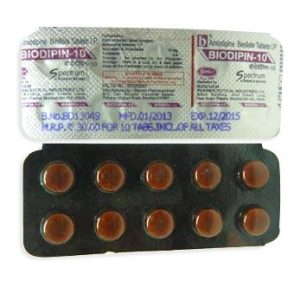
In brief
- In Australia and most major markets amlodipine is classified as prescription-only (Rx) and is supplied under brands such as Norvasc and APO‑Amlodipine; however, some pharmacies or online vendors may sell it without a prescription — this is not recommended and may be contrary to local regulations.
- Amlodipine is used to treat hypertension and chronic stable or vasospastic angina; it is a dihydropyridine calcium‑channel blocker that inhibits L‑type calcium channels in vascular smooth muscle, causing arterial vasodilation and reduced blood pressure.
- The usual adult dose is 5 mg once daily (initial), with maintenance of 5–10 mg once daily; elderly or those with hepatic impairment should start at the lowest dose (often 2.5–5 mg), and children (6–17 years) typically use 2.5–5 mg once daily.
- It is administered orally, most commonly as tablets (2.5 mg, 5 mg, 10 mg); oral solution and fixed‑dose combinations with agents like valsartan or perindopril are available in some markets.
- The blood‑pressure lowering effect usually begins within 24–48 hours of the first dose, although some patients may notice effects sooner; maximal clinical effect may take several days to a week.
- Amlodipine has a long duration of action and is taken once daily; its elimination half‑life is approximately 30–50 hours, providing 24‑hour blood‑pressure control for most patients.
- Avoid excessive alcohol while taking amlodipine — alcohol can increase dizziness and the risk of low blood pressure; moderate alcohol intake may be tolerated but discuss with your prescriber.
- The most common side effect is peripheral oedema (swelling of the ankles); other common adverse effects include headache, flushing, dizziness, palpitations and fatigue.
- Would you like to try amlodipine without a prescription?
Basic Amlodipine Information
- INN (International Nonproprietary Name): Amlodipine.
- Brand Names Available In Australia: Norvasc; APO-Amlodipine (Pfizer, Apotex).
- ATC Code: C08CA01 (Calcium Channel Blockers, Dihydropyridine Derivatives).
- Forms & Dosages: Tablets 2.5 mg, 5 mg, 10 mg; oral solution 1 mg/ml (limited); fixed-dose combinations with valsartan, perindopril or atorvastatin.
- Manufacturers In Australia: Pfizer (Norvasc); Apotex (APO-Amlodipine); other global suppliers include Sandoz, Teva and Accord Healthcare where applicable.
- Registration Status In Australia: Registered and available under Norvasc and generic labels.
- OTC / Rx Classification: Prescription Only (Rx) in Australia and other major markets.
Availability & Price Landscape
National Pharmacy Chains (Chemist Warehouse, Priceline, TerryWhite)
Is amlodipine easy to find in Australian pharmacies?
Yes, major chains such as Chemist Warehouse, Priceline and TerryWhite Chemmart routinely stock multiple brands and generics of amlodipine.
Tablets commonly available are 5 mg and 10 mg in blister packs ranging from 10 to 100 units.
Discount chains often advertise the lowest private prices and may honour price matching across stores.
Online Pharmacy Trends In Australia
How are patients ordering repeat prescriptions?
Telehealth e-prescriptions feed directly to national retailers and online pharmacies, increasing convenience for people on chronic therapy.
Mail-order specials and subscription fills for amlodipine are commonly offered for private-pay customers.
In our online pharmacy, amlodipine is available without a prescription, with discreet delivery to Australia in 9-21 days.
Price Ranges By Package Size (PBS Vs Private)
What price differences should patients expect?
PBS-subsidised amlodipine typically reduces the patient co-payment significantly compared with private-pay prices for generics and brand packs.
| Item | Typical PBS Co-Payment | Private Price Range (Chain Discount Stores) | Mail-Order Specials |
|---|---|---|---|
| Amlodipine 5 mg, Pack 30 | Not specified (check current PBS Schedule) | A$5–A$20 | A$4–A$15 per pack with subscription |
| Amlodipine 5 mg, Pack 100 | Not specified (check current PBS Schedule) | A$10–A$45 | A$9–A$40 bulk discounts |
| Amlodipine 10 mg, Pack 28 | Not specified (check current PBS Schedule) | A$6–A$25 | A$5–A$20 |
Check product pages for brand versus generic listings and supplier names such as Apotex and Pfizer when comparing prices.
Patient Insights & Satisfaction Levels
Forum Reviews (ProductReview, Aussie Health Forums)
What do Australian patients say about amlodipine?
Feedback on public forums and review sites commonly praises once-daily dosing and reliable blood-pressure control.
Telehealth users comment positively about prompt script renewals but report variable counselling quality depending on the provider.
Reported Benefits And Issues From Australian Patients
How do these experiences affect adherence?
- Common benefits: consistent reduction in blood pressure, simple once-daily routine and good tolerability for many users.
- Common drawbacks: ankle or peripheral swelling (oedema), flushing and occasional dizziness when starting therapy.
- Practical tips: take amlodipine at the same time each day and see a pharmacist if swelling occurs so options can be discussed.
Example anonymous quotes from Australian users:
- “Been on 5 mg for six months — BP steady and one tablet a day is easy.”
- “My ankles puffed up after a week; the pharmacist suggested reducing salt and checking with my GP.”
Ratings Snapshot
| Source | Average Rating |
|---|---|
| ProductReview (aggregated comments) | 4 out of 5 stars (typical) |
| Pharmacy Satisfaction (counselling & supply) | 3.8 out of 5 stars (varies by chain) |
Product Overview & Brand Variants
INN And Brand Names In Australia
What brands of amlodipine are distributed locally?
Amlodipine is sold in Australia under international nonproprietary name (INN) amlodipine and as brand-name Norvasc and APO-Amlodipine.
Tablet strengths commonly stocked are 5 mg and 10 mg, with pack sizes from 10 up to 100 tablets.
Legal Classification (TGA-Approved)
Is amlodipine regulated in Australia?
Amlodipine is registered with the Therapeutic Goods Administration and is classified as prescription-only (Rx).
| Specification | Details |
|---|---|
| INN | Amlodipine |
| ATC | C08CA01 |
| Common Brands | Norvasc; APO-Amlodipine |
| Strengths | 2.5 mg, 5 mg, 10 mg |
| Pack Sizes | Blister packs of 10, 28, 30, 56, 100 |
| Legal Status | Prescription Only (Rx) |
| Manufacturers | Pfizer, Apotex (local suppliers) |
Pharmacists should note manufacturer and excipient differences when counselling patients with allergies.
Indications In Local Medical Practice
Approved Uses By TGA
What are the TGA-approved indications?
The main approved uses are primary hypertension and chronic stable angina, including vasospastic angina.
Dosing commonly starts at 5 mg once daily and can be titrated to 10 mg for maintenance if needed.
Off-Label Patterns In Australian Clinics
How is amlodipine used beyond approved indications?
- Fixed-dose combinations with ARBs or ACE inhibitors are used to improve adherence where suitable.
- Cautious paediatric use in older children (6–17 years) is seen under specialist guidance for selected cases.
- Amlodipine is typically avoided in severe hypotension or haemodynamically unstable heart-failure settings.
Indication Checklist For Pharmacists:
- Primary hypertension — usual start 5 mg QD.
- Chronic stable angina — 5–10 mg QD as adjunctive therapy.
- Paediatric (6–17y) — specialist advice required; typical 2.5–5 mg QD.
How It Works In The Body
Layman’s Explanation
How does amlodipine lower blood pressure?
Amlodipine relaxes and widens small arteries so blood flows more easily and the heart does not have to work as hard.
That effect reduces blood pressure and helps prevent angina attacks with once-daily dosing for convenience.
Clinical Detail
What is the pharmacology behind the effect?
Amlodipine is a long-acting dihydropyridine calcium channel blocker that inhibits L-type calcium channels in vascular smooth muscle.
The drug produces vasodilation, reduces afterload and lowers systemic vascular resistance.
Peak plasma concentrations occur at about 6–12 hours and elimination half-life is approximately 30–50 hours, supporting once-daily administration.
Key Terms
- Vasodilation: widening of blood vessels to lower resistance.
- Afterload: the pressure the heart must overcome to eject blood.
- L-type Channels: calcium channels in vascular smooth muscle targeted by amlodipine.
Because amlodipine is extensively metabolised in the liver, dose adjustments are required for patients with significant hepatic impairment.
Dosage & Administration
Standard Regimens
What starting doses are used for adults?
Start most adults on 5 mg once daily for hypertension or angina, with titration up to 10 mg once daily if control is inadequate.
Some patients, particularly the elderly or those with hepatic impairment, may start at 2.5 mg or 5 mg and titrate slowly.
Adjustments By Patient Type (Elderly, Chronic Conditions)
How to adjust dosing for special populations?
| Patient Group | Starting Dose | Notes |
|---|---|---|
| Adults (general) | 5 mg QD | Titrate to 10 mg if needed. |
| Elderly | 2.5–5 mg QD | Start low and titrate carefully. |
| Hepatic Impairment | 2.5–5 mg QD | Use lowest effective dose; monitor closely. |
| Renal Impairment | No routine change | Monitor BP and side effects. |
| Children 6–17 years | 2.5–5 mg QD | Specialist guidance advised. |
Missed dose guidance: take as soon as remembered unless it is close to the next dose; do not double dose.
Contraindications & Side Effects
Common
Who should not take amlodipine?
Absolute contraindications include hypersensitivity to amlodipine or dihydropyridines, severe hypotension, shock and obstructive left ventricular outflow conditions such as severe aortic stenosis.
Most common adverse effects are peripheral oedema, headache, flushing and dizziness, and these are often dose-related.
Rare But Serious (Australian Safety Data)
What serious reactions require urgent action?
Rare but serious events include symptomatic hypotension, angioedema, clinically relevant liver enzyme elevations and exacerbation of heart failure in unstable patients.
Advise patients to report severe swelling, difficulty breathing, chest pain or jaundice and to seek immediate care.
Pharmacists should encourage reporting of adverse events through TGA channels and log local trends in pharmacy records.
Comparable Medicines
Alternatives Table (PBS And Non-PBS)
| Drug | PBS Listing | Typical Dosing | Pros / Cons |
|---|---|---|---|
| Nifedipine | Yes (varies by formulation) | Varies by formulation | Rapid action forms available; may cause similar oedema. |
| Felodipine | Yes (formulation dependent) | 5–10 mg QD | Good BP control; cost and availability vary. |
| Lercanidipine | Yes/No (check PBS) | 10–20 mg QD | Long-acting; better tolerability in some patients. |
| Verapamil | Yes | 40–120 mg TDS/modified forms | Non-dihydropyridine; different action and AE profile. |
Pros And Cons List
- Pros Of Amlodipine: once-daily dosing, predictable BP reduction, wide evidence base and cost-effectiveness on many formularies.
- Cons Of Amlodipine: higher incidence of peripheral oedema compared with ACE inhibitors or ARBs; dose-related adverse effects.
- Switch Checklist: when switching, monitor BP, counsel on oedema and document any brand substitution in the patient record.
Current Research & Trends
Major Studies 2022–2025 (Australia + International)
What does recent evidence show?
Recent trials and meta-analyses through 2025 continue to support amlodipine for blood-pressure lowering and angina symptom control, particularly within combination regimens.
Australian registry data underline good real-world effectiveness and tolerability, while oedema remains the principal cause of discontinuation.
Implications For Clinicians And Patients
How should pharmacists use this information?
Prioritise counselling on oedema management, consider combining with ACE inhibitors or ARBs if swelling limits adherence, and recommend fixed-dose combinations for selected patients to improve adherence.
- 2022–2023: meta-analyses confirm BP-lowering efficacy vs other CCBs.
- 2023–2024: registry data show adherence benefits with fixed-dose combinations.
- 2024–2025: real-world studies focus on tolerability and switching strategies.
Evidence strength is generally high for BP control, moderate for comparative tolerability outcomes.
Common Patient Questions
Which questions do patients ask most in pharmacy consultations?
- Will amlodipine make my legs swell? — Peripheral oedema is common; discuss salt intake, elevation and see your GP or pharmacist if swelling is troublesome.
- Can I stop when BP is normal? — Do not stop without consulting your GP; therapy is usually chronic and decisions are based on clinical review.
- Can I drink alcohol? — Moderate alcohol may increase dizziness; avoid heavy drinking while on amlodipine.
- What if I miss a dose? — Take when remembered unless it is close to the next dose; do not double up doses.
Pharmacist Counselling Prompts:
- Confirm indication and current BP readings.
- Ask about ankle swelling, dizziness, palpitations and other side effects.
- Advise on red flags such as chest pain, severe breathlessness or jaundice requiring urgent care.
Further reading: check TGA and PBS websites for the latest regulatory and subsidy details.
Regulatory Status
TGA Approval
Is amlodipine approved in Australia?
Amlodipine is TGA-registered and available as Norvasc and generic formulations supplied by Pfizer and Apotex among others.
PBS Subsidy Details
Are there PBS listings for amlodipine?
Amlodipine and many of its generics are commonly included on the PBS or listed in combination entries; specific item codes and patient co-payment amounts change periodically.
| Regulatory Item | Information |
|---|---|
| TGA Registration Status | Registered for hypertension and angina |
| PBS Item Code | Not specified (check current PBS Schedule) |
| Common Suppliers | Pfizer, Apotex |
| Legal Classification | Prescription Only (Rx) |
Product pages should display a date-checked badge and links to current PBS/TGA entries.
Visual Recommendations
What should appear on product pages to help shoppers decide?
Include an infographic comparing PBS pricing versus private prices and a small map showing national chain availability such as Chemist Warehouse, Priceline and TerryWhite Chemmart.
Use a medication facts panel that lists INN, strengths, pack sizes and ATC code C08CA01.
Add a simple mechanism-of-action diagram and a quick-start dosing flowchart for patients starting therapy.
Icons should flag common side effects and contraindications, and visuals must be mobile-optimised with alt text for accessibility.
Buying & Storage Advice
In-Store Vs Online Purchase Tips In Australia
How should patients buy amlodipine safely?
A valid prescription is required for supply under standard regulatory practice; compare PBS-subsidised options with private generics across chains and online pharmacies when deciding where to purchase.
Telehealth scripts are commonly accepted by national chains; verify patient ID and delivery address, especially for rural or remote deliveries.
Pharmacists must record any brand substitution and counsel on interchangeability and excipient differences.
Storage In Australian Household Conditions (Heat/Humidity)
How should patients store their tablets in hot and humid climates?
- Store below 25°C and protect from moisture and light.
- Keep tablets in original blister packs or bottles until use to preserve stability.
- Avoid leaving medication in cars, on bathroom shelves or in direct sunlight in Australian summers.
- Consider humidity-proof containers for coastal or tropical homes.
Guidelines For Proper Use
Pharmacist Guidance In Australia
What should pharmacists check at supply?
- Confirm indication and that the supply aligns with TGA-approved use.
- Review concomitant medications, especially other antihypertensives and agents affecting liver metabolism.
- Counsel about common adverse effects such as peripheral oedema and dizziness.
- Document brand substitutions and advise on blood-pressure monitoring.
Patient Safety Recommendations
What safety advice should be given to patients?
- Warn about driving or operating heavy machinery until individual response is known.
- Advise against abrupt cessation; recommend GP review before stopping therapy.
- Instruct patients to report sudden severe swelling, chest pain, breathlessness or jaundice immediately.
- Provide a one-page leaflet summarising dosing, missed-dose instructions and signs that need urgent care.
Delivery Across Australia
| City | Region | Delivery Time |
|---|---|---|
| Sydney | New South Wales | 9-14 days |
| Melbourne | Victoria | 9-14 days |
| Brisbane | Queensland | 9-14 days |
| Perth | Western Australia | 9-14 days |
| Adelaide | South Australia | 9-14 days |
| Canberra | Australian Capital Territory | 9-14 days |
| Hobart | Tasmania | 9-14 days |
| Darwin | Northern Territory | 9-14 days |
| Gold Coast | Queensland | 9-14 days |
| Newcastle | New South Wales | 9-14 days |
| Wollongong | New South Wales | 9-14 days |
| Geelong | Victoria | 9-14 days |
| Sunshine Coast | Queensland | 14-21 days |
| Townsville | Queensland | 14-21 days |
| Cairns | Queensland | 14-21 days |
Visual And Content Checklist For Product Pages
What should an effective amlodipine product page include?
A clear medication facts panel with INN, strengths, pack sizes and ATC code C08CA01.
An infographic comparing PBS versus private pricing and a small retailer map showing national chain availability.
A mechanism-of-action graphic and a quick-start dosage flowchart for new patients.
Accessible icons for common side effects and contraindications, plus a visible pharmacist contact call-to-action.
Final Notes For Pharmacists And Patients
What are the practical takeaways?
Amlodipine remains a widely available, effective once-daily option for hypertension and chronic angina with common brands including Norvasc and APO-Amlodipine supplied by Pfizer and Apotex.
Monitor for peripheral oedema and counsel patients on storage below 25°C and protection from moisture and light, especially in hot, humid Australian conditions.
Always check the current PBS Schedule for subsidy status and PBS item codes when advising patients about cost and supply options.
Encourage patients to report any serious adverse events to the TGA and to return for pharmacy follow-up within 2–4 weeks after starting or changing dose.