
Cholesterol
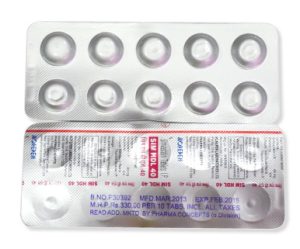
Lipex
from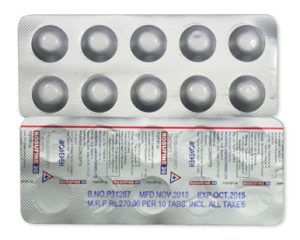
Crestor
from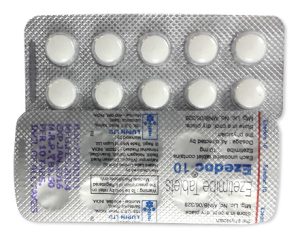
Ezetrol
from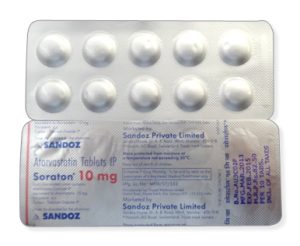
Atorvachol
from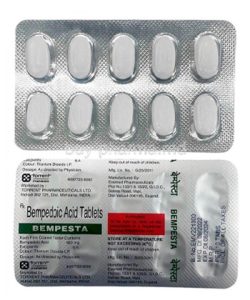
Bempedoic Acid
fromUnderstanding Cholesterol and Why It Matters
Cholesterol is a waxy, fat-like substance found in your blood and every cell in your body. Your liver produces most of the cholesterol you need for important functions like making hormones, vitamin D, and digestive juices. However, cholesterol also comes from foods, particularly animal products such as meat, dairy, and eggs. When cholesterol levels become too high, it can build up in your arteries, increasing your risk of heart disease and stroke. Managing cholesterol is essential for maintaining good cardiovascular health and preventing serious complications.
High cholesterol often has no symptoms, which is why regular blood tests are crucial for monitoring your levels. Many Australians don’t realise they have elevated cholesterol until a routine check-up reveals the problem. This silent nature of the condition makes proactive health management and regular screening particularly important for protecting your long-term health.
Types of Cholesterol and Healthy Levels
There are two main types of cholesterol: LDL (low-density lipoprotein), often called “bad cholesterol,” and HDL (high-density lipoprotein), known as “good cholesterol.” LDL carries cholesterol to your arteries, where it can accumulate and form plaques that narrow blood vessels and restrict blood flow. HDL helps remove cholesterol from your arteries and transport it to your liver for disposal, protecting your cardiovascular system.
You also need to monitor triglycerides, another type of fat in your blood that contributes to heart disease risk when elevated. Healthy cholesterol levels are generally less than 5.2 mmol/L for total cholesterol, with LDL below 2.6 mmol/L being ideal. Your doctor can determine your personal target based on your individual health risk factors and medical history, taking into account factors such as family history, age, smoking status, and existing health conditions.
Statins: The Most Prescribed Cholesterol Medications
Statins are the most commonly prescribed medications for managing high cholesterol in Australia. These drugs work by blocking an enzyme in your liver that produces cholesterol, effectively lowering your LDL levels and reducing your cardiovascular risk. Available statins in Australia include atorvastatin, simvastatin, pravastatin, and rosuvastatin, which are available under various brand names and in different strengths.
Atorvastatin is particularly popular due to its effectiveness and ability to be taken in flexible dosages suited to individual needs. Most statins are taken as once-daily tablets, usually in the evening, and are generally well-tolerated by most people. Common side effects may include muscle aches or digestive discomfort, though serious side effects are rare. Your doctor will prescribe the appropriate statin based on your cholesterol levels and overall health profile, considering any other medications you may be taking.
Alternative Cholesterol-Lowering Medications
Beyond statins, several other medication options are available for managing cholesterol in Australia. These alternatives can be used alone or in combination with statins to achieve better results:
- Ezetimibe works by reducing cholesterol absorption in your intestines and is often combined with statins for enhanced effect
- Fibrates like fenofibrate are particularly effective at lowering triglycerides and may be used alongside other medications
- PCSK9 inhibitors represent a newer class of drugs that significantly reduce LDL cholesterol and are typically prescribed for people who don’t respond adequately to statins
- Bempedoic acid is another newer option that reduces uric acid whilst lowering cholesterol
- Bile acid sequestrants bind cholesterol in your digestive system, preventing absorption and removing it from your body
Your pharmacist can explain how these medications work and help you understand which option might be suitable for your situation. They can also advise on any potential interactions with other medicines you’re taking and help manage any side effects you may experience.
Lifestyle Changes and Natural Approaches
Whilst medication is important for many people, lifestyle modifications play a crucial role in managing cholesterol. A heart-healthy diet rich in fruits, vegetables, whole grains, and lean proteins can naturally lower your cholesterol levels. Reducing saturated fats and trans fats is particularly important, as these contribute to higher LDL cholesterol. Choosing lean meats, low-fat dairy products, and plant-based options can make a significant difference to your cholesterol profile.
Regular physical activity, aiming for at least 150 minutes of moderate exercise per week, helps raise HDL cholesterol and supports overall cardiovascular health. This could include brisk walking, swimming, cycling, or any activity that gets your heart rate up. Maintaining a healthy weight, limiting alcohol consumption, and quitting smoking are essential steps in your cholesterol management plan. Plant sterols found in fortified foods and supplements can also help reduce cholesterol absorption, providing a natural boost to your dietary efforts.
Many Australians successfully manage their cholesterol through a combination of these lifestyle changes and, when necessary, medication prescribed by their healthcare provider. The key is finding a sustainable approach that works for you and your individual circumstances.
Monitoring and Managing Your Cholesterol Journey
Regular monitoring is essential for effective cholesterol management and ensuring your treatment plan is working effectively. Your doctor typically recommends blood tests every three to six months when starting new medications or making changes to your treatment. These tests measure your total cholesterol, LDL, HDL, and triglyceride levels, providing a clear picture of your cardiovascular health and progress towards your targets.
It’s important to take your cholesterol medication consistently as prescribed, even when you feel well, since high cholesterol usually has no symptoms. Your pharmacist is an excellent resource for answering questions about your medication, potential side effects, and interactions with other drugs or supplements you may be taking. Many Australian pharmacies offer comprehensive medication review services to ensure you’re getting the most benefit from your treatment.
Keeping a record of your cholesterol levels helps you and your doctor track progress and adjust your treatment plan as needed. Combining medication adherence with lifestyle changes provides the best chance of achieving your cholesterol targets and reducing your cardiovascular disease risk for years to come. Don’t hesitate to discuss any concerns or difficulties with your healthcare team—they’re here to support you on your journey to better health.