Lipex
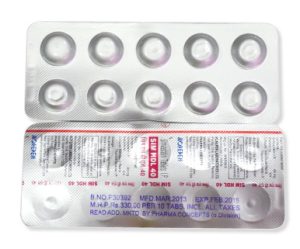
In brief
- In many countries simvastatin (Lipex) is prescription-only, but in our pharmacy you can buy lipex without a prescription with delivery across Australia and discreet packaging.
- Lipex (simvastatin) is used to lower LDL cholesterol for primary and mixed hyperlipidaemia, reduce cardiovascular risk and treat familial hypercholesterolaemia; it works as an HMG-CoA reductase inhibitor, reducing cholesterol biosynthesis in the liver.
- Usual adult starting dose is 10–20 mg once daily; typical maintenance 10–40 mg once daily; for homozygous familial hypercholesterolaemia commonly 40 mg once daily (may be increased up to 80 mg under specialist supervision); children ≥10 years: 10–40 mg once daily.
- The drug is administered orally as a film‑coated tablet, usually taken once daily in the evening.
- Lipid‑lowering effects begin within 1–2 weeks, with maximal LDL reduction typically seen around 4–6 weeks.
- Pharmacologic half‑life is short (~2–3 hours) but the cholesterol‑lowering effect is maintained with daily dosing; treatment is intended as long‑term therapy.
- Avoid excessive alcohol and do not use if you have active liver disease; alcohol increases the risk of liver injury and may worsen the risk of myopathy when taking statins.
- The most common side effect is headache; muscle pain (myalgia) and elevated liver enzymes are also frequently reported, with rare serious events such as rhabdomyolysis.
- Would you like to try lipex without a prescription?
Basic Lipex Information
- INN (International Nonproprietary Name): Simvastatin.
- Brand Names Available In Australia: Zocor; other international brand names include Vascor, Denan, Simvacard, Simvar, Lipex, Simlup, Synvinolin (local availability may vary).
- ATC Code: C10AA01.
- Forms & Dosages: Film-coated oral tablets in strengths 5 mg, 10 mg, 20 mg, 40 mg, 80 mg; typical packaging in blisters of 10, 20, 28, 30, 60, or 90 tablets.
- Manufacturers In Australia: Not specified in the provided product data (generic manufacturers internationally include Sandoz, Teva, Mylan, Actavis, Egis, Sun Pharma, Aurobindo; originator Merck & Co.).
- Registration Status In Australia: Not specified in the provided product data.
- OTC / Rx Classification: Prescription only (Rx) universally.
Availability & Price Landscape
National Pharmacy Chains (Chemist Warehouse, Priceline, TerryWhite)
Where people usually look first is the major chains: Chemist Warehouse, Priceline and TerryWhite Chemmart stock simvastatin in multiple strengths.
Generics and originator brands are commonly available in 5 mg to 40 mg strengths in those outlets.
Community pharmacists at these chains provide PBS advice and private‑pay options and can discuss brand versus generic substitution and typical blister sizes.
- Chemist Warehouse — often competitive on generic simvastatin pricing and home delivery options.
- Priceline — pharmacist counselling and private‑pay pack options; PBS scripts accepted where applicable.
- TerryWhite Chemmart — in‑store clinical advice and assistance with PBS authority forms when needed.
- Brand examples you may encounter: Zocor, Lipex and multiple generic simvastatin products from international manufacturers.
Online Pharmacy Trends In Australia
Telehealth e‑prescriptions and online pharmacies have increased access for rural and busy patients seeking simvastatin tablets.
Many legitimate online outlets list simvastatin 5–40 mg with home delivery, and pharmacists check prescriptions before dispensing.
Always verify the supplier is TGA‑approved or a registered Australian pharmacy and confirm PBS coverage for scripts where appropriate.
Watch for faux discount sites and unregistered sellers; only order from accredited pharmacies that require a valid prescription or telehealth pathway.
Price Ranges By Package Size (PBS Vs Private)
Simvastatin typically comes in film‑coated tablets 5 mg, 10 mg, 20 mg and 40 mg in blisters of 10–90 tablets.
PBS listings determine subsidised patient co‑payments; private prices vary by brand and pack size with generics cheapest.
| Pack Size | PBS Subsidised Price (Typical) | Private Retail Range (Typical) |
|---|---|---|
| 10 tablets | Depends on PBS item number and concession status. | $6–$20 for generics; originator brands higher. |
| 28–30 tablets | Depends on PBS listing and patient contribution. | $10–$40 private range depending on brand and chain. |
| 60 tablets | Available under PBS for eligible patients with co‑payment. | $20–$70 private range. |
| 90 tablets | Large pack PBS arrangements possible for chronic therapy. | $30–$90 private range. |
Patient Insights & Satisfaction Levels
Forum Reviews (ProductReview, Aussie Health Forums)
“Been on simvastatin for two years — cholesterol down, no dramas apart from a little tiredness at first.” — typical ProductReview style quote.
“Ordered through a rural online pharmacy; arrived in a discreet parcel and saved on travel.” — a rural user report commonly seen in regional forums.
“Had muscle aches, pharmacist suggested CK check and GP adjusted dose.” — example of a pragmatic patient pathway reported online.
- Overall sentiment: pragmatic and mixed, with many satisfied about LDL reductions and convenience.
- Common complaints: muscle aches and perceived fatigue prompting medical review.
- Rural users report good satisfaction with home delivery; urban patients highlight pharmacist counselling as decisive for sticking with therapy.
Reported Benefits And Issues From Australian Patients
Benefits commonly reported include measurable LDL reductions and the convenience of once‑daily dosing.
Cost is a strong adherence driver when PBS‑subsidised options are used.
Issues reported include myalgia (ask your pharmacist if concerned), interactions with grapefruit and some antibiotics, and occasional need for liver enzyme monitoring.
Real‑world adherence drivers are price sensitivity, trust in pharmacist advice and continuity from telehealth or local GP follow‑up.
Product Overview & Brand Variants
INN And Brand Names In Australia
INN: Simvastatin, the active substance used in multiple branded and generic products.
Brands circulating internationally include Zocor and Lipex, and generics labelled simply as simvastatin tablets are common across strengths 5–40 mg.
Pack formats align with blister sizes such as 10, 20, 28, 30, 60 and 90 tablets.
- INN: Simvastatin.
- Common brands you may see: Zocor, Lipex, plus many generics from multinational suppliers.
- Pack formats: blisters of 10–90 tablets, strengths 5–40 mg commonly stocked.
Legal Classification (TGA‑Approved)
Simvastatin is a prescription‑only medicine and regulated by the Therapeutic Goods Administration framework in Australia.
Dispensing requires a valid prescription, and PBS listings determine subsidy eligibility for specific strengths and brands.
ATC code is C10AA01 and the pharmacological class is HMG‑CoA reductase inhibitor (statin).
Manufacturers internationally include Merck (originator) and multiple generic producers such as Sandoz and Teva; local supply depends on sponsor/importer registrations.
Indications In Local Medical Practice
Approved Uses By TGA
TGA‑aligned indications reflect international guidance for primary hyperlipidaemia, mixed dyslipidaemia, homozygous familial hypercholesterolaemia and cardiovascular risk reduction.
Typical starting doses are 10–20 mg once daily with titration as needed; doses for cardiovascular risk reduction commonly 20–40 mg once daily.
| Indication | Typical Adult Dose |
|---|---|
| Primary Hyperlipidaemia / Mixed Dyslipidaemia | 10–20 mg once daily (titrate up to 40 mg as required). |
| Homozygous Familial Hypercholesterolaemia | 40 mg once daily in the evening (higher doses used in specialist care; up to 80 mg historically). |
| Cardiovascular Risk Reduction | 20–40 mg once daily depending on risk profile. |
Off‑Label Patterns In Australian Clinics
Off‑label prescribing is uncommon; clinicians sometimes adjust timing and titration to patient routines with evening dosing preferred.
GPs reserve higher doses for documented high risk or familial cases and balance PBS criteria with safety monitoring.
How It Works In The Body
Layman’s Explanation
Simvastatin reduces the liver’s production of cholesterol by blocking an enzyme called HMG‑CoA reductase.
That causes the liver to remove more LDL cholesterol from the blood, lowering the chance of plaque build‑up in arteries and reducing long‑term risk of heart attack and stroke.
There is no immediate sensation from taking a statin; benefits are measured in cholesterol tests and long‑term outcomes.
Clinical Detail
ATC C10AA01 classifies simvastatin as an HMG‑CoA reductase inhibitor working in hepatic cholesterol synthesis pathways.
Simvastatin is metabolised largely via CYP3A4, so drugs or foods that alter CYP3A4 activity can change plasma levels and risk of adverse effects.
Peak clinical effect on LDL is reached over several weeks and LDL reduction is dose dependent, with higher doses providing greater LDL lowering but increasing myopathy risk.
Dosage & Administration
Standard Regimens
Adults commonly start at 10–20 mg once daily and titrate every minimum 4 weeks based on LDL response and tolerance.
Doses up to 40 mg are routinely used; 80 mg has been used historically but carries a higher myopathy risk and requires specialist consideration.
Evening dosing is recommended because endogenous cholesterol synthesis peaks overnight.
| Starting Dose | Titration |
|---|---|
| 10 mg once daily | Increase to 20 mg after ≥4 weeks if needed. |
| 20 mg once daily | Increase to 40 mg after ≥4 weeks if LDL target not met and tolerated. |
| 40 mg once daily | Consider specialist review for higher doses due to myopathy risk. |
Adjustments By Patient Type (Elderly, Chronic Conditions)
Elderly patients should use the lowest effective dose and be monitored for muscle symptoms.
Active liver disease is a contraindication; baseline ALT/AST should be checked before starting and as clinically indicated thereafter.
Severe renal impairment may require dose limits (max 10 mg/day unless benefits outweigh risks).
Children aged 10–17 with heterozygous familial hypercholesterolaemia may use 10–40 mg guided by specialist advice.
If a dose is missed, take as soon as remembered unless it is near the next dose; never double up.
Contraindications & Side Effects
Common
Common mild adverse effects include headache, abdominal pain, nausea, constipation and upper respiratory symptoms.
Moderate effects to watch for are myalgia, muscular cramps and elevated liver enzymes.
Counselling points: report unexplained muscle pain, weakness or dark urine promptly and discuss any new medications with your pharmacist.
- Report: new or severe muscle pain, particularly with fever or malaise.
- Check: baseline liver tests before starting and periodic monitoring thereafter.
- Avoid: grapefruit juice and discuss antibiotics or antifungals with your pharmacist.
Rare But Serious (Australian Safety Data)
Rare but serious reactions include rhabdomyolysis and severe hepatic dysfunction.
Absolute contraindications include active liver disease, pregnancy and breastfeeding, known hypersensitivity and co‑administration with potent CYP3A4 inhibitors such as certain antifungals, macrolide antibiotics and HIV protease inhibitors.
Clinicians should monitor liver function tests at baseline and as clinically indicated during therapy.
Comparable Medicines
Alternatives Table (PBS And Non‑PBS)
| INN / Brand | Typical Doses | PBS Status | Key Advantage |
|---|---|---|---|
| Atorvastatin (Lipitor) | 10–80 mg | Available on PBS for certain indications | More potent LDL lowering for high‑risk patients. |
| Rosuvastatin (Crestor) | 5–40 mg | Available on PBS for defined indications | High potency and longer half‑life. |
| Pravastatin (Pravachol) | 10–40 mg | Available on PBS for some indications | Fewer CYP interactions. |
| Fluvastatin (Lescol) | 20–80 mg | Less commonly used | Slightly lower potency; alternative for intolerance. |
Pros And Cons List
- Simvastatin Pros: low cost with generic options, well‑established safety profile, effective LDL lowering at moderate doses.
- Simvastatin Cons: interactions via CYP3A4 (grapefruit), increased myopathy risk when combined with fibrates or niacin, less potent than atorvastatin or rosuvastatin.
- When To Consider Switching: documented intolerance, inadequate LDL lowering, or problematic drug interactions.
Current Research & Trends
Major Studies 2022–2025 (Australia + International)
Recent literature focuses on personalised lipid management, clearer definitions of statin intolerance and combination therapy such as statin plus ezetimibe or PCSK9 inhibitors for very high‑risk patients.
Large meta‑analyses continue to support statins’ mortality benefit while ongoing work refines risk stratification and monitoring strategies for myopathy.
Guideline trends favour higher‑potency statins for very high‑risk patients, with simvastatin used where cost and access are key considerations or for maintenance when tolerated.
Market And Prescribing Trends
In Australia there has been a shift toward atorvastatin and rosuvastatin for very high‑risk patients, while simvastatin remains commonly prescribed for PBS‑eligible patients and as long‑term maintenance therapy.
Telehealth, discount chains and online pharmacies sustain access in regional and rural areas and keep price‑sensitive patients engaged with therapy.
Common Patient Questions
FAQs From Australian Pharmacy Consultations
- Can I take grapefruit juice? Avoid grapefruit juice as it can raise simvastatin levels and increase risk of muscle problems.
- What if I get muscle pain? Stop and seek advice from a pharmacist or GP; a CK test may be arranged to rule out significant muscle injury.
- Can I switch to generic? Yes — generics (including Lipex or other simvastatin generics) are bioequivalent; discuss interchange with the pharmacist.
Practical Counselling Points
Take simvastatin in the evening to align with nocturnal cholesterol synthesis for best effect.
If you miss a dose, take it when remembered unless the next dose is due soon; do not double doses.
Avoid combining simvastatin with potent CYP3A4 inhibitors (some macrolides and antifungals) without medical advice.
Simvastatin is contraindicated in pregnancy and breastfeeding — discuss contraception if relevant.
Regulatory Status
TGA Approval
Simvastatin is regulated under Austral ian prescription medicine frameworks and is dispensed only on a valid prescription.
Packaging and marketing authorisations may list local sponsors or importers; clinicians and pharmacists reference ATC C10AA01 for professional classification.
- Regulatory checklist: prescription‑only medicine; baseline LFTs recommended; monitor lipid response and adverse events.
PBS Subsidy Details
PBS listing determines patient co‑payment for simvastatin and which strengths or brands are subsidised under the Schedule.
Many generic simvastatin formulations are commonly PBS‑listed; check the PBS Schedule or ask your pharmacist for current item numbers and costs.
For private (non‑PBS) scripts, prices vary by chain and pack size — PBS status is a key counselling point for cost‑sensitive patients.
Visual Recommendations
Create an infographic tile comparing simvastatin, atorvastatin and rosuvastatin showing relative potency, main interactions and PBS status for in‑store shelf signage.
Include a patient flowchart for new statin starts: baseline tests → start dose → 4‑week lipid check → titrate or monitor.
Provide quick‑reference tiles for pack sizes, common dosing steps and a prominent interaction warning badge for grapefruit and CYP3A4 inhibitors.
Consider adding a QR code that links to the PBS or TGA pages for easy patient access to official subsidy and safety information.
Buying & Storage Advice
In‑Store Vs Online Purchase Tips In Australia
Buy from TGA‑registered pharmacies and use PBS prescriptions when eligible to reduce out‑of‑pocket costs.
For online purchases confirm pharmacy accreditation and a valid prescription or telehealth pathway before ordering.
A note on availability in our online pharmacy: lipex is available without a prescription, with discreet delivery to Australia in 9-21 days.
Avoid unlabelled or unapproved imports from overseas sellers that do not require prescriptions or professional oversight.
Storage In Australian Household Conditions (Heat/Humidity)
Store simvastatin below 25°C in the original container and keep it protected from moisture and light.
In hot or humid Australian homes avoid storing tablets in bathrooms or in direct sunlight and keep medications out of reach of children.
When travelling do not leave tablets in a parked car or exposed to high temperatures; transport under standard conditions and protect from heat.
Guidelines For Proper Use
Pharmacist Guidance In Australia
Pharmacists should verify the indication, review concurrent medicines for CYP3A4 interactions and check for fibrate co‑prescription risks.
Counsel patients on adverse effects, the need for baseline LFTs and lipid panels and arrange follow‑up after dose changes.
Provide clear written advice on missed doses and instructions on when to seek urgent care for severe muscle symptoms.
Patient Safety Recommendations
Stop simvastatin and seek urgent medical review if severe muscle pain, weakness or dark urine develop.
Avoid pregnancy while taking simvastatin and discuss contraception planning with your GP or pharmacist.
Inform your pharmacist or GP before starting new medicines such as macrolide antibiotics that may interact; temporary statin cessation may be advised in some cases.
Provide a safety checklist and a short counselling script pharmacies can print for patients starting simvastatin.
Delivery Across Australia
| City | Region | Delivery Time |
|---|---|---|
| Sydney | New South Wales | 9-14 days |
| Melbourne | Victoria | 9-14 days |
| Brisbane | Queensland | 9-14 days |
| Perth | Western Australia | 9-14 days |
| Adelaide | South Australia | 9-14 days |
| Canberra | Australian Capital Territory | 9-14 days |
| Hobart | Tasmania | 9-14 days |
| Darwin | Northern Territory | 9-14 days |
| Gold Coast | Queensland | 9-14 days |
| Newcastle | New South Wales | 9-14 days |
| Wollongong | New South Wales | 9-14 days |
| Geelong | Victoria | 9-14 days |
| Sunshine Coast | Queensland | 14-21 days |
| Townsville | Queensland | 14-21 days |
| Cairns | Queensland | 14-21 days |
Closing Notes For Pharmacists
When counselling patients about lipex or other simvastatin products, confirm prescription status and PBS eligibility before recommending brands or pack sizes.
Document interventions, check for interacting medicines and provide a clear monitoring plan including baseline LFTs and lipid checks after 4–12 weeks.
Keep patient information materials that explain evening dosing, missed dose rules and clear warning signs to prompt urgent review.