
Asthma
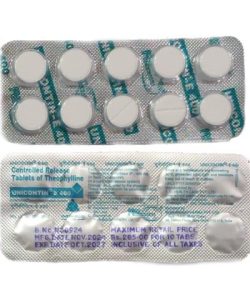
Theophylline
from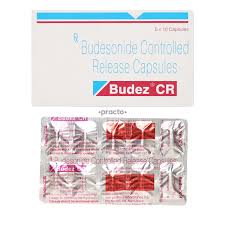
Budesonide Caps
from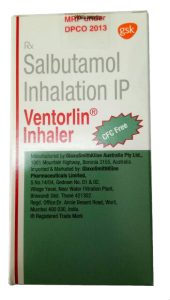
Ventolin Inhaler
from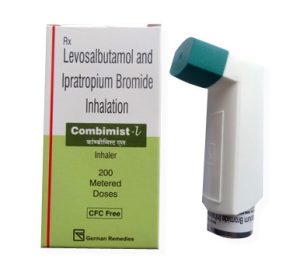
Atrovent
from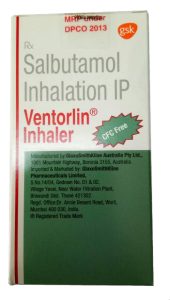
Proventil
from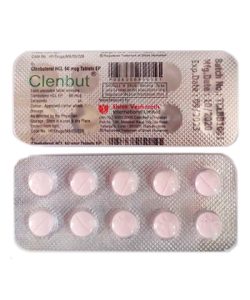
Clenbuterol
from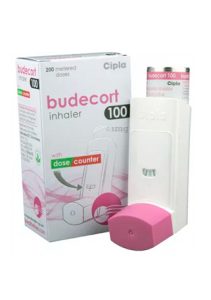
Rhinocort
fromUnderstanding Asthma: Symptoms and Causes
Asthma is a chronic respiratory condition that affects the airways in your lungs, making it difficult to breathe. When you have asthma, the muscles around your airways tighten, the airways swell, and thick mucus builds up, narrowing the passage for air to flow through. This can cause wheezing, coughing, chest tightness, and shortness of breath.
Common triggers for asthma attacks include allergens like pollen and dust mites, respiratory infections, cold air, exercise, and emotional stress. Some people are born with a genetic predisposition to asthma, whilst others develop it later in life. Environmental factors such as air pollution, smoking, and damp homes can also contribute to the development and worsening of asthma symptoms.
Recognising the early warning signs of an asthma attack is crucial for effective management. These include increased coughing, especially at night or during play, complaining of chest pain or tightness, unusual fatigue, and rapid breathing. Understanding your personal triggers helps you avoid them and manage your condition more effectively.
Reliever Medications: Quick Relief During Attacks
Reliever medications, also known as rescue inhalers or blue inhalers, provide rapid relief when you’re experiencing an asthma attack. These medications work by quickly relaxing the muscles around the airways, allowing you to breathe more easily within minutes. They’re essential to keep with you at all times, whether at work, school, or out and about.
The most common reliever medication in Australia is salbutamol (albuterol), marketed under brand names such as Asmol and Ventolin. These blue inhalers work within 15 minutes and are your first line of defence during an acute attack. Other reliever options include terbutaline, though salbutamol remains the most widely prescribed across the country.
Reliever inhalers should be used only when needed for acute symptoms. If you find yourself using your blue inhaler more than two to three times per week, it’s a sign that your asthma isn’t well controlled, and you should speak with your healthcare provider about preventative therapy. Always carry your reliever with you to ensure you can respond quickly to symptoms whenever they occur.
Preventer Medications: Long-Term Asthma Control
Preventer medications, often called brown or orange inhalers, are taken daily to reduce inflammation in your airways and prevent asthma symptoms from occurring. These are essential for anyone with persistent asthma and work gradually to keep your airways clear and reduce sensitivity to triggers over time.
Inhaled corticosteroids are the most effective preventer medications available in Australia. Popular options include:
- Fluticasone (Flovent)
- Beclomethasone (Qvar)
- Budesonide (Pulmicort)
Many people also use combination inhalers that contain both a corticosteroid and a long-acting bronchodilator, such as Seretide and Symbicort, which provide enhanced control. For mild asthma, your doctor might prescribe a low-dose preventer taken once or twice daily. More severe cases may require higher doses or additional medications. It’s important to use your preventer regularly, even when you feel fine, as this prevents inflammation from building up and keeps your asthma under control.
Combination Therapies and Maintenance Treatments
Many Australians with moderate to severe asthma benefit from combination therapy, which uses two or more types of medication to achieve better control. These often combine an inhaled corticosteroid with a long-acting beta-agonist, providing both anti-inflammatory and bronchodilator effects in a single device.
Popular combination inhalers available in Australia include Seretide (fluticasone/salmeterol) and Symbicort (budesonide/formoterol). These are typically used once or twice daily as maintenance therapy. For patients who don’t respond adequately to standard treatments, leukotriene receptor antagonists like montelukast (Singulair) can be added to reduce inflammation triggered by specific pathways in the body.
Some patients may also benefit from long-acting anticholinergics or additional preventer medications depending on their individual circumstances. Your healthcare provider will assess your asthma control and adjust your treatment plan accordingly. Regular monitoring ensures you’re on the most effective regimen with the lowest possible dose of medication, minimising potential side effects whilst maximising symptom relief and prevention.
Managing Asthma Triggers and Lifestyle
Effective asthma management goes beyond medication and includes identifying and avoiding your personal triggers. Common environmental triggers include allergens, air pollution, strong odours, and temperature changes. Keeping a symptom diary can help you identify patterns and recognise what causes your symptoms to worsen over time.
Creating an asthma-friendly home environment reduces trigger exposure significantly. This includes regular vacuuming with HEPA filters, using air purifiers, maintaining proper humidity levels to prevent dust mites, and avoiding smoking indoors. If you have pets and asthma, regular bathing and grooming can reduce allergen levels throughout your home.
Exercise is beneficial for asthma management, though some people experience exercise-induced asthma. Your doctor can prescribe a reliever to use before exercise, allowing you to stay active and maintain good fitness levels. Maintaining a healthy weight, managing stress, and treating allergies and reflux disease also contribute to better asthma control. A personalised asthma action plan, developed with your healthcare provider, guides you on medication use and when to seek help during worsening symptoms.
When to Seek Medical Help and Emergency Care
Regular check-ups with your doctor or asthma educator are essential for optimal management and control of your condition. You should schedule an appointment if you’re using your reliever inhaler more than twice weekly, experiencing nighttime symptoms that disturb your sleep, or noticing decreased lung function during exercise. Annual reviews help ensure your treatment plan remains appropriate as your needs may change.
Seek emergency care immediately if you experience severe shortness of breath not relieved by your reliever within 15 minutes, chest pain, difficulty speaking, blue lips or fingernails, or extreme anxiety about breathing. These are signs of a severe asthma attack requiring urgent hospital treatment and immediate medical intervention.
Your pharmacist can also provide valuable support, helping you use your inhaler correctly, reviewing your medications, and discussing any concerns about your treatment. Many Australian pharmacies offer free asthma check-ups and can help you develop a comprehensive management strategy tailored to your needs. Building a strong relationship with your healthcare team ensures you receive comprehensive care and can live confidently with asthma.