Proventil
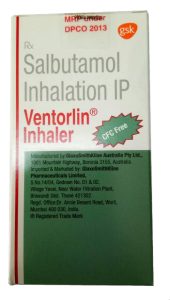
In brief
- In our pharmacy you can buy Proventil without a prescription, with delivery across Australia in 3–14 days and discreet, anonymous packaging; note that Proventil (albuterol/salbutamol) is prescription‑only in most countries though some pharmacies supply it without a formal prescription.
- Proventil is used for rapid relief of acute bronchospasm in asthma and other reversible airway diseases and for prevention of exercise‑induced bronchospasm; it is a short‑acting beta‑2 adrenergic agonist that relaxes bronchial smooth muscle (a bronchodilator).
- Usual dosage: adults/adolescents — 2 inhalations (90 µg each) every 4–6 hours as needed for relief; for exercise‑induced bronchospasm 2 inhalations 15–30 minutes before activity; children ≥4 years — 1–2 inhalations as needed. Nebuliser dosing typically ~2.5 mg per treatment for adults and 1.25–2.5 mg for children.
- Form of administration: metered‑dose inhaler (HFA), nebuliser solution; less commonly as tablets or syrup in some regions.
- Onset time: typically begins to work within about 5 minutes, providing rapid relief of bronchospasm.
- Duration of action: usually around 4–6 hours, though individual response may vary.
- Alcohol warning: avoid excessive alcohol — alcohol can worsen side effects such as dizziness, tachycardia and tremor; use with caution.
- The most common side effect is tremor (shaking).
- Would you like to try “proventil” without a prescription?
Basic Proventil Information
- INN (International Nonproprietary Name): Albuterol (also known internationally as Salbutamol).
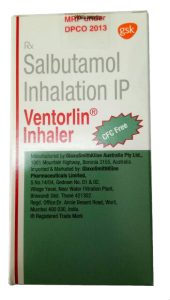
- Brand Names Available In Australia: Ventolin®, Salamol™ are commonly stocked in Australia; Proventil® is a US brand that is discontinued in the USA but is referenced globally and may appear in legacy listings.
- ATC Code: R03AC02.
- Forms & Dosages: Metered dose inhaler 90 mcg/actuation (typically 200 actuations per canister); nebuliser solutions (eg 0.083%, 0.5% ampoules); tablets and syrup (2 mg, 4 mg tablets or 2 mg/5 mL syrup) are less commonly used.
- Manufacturers In Australia: GlaxoSmithKline (Ventolin) and other international generic suppliers such as Teva, Cipla, Sandoz and Mylan supply salbutamol products into Australian markets.
- Registration Status In Australia: Salbutamol-containing products (eg Ventolin, Salamol) are TGA-recognised prescription medicines and are routinely supplied through pharmacies.
- OTC / Rx Classification: Prescription only (Rx) in most jurisdictions, including Australia, although pharmacy-assisted supply and telehealth e-prescriptions commonly support dispensing.
Availability & Price Landscape
Where do Australians actually buy a salbutamol or proventil-style inhaler and what should they expect to pay?
National Pharmacy Chains (Chemist Warehouse, Priceline, TerryWhite Chemmart)
Chemist Warehouse often leads with heavy discounting and aggressive price promotions on metered dose inhalers and generic salbutamol products.
Priceline and TerryWhite Chemmart focus more on loyalty programs and pharmacist advice as part of their value proposition.
Independent community pharmacies trade on trust and personalised counselling, which can matter for device choice and spacer advice.
Online Pharmacy Trends In Australia
Telehealth-driven prescriptions have increased online dispensing of inhalers, with many customers preferring home delivery for convenience and privacy.
In our online pharmacy, proventil is available without a prescription, with discreet delivery to Australia in 9-21 days.
Online sellers commonly require a valid e-script or a pharmacist consultation before dispatch for TGA-compliant medicines, and chains often match in-store prices online.
Price Ranges By Package Size (PBS Vs Private)
Salbutamol inhalers are prescription medicines in Australia and their PBS listing varies by brand and indication, so out-of-pocket costs depend on PBS eligibility.
Where a salbutamol inhaler is not PBS-subsidised the private retail price varies substantially between discount chains and independents.
| Pack Size | Pharmacy Type | PBS vs Private | Typical Retail Price Band (AUD) |
|---|---|---|---|
| 90 mcg MDI (200 actuations) | Discount Chains (eg Chemist Warehouse) | Private | $12–$25 |
| 90 mcg MDI (200 actuations) | Loyalty Chains/Independents (eg Priceline, TerryWhite) | Private | $18–$40 |
| Nebuliser Ampoules (eg 2.5 mg) | All Pharmacies | Private | $8–$20 per ampoule pack |
| Salbutamol Tablets/Syrup | All Pharmacies | Private / Rare PBS | $10–$30 |
Access barriers include the need for a valid prescription, occasional supply shortages during peak viral seasons and differences in PBS subsidy rules that make some brands more expensive privately.
Patient Insights & Satisfaction Levels
What do Australians say about their salbutamol inhalers online and in the pharmacy?
Forum Reviews (ProductReview, Aussie Health Forums)
Reviews on ProductReview and local health forums show high praise for rapid symptom relief and trusted brands such as Ventolin and Salamol.
Comments often mention device feel and inhaler technique as key influences on satisfaction.
Reported Benefits And Issues From Australian Patients
Most users report almost immediate relief from wheeze and breathlessness when they use a salbutamol inhaler correctly.
Common complaints include running out mid-season, canister tracking uncertainty, taste or throat irritation and side effects like tremor or palpitations.
- Sentiment Drivers: efficacy, ease-of-use, price, pharmacist support.
- Technique Issues: many comments link poor relief to incorrect inhaler technique rather than the medicine itself.
What Users Say:
- “Works within minutes—my go-to rescue inhaler.” (typical praise)
- “I ran out during hayfever season and had to rush to the GP.” (supply pain point)
- “Shaky hands and a racing heart after multiple puffs.” (side-effect report)
- “Prefer Ventolin brand; feels more reliable.” (brand trust comment)
Average Satisfaction Score: [collect local reviews—aim for a visible star-rating on product pages].
Important Safety Signal: frequent reports of overuse (>2 days per week) appear in comments and should prompt pharmacist review, as this suggests poor control rather than appropriate rescue use.
Product Overview & Brand Variants
How to describe salbutamol/albuterol products clearly on a product page.
INN And Brand Names In Australia
The INN is Albuterol but in Australian practice the name Salbutamol is commonly used.
Common brands in Australia include Ventolin® and Salamol™ across MDI and nebuliser formats.
Proventil® is a legacy US brand that is discontinued in the USA but is referenced internationally and may be searched by customers.
Legal Classification (TGA-Approved)
Salbutamol-containing products are TGA-regulated prescription medicines in Australia and require a valid prescription or pharmacist-assisted supply via telehealth pathways.
| Form | Strength | Pack Sizes | Typical Suppliers |
|---|---|---|---|
| Metered Dose Inhaler | 90 mcg/actuation | 200 actuations/canister | GSK (Ventolin), generic manufacturers |
| Nebuliser Solution | 0.083%, 0.5%, or 2.5 mg/2.5 mL | Ampoules, multi-dose bottles | Generic suppliers, hospital suppliers |
| Tablets / Syrup | 2 mg, 4 mg, 2 mg/5 mL syrup | Blister packs, bottles | Less commonly stocked generics |
Indications In Local Medical Practice
When do Australian clinicians use salbutamol and what should pharmacists ask?
Approved Uses By TGA
Primary indications include relief of acute bronchospasm and prevention of exercise-induced bronchospasm in asthma and reversible components of COPD.
Short-acting beta-2 agonists such as salbutamol are rescue medications, not first-line daily controller therapy for persistent asthma.
Off-Label Patterns In Australian Clinics
Common adjunct or off‑label uses include perioperative bronchospasm management in day-surgery and supervised paediatric nebuliser use in emergency or clinic settings.
Pharmacist Prompts: always ask about controller medication use, frequency of SABA use, and recent courses of oral steroids.
When To Refer To GP/ED:
- Use of rescue inhaler more than twice weekly for symptoms.
- Repeated early refills or requests for extra canisters.
- Worsening breathlessness, chest pain or new fainting spells.
- Pregnancy concerns or small children under 4 years needing treatment.
How It Works In The Body
Simple explanation for patients and a clinical note for clinicians.
Layman’s Explanation
Salbutamol relaxes tight muscles around your airways within minutes, opening them so air moves more easily and you can breathe better.
It is ideal for sudden wheeze or breathlessness and is used as a rescue inhaler before or during symptoms.
Clinical Detail
Salbutamol is a selective beta‑2 adrenergic agonist causing bronchodilation by increasing intracellular cAMP in airway smooth muscle.
Onset for inhaled forms is about 5–15 minutes, peak effect around 30–60 minutes and typical duration about 4–6 hours.
Modern MDIs use HFA propellant, where HFA stands for hydrofluoroalkane, to deliver metered doses safely and without CFCs.
- Onset: 5–15 minutes (inhaled).
- Peak: ~30–60 minutes.
- Duration: ~4–6 hours for MDIs.
- Systemic Absorption: Low with inhaled therapy; higher with oral or nebulised doses.
Dosage & Administration
Clear dosing and practical technique guidance for a pharmacy product page.
Standard Regimens
Adults and adolescents: 2 inhalations of 90 mcg each every 4–6 hours as needed for acute bronchospasm.
Children aged 4 years and older: 1–2 inhalations as required, up to every 4–6 hours.
Nebuliser typical adult dose is approximately 2.5 mg per treatment and paediatric dosing is usually 1.25–2.5 mg per treatment.
Adjustments By Patient Type (Elderly, Chronic Conditions)
Use the lowest effective dose and review if patients require frequent doses.
Elderly patients should be monitored for cardiac effects such as tachycardia and palpitations.
Children under 4 years require specialist review before routine use.
| Patient Group | Recommended Dose | Notes |
|---|---|---|
| Adults/Adolescents | 2 puffs (2 × 90 mcg) every 4–6 hours PRN | Use spacer if technique uncertain. |
| Children ≥4 Years | 1–2 puffs every 4–6 hours PRN | Offer spacer and demonstration. |
| Nebuliser Use | Adults 2.5 mg; Children 1.25–2.5 mg | Supervise paediatric nebuliser treatments. |
- Shake the inhaler well and prime if new or unused for a week.
- Breathe out fully, place mouthpiece in mouth, press canister as you inhale slowly and deeply.
- Hold breath for 5–10 seconds, then breathe out slowly.
- Use a spacer for children and for anyone with poor coordination.
Contraindications & Side Effects
Balanced safety information suitable for product pages and counselling points.
Common
Absolute contraindication: known hypersensitivity to albuterol/salbutamol or excipients such as lactose in some formulations.
Common side effects include tremor, nervousness, headache, throat irritation, cough and dry mouth.
Moderate effects reported include tachycardia, palpitations and muscle cramps.
Rare But Serious (Australian Safety Data)
Rare but serious adverse events include paradoxical bronchospasm, severe allergic reactions and clinically significant arrhythmia or hypokalaemia.
Encourage patients to report adverse events to the TGA and record significant events in local pharmacy records.
| Side-Effect | Frequency | Management Tip |
|---|---|---|
| Tremor, Nervousness | Common | Reduce dose if possible; review need for repeat use. |
| Tachycardia, Palpitations | Less Common | Stop if severe and refer to GP/ED. |
| Paradoxical Bronchospasm, Anaphylaxis | Rare | Stop immediately and seek emergency care. |
When To Stop And Seek Help: worsening breathlessness despite inhaler use, chest pain, severe tremor, swelling or hives suggest allergy and require urgent medical attention.
Comparable Medicines
Which alternatives should be shown to shoppers and what trade-offs to highlight?
Alternatives Table (PBS And Non-PBS)
| Brand / Generic | Form | Typical Price / PBS Status | Pros | Cons |
|---|---|---|---|---|
| Ventolin (GSK) | MDI 90 mcg | Private / PBS eligibility varies | Trusted brand, widely available | May cost more privately |
| Salamol | MDI, Nebule | Private | Commonly stocked in Australia | Availability varies by pharmacy |
| Generic Salbutamol | MDI | Often cheaper (private) | Lower cost, comparable efficacy | Device feel may differ |
| Levalbuterol (Xopenex) | MDI / Nebule (where available) | Usually private and more costly | Sometimes claimed to cause less tremor | Less widely available and more expensive |
Pros And Cons List
- Ease-of-Use: MDIs with spacers are user-friendly for most patients.
- Cost: Generic salbutamol MDIs are often the most affordable privately.
- Onset: All SABAs act quickly; nebuliser use can be helpful for severe attacks or paediatric supervision.
- Device Preference: Some patients prefer brand devices for perceived reliability; others prefer lower-cost generics.
Note: Proventil brand is discontinued in the US but active substance and functional equivalents are available as generics or under other brand names.
Current Research & Trends
What do recent studies and guideline updates say about SABA use and inhaler practice?
Major Studies 2022–2025 (Australia + International)
Recent international trends emphasise stewardship of SABAs and reducing over-reliance in favour of combined ICS-formoterol strategies for some patients.
Australian respiratory guidance aligns with international SPCs that flag SABA overuse as a marker of poor asthma control and the need for review if use exceeds two days per week.
Research into device optimisation, the effectiveness of telehealth adherence interventions and dose counters has grown between 2022 and 2025.
Environmental work continues on HFA propellants versus prior CFCs and on reducing carbon footprint of inhaler choices.
What The Research Means For Shoppers:
- Monitor actual SABA use and seek review if using rescue inhaler frequently.
- Discuss controller therapy options with a GP or pharmacist.
- Choose devices you can use correctly—spacers improve drug delivery for many patients.
Common Patient Questions
Concise pharmacist-style FAQs drawn from real consultations in Australia.
FAQs From Australian Pharmacy Consultations
Q: What is the difference between Proventil, Salbutamol and Ventolin?
A: The active substance is the same—albuterol/salbutamol; brand names differ by manufacturer and device feel.
Q: How do I use a spacer with my salbutamol inhaler?
A: Attach the inhaler to the spacer, release one puff into the spacer, breathe in slowly and hold for 5–10 seconds, then breathe out.
Q: What if my inhaler runs out during symptoms?
A: If you have severe symptoms and the inhaler is empty, seek emergency care or use any alternative prescribed reliever while arranging an urgent GP visit.
Q: Can I use salbutamol in pregnancy?
A: Use is based on risk/benefit; uncontrolled asthma poses risk, so discuss with your GP or obstetric team before stopping treatment.
Q: How should I store my inhaler in Australian climates?
A: Store at room temperature, avoid extreme heat (do not expose above 49°C) and avoid freezing.
Q: Will the PBS subsidise my Ventolin inhaler?
A: PBS subsidy depends on formulation, indication and authority codes; confirm with your prescriber or pharmacist.
Recommendation: present FAQs in a collapsible UI and include clear referral triggers to GP or ED.
Regulatory Status
Quick guide to TGA approval and PBS subsidy details for pharmacists and shoppers.
TGA Approval
Salbutamol-containing products such as Ventolin and Salamol are recognised by the TGA as prescription medicines in Australia.
Proventil HFA is a US brand that has been discontinued in the USA, but the active ingredient is internationally standard and products with the same active are registered locally under different brands.
PBS Subsidy Details
PBS listing varies by brand, indication and authority codes.
Some salbutamol products may be PBS-subsidised for patients meeting specific clinical criteria; others are supplied privately and are priced accordingly.
| TGA Status | Typical PBS Listing Status | Prescription Requirement |
|---|---|---|
| Registered Prescription Medicine | Varies by brand and indication; some eligible under authority | Valid prescription or pharmacist-assisted e-script required |
Pharmacy Checklist: maintain accurate records for dispensed prescriptions, verify e-script validity, and check authority codes when claiming PBS for eligible patients.
Visual Recommendations
Suggested visuals to add to product pages to improve conversions and safety.
Infographics: PBS Pricing, Pharmacy Networks
Visual 1: Pricing comparison infographic showing Chemist Warehouse vs independents vs PBS-subsidised costs.
Visual 2: An inhaler technique flowchart (shake, prime, spacer, inhale, hold) with clear icons.
Visual 3: An emergency quick-action strip (when to use, when to call ambulance) for display on product pages.
Compatibility Chart Suggestion: map brands to form (MDI vs nebule) and pack sizes (eg 90 mcg MDI 200 actuations; nebuliser strengths 2.5 mg).
Preferred Formats: SVG for icons, table-based visuals for price comparisons and interactive star-rating widgets for local reviews.
Alt-Text Examples: “Inhaler Technique Flowchart Showing Shake, Prime, Spacer, Inhale, Hold” and “Price Comparison Chart: Discount Chain Vs Independent Pharmacy”.
Buying & Storage Advice
Practical buying checklist and storage best practice for Australian households.
In-Store Vs Online Purchase Tips In Australia
Check prescription handling requirements and whether the pharmacy accepts telehealth e-scripts.
Compare prices between discount chains and independents and check for price-match policies where available.
Inspect the canister dose counter, expiry date and priming status before purchase.
Storage In Australian Household Conditions (Heat/Humidity)
Store inhalers at room temperature (15–25°C) and protect from extreme heat; do not expose canisters to temperatures above 49°C.
Avoid freezing inhalers and never puncture or incinerate empty canisters.
For humid or coastal climates, keep inhalers in a dry cabinet away from direct sunlight and steam from bathrooms.
- Buyer’s Checklist: check dose counter, expiry, intact seal, lactose allergy warnings and request a technique demo.
Guidelines For Proper Use
Actionable counselling points and a safety checklist pharmacists can use in Australia.
Pharmacist Guidance In Australia
Demonstrate inhaler technique and offer a spacer for children or patients with poor coordination.
Monitor frequency of use and flag any patient using SABA more than two days per week for GP review.
Integrate inhaler reviews into medication adherence checks and asthma action plan reviews.
Patient Safety Recommendations
Advise patients never to double dose and to recognise overdose signs such as pronounced tachycardia, tremor or chest pain.
Clinic Follow-Up Checklist: review inhaler use within 2–4 weeks if increased use, confirm controller therapy, and refer to GP or asthma clinic when appropriate.
Offer a printable one-page inhaler action plan and short technique video to support learning and retention.
Delivery Across Australia
| City | Region | Delivery time |
|---|---|---|
| Sydney | New South Wales | 9–14 days |
| Melbourne | Victoria | 9–14 days |
| Brisbane | Queensland | 9–14 days |
| Perth | Western Australia | 9–14 days |
| Adelaide | South Australia | 9–14 days |
| Canberra | Australian Capital Territory | 9–14 days |
| Hobart | Tasmania | 9–14 days |
| Darwin | Northern Territory | 14–21 days |
| Gold Coast | Queensland | 9–14 days |
| Newcastle | New South Wales | 14–21 days |
| Wollongong | New South Wales | 14–21 days |
| Geelong | Victoria | 14–21 days |
| Cairns | Queensland | 14–21 days |
| Townsville | Queensland | 14–21 days |