
Antiallergic
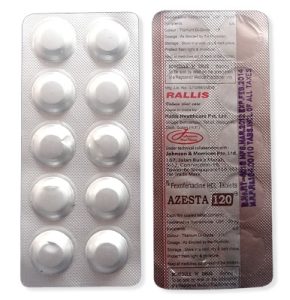
Telfast
from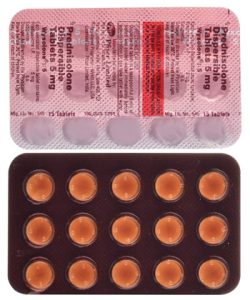
Prelone
from
Phenergan
from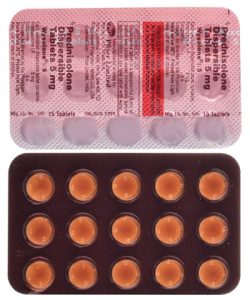
Prednisolone
from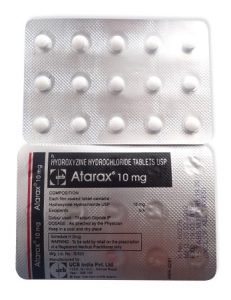
Atarax
from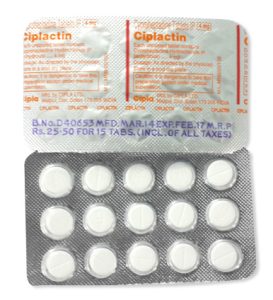
Periactin
from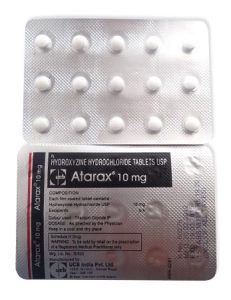
Hydroxyzine
from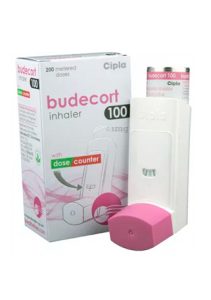
Rhinocort
fromUnderstanding Allergies and Antiallergic Medications
Allergies affect millions of Australians every year, causing uncomfortable symptoms that can significantly impact daily life. An allergic reaction occurs when the immune system overreacts to a foreign substance, such as pollen, dust mites, pet dander, or certain foods. These substances, known as allergens, trigger the release of histamine and other chemical mediators in the body, leading to typical allergy symptoms like sneezing, itching, runny nose, and watery eyes.
Antiallergic medications work by reducing or preventing these allergic reactions. They help block the effects of histamine, reduce inflammation, and stabilise immune cells responsible for releasing allergic mediators. Understanding how these medications work can help you choose the right treatment for your allergy symptoms and manage your condition more effectively throughout the year.
Antihistamines: First-Line Treatment Options
Antihistamines are the most commonly used antiallergic medications in Australia and come in two main categories: first-generation and second-generation antihistamines. First-generation antihistamines, such as promethazine and chlorpheniramine, work quickly but can cause drowsiness, making them less suitable for daytime use. Second-generation antihistamines like cetirizine, loratadine, and fexofenadine are more commonly recommended today because they cause minimal drowsiness whilst still providing effective relief.
Common antihistamine brands available in Australia include:
- Piriteze
- Claratyne
- Telfast
- Polaramine
These medications are available in various forms including tablets, capsules, and liquids, making them suitable for different age groups. Most antihistamines can be purchased over-the-counter from pharmacies without a prescription, though some stronger formulations may require a doctor’s recommendation. They typically begin working within 15-30 minutes and are ideal for managing seasonal allergies, hayfever, and mild to moderate allergic reactions.
Decongestants and Combination Therapies
When allergies cause significant nasal congestion alongside other symptoms, decongestants can provide additional relief. These medications work by narrowing blood vessels in the nasal passages, reducing swelling and congestion. Common decongestants available in Australia include pseudoephedrine and phenylephrine, often found in combination products with antihistamines.
Popular combination products include medications like Drixine Plus and various formulations combining antihistamines with decongestants. These combination therapies address multiple allergy symptoms simultaneously, offering convenience and improved symptom control for people experiencing both congestion and itching. However, decongestants should not be used for extended periods, as they can cause rebound congestion if used continuously for more than a few days. Always follow the recommended dosage instructions and consult your pharmacist if symptoms persist beyond one week.
Topical Antiallergic Treatments
For localised allergy symptoms, topical treatments offer targeted relief directly to affected areas. Antiallergic nasal sprays containing compounds like sodium cromoglicate or intranasal antihistamines are highly effective for nasal allergy symptoms. These sprays work by preventing the release of histamine from immune cells in the nasal passages, providing preventative and therapeutic benefits.
Eye drops with antiallergic properties are also widely available in Australia for managing allergic conjunctivitis, which causes red, itchy, and watery eyes. Brands like Zaditor and various antihistamine eye drop formulations provide quick relief without affecting the entire body. Topical corticosteroid sprays and creams are available for more severe allergic skin reactions and nasal inflammation, though these usually require a prescription from a healthcare provider. Topical treatments are particularly useful for people who prefer avoiding oral medications or who experience side effects from systemic antiallergic drugs.
Corticosteroids for Severe Allergic Conditions
When standard antihistamines and decongestants prove insufficient, corticosteroids offer more powerful anti-inflammatory action. Intranasal corticosteroid sprays like fluticasone, mometasone, and triamcinolone are highly effective for moderate to severe nasal allergies and hayfever. These medications reduce inflammation in the nasal passages and sinuses, providing significant relief from congestion, sneezing, and runny nose.
Oral corticosteroids, such as prednisone, are reserved for severe allergic reactions or when other treatments have failed to provide adequate relief. In Australia, most corticosteroid formulations require a prescription from a doctor due to their potency and potential side effects with long-term use. Some weaker corticosteroid products may be available over-the-counter, but professional advice is recommended before starting this type of treatment. Corticosteroids work best when used regularly as preventative therapy rather than on an as-needed basis, particularly during peak allergy seasons.
Managing Allergies Year-Round and When to Seek Help
Effective allergy management often involves combining different approaches tailored to individual needs and symptom severity. Some people benefit from taking antihistamines daily during peak seasons, whilst others need them only occasionally. Keeping an allergy diary can help identify specific triggers and patterns, allowing you to prepare in advance and choose the most appropriate medications.
If over-the-counter antiallergic medications fail to provide satisfactory relief after one week, or if symptoms worsen, consult your doctor or pharmacist for professional advice. Severe reactions requiring immediate attention include difficulty breathing, swelling of the face or throat, and severe skin reactions. In these cases, seek emergency medical attention immediately. Australian pharmacists can provide valuable guidance on selecting appropriate antiallergic medications, advise on potential interactions with other medicines, and recommend lifestyle measures such as environmental controls to minimise allergen exposure. Regular review of your allergy management strategy ensures you receive optimal treatment and maintain good quality of life throughout the year.