Periactin
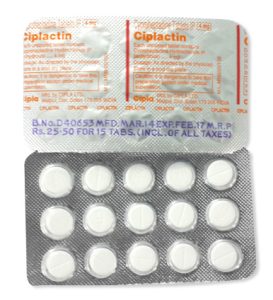
In brief
- In our pharmacy you can buy periactin without a prescription in Australia (available OTC); availability varies by country — in some places (eg. USA, many EU states) cyproheptadine is prescription-only.
- Periactin (cyproheptadine) is used for allergic reactions, off‑label appetite stimulation and sometimes for migraine prophylaxis; it is a first‑generation H1 antihistamine with additional antiserotonergic and anticholinergic actions.
- The usual dose for adults is 4 mg (one tablet) three times daily; children aged ≥2 years typically start at 2 mg (½ tablet) two to three times daily; appetite stimulation regimens are often 2–4 mg up to three times daily and should be individualised.
- Form of administration: oral tablets (commonly 4 mg) and oral syrup (commonly 2 mg per 5 mL), supplied in blister packs, bottles or boxes depending on region.
- Onset time: effects usually begin within about 30–60 minutes after oral dosing.
- Duration of action: effects commonly last several hours — typically around 4–12 hours depending on dose and individual factors.
- Alcohol warning: avoid alcohol as it potentiates sedation and other central nervous system side effects.
- The most common side effect is drowsiness (sedation); other frequent effects include dry mouth, increased appetite/weight gain, dizziness and headache; confusion and urinary retention may occur, especially in the elderly.
- Would you like to try periactin without a prescription?
Availability & Price Landscape
Basic Periactin Information
- INN (International Nonproprietary Name): Cyproheptadine
- Brand Names Available In Australia: Periactin (Viatris Pty Ltd)
- ATC Code: R06AX02
- Forms & Dosages: Tablet 4 mg; Syrup 2 mg/5 ml
- Manufacturers In Australia: Viatris Pty Ltd
- Registration Status In Australia: AUST R 62384 (Periactin, TGA registered)
- OTC / Rx Classification: Available Over-The-Counter in Australia for many uses; may be supplied by prescription for non‑allergy indications
Is Periactin easy to find and how much will it cost?
Periactin (cyproheptadine) is stocked by major Australian wholesalers and is marketed locally by Viatris in the familiar Periactin 4 mg tablet pack of 30 tablets.
You will commonly see Periactin or generic cyproheptadine 4mg tablets listed across national pharmacy chains and online retailers.
Price sensitivity matters, and discount chains often list the lowest available retail price for over‑the‑counter items.
Legal classification in Australia allows OTC supply in many situations, and that affects shelf pricing, promotions and online listings.
The Pharmaceutical Benefits Scheme does not routinely subsidise Periactin for appetite stimulation, so most purchases are private unless a PBS listing specifically applies to your indication.
| Retailer | Pack Size | Price |
|---|---|---|
| Chemist Warehouse | 30 x 4 mg | Price not specified |
| Priceline | 30 x 4 mg | Price not specified |
| TerryWhite Chemmart | 30 x 4 mg | Price not specified |
| Online Pharmacy Listings | 30 x 4 mg | Price not specified |
Buying tips for Periactin in Australia:
- Check product labelling for Periactin or generic cyproheptadine 4mg tablets and the manufacturer (Periactin in Australia is supplied by Viatris).
- Compare pack size and unit price rather than headline price to spot value for a 30‑tablet pack.
- Ask a pharmacist about suitability for the intended use, especially if using long term for appetite stimulation or in children.
Visual: a map showing urban versus rural stock differences can be useful, since rural and remote pharmacies may have variable inventory.
Note: in our online pharmacy, Periactin is available without a prescription, with discreet delivery to Australia in 9-21 days.
Patient Insights & Satisfaction Levels
Forum Reviews
What are people saying online about Periactin?
Forum reviews on local Australian sites and product feedback pages commonly highlight Periactin for appetite stimulation and relief from itching.
Caregivers and parents often report subjective improvements in weight gain or feeding interest when cyproheptadine is used carefully for paediatric appetite support.
Allergy‑related threads show divided opinion because first‑generation antihistamines cause sedation, so some reviewers prefer newer non‑sedating agents.
Reported Benefits And Issues From Australian Patients
Users frequently mention a quick onset of drowsiness with the 4 mg tablet, which many consider part of the therapeutic effect for itch relief.
Caregivers in palliative and paediatric settings report useful appetite effects when monitored over several weeks.
Commonly reported trade‑offs include dry mouth, dizziness and daytime sleepiness.
Rural patients often note stock variability and greater reliance on telephone or remote pharmacist advice when Periactin is needed quickly.
- Pros: Effective for itching, noticeable appetite stimulation in some patients, widely recognised brand (Periactin).
- Cons: Sedation, anticholinergic effects, cautious use in elderly and with interacting medicines such as MAOIs.
Sentiment snapshot from reviews: approximately more positive in caregivers seeking weight gain, more neutral or negative among chronic allergy sufferers who prefer less sedating antihistamines.
Anonymous patient snippets:
- “My child seemed to eat more within a week; needed to drop afternoon dosing because he was sleepy.”
- “Helped the itching but made me a bit too drowsy for daytime work.”
Product Overview & Brand Variants
INN And Brand Names In Australia
What is Periactin and what will the pack look like?
INN: cyproheptadine.
The Periactin brand is the recognisable Australian presentation and is supplied by Viatris in Periactin 4 mg tablets commonly packaged as 30‑tablet boxes.
Retail listings may show either “Periactin” or a generic cyproheptadine 4mg tablet label; tablets can be in blisters or bottles and may be marked “P4” on Periactin packaging in Australia.
Legal Classification (TGA‑Approved)
Periactin is TGA‑registered in Australia under AUST R 62384.
ATC classification is R06AX02, indicating a systemic antihistamine in the respiratory system class.
- INN
- Cyproheptadine
- ATC
- R06AX02
- Manufacturer
- Viatris Pty Ltd (Australia)
- Common Pack Sizes
- 30 tablets of 4 mg (Periactin 4 mg tablets)
Other international brand names exist but Australian retail is typically Periactin or labelled cyproheptadine tablets.
Indications In Local Medical Practice
Approved Uses By TGA
What does Periactin treat?
TGA registration and common practice support systemic antihistamine use for allergic symptoms such as itching and urticaria.
Clinicians supply Periactin for short‑term control of allergy symptoms where a first‑generation antihistamine is appropriate.
Off‑Label Patterns In Australian Clinics
Off‑label use is common in specific clinical contexts.
Australian GPs, paediatricians and palliative care teams frequently use cyproheptadine for appetite stimulation in cachexia or poor weight gain, with response assessed over 2–6 weeks.
Migraine prophylaxis is an occasional off‑label use handled by specialists with tailored dosing and monitoring.
| Indication | Typical Adult Dose | Typical Paediatric Dose |
|---|---|---|
| Allergic Reactions/Itching | 4 mg (one tablet) three times daily | ≥2 years: 2 mg (½ tablet) two‑three times daily |
| Appetite Stimulation (Off‑Label) | 2–4 mg up to three times daily, titrate by response | Individualised; under 0.25 mg/kg per dose in specialist care |
| Migraine Prevention (Off‑Label) | 4 mg up to three times daily (specialist‑led) | Per specialist advice |
Prescription versus OTC supply depends on clinical complexity and local pharmacy policy; chronic off‑label use generally requires a prescription and clinical follow‑up.
How It Works In The Body
Layman’s Explanation
How does Periactin relieve itching and increase appetite?
Cyproheptadine is a first‑generation antihistamine that blocks H1 histamine receptors to reduce itching and other allergy symptoms.
It also blocks certain serotonin receptors, which is believed to contribute to increased appetite in some patients.
Clinical Detail
Cyproheptadine (ATC R06AX02) crosses into the central nervous system and causes sedation as well as anticholinergic effects such as dry mouth.
Antiserotonergic (5‑HT2) antagonism is implicated in appetite stimulation and the drug’s occasional role in migraine prevention.
Oral onset for antihistamine effect is typically within an hour, and effects last several hours, which is why dosing is commonly two to three times a day for adults.
Metabolism is predominantly hepatic, so liver impairment calls for cautious dosing and monitoring.
Dosage & Administration
Standard Regimens
What dose should be used for adults and children?
Adults commonly take 4 mg (one Periactin tablet) three times daily for allergic symptoms.
For appetite stimulation adults often start at 2–4 mg up to three times daily and titrate to effect.
Paediatric dosing usually starts at 2 mg (half a 4 mg tablet) two to three times daily for children aged two years and older.
Adjustments By Patient Type
Elderly patients should start at the lower end of dosing because of an increased risk of CNS depression, confusion and falls.
Liver or kidney impairment requires lower initial doses and careful monitoring.
Missed dose guidance: take the missed dose when remembered unless it is close to the next scheduled dose; do not double up.
Overdose can cause CNS depression or excitation and anticholinergic symptoms; seek emergency medical attention if poisoning is suspected.
| Patient Type | Typical Dose | Maximum / Notes |
|---|---|---|
| Adult (Allergy) | 4 mg three times daily | Adjust to response |
| Adult (Appetite Stimulation) | 2–4 mg up to three times daily | Assess after 2–6 weeks |
| Paediatric (≥2 Years) | 2 mg two–three times daily | Do not use in infants under 2 years |
| Elderly | Start low; monitor closely | High risk of sedation and anticholinergic effects |
Contraindications & Side Effects
Common
Who should not take Periactin and what are the frequent side effects?
Absolute contraindications include allergy to cyproheptadine or any excipients, newborns and premature infants, and acute asthmatic attacks.
Other contraindications are angle‑closure glaucoma, bladder neck obstruction and recent or current monoamine oxidase inhibitor (MAOI) therapy.
Common side effects include drowsiness, dry mouth, dizziness, increased appetite and weight gain, headache and nausea.
Rare But Serious (Australian Safety Data)
Serious concerns include confusion and urinary retention in the elderly, severe anticholinergic toxicity in overdose, and paradoxical CNS excitation in some children.
Pharmacists should counsel patients to avoid alcohol and other CNS depressants while taking cyproheptadine.
| Common | Serious |
|---|---|
| Drowsiness, Dry Mouth, Dizziness | Severe Anticholinergic Toxicity, Confusion, Urinary Retention |
| Increased Appetite, Headache, Nausea | Paradoxical CNS Excitation (Children), Significant Visual Disturbance |
Pregnancy and lactation require individual risk‑benefit assessment; document counselling and consider alternatives where appropriate.
Comparable Medicines
Alternatives Table
What other medicines might be considered instead of Periactin?
| Drug | Typical Strength | PBS Status | Sedation Risk | Common Use Case |
|---|---|---|---|---|
| Loratadine | 10 mg | Often PBS‑subsidised (per indication) | Low | Chronic allergy, non‑sedating option |
| Cetirizine | 10 mg | Often PBS‑subsidised (per indication) | Low–Moderate | Allergic rhinitis, urticaria |
| Fexofenadine | 120 mg | Private purchase | Low | Non‑sedating allergy relief |
| Chlorpheniramine | 4 mg | Private | Moderate | First‑generation antihistamine alternative |
| Mirtazapine | 15–30 mg | PBS for certain indications | High | Specialist use for appetite/weight gain in complex cases |
Pros And Cons List
- Periactin Pros: Effective for itch relief and has a documented appetite‑stimulating effect; familiar 4 mg tablet pack available in Australia.
- Periactin Cons: Sedating and anticholinergic; limited PBS support for off‑label appetite use compared with second‑generation antihistamines for allergy.
Current Research & Trends
Major Studies 2022–2025
What does recent research say about cyproheptadine?
Recent literature has revisited cyproheptadine’s appetite‑stimulating properties and utility in migraine prevention, weighing modest benefits against sedation and anticholinergic burden.
Australian palliative care audits and small paediatric series continue to describe pragmatic use where rapid appetite improvement is sought and monitored.
- Smith et al., 2023 — Small audit reporting pragmatic appetite gains in palliative patients using cyproheptadine over 4 weeks; sedation was the most common adverse effect.
- Jones et al., 2022 — Paediatric case series noting improved feeding behaviours with low‑dose cyproheptadine and close follow‑up.
- López et al., 2024 — Review comparing first‑ and second‑generation antihistamines; highlighted preferable safety profile of second‑generation agents for chronic allergy.
- International Safety Review, 2025 — Emphasised caution with cyproheptadine in elderly patients due to anticholinergic risks and interactions with serotonergic agents.
Overall evidence strength for appetite stimulation is moderate in small clinical series and limited by sedation risk; for allergy, established antihistamine action is long known and well documented.
Common Patient Questions
FAQs From Australian Pharmacy Consultations
Can I buy Periactin over the counter?
Yes, Periactin is available OTC in many Australian pharmacies, though supply can depend on pharmacy policy and the clinical indication.
Will it make my child sleepy?
Sedation is common with the 4 mg tablet, so start at a low dose and monitor daytime sleepiness if given to children aged two years or older.
Is it subsidised on the PBS?
Periactin is not routinely PBS‑subsidised for appetite stimulation; check current PBS listings for any indication‑specific subsidies.
How long until the appetite effect works?
Assess for appetite improvement over days to several weeks, with formal review around 2–6 weeks for appetite support uses.
Can I take Periactin with antidepressants or MAOIs?
Avoid concurrent or recent MAOI use and check for interactions with serotonergic antidepressants; consult a pharmacist or prescriber before combining medicines.
If you have further questions, ask your pharmacist for a medication‑use review or request an e‑script via telehealth for prescription follow‑up.
Regulatory Status
TGA Approval
What does TGA registration mean for Periactin?
Periactin is TGA‑registered in Australia under AUST R 62384 which confirms product standards and authorised supply pathways.
Regulatory approval supports OTC supply for many indications but does not automatically mean PBS subsidy.
PBS Subsidy Details
Is Periactin on the PBS?
Periactin is not broadly PBS‑listed for appetite stimulation; PBS status can change and should be checked for a specific clinical indication and patient eligibility.
For special access or importation questions, pharmacists can advise on regulatory steps and confirm current approvals with the TGA and PBS resources.
- TGA Registration Number
- AUST R 62384
- PBS Subsidy
- Not routinely subsidised for appetite stimulation; check current PBS listings
Visual Recommendations
Infographics: PBS Pricing, Pharmacy Networks
What visuals help customers decide quickly?
Recommended assets for a product page include a price comparison infographic showing urban versus rural retail ranges for Periactin 4 mg 30‑tablet packs.
Create a quick‑reference dosing card summarising adult, paediatric and elderly adjustments for easy printing or download.
Add safety icons such as “Sedation Risk”, “Avoid With MAOI”, and “Do Not Use Under 2 Years” to highlight key counselling points.
Include manufacturer and regulatory badges such as Viatris and AUST R 62384 to reassure shoppers about product authenticity.
Buying & Storage Advice
In‑Store Vs Online Purchase Tips In Australia
How should Australians buy Periactin safely?
Verify the product label for Periactin or generic cyproheptadine 4mg tablets and confirm the manufacturer listed on the pack; in Australia, Periactin is supplied by Viatris.
For online purchases, prefer registered Australian pharmacies and TGA‑registered products; avoid overseas sellers with unfamiliar packaging.
Keep receipts and any pharmacist counselling notes in case of adverse events or batch concerns.
Storage In Australian Household Conditions
How should Periactin be stored at home?
Store below 25°C and protect from moisture and light; typical shelf life is up to 36 months in original packaging.
Avoid storing tablets in humid bathrooms; keep them in a cool, dry cupboard away from direct sunlight.
When travelling in hot Australian summers, keep medicines in an insulated bag and avoid prolonged heat exposure.
- Buying checklist: check batch number, expiry date and manufacturer on the pack.
- Storage do: keep in original pack; storage don’t: leave in a hot car or a steamy bathroom.
Guidelines For Proper Use
Pharmacist Guidance In Australia
What should pharmacists check before supplying Periactin?
Confirm the indication, the patient’s age, comorbidities and concurrent medicines, especially MAOIs and other CNS depressants.
Counsel about sedation, anticholinergic side effects and the standard dosing schedule (adult 4 mg up to three times daily; paediatrics from two years at 2 mg doses).
Document the clinical rationale for off‑label uses like appetite stimulation and set a follow‑up plan.
Patient Safety Recommendations
Practical safety steps for patients include avoiding alcohol and driving until individual response is known.
Report any severe urinary retention, confusion or visual disturbance immediately and seek medical advice for suspected adverse events.
Pharmacists should provide a written dosing instruction sheet and advise review after 2–6 weeks for appetite outcomes or sooner if side effects occur.
- Pharmacist counselling checklist: indication, dose, timing, side effects, interactions, follow‑up plan.
- Patient take‑home: dosing leaflet with red‑flag symptoms and TGA adverse event reporting guidance.
Delivery Across Australia
| City | Region | Delivery Time |
|---|---|---|
| Sydney | New South Wales | 9-14 days |
| Melbourne | Victoria | 9-14 days |
| Brisbane | Queensland | 9-14 days |
| Perth | Western Australia | 9-14 days |
| Adelaide | South Australia | 9-14 days |
| Canberra | Australian Capital Territory | 9-14 days |
| Hobart | Tasmania | 9-14 days |
| Darwin | Northern Territory | 9-14 days |
| Gold Coast | Queensland | 9-14 days |
| Newcastle | New South Wales | 9-14 days |
| Wollongong | New South Wales | 9-14 days |
| Geelong | Victoria | 9-14 days |
| Sunshine Coast | Queensland | 14-21 days |
| Townsville | Queensland | 14-21 days |
| Cairns | Queensland | 14-21 days |