Phenergan
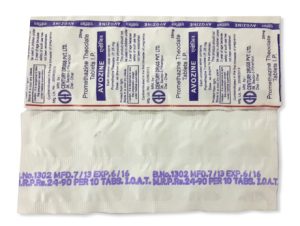
In brief
- In Australia phenergan (promethazine hydrochloride) is supplied in community pharmacies and is generally a prescription-only medicine (TGA-registered), but in practice some pharmacies may supply limited quantities or certain elixir/tablet strengths without a prescription — availability varies by pharmacy; check with your local pharmacist.
- Phenergan is used for allergic conditions, motion sickness, nausea and vomiting, and as a sedative or pre‑operative tranquilliser. It is a first‑generation H1 antihistamine (promethazine) with marked sedative and anticholinergic effects and central antiemetic activity.
- Usual adult doses: allergies 10–25 mg (single dose or 10 mg 2–3 times daily); motion sickness 25 mg before travel; nausea/vomiting 25–50 mg (may repeat every 4–6 hours if needed); sedation/pre‑op 25–50 mg. Paediatric dosing is lower and it is not recommended for children under 2 years (risk of severe respiratory depression); always follow a doctor’s or pharmacist’s dosing instructions for children.
- Forms of administration: oral tablets (10 mg, 25 mg), oral elixir/syrup (1 mg/mL, 100 mL), and less commonly suppositories; injectable formulations exist for hospital use but are not routine in community settings.
- Onset of effect: typically begins within about 20–60 minutes after oral administration (sedation and antihistamine effects may be noticeable within this time).
- Duration of action: symptomatic relief commonly lasts about 4–12 hours depending on dose and individual response; sedative effects can persist into the following day in some people.
- Alcohol warning: do not consume alcohol while taking phenergan — alcohol and other CNS depressants increase drowsiness, sedation and the risk of respiratory depression, especially in children and the elderly.
- The most common side effec is sedation/drowsiness; other common effects include dizziness, dry mouth, blurred vision, constipation and mild hypotension; paradoxical agitation can occur, particularly in children.
- Would you like to try phenergan without a prescription?
Availability & Price Landscape
Basic Phenergan Information
-
INN (International Nonproprietary Name): Promethazine hydrochloride.
-
Brand Names Available In Australia: Phenergan is marketed in Australia in tablet and elixir forms.
-
ATC Code: R06AD02.
-
Forms & Dosages: Tablets 10mg and 25mg supplied in blister packs of 25 or 50, and elixir 1mg/mL in 100mL bottles.
-
Manufacturers In Australia: sanofi-aventis australia pty ltd is listed as a local supplier.
-
Registration Status In Australia: Registered with the TGA under AUST R 80159 and 80160 for tablets and 61576 for elixir.
-
OTC / Rx Classification: Prescription medication (Rx) in Australia; OTC status is not common.
Worried about finding the best price for Phenergan?
Major national chains such as Chemist Warehouse, Priceline and TerryWhite Chemmart all list Phenergan in their stock plans, but how they sell it differs in practice.
Chemist Warehouse and other discount retailers commonly promote private scripts and bundle deals, which can make tablets or elixir look cheaper on the shelf.
Community pharmacies such as TerryWhite Chemmart and Priceline often emphasise pharmacist counselling when dispensing promethazine, especially for children and older adults.
Phenergan is sold as tablets (10mg and 25mg) and as an elixir (1mg/mL, 100mL) in Australia, with sanofi-aventis recorded as a local manufacturer and TGA registrations for both tablets and elixir.
Blister packs of 25 or 50 tablets are common, while suppositories are less frequently available locally.
Telehealth e-prescriptions have increased access but can steer customers towards online dispensaries where pricing varies considerably.
Rural patients may rely on mail order or local GP scripts, so delivery times and postage can affect total cost.
Pricing varies because PBS subsidy is not always applicable, and many dispensations are private scripts.
Comparison shopping will typically show a wide band of prices between private-script tablet packs and bottle elixir options.
Where to buy: brick-and-mortar pharmacies, online pharmacy retailers, and telepharmacy services are all practical options depending on your need for counselling, price and speed of delivery.
Patient Insights & Satisfaction Levels
Forum Reviews (ProductReview And Aussie Health Forums)
Looking for what other Australians say before you buy?
ProductReview and Australian health forums show consistent threads about effectiveness and side effects for Phenergan.
Many reviewers praise promethazine for rapid relief of motion sickness and for short-term sedation before sleep or travel.
Posts commonly describe quick onset of drowsiness and evident reduction in nausea and vomiting during travel or post-operative nausea.
Users shopping on price-sensitive sites often choose discount chains but still report preferring in-store advice when dosing for children or the elderly is involved.
Negative reviews most frequently mention heavy sedation and next-day drowsiness impacting work or driving.
Other commonly reported issues are dry mouth, dizziness and constipation noted in anecdotal threads.
Parents express safety concerns, which reflects regulatory guidance that promethazine is not recommended for children under two due to risk of fatal respiratory depression.
Telehealth prescriptions sometimes cause confusion about paediatric and geriatric dosing, leading to follow-up pharmacist calls or requests for clarification.
Reported Benefits And Issues From Australian Patients
Top patient-reported pros and cons summarise real-world use.
- Fast relief from travel sickness and nausea.
- Reliable short-term sedation for sleep or pre-procedure calming.
- Useful as a travel kit staple for adults.
- Clear concerns about next-day drowsiness affecting driving.
- Common anticholinergic effects such as dry mouth and blurred vision reported.
- Parents worry about safety in very young children; many avoid use in under-twos.
- Price-sensitive shoppers report shopping across Chemist Warehouse, Priceline and local pharmacies.
- Telehealth-sourced scripts can leave patients unsure about correct dosing for vulnerable groups.
Ratings by indication in local reviews tend to favour motion sickness and acute nausea control over routine allergy relief, where non-sedating antihistamines score higher.
Product Overview & Brand Variants
INN And Brand Names In Australia
What exactly is in the box when you pick up Phenergan?
The international nonproprietary name is promethazine hydrochloride, and Phenergan is the primary brand in Australia.
Phenergan in Australia is available as 10mg and 25mg tablets and as an elixir at 1mg/mL in 100mL bottles.
Internationally similar brands include Avomine, Lergigan and others, and some markets still list suppository forms though they are less commonly sold locally.
Packaging norms in Australia are blister packs of 25 or 50 tablets for the oral forms and 100mL bottles for the elixir.
Legal Classification (TGA‑Approved)
Is Phenergan legal and regulated here?
Phenergan is registered with the Therapeutic Goods Administration in Australia with AUST R numbers 80159 and 80160 for tablets and 61576 for elixir.
The product is generally supplied as prescription-only (Rx) in Australia, so expect a prescriber’s authority or pharmacist review before dispensing.
Available product page elements that help buyers are clear product photos showing blister packs and bottles, downloadable PDF of TGA registration and links to the official TGA product information and safety leaflets.
Suppository forms exist in some international markets but are less common or discontinued by some suppliers and may not be stocked locally.
Indications In Local Medical Practice
Approved Uses By TGA
What will your GP or pharmacist typically recommend Phenergan for?
Standard indications include allergic conditions, motion sickness, nausea and vomiting, and pre-operative sedation as listed in product information.
Adult dosing on local labels commonly ranges from 10–25mg for allergic symptoms up to 25–50mg for nausea, vomiting or sedation depending on clinical need.
Motion sickness dosing often recommends 25mg the night before travel or 1–2 hours prior to exposure.
Off‑Label Patterns In Australian Clinics
How do clinics sometimes use promethazine away from the label?
Off-label patterns include short-term use for insomnia in certain adults, adjunctive use for palliative nausea control and occasional use in emergency settings for acute agitation when other agents are unsuitable.
Clinicians emphasise short courses and caution in children, the elderly and people with hepatic impairment.
Typical adult and paediatric dosing guidance and cautions are drawn from registered product data and local best practice, with children under two specifically contraindicated due to respiratory risk.
How It Works In The Body
Layman’s Explanation
Wondering why Phenergan makes you sleepy while stopping your runny nose?
Phenergan is an antihistamine that blocks H1 receptors to reduce allergic symptoms and helps with nausea by acting on receptors involved in motion-related signals.
Its central actions cause sedation, and anticholinergic activity explains dry mouth and other side effects.
Clinical Detail
In clinical terms, promethazine hydrochloride antagonises central and peripheral H1 histamine receptors, which underpins its effectiveness for allergy and motion sickness.
Its anticholinergic properties can precipitate problems in narrow-angle glaucoma, urinary retention or severe prostatic hypertrophy.
Sedation results from central H1 blockade and supports its use as a pre-operative sedative or short-term sleep aid, while interactions with other CNS depressants increase sedative risk and require counselling.
Pharmacokinetics vary by individual and dose, and dose adjustment should be considered for hepatic or renal impairment as noted in product guidance.
Dosage & Administration
Standard Regimens
Need a straightforward dosing summary at the pharmacy counter?
Adults with allergic conditions: 10–25mg at night or 10mg two to three times daily as required.
Motion sickness: 25mg the night before or 1–2 hours before travel.
Nausea and vomiting: 25–50mg, repeatable every 4–6 hours if needed.
Sedation or pre-operative dosing: 25–50mg as a single dose under clinical supervision.
Elixir concentration is 1mg/mL, so 25mg equals 25mL of the syrup when a liquid dose is required.
Adjustments By Patient Type (Elderly, Chronic Conditions)
How should dosing change for children and older patients?
Children: not recommended under two years due to risk of fatal respiratory depression; older children use weight-appropriate dosing such as 5–15mg at night for symptomatic relief with specialist guidance for younger paediatric cases.
Elderly: start at the lowest effective dose and monitor closely for excessive sedation, confusion, postural hypotension and falls.
Liver or kidney impairment: consider dose reduction and lengthen dosing intervals because of slower clearance and increased sensitivity.
Provide clear missed-dose advice: take as soon as remembered unless the next dose is near and never double up.
Contraindications & Side Effects
Common
What should be warned about at the point of sale?
Absolute contraindications include hypersensitivity to promethazine or phenothiazine derivatives, children under two years, and patients in comatose states or with severe respiratory depression.
Common side effects are sedation and drowsiness, dizziness, dry mouth, blurred vision, constipation and mild hypotension.
Paradoxical central nervous system stimulation can occur, especially in children.
Rare But Serious (Australian Safety Data)
Which rare harms need urgent attention?
Severe respiratory depression has been reported in young children and can be fatal in overdose or inappropriate use.
Anticholinergic toxicity and significant cardiovascular effects may occur in overdose and require emergency treatment.
Advise patients to seek immediate medical help for severe drowsiness, breathing difficulty, fainting or signs of anticholinergic crisis.
Include TGA safety links and a pharmacist warning banner on retail pages for quick visibility.
Comparable Medicines
Alternatives Table (PBS And Non‑PBS)
Looking for less drowsy options or PBS-subsidised choices?
| Medicine | Typical Indication | Sedation Risk | OTC Vs Rx | Likely PBS Listing |
|---|---|---|---|---|
| Promethazine (Phenergan) | Motion sickness, nausea, allergic reactions, sedation | High | Usually Rx | Private script common |
| Diphenhydramine (Benadryl) | Allergy relief, sleep aid, motion sickness | High | OTC in some forms | Often private |
| Chlorphenamine | Allergic conditions | Moderate | OTC | Sometimes PBS-listed |
| Cetirizine | Allergic rhinitis, urticaria | Low | OTC | Variable |
| Loratadine | Allergic rhinitis | Low | OTC | Variable |
Pros And Cons List
Phenergan pros include strong anti-nausea effect and usefulness for motion sickness and short-term sedation.
Cons include significant sedation, anticholinergic burden and contraindication for children under two years.
Current Research & Trends
Major Studies 2022–2025 (Australia + International)
What are recent safety and prescribing trends for promethazine?
Recent literature between 2022 and 2025 has emphasised safer paediatric prescribing and reinforced regulatory warnings against use in children under two years.
Audits have highlighted respiratory depression risk in young children and recommended clearer labelling and stronger counselling at point of sale.
Interest remains in promethazine as an adjunct in palliative care for refractory nausea, balanced against sedative harms in frail patients.
Telehealth growth has been associated with increased access and a need for mandatory pharmacist intervention when dispensing sedating antihistamines.
Practical Implications For Practice And Pharmacy Shelves
Pharmacies should display clear age restrictions and safety information and keep non-sedating antihistamines for daytime allergy relief prominently available.
Stock control should reflect demand for tablets and elixir, and online sellers must ensure prescriber validation and documented pharmacist checks.
Suggested actions include restricting online sales for patients under two years and adding mandatory pharmacist checks for paediatric and elderly prescriptions.
Common Patient Questions
Top FAQs From Australian Pharmacy Consultations
Can I buy Phenergan over the counter?
Phenergan is usually prescription-only in Australia, so check with your pharmacist and GP for the appropriate script.
Is it safe for children?
It is contraindicated in children under two years and requires specialist dosing for younger paediatric patients.
Will it make me sleepy?
Yes, promethazine commonly causes sedation; avoid driving or operating machinery after taking it.
Can I drink alcohol while taking it?
No; alcohol increases the risk of excessive drowsiness and respiratory depression when combined with promethazine.
Are there alternatives that don’t make me drowsy?
Second-generation antihistamines such as cetirizine or loratadine are less sedating and are preferable for daytime allergy relief.
How do I use the elixir?
The elixir concentration is 1mg/mL, so measure doses carefully with an oral syringe or dosing cup supplied by the pharmacist.
Regulatory Status
TGA Approval
Is Phenergan approved locally?
Yes, promethazine hydrochloride formulations are registered with the TGA in Australia under AUST R 80159 and 80160 for tablets and 61576 for the elixir.
The product is generally classed as prescription-only (Rx) and should be used according to TGA-approved product information.
PBS Subsidy Details
Does the PBS subsidise Phenergan?
Product registration does not guarantee PBS listing, and many promethazine dispensations occur as private scripts rather than under PBS subsidy.
For an e-commerce product page, include a clear TGA registration badge and a note advising customers to check PBS schedules or consult their pharmacist or GP for current subsidy status.
Online sellers must enforce prescriber validation and secure e-script handling to remain compliant with Australian regulations.
Visual Recommendations
Would a few clear images help customers choose the right pack?
Recommended visuals for a product page include a formulation comparison table showing tablets versus elixir and a dosing infographic with age cutoffs and safety colour coding.
Other useful assets are a pack-size and price grid, a contraindication icon strip highlighting children under two and driving warnings, a mechanism diagram showing H1 blockade and anticholinergic pathways, and a quick pharmacist counsel card.
File formats to use: SVG for icons, PNG for product photos and downloadable PDF leaflets for patients who want to save the TGA information.
Buying & Storage Advice
In‑Store Vs Online Purchase Tips In Australia
Should you buy Phenergan in person or online?
Insist on pharmacist counselling whether purchasing in-store or online, particularly for paediatric or elderly use.
Telehealth e-prescriptions can be convenient, but confirm age and comorbidities with the dispensing pharmacist before sale.
Rural customers should check local stock and consider trusted online pharmacies with pharmacist contact for mail order.
Price-sensitive shoppers often compare Chemist Warehouse, Priceline and community pharmacies, but counsel quality and safety checks vary.
In our online pharmacy, phenergan is available without a prescription, with discreet delivery to Australia in 9-21 days.
Storage In Australian Household Conditions (Heat/Humidity)
How should you store promethazine at home in an Australian summer?
Store Phenergan below 30°C, out of direct light and in its original packaging.
Keep the elixir tightly sealed and out of reach of children and avoid storing medicine in bathrooms where heat and humidity are high.
Do not leave tablets or bottles in cars during hot days as temperatures can rise quickly and affect stability.
Use a cool, dry cupboard away from window light and moisture, and keep measuring devices for the elixir with the bottle.
Guidelines For Proper Use
Pharmacist Guidance In Australia
What should pharmacists ask and document before dispensing?
Confirm indication, age, pregnancy and breastfeeding status, current medicines especially other CNS depressants or monoamine oxidase inhibitors, allergies to phenothiazines and history of liver or kidney disease.
Provide dosing instructions from the approved product data and explain how to measure elixir doses accurately.
Highlight sedation risk and recommend avoiding driving or machinery for 24 hours after starting or increasing dose.
Patient Safety Recommendations
What are the quick safety rules patients should follow?
Advise parents that promethazine must not be used in children under two years and that older children require specialist dosing guidance.
For the elderly, recommend the lowest effective dose and close monitoring for confusion, falls and hypotension.
Supply a printed patient safety checklist covering when to stop and seek emergency care: severe drowsiness, breathing difficulty, fainting or signs of anticholinergic toxicity.
For online sales, include mandatory checkboxes confirming patient age and acceptance of pharmacist counselling prior to finalising the order.
Delivery Across Australia
| City | Region | Delivery Time |
|---|---|---|
| Sydney | New South Wales | 9-14 days |
| Melbourne | Victoria | 9-14 days |
| Brisbane | Queensland | 9-14 days |
| Perth | Western Australia | 9-14 days |
| Adelaide | South Australia | 9-14 days |
| Hobart | Tasmania | 9-14 days |
| Darwin | Northern Territory | 9-14 days |
| Canberra | Australian Capital Territory | 9-14 days |
| Gold Coast | Queensland | 9-14 days |
| Newcastle | New South Wales | 9-14 days |
| Wollongong | New South Wales | 9-14 days |
| Geelong | Victoria | 9-14 days |
| Townsville | Queensland | 14-21 days |
| Cairns | Queensland | 14-21 days |