Tofranil
In brief
- In our pharmacy you can buy tofranil without a prescription, with delivery across Australia and discreet packaging available.
- Tofranil (imipramine) is used for major depressive disorder and childhood nocturnal enuresis; it is a tricyclic antidepressant that works by inhibiting the reuptake of serotonin and noradrenaline (non‑selective monoamine reuptake inhibitor).
- Usual dosages: Depression in adults typically starts at 75 mg/day in divided doses, increasing to 150–200 mg/day as needed (max 300 mg/day); elderly/adolescents start lower (25–50 mg/day); nocturnal enuresis: 10–25 mg at bedtime, up to 50 mg/night for 6–12 years or 75 mg/night for older children.
- Form of administration: oral tablets (10 mg, 25 mg, 50 mg) and capsules (75 mg, 100 mg, 125 mg, 150 mg); no standard topical or injectable forms.
- Onset time: peak blood levels occur about 2–6 hours after a dose, but clinical antidepressant effects usually take 2–4 weeks (up to 6–8 weeks for full effect); enuresis improvements may be seen within days to weeks.
- Duration of action: has a relatively long half‑life allowing once‑ or twice‑daily dosing with therapeutic coverage generally around 24 hours; long‑term benefit for depression requires continued treatment for weeks to months.
- Alcohol warning: avoid alcohol while taking tofranil as it increases drowsiness, orthostatic hypotension and can worsen sedation or depressive symptoms.
- The most common side effect is drowsiness (sleepiness); other frequent effects include dry mouth, constipation, dizziness, orthostatic hypotension, blurred vision and weight gain.
- Would you like to try tofranil without a prescription?
Availability & Price Landscape
Basic Tofranil Information
- INN (International Nonproprietary Name): Imipramine
- Brand Names Available In Australia: Tofranil® is a widely recognised brand internationally; many regions now use generic imipramine hydrochloride or imipramine pamoate tablets/capsules (availability in Australia not specified)
- ATC Code: N06AA02
- Forms & Dosages: Tablets 10 mg, 25 mg, 50 mg (imipramine hydrochloride); capsules 75 mg, 100 mg, 125 mg, 150 mg (imipramine pamoate)
- Manufacturers In Australia: Novartis (originator) and multiple generic manufacturers globally such as Teva, Mylan and Sandoz supply markets (local sponsors/distributors not specified)
- Registration Status In Australia: not specified
- OTC / Rx Classification: Prescription Only (Rx) in all major markets
Which pharmacies stock imipramine and how much it costs matters to many customers.
National pharmacy chains such as Chemist Warehouse, Priceline and TerryWhite Chemmart commonly list generic imipramine hydrochloride on their shelves and online listings.
Branded Tofranil may be available via original manufacturers like Novartis or through parallel importers, while generics often come from Teva, Sandoz or Mylan.
Online pharmacy trends show growing telehealth e-prescription use, which helps rural customers access imipramine tablets by mail.
PBS listing for older tricyclics like imipramine is uncommon, so expect private prescription pricing unless a specific PBS item number applies.
Typical pack strengths found globally include tablets of 10 mg, 25 mg and 50 mg and pamoate capsules in higher strengths; Australian shelves most commonly carry 10–50 mg tablets.
Private prescription prices vary by strength and pack size, with discount chains often undercutting independent pharmacies.
Occasional stock shortages happen as manufacturing shifts away from older tricyclics; pharmacists will often substitute available generic imipramine hydrochloride or pamoate forms.
Price-conscious shoppers should compare Chemist Warehouse, Priceline and TerryWhite listings and ask the pharmacist about generic imipramine options.
Patient Insights & Satisfaction Levels
Forum Reviews (ProductReview, Aussie Health Forums)
What do people ask online about tofranil and imipramine tablets?
Forum threads and product-review pages typically report a mix of strong benefit and tolerability concerns.
Many reviewers mention improved sleep and reduced depressive symptoms within two to four weeks when imipramine is effective.
Parents on Aussie health forums describe a quick bedtime response when imipramine is used short-term for nocturnal enuresis.
Negative feedback commonly focuses on drowsiness, dry mouth and weight gain, which are consistent with known side effects of tricyclic antidepressants.
Rural posters often note telehealth plus mail-order services eased access during shortages or when local pharmacies were out of stock.
Patients emphasise the value of pharmacist counselling on dose titration and side-effect management in producing higher satisfaction scores.
Reported Benefits And Issues From Australian Patients
Which benefits and issues appear most often in real-world Australian use?
- Benefits: efficacy in treatment-resistant depression, improved sleep, reduced bedwetting in children when used short-term
- Common Issues: drowsiness, dry mouth, constipation, weight gain and orthostatic dizziness
Satisfaction tends to be higher where pharmacists provide practical tips such as taking the dose at night, rising slowly to avoid orthostatic hypotension and using sugar-free lozenges for dry mouth.
Parents using imipramine for enuresis generally follow short courses (one to three months) with drug-free trials, reflecting recommended practice and reporting cautious satisfaction.
Negative sentiment clusters around initial adverse effects, anticholinergic burden and difficulties obtaining PBS subsidy, especially for price-sensitive families.
Suggested page tactic: collect anonymised Australian patient quotes with consent to build trust on product pages and show typical experiences.
Product Overview & Brand Variants
INN And Brand Names In Australia
What is the official name and which brands exist?
The International Nonproprietary Name is imipramine.
The heritage brand is Tofranil® but many markets now supply imipramine as generic imipramine hydrochloride or imipramine pamoate.
Common tablet strengths internationally are 10 mg, 25 mg and 50 mg, with pamoate capsules available at higher strengths.
Australian listings most commonly show 10–50 mg tablet strengths labelled as imipramine hydrochloride.
Legal Classification (TGA-Approved)
How is imipramine regulated?
Imipramine is classified under ATC code N06AA02 as a tricyclic antidepressant.
It is prescription-only in major markets according to the product information in available data.
Pharmacies must verify a valid prescription before supply when operating under Australian law and TGA expectations.
Packaging should clearly show active ingredient (imipramine hydrochloride or pamoate), strength, batch and expiry to support safe substitution.
Indications In Local Medical Practice
Approved Uses By TGA
What is imipramine typically approved for?
Official approvals vary by regulator, but international approvals include major depressive disorder and childhood nocturnal enuresis.
Local prescribers should consult TGA product information or sponsor labelling for precise Australian wording and age limits before prescribing.
Off-Label Patterns In Australian Clinics
When do clinicians choose imipramine off-label?
Australian psychiatrists commonly reserve imipramine for depression that has not responded to first-line SSRIs or when sedative effects are useful.
Pediatricians may use low-dose imipramine short-term for nocturnal enuresis—typical starts are 10–25 mg at bedtime with age-appropriate titration.
Selected specialists sometimes trial imipramine for neuropathic pain or migraine prophylaxis, with careful documentation and monitoring.
Check PBS criteria for any subsidised use before advising on cost or reimbursement for patients.
How It Works In The Body
Layman’s Explanation
How does tofranil help mood and bedwetting?
Imipramine helps rebalance brain chemicals by blocking the reuptake of serotonin and noradrenaline, which can improve mood over weeks.
For nocturnal enuresis, imipramine’s anticholinergic and noradrenergic effects reduce bladder contractions and raise the arousal threshold at night.
Expect therapeutic effects for depression to take several weeks, while enuresis improvements can appear sooner.
Clinical Detail
What are the pharmacology and kinetics?
Imipramine is a tricyclic antidepressant with broad receptor activity that includes muscarinic, histaminergic (H1) and alpha-adrenergic antagonism.
Peak plasma levels are typically reached two to six hours after dosing, and the drug has a relatively long half-life allowing once- or twice-daily schedules.
Anticholinergic receptor antagonism explains common side effects such as dry mouth, constipation and blurred vision, while H1 block contributes to sedation.
Active metabolites add to the therapeutic profile and mean steady-state effects may take time to settle during titration.
Dosage & Administration
Standard Regimens
What doses are commonly used for adults and children?
Adults with major depressive disorder often start at 75 mg per day in divided doses, increasing gradually to 150–200 mg daily as tolerated.
Severe cases may require specialist-managed doses up to 300 mg per day under close supervision.
For childhood nocturnal enuresis, initial bedtime doses of 10–25 mg are common, titrating to 50 mg for ages six to 12 and up to 75 mg for older children when necessary.
Available tablet strengths include 10 mg, 25 mg and 50 mg imipramine hydrochloride; pamoate capsules at 75–150 mg exist in some markets.
Adjustments By Patient Type (Elderly, Chronic Conditions)
How are doses adjusted for higher-risk patients?
Elderly patients should start at low doses such as 10–25 mg per day and titrate slowly due to anticholinergic sensitivity and orthostatic risk.
Renal or hepatic impairment necessitates lower starting doses and closer monitoring because of accumulation risk.
Advise taking the dose at night to reduce daytime sedation and never doubling up after a missed dose; abrupt cessation should be avoided to prevent withdrawal symptoms.
Contraindications & Side Effects
Common
Who should not take imipramine and what side effects occur most often?
Absolute contraindications include known hypersensitivity to imipramine or other tricyclic antidepressants, recent myocardial infarction and concurrent MAOI use.
Common side effects are drowsiness, dizziness, dry mouth, constipation, orthostatic hypotension, blurred vision, sweating and weight gain.
Counselling patients about these predictable effects improves adherence and safety.
Rare But Serious (Australian Safety Data)
What are the rare but critical risks?
Seizures, severe cardiac conduction abnormalities and serotonin syndrome (with interacting drugs) are serious but less common risks.
Overdose can cause life-threatening cardiac arrhythmias and seizures and is a medical emergency requiring immediate care, cardiac monitoring and possible gastric decontamination.
Use special caution in patients with glaucoma, urinary retention, seizure disorders, significant cardiac disease or severe liver/kidney impairment.
Product pages should include boxed warnings, an interaction checker and clear instructions to contact a prescriber or pharmacist for severe signs.
Comparable Medicines
Alternatives Table (PBS And Non-PBS)
| Medicine | Class | Common Indications | PBS Status | Typical Starting Dose | Key Adverse Effects |
|---|---|---|---|---|---|
| Imipramine (Tofranil) | Tricyclic Antidepressant | Resistant Depression; Nocturnal Enuresis | Variable / often private | 75 mg/day (divided) | Anticholinergic effects, orthostatic hypotension |
| Amitriptyline | Tricyclic Antidepressant | Depression; Neuropathic Pain | Depends On Indication | 10–25 mg nightly (pain) / 25–75 mg (depression) | Similar anticholinergic burden; sedating |
| Nortriptyline | Tricyclic Antidepressant | Depression; Smoking Cessation Adjunct | Depends On Indication | 25–50 mg/day | Lower anticholinergic than amitriptyline |
| Fluoxetine | SSRI | First-Line Depression | Commonly Subsidised | 20 mg/day | GI upset, sexual dysfunction, insomnia |
Pros And Cons List
- Imipramine Pro: robust efficacy in some resistant depressive cases and proven short-term benefit for nocturnal enuresis.
- Imipramine Con: higher anticholinergic and cardiovascular side-effect burden compared with SSRIs and need for closer monitoring.
- Alternative Pro: SSRIs often better tolerated and subsidised on the PBS for common depressive presentations.
- Alternative Con: SSRIs may be less effective for some treatment-resistant cases or for enuresis.
Current Research & Trends
Major Studies 2022–2025 (Australia + International)
What are recent practical findings about imipramine?
Recent literature has revisited tricyclics’ role for treatment-resistant depression and for specific non-depressive uses like neuropathic pain and nocturnal enuresis.
Meta-analyses continue to confirm imipramine’s efficacy for enuresis and for some refractory depressive cases while emphasising higher adverse-event rates compared with SSRIs.
Australian practice trends show declining first-line use of TCAs, with targeted specialist prescribing for refractory cases and increased telehealth-facilitated access to drugs like imipramine.
Pharmacovigilance highlights ongoing monitoring for cardiac events and overdose risk, and newer exploration of lower-dose regimens or short enuresis courses seeks to reduce side effects.
Common Patient Questions
Below are FAQs drawn from pharmacy consultations in Australia.
- Can I buy Tofranil over the counter? No — it is prescription-only in major markets.
- How long until it works for depression? Several weeks; individual response varies and clinical benefit may take two to six weeks.
- How fast does it work for bedwetting? Enuresis effects are often seen sooner than mood effects, sometimes within days.
- What if I miss a dose? Take as soon as remembered unless it is near the time of the next dose — do not double up.
- Can children take it? Yes for nocturnal enuresis with specialist oversight and age-appropriate dosing.
- Is it on the PBS? PBS listing is variable for older tricyclics; check current PBS listings or ask the pharmacy team.
- Major interactions? Avoid MAOIs and use caution with SSRIs, anticholinergic drugs, antihypertensives and some antiarrhythmics.
- What to do in overdose? Seek emergency care immediately — risks include seizures and cardiac arrhythmia.
For personalised interaction checks and dosing, contact a pharmacist or prescriber directly.
Regulatory Status
TGA Approval
What is the regulatory position to check?
Imipramine is a prescription-only medicine across major markets according to available product information.
Prescribers and pharmacists should consult the TGA Public Summary documents or sponsor labelling for current Australian registration details and exact indication wording if required.
PBS Subsidy Details
Is imipramine subsidised on the PBS?
Subsidy for older tricyclics like imipramine is variable and less consistent than for many SSRIs; pharmacy teams should verify current PBS item numbers and patient concession eligibility at point of sale.
Record sponsor and batch details for adverse-event reporting as required by the TGA.
Visual Recommendations
Which visuals help customers decide and feel safe?
- A pricing infographic comparing typical retail versus discount pharmacy costs and potential PBS subsidy where applicable.
- A clear dosage chart showing tablet strengths (10 mg, 25 mg, 50 mg) and capsule strengths where available.
- Safety icons summarising contraindications, common side effects and emergency steps for overdose.
- A pharmacy network map showing delivery timelines for major chains like Chemist Warehouse, Priceline and TerryWhite Chemmart between urban and rural zones.
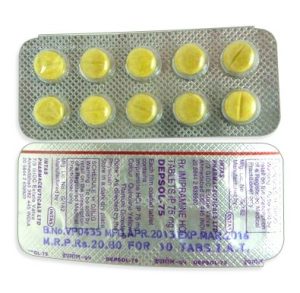
Use packaging photos that clearly display the active ingredient (imipramine hydrochloride or pamoate) and manufacturer to reduce confusion during substitution.
Buying & Storage Advice
In-Store Vs Online Purchase Tips In Australia
How should customers buy imipramine safely and cheaply?
A valid prescription is required for supply under Australian regulation and usual pharmacy practice.
In-store purchase gives immediate pharmacist counselling, face-to-face review and substitution options when branded stock is unavailable.
Online pharmacies and telehealth routes serve rural and time-poor customers and often integrate e-prescriptions with mail delivery.
Compare prices across Chemist Warehouse, Priceline and local independents and ask about generic imipramine hydrochloride options to reduce cost.
In our online pharmacy, tofranil is available without a prescription, with discreet delivery to Australia in 9-21 days.
Storage In Australian Household Conditions (Heat/Humidity)
How to store imipramine in Australian conditions?
Store between 20–25°C (68–77°F), away from moisture and direct sunlight and out of reach of children.
Avoid leaving medicine in cars or bathrooms during hot, humid months; cool cupboards or air-conditioned rooms are preferable.
Return unused or expired medicines to the pharmacy via take-back programs rather than discarding in household waste.
Guidelines For Proper Use
Pharmacist Guidance In Australia
What should pharmacists check before supply?
Verify the indication and recent cardiac history, review concomitant medicines (especially MAOIs and QT-prolonging drugs) and advise baseline ECG for patients over 40 or with cardiac risk.
Recommend starting at the lowest effective dose and titrating slowly while monitoring blood pressure and anticholinergic side effects.
Patient Safety Recommendations
How can patients reduce side-effect risk and stay safe?
- Take the dose at night to reduce daytime sedation.
- Rise slowly from sitting to avoid orthostatic dizziness.
- Maintain hydration and use sugar-free lozenges for dry mouth.
- Do not stop abruptly — taper under medical supervision.
- For children on enuresis regimens, use short courses (1–3 months) with regular reassessment.
Provide a printable taper schedule and encourage pharmacist review every one to three months for repeat dispensing.
Delivery Across Australia
| City | Region | Delivery Time |
|---|---|---|
| Sydney | New South Wales | 9-14 days |
| Melbourne | Victoria | 9-14 days |
| Brisbane | Queensland | 9-14 days |
| Perth | Western Australia | 9-14 days |
| Adelaide | South Australia | 9-14 days |
| Canberra | Australian Capital Territory | 9-14 days |
| Hobart | Tasmania | 9-14 days |
| Darwin | Northern Territory | 14-21 days |
| Gold Coast | Queensland | 9-14 days |
| Newcastle | New South Wales | 9-14 days |
| Wollongong | New South Wales | 9-14 days |
| Geelong | Victoria | 9-14 days |
| Sunshine Coast | Queensland | 14-21 days |
| Townsville | Queensland | 14-21 days |
| Cairns | Queensland | 14-21 days |
Quick Reference And Purchase Checklist
What to check before ordering imipramine online or in-store?
- Ensure you have a valid prescription unless using our specified online purchase route noted above.
- Confirm the active ingredient: imipramine hydrochloride or imipramine pamoate and the tablet strength (10 mg, 25 mg, 50 mg).
- Ask the pharmacist about generic options to reduce cost and check current PBS status for any subsidy.
- Request pharmacist counselling on dose titration, side-effect management and need for baseline ECG if over 40 or cardiac risk exists.
- Store the medicine at 20–25°C, away from moisture and sunlight, and return unused packs to the pharmacy for safe disposal.
Safety Contacts And Next Steps
Who to contact with concerns or in an emergency?
Contact a local emergency department or call Triple Zero (000) for severe overdose, seizure or collapse.
For drug-interaction checks and personalised dosing, contact a pharmacist or the prescribing clinician; keep a current medication list available.
Record and report any suspected adverse events to the TGA using the sponsor and batch details found on the product label.